Papa Recipe Blemish Enzyme Powder Cleanser for acne-prone skin

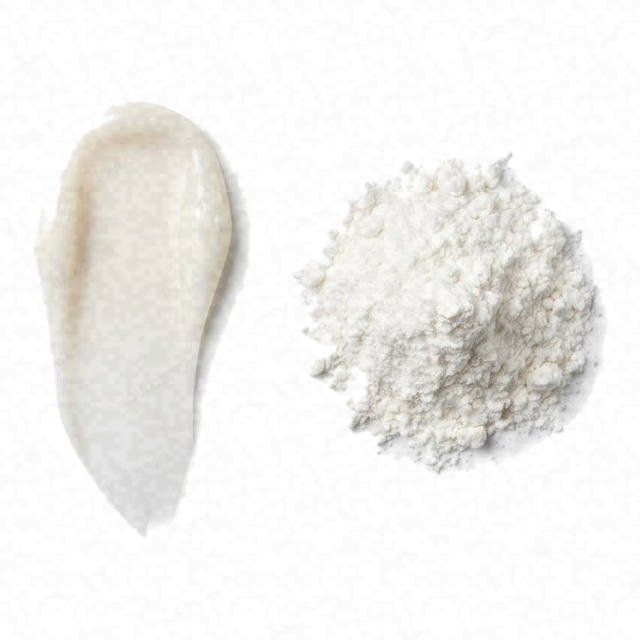 Zea Mays Starch
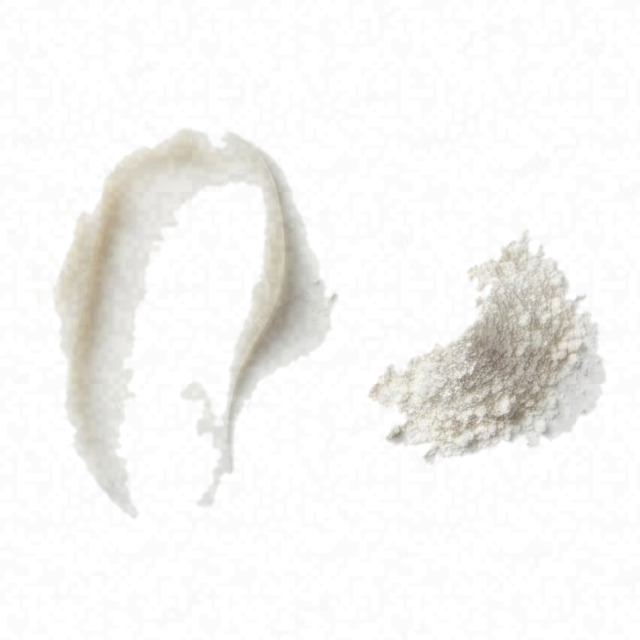 Sodium Cocoyl Isethionate
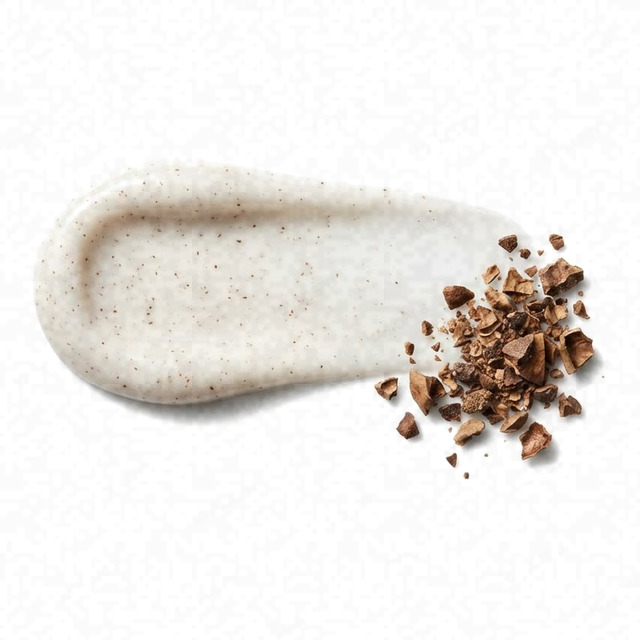 Juglans Regia Shell Powder
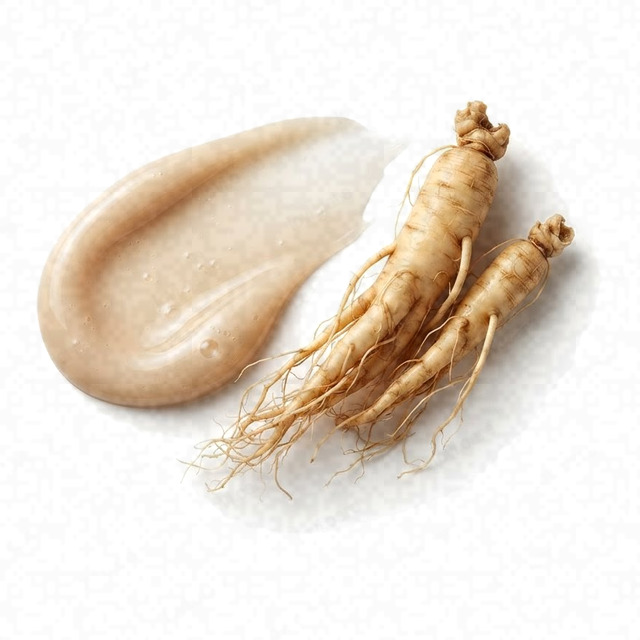 Panax Ginseng Root Extract
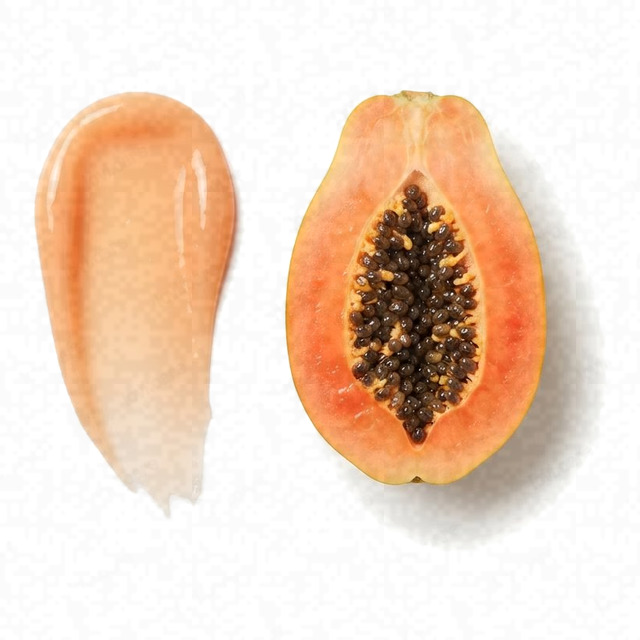 Papain
High
- HighCombination Skin Fit
- HighEffectiveness
- HighSafety
A great choice for acne-prone skin; a few products fit it even better.
This fit is calculated for the concerns frequently associated with acne-prone skin: breakouts, blackheads, and post-acne marks. For scores and recommendations based on your full skin profile, including your 12D face scan results and any goals or preferences you have, please use the Lovi app.
Page built Nov 8, 2026How the Fit score works
Lovi Assistant explains
- Highly suitable for your combination skin, papain and gluconolactone offer enzymatic and mild acidic exfoliation to help manage oiliness and promote cell turnover without over-drying.
- The presence of sodium cocoyl isethionate and sodium lauroyl glutamate provides moderate cleansing, effectively removing impurities and unclogging pores for your acne-prone skin.
- This formula is safe for your acne-prone skin, as it lacks prohibited or harsh ingredients that could cause irritation.
How to apply
- Use your enzyme powder cleanser as part of your PM weekly routine. Start by using it once a week and build up slowly if your skin is happy.
- Place this step after your regular cleanser and before applying your hydrating toner. Follow the weekly routine order for the best results.
- Mix the powder with a little water in your hands to create a soft foam. Gently massage onto your face and avoid rubbing too hard.
- Apply the enzyme powder cleanser on slightly damp skin to help activate the formula evenly. Make sure your face is clean before applying.
- Avoid the sensitive eye area during application. Do a patch test first and do not combine this with strong acids on the same night.
People Say
★4.7Overall rating based on 900+ reviewsThis powder cleanser is highly praised by users with oily, acne-prone, and sensitive skin for its ability to gently exfoliate without stripping moisture. Most users report significantly smoother skin texture and reduced breakouts, though the unique fermented scent is a polarizing feature.
Highlights
Gentle exfoliation Mostly Mentioned
- “Smooths out skin without harsh scrubbing”
- “Dissolves dead skin cells instantly”
- “My face feels baby soft after one use.”
Improves texture/acne Often Mentioned
- “Helps with my closed comedones”
- “Reduces sebaceous filaments on nose”
- “Makeup applies much smoother now.”
Non-stripping Often Mentioned
- “Doesn't leave my face feeling tight”
- “Skin feels moist and fresh after rinsing”
- “Cleanses well but keeps barrier intact.”
Polarizing scent Often Mentioned
- “Smells like stale powdered milk”
- “Has a weird yeasty/vomit smell”
- “Scent is nutty like cereal but takes getting used to.”
Good for sensitive skin Sometimes Noted
- “Gentle enough for daily use”
- “Low pH formula calms my redness.”
Travel-friendly Sometimes Noted
- “Perfect for flying since it's not liquid”
- “No fear of leaking in my bag”
- “Lightweight and easy to pack.”
Packaging durability Sometimes Noted
- “The flip cap snapped off after a week”
- “Lid cracked when I dropped it”
- “Hard to control the amount of powder dispensed.”
Can be drying Rarely Noted
- “Too drying for twice-daily use”
- “Left dry patches when I used it every morning”
- “Better as a 2-3 times a week treatment.”
Price per quantity Rarely Noted
- “Bottle is smaller than expected”
- “Expensive compared to other enzyme powders”
- “Runs out quickly if used daily.”
Sources: lovi.care, oliveyoung.com, yesstyle.com, gopicky.com, reddit.com, skinsort.com, and more
Questions and answers
What makes the Papa Recipe Blemish Enzyme Powder Cleanser a great fit for acne-prone skin?
This cleanser is a great fit because papain and gluconolactone exfoliate gently to manage oiliness and clear pores without over-drying. It also removes impurities safely and effectively without harsh ingredients that might cause irritation.
The Australasian Journal of Dermatology, 1992Skin Research and Technology, 2023
Which ingredients make this cleanser a good fit for acne-prone skin?
Papain, gluconolactone, and gentle cleansers like sodium cocoyl isethionate make this cleanser a great fit for acne-prone skin because they gently clear away oil and unclog pores without drying you out. Papain and gluconolactone help manage breakouts and smooth your skin while keeping irritation low.
The Australasian Journal of Dermatology, 1992Giornale Italiano Di Dermatologia E Venereologia, 2015
What does Corn Starch do for acne-prone skin?
Corn starch is generally safe for acne-prone skin because it helps minimize friction and protects the skin barrier without clogging pores or fueling irritation. It is unlikely to cause breakouts, though acne-prone skin also benefits from ingredients that gently clear pores and balance oil.
What does Sodium Cocoyl Isethionate do for acne-prone skin?
Sodium cocoyl isethionate helps wash acne-prone skin gently because its large size keeps it from getting deep into the skin to cause irritation or dryness. This ingredient keeps your skin calm and clean while maintaining your skin barrier, which a cleanser for breakouts needs to do without stripping dry or sensitive skin.
Where does it go in a skincare routine for acne-prone skin?
This enzyme powder cleanser is used once a week in your weekly routine step. It helps unclog pores and manage oiliness on acne-prone skin without over-drying.
Can I use it with retinol, and in what order?
You can use this enzyme powder cleanser with retinol, but not in the same routine to avoid irritation. Use it on your weekly treatment nights and keep your retinol for separate evenings.
How often should I use it?
Start by using this enzyme powder cleanser once a week, and if your skin feels comfortable and you see good results, you can carefully use it more often. It helps clear away oil and impurities without over-drying, making it a great fit for your acne-prone skin.
Can it clog pores, cause breakouts or purging for acne-prone skin?
It is unlikely to clog pores or cause breakouts for your acne-prone skin, as it contains gentle cleansers and exfoliants like papain and gluconolactone that help clear impurities and manage oiliness without harsh irritation. These ingredients actively work to keep pores clear and reduce blemishes while maintaining skin comfort.
The Australasian Journal of Dermatology, 1992Giornale Italiano Di Dermatologia E Venereologia, 2015
Is it fragrance-free and alcohol-free?
Yes, it has no fragrance and no drying alcohol.
What the research says
Gluconolactone 14% solution significantly improved mild to moderate acne by reducing inflamed and non-inflamed lesions similarly to 5% benzoyl peroxide, but with fewer side-effects in 150 patients.
The Australasian Journal of Dermatology, 1992Combining 10% gluconolactone chemical peeling with oxybrasion or microneedle mesotherapy increased skin hydration and decreased sebum, pH, and TEWL in twenty-one Caucasian women, with no significant differences between the two methods.
Skin Research and Technology, 2023A fixed combination of hydroxypinacolone retinoate, retinol glycospheres, and papain glycospheres in aqueous gel applied once daily for 12 weeks achieved a 41% mean reduction in GAGS score and a 40.8% mean reduction in total lesions, with 15.3% of patients experiencing mild to moderate local side effects, in 94 evaluable patients with comedonal-papular, mild to moderate acne of the face.
Giornale Italiano Di Dermatologia E Venereologia, 2015Hydrolyzed corn starch containing maltotetraose activated the NRF2 pathway, upregulated antioxidant-responsive genes, increased NRF2 protein expression and nuclear translocation, and reduced reactive oxygen species levels in human keratinocytes exposed to oxidative stress.
PloS One, 2026Sodium cocoyl isethionate micelles are too large to penetrate stratum corneum aqueous pores, resulting in significant steric hindrance that prevents skin barrier perturbation and explains its skin mildness.
Journal of Cosmetic Science, 2007Enzyme-modified ginseng extract cream significantly reduced the global photo-damage score and various roughness measures including total roughness, smoothness depth, and arithmetic roughness average compared to placebo in 23 human subjects.
Rejuvenation Research, 2015A red ginseng hydrogel formulation with 1,2-hexanediol promoted selective growth of Staphylococcus epidermidis and decreased Cutibacterium acnes in 20 female subjects.
Journal of Ginseng Research, 2022A 1% fermented black ginseng cream significantly reduced eye wrinkles and brightened skin color in twenty-three human subjects compared to control cream and baseline.
Journal of Toxicology and Environmental Health. Part A, 2020Topical papain treatment may slightly decrease pain within 30 minutes in humans stung by Chrysaora chinensis compared to placebo.
Wilderness & Environmental Medicine, 2016Reflux extraction of Carica papaya leaves yielded higher antioxidant capacity and superior in vitro wound-healing activities including fibroblast proliferation, cell migration, and collagen synthesis in human skin fibroblasts compared to ultrasonic-assisted extraction and agitation.
Molecules, 2020Carica papaya leaf extracts obtained via supercritical fluid and conventional methods demonstrated antioxidant and cytoprotective effects on skin fibroblasts against oxidative stress, driven by their respective lipophilic and hydrophilic constituents.
Molecules, 2021
Ingredients
Zea Mays Starch, Sodium Cocoyl Isethionate, Sodium Lauroyl Glutamate, Sodium Palmitate, Diglycerin, Juglans Regia Shell Powder, Rice Powder, Citric Acid, Panax Ginseng Root Extract, Rosmarinus Officinalis Leaf Extract Rosemary Leaf Extract, Scutellaria Baicalensis Root Extract, Tricholoma Matsutake Extract, Angelica Keiskei Stem Extract Leaf, Rice Extract, Portulaca Oleracea Extract, Arbutin, Rice Ferment Filtrate Sake Ferment Filtrate, Gluconolactone, Gossypium Herbaceum Extract, Lactobionic Acid, Allantoin, Maltodextrin, Papain, Water, Glycerin, Butylene Glycol, Sodium Benzoate, 1,2-Hexanediol
Behind this fit score
Lovi calculates every fit score from the full ingredient list with brand-independent rules our dermatologists and cosmetic chemists build and review, and personalizes every pick with AI trained on the real results of millions of users. Lovi trains its fit score models on a proprietary dataset built from more than 10,000 expert-labeled products and more than 100,000 simulated examples, following an internally consistent methodology presented at Cosmoprof, AMWC, and Skin of Color Update.
-

Co-founder, Medical Director
Cosmetic chemist, cosmetologist, aesthetic products developer
-

Co-founder, CEO and CTO
PhD in computer science, 3x US patent holder, ex-Google, ex-Yandex
-

Dr. Sofía Perea Pérez, MD, MSc
Medical Board
Aesthetic medicine practitioner, MSc in Longevity and Anti-Aging Medicine
-

Medical Board
Specialist dermatologist, MBBS, MD, IFAAD
-

Medical Board
Cosmetic chemist, SCS, IFSCC member
-

Medical Board, Medical Advisor
Dermatology MD
-

Elina Nazarenko, MD
Medical Board
Dermatology and diagnostic consultant
-

Victoria Derkova, MS
Medical Board
Cosmetic chemist, cosmetic development technologist


How does it fit your skin?
Scan your face, then any product: Lovi shows how well it fits you and what fits even better.