
Neutrogena Beach Defense

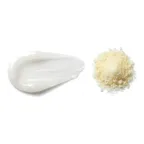 Avobenzone
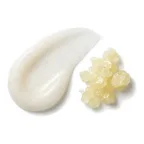 Homosalate
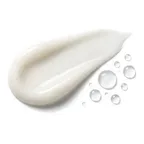 Octisalate
Avobenzone and homosalate provide moderate UV protection, so it suits combination skin, sensitive skin, acne-prone skin, and oily acne-prone skin best. For skin that needs soothing, sunscreens with allantoin and centella get higher fit scores. Where to buy in the US: Amazon.com, $8.29.
Each fit is calculated for the concerns frequently associated with that skin type. For scores and recommendations based on your full skin profile, including your 12D face scan results and goals, use the Lovi app.
Updated How the Fit score works
Where it fits best and least
Best fit Average
Combination Skin, Sensitive Skin, Acne-Prone Skin, Oily Acne-Prone Skin
Works for combination skin; other sunscreens fit it better.
- Suitable for combination skin as glycerin and tocopheryl acetate provide hydration and antioxidant benefits, which are generally supportive for balancing combination skin.
Lowest fit Caution
A poor match for dry skin.
- Low suitability for dry skin due to the presence of alcohol denat, which can be drying, and a lack of deeply hydrating ingredients like glycerin to counteract this effect.
Other skin types
Buy online

Prices checked 22 Nov 2026
How to apply
- Apply this sunscreen during your AM routine every single day. Reapply every two hours if you are staying outdoors.
- Apply the sunscreen as the final step of your morning skincare routine after your moisturizer. Allow your moisturizer to absorb fully before putting it on.
- Squeeze a generous amount and pat it gently all over your face and neck. Avoid rubbing the product harshly into your skin.
- Avoid getting the product directly into your eyes and stop using it if any irritation occurs.
Questions and answers
How well does Neutrogena Beach Defense work for combination skin?
Neutrogena Beach Defense works moderately well for combination skin by offering sun protection and basic hydration, though it may not help reduce oily shine. A sunscreen for this skin needs lightweight protection, oil control, and ingredients that hydrate dry areas without causing breakouts.
Why is Neutrogena Beach Defense a weak match for oily skin?
Neutrogena Beach Defense is a weak match for oily skin because it lacks sufficient ingredients for optimal oil control and does not target oily shine concerns. A sunscreen of this type needs lightweight, non-comedogenic ingredients that control oil and prevent breakouts without clogging pores.
Why does Lovi advise caution with Neutrogena Beach Defense for dry skin?
Lovi advises caution because this sunscreen contains alcohol denat, which can dry out your skin, and lacks enough deeply hydrating ingredients to counteract that effect. To feel soft and smooth on dry skin, a sunscreen of this type needs rich moisturizing ingredients like glycerin, hyaluronic acid, or ceramides.
Is it fragrance-free and alcohol-free?
It has no fragrance and contains drying alcohol (alcohol denat).
How well does Neutrogena Beach Defense work for sensitive skin?
Neutrogena Beach Defense works adequately for sensitive skin, offering moderate UV protection with a low likelihood of irritation due to its gentle chemical filters. However, because it lacks specialized soothing ingredients to calm redness, a sunscreen for this skin type needs gentle mineral ingredients like zinc oxide or titanium dioxide along with extra calming components.
Why is Neutrogena Beach Defense a weak match for skin with dark spots?
Neutrogena Beach Defense is a weak match because, while it provides sun protection and hydration for normal skin, the formula lacks specialized ingredients to effectively target dark spots. A sunscreen for this skin needs strong sun protection paired with specialized brightening ingredients like vitamin C and soothing agents to actively manage pigmentation without causing irritation.
Why does Lovi advise caution with Neutrogena Beach Defense for dry sensitive skin?
Neutrogena Beach Defense requires caution because alcohol denat. in the formula can dry out dry and sensitive skin, and it lacks deeply hydrating ingredients. A sunscreen for this skin type needs gentle, soothing ingredients that protect against UV rays while providing rich moisture without causing irritation.
How well does Neutrogena Beach Defense work for acne-prone skin?
Neutrogena Beach Defense works okay for acne-prone skin, though other sunscreens fit it better. This skin needs a product that poses no risk of irritation, effectively addresses acne and blemishes with beneficial ingredients, performs excellently as broad-spectrum sun protection, and is lightweight and non-greasy.
Journal of the American Academy of Dermatology, 1987Journal of Drugs in Dermatology, 2025
Why is Neutrogena Beach Defense a weak match for mature skin?
Neutrogena Beach Defense is a weak match for mature skin because it lacks specialized anti-wrinkle ingredients to effectively target wrinkles and fine lines. Sunscreens for this skin need beneficial ingredients that provide hydration and address aging concerns while protecting against UV rays.
How well does Neutrogena Beach Defense work for oily acne-prone skin?
Neutrogena Beach Defense works for oily acne-prone skin, though other sunscreens fit this skin type better. It is safe and provides moderate sun protection with glycerin for hydration, but it lacks the oil-controlling and mattifying ingredients needed to manage excess oil and breakouts. A product of this type needs lightweight, oil-free formulas with mattifying or oil-controlling ingredients.
What the research says
Chemical sunscreens containing avobenzone, octocrylene, homosalate, and octisalate showed no to minimal risks of dermal irritation, sensitization, photo-allergy, and photo-irritation in human subjects.
Journal of Drugs in Dermatology, 2025Methoxy-monobenzoylmethane protects human skin against UV-induced damage by converting to avobenzone under UVB light irradiation and demonstrating antioxidant and radical scavenging properties in vitro and in cell assays.
Molecules, 2021Encapsulation of ethylhexyl methoxycinnamate and butyl methoxydibenzoylmethane in lipid microparticles significantly reduced their in vivo human skin penetration compared to nonencapsulated filters.
Skin Pharmacology and Physiology, 2011Microencapsulation of the BMDBM/HP-beta-CD complex in lipid microparticles significantly decreased the percutaneous penetration of the UV filter into the stratum corneum of human volunteers compared to the non-encapsulated sunscreen agent.
Journal of Pharmaceutical and Biomedical Analysis, 2011Dermal application of a sunscreen containing 10% homosalate in four volunteers resulted in delayed elimination with terminal half-times around 24 h and a bioavailability of cis-homosalate a factor of 2 lower than trans-homosalate, while metabolite ratios supported using oral-route urinary excretion fractions for dermal exposure assessments.
Archives of Toxicology, 2024Homosalate exhibited the highest permeation among tested filters with a relative permeability rate of 4.2% and a depth of 60 um, and specific thickeners and emulsifiers successfully reduced its permeation without inhibiting the skin permeation of niacinamide.
Photodermatology, Photoimmunology & Photomedicine, 2026Simulated real-life dermal sunscreen exposure in twenty human volunteers leads to the systemic bioavailability and urinary excretion of the UV filter 2-ethylhexyl salicylate and its metabolite, reaching concentration peaks at 7 to 8 hours with 70-80% of overall excretion within 24 hours.
Archives of Toxicology, 2019The application of a sunscreen formulation containing ethylhexyl methoxycinnamate, ethylhexyl salicylate, methyl anthranilate, and octocrylene does not significantly affect critical acne-related species such as Cutibacterium acnes and Staphylococcus epidermidis, refuting the induction of facial dysbiosis in men.
Archives of Dermatological Research, 2024Controlled single dermal exposure to an EHS-containing sunscreen in three volunteers resulted in delayed systemic resorption with elimination half-lives between 6.6 and 9.7 hours, where the parent compound EHS occurred as the dominant urinary parameter.
Archives of Toxicology, 2024A single application of a moisturizing fluid containing hyaluronic acid 1%, glycerin 5%, and Centella asiatica stem cells extract significantly increased skin hydration by 29% and reduced transepidermal water loss at 24 hours compared to baseline and an untreated control site in twenty healthy women.
Clinical, Cosmetic and Investigational Dermatology, 2017Parsol 1789 and Eusolex 8020 provided slightly better photoprotection than oxybenzone in both normal and sensitized human skin when assessed using pigmentation end points, whereas all three sunscreens performed similarly against UVA-induced erythema.
Journal of the American Academy of Dermatology, 1987An online-SPE-LC-MS/MS method successfully quantified specific urinary homosalate metabolites for up to 96 hours after dermal sunscreen application in a volunteer and detected metabolites exclusively in three German pilot participants who had used sunscreen within five days.
Analytica Chimica Acta, 2021Treatment with a moisturizer containing dimethicone and glycerine increased epidermal thickness by 0.019 mm, improved barrier function by decreasing transepidermal water loss by 13%, decreased melanin intensity, and induced keratins 6 and 16 in fifteen women with moderately photoaged forearms.
Clinical and Experimental Dermatology, 2007Ethanol enhances skin lipid bilayer permeability through the dual actions of lipid extraction and increasing lipid chain mobility, driven by its superior ability to form hydrogen bonds with lipid headgroups.
RSC Advances, 2020
Ingredients
Avobenzone, Homosalate, Octisalate, Octocrylene, Water, Alcohol Denat, Butyloctyl Salicylate, Dimethicone, Ethylhexylglycerin, Glycerin, Glyceryl Stearate, Peg-100 Stearate, Polyester-8, Sodium Polyacrylate, Steareth-21, Tocopheryl Acetate Vitamin E
Behind these fit scores
Lovi calculates every fit score from the full ingredient list with brand-independent rules our dermatologists and cosmetic chemists build and review, and personalizes every pick with AI trained on the real results of millions of users. Lovi trains its fit score models on a proprietary dataset built from more than 10,000 expert-labeled products and more than 100,000 simulated examples, following an internally consistent methodology presented at Cosmoprof, AMWC, and Skin of Color Update.
-

Co-founder, Medical Director
Cosmetic chemist, cosmetologist, aesthetic products developer
-

Co-founder, CEO and CTO
PhD in computer science, 3x US patent holder, ex-Google, ex-Yandex
-

Dr. Sofía Perea Pérez, MD, MSc
Medical Board
Aesthetic medicine practitioner, MSc in Longevity and Anti-Aging Medicine
-

Medical Board
Specialist dermatologist, MBBS, MD, IFAAD
-

Medical Board
Cosmetic chemist, SCS, IFSCC member
-

Medical Board, Medical Advisor
Dermatology MD
-

Elina Nazarenko, MD
Medical Board
Dermatology and diagnostic consultant
-

Victoria Derkova, MS
Medical Board
Cosmetic chemist, cosmetic development technologist


How does it fit your skin?
Scan your face, then any product: Lovi shows how well it fits you and what fits even better.