
Neutrogena Age Shield Face Lotion Sunscreen SPF 110

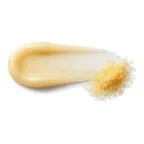 Helioplex Technology
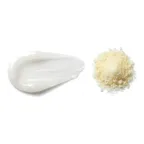 Avobenzone
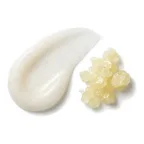 Homosalate
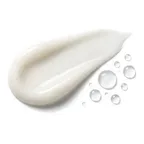 Octisalate
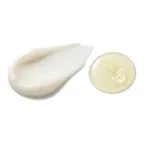 Octocrylene
Avobenzone and homosalate provide UV protection, so it suits sensitive skin, skin with dark spots, and mature skin best. For skin that needs oil control, sunscreens with zinc and niacinamide get higher fit scores.
Each fit is calculated for the concerns frequently associated with that skin type. For scores and recommendations based on your full skin profile, including your 12D face scan results and goals, use the Lovi app.
Updated How the Fit score works
Where it fits best and least
Best fit High
Sensitive Skin, Skin with Dark Spots, Mature Skin
A great choice for sensitive skin; a few sunscreens fit it even better.
- Offers excellent UV protection for your normal skin due to avobenzone and homosalate, while beeswax and cyclopentasiloxane provide emollient action and barrier repair.
Lowest fit Average
Oily Skin, Dry Skin, Combination Skin, Acne-Prone Skin, Dry Sensitive Skin, Oily Acne-Prone Skin
Works for oily skin; other sunscreens fit it better.
- This product offers moderate suitability for your oily skin, with Dipotassium Glycyrrhizate and BHT providing anti-inflammatory and antioxidant benefits to help manage oiliness without irritation.
How to apply
- Apply this sunscreen during your AM routine every single day. Reapply every two hours if you are staying outdoors.
- Apply the sunscreen as the final step of your morning skincare routine after your moisturizer. Allow your moisturizer to absorb fully before putting it on.
- Squeeze a generous amount and pat it gently all over your face and neck. Avoid rubbing the product harshly into your skin.
- Avoid getting the product directly into your eyes and stop using it if any irritation occurs.
People Say
★4.5Overall rating based on 1.3k+ reviewsBased on a very large amount of data, users with oily and combination skin frequently praise this sunscreen for its exceptionally high protection and ability to prevent sunburns during extended outdoor activity without causing breakouts. Those with sensitive eyes or darker skin tones often report significant drawbacks, including intense eye stinging and a noticeable white cast that can leave a "ghostly" appearance.
Highlights
Lightweight & non-greasy Often Mentioned
- “absorbs quickly”
- “feels like lotion”
- “no oily residue”
- “matte finish”
Superior sun protection Often Mentioned
- “never get burned”
- “prevented my melasma”
- “great for lupus”
- “blocks intense sun”
Stings eyes Often Mentioned
- “burns like crazy”
- “eyes watered for hours”
- “can't put near eyes”
- “migrates into eyes”
Moisturizing formula Sometimes Noted
- “leaves skin soft”
- “hydrating but light”
- “no dry patches”
- “plumps the skin”
Works under makeup Sometimes Noted
- “doesn't pill”
- “smooth primer base”
- “makeup glides on”
- “no separation”
Product separation Sometimes Noted
- “oily liquid comes out”
- “needs shaking”
- “separated in tube”
- “watery mess first”
Visible white cast Sometimes Noted
- “looks like a ghost”
- “purple tint”
- “pale white mask”
- “hard to rub in”
Strong fragrance Rarely Noted
- “smells like chemicals”
- “scent is overpowering”
- “too much perfume”
- “lingering floral smell”
Sources: lovi.care, walmart.com, kroger.com, influenster.com, reddit.com, youtube.com, and more
Questions and answers
What makes Neutrogena Age Shield Face Lotion Sunscreen SPF 110 a great fit for sensitive skin?
Neutrogena Age Shield Face Lotion Sunscreen SPF 110 is a great fit for sensitive skin because it is safe and contains no harsh ingredients, using avobenzone and homosalate to offer excellent sun protection while beeswax and cyclopentasiloxane help repair the skin barrier. It also includes dipotassium glycyrrhizate to help calm the skin.
Journal of the American Academy of Dermatology, 1987Journal of Drugs in Dermatology, 2025
What makes Neutrogena Age Shield Face Lotion Sunscreen a great fit for skin with dark spots?
This sunscreen is a great fit because avobenzone and homosalate provide excellent UV protection that helps maintain skin health and address pigmentation concerns. Dipotassium glycyrrhizate also offers soothing and anti-inflammatory benefits, and the formula is safe with no risk of irritation.
How well does Neutrogena Age Shield SPF 110 work for oily skin?
This product works moderately well for oily skin, providing strong sun protection and antioxidants that help manage oil without irritation, though it lacks specialized ingredients to control shine. To work best for oily skin, a product of this type needs mattifying and hydrating ingredients that manage oil production and keep the skin feeling lightweight without adding excess shine.
How well does Neutrogena Age Shield Face Lotion Sunscreen SPF 110 work for dry skin?
This sunscreen works moderately well for dry skin because it has softening ingredients, but it lacks stronger moisture-binding ingredients for deep hydration. A sunscreen of this type needs rich moisturizing and hydrating ingredients to keep dry skin comfortable and properly hydrated.
How well does Neutrogena Age Shield Face Lotion Sunscreen work for oily acne-prone skin?
Neutrogena Age Shield Face Lotion Sunscreen SPF 110 works moderately well for oily acne-prone skin, offering strong sun protection and soothing benefits without irritating your skin. While it is unlikely to clog pores or cause irritation, it lacks specific ingredients to target breakouts and blemishes. Sunscreens for this skin type need lightweight textures, oil-managing components, and targeted acne-fighting ingredients like Niacinamide.
Is this sunscreen fragrance-free and alcohol-free?
Yes, it has no fragrance and no drying alcohol.
What makes Neutrogena Age Shield Face Lotion Sunscreen SPF 110 a great fit for mature skin?
Neutrogena Age Shield Face Lotion Sunscreen SPF 110 is a great fit for mature skin because it offers strong UV protection with a blend of avobenzone, homosalate, and octisalate, alongside antioxidants and soothing ingredients that help with wrinkles and fine lines. It is unlikely to cause irritation on normal skin since it lacks harsh ingredients.
How well does Neutrogena Age Shield SPF 110 work for acne-prone skin?
This sunscreen works moderately well for acne-prone skin, offering reliable sun protection and hydration without causing irritation, though it lacks targeted ingredients for breakouts. To better fit acne-prone skin, this type of product needs specialized ingredients like Niacinamide, Zinc Oxide, or Centella Asiatica to help calm blemishes while providing oil control.
Journal of Drugs in Dermatology, 2025International Journal of Toxicology, 2011
How well does Neutrogena Age Shield Face Lotion Sunscreen SPF 110 work for combination skin?
This sunscreen works moderately well for combination skin because it balances dry and oily areas, but sunscreens that better fit this skin need mattifying and hydrating ingredients to control shine while keeping skin balanced.
Journal of Drugs in Dermatology, 2025Journal of Cosmetic Dermatology, 2026
How well does Neutrogena Age Shield SPF 110 work for dry sensitive skin?
Neutrogena Age Shield Face Lotion Sunscreen SPF 110 works moderately well for dry sensitive skin because beeswax helps soften dry areas, but it lacks enough moisture-binding ingredients like hyaluronic acid or ceramides to fully stop flakiness. Sunscreens for this skin type need strong moisturizing ingredients and gentle hydrating components that protect against dryness without irritation.
What the research says
Chemical sunscreens containing avobenzone, octocrylene, homosalate, and octisalate showed no to minimal risks of dermal irritation, sensitization, photo-allergy, and photo-irritation in human subjects.
Journal of Drugs in Dermatology, 2025Topical application of sunscreen agents in human volunteers resulted in significant skin penetration of all agents and systemic absorption of oxybenzone and its metabolites.
Journal of Chromatography. B, Analytical Technologies in the Biomedical and Life Sciences, 2004Methoxy-monobenzoylmethane protects human skin against UV-induced damage by converting to avobenzone under UVB light irradiation and demonstrating antioxidant and radical scavenging properties in vitro and in cell assays.
Molecules, 2021Combined use of the insect repellent DEET and the sunscreen oxybenzone significantly enhanced percutaneous penetration percentages by 36% to 108% and increased their in vivo AUCP/MRT compared to separate applications.
Toxicology and Applied Pharmacology, 2007Encapsulation of ethylhexyl methoxycinnamate and butyl methoxydibenzoylmethane in lipid microparticles significantly reduced their in vivo human skin penetration compared to nonencapsulated filters.
Skin Pharmacology and Physiology, 2011Microencapsulation of the BMDBM/HP-beta-CD complex in lipid microparticles significantly decreased the percutaneous penetration of the UV filter into the stratum corneum of human volunteers compared to the non-encapsulated sunscreen agent.
Journal of Pharmaceutical and Biomedical Analysis, 2011Following human skin application of an O/W emulsion containing 2% BMDBM loaded in lipospheres, 15% of the sunscreen accumulated in the uppermost layers of the stratum corneum without remarkably modifying skin permeation compared to unencapsulated sunscreen.
Skin Pharmacology and Physiology, 2008Dermal application of a sunscreen containing 10% homosalate in four volunteers resulted in delayed elimination with terminal half-times around 24 h and a bioavailability of cis-homosalate a factor of 2 lower than trans-homosalate, while metabolite ratios supported using oral-route urinary excretion fractions for dermal exposure assessments.
Archives of Toxicology, 2024Homosalate exhibited the highest permeation among tested filters with a relative permeability rate of 4.2% and a depth of 60 um, and specific thickeners and emulsifiers successfully reduced its permeation without inhibiting the skin permeation of niacinamide.
Photodermatology, Photoimmunology & Photomedicine, 2026Simulated real-life dermal sunscreen exposure in twenty human volunteers leads to the systemic bioavailability and urinary excretion of the UV filter 2-ethylhexyl salicylate and its metabolite, reaching concentration peaks at 7 to 8 hours with 70-80% of overall excretion within 24 hours.
Archives of Toxicology, 2019The application of a sunscreen formulation containing ethylhexyl methoxycinnamate, ethylhexyl salicylate, methyl anthranilate, and octocrylene does not significantly affect critical acne-related species such as Cutibacterium acnes and Staphylococcus epidermidis, refuting the induction of facial dysbiosis in men.
Archives of Dermatological Research, 2024Controlled single dermal exposure to an EHS-containing sunscreen in three volunteers resulted in delayed systemic resorption with elimination half-lives between 6.6 and 9.7 hours, where the parent compound EHS occurred as the dominant urinary parameter.
Archives of Toxicology, 2024Dermal sunscreen exposure in 20 healthy volunteers led to plasma concentrations of avobenzone, octocrylene, and its metabolite CDAA reaching up to 11 μg/L, 25 μg/L, and 1352 μg/L, respectively.
Environment International, 2019Incorporating rosmarinic acid into sunscreens enhanced the in vivo SPF of octocrylene by over 157% and reduced lipid peroxidation in the human stratum corneum.
Antioxidants, 2025UV filters octocrylene, octylmethoxycinnamate, and benzophenone-3 increase the generation of UV-induced reactive oxygen species in the nucleated epidermis above control levels when left on the skin surface for 60 minutes.
Free Radical Biology & Medicine, 2006An online-SPE-LC-MS/MS method successfully quantified specific urinary homosalate metabolites for up to 96 hours after dermal sunscreen application in a volunteer and detected metabolites exclusively in three German pilot participants who had used sunscreen within five days.
Analytica Chimica Acta, 2021Sunscreen products formulated with 1-6% oxybenzone yielded a mean rate of dermal irritation or sensitization of 0.26% and a contact allergy rate of 0.07% in participants from the general population.
Photodermatology, Photoimmunology & Photomedicine, 2008Parsol 1789 and Eusolex 8020 provided slightly better photoprotection than oxybenzone in both normal and sensitized human skin when assessed using pigmentation end points, whereas all three sunscreens performed similarly against UVA-induced erythema.
Journal of the American Academy of Dermatology, 1987LC-MS/MS reassessment of human urine samples after dermal sunscreen application identified EHS and several new metabolites, with EHS accounting for 34% of the cumulative excretion within 24 hours.
Toxicology Letters, 2024A topical formulation containing panthenol, niacinamide, and dipotassium glycyrrhizate increased skin hydration by 74.1% and reduced transepidermal water loss by 13.5% at 28 days compared to baseline and untreated control in 35 individuals with xerosis.
Journal of Cosmetic Dermatology, 2026A mechanistic dermal model predicted that oxybenzone achieved the greatest plasma concentration following facial application among seven organic sunscreen active ingredients, while several scenarios for avobenzone, ensulizole, octocrylene, and octinoxate yielded median plasma levels of 0.5 ng/ml or below.
Journal of Pharmaceutical Sciences, 2024Cyclomethicone and specific chain length cyclic siloxanes (n = 4-7) are safe in present practices of use and concentration, showing minimal percutaneous absorption, no skin irritation or sensitization, and unlikely significant systemic exposure from cosmetics.
International Journal of Toxicology, 2011
Ingredients
Avobenzone, Homosalate, Octisalate, Octocrylene, Oxybenzone, Water, Styrene Acrylates Copolymer, Silica, Beeswax, Cyclopentasiloxane, Ethylhexylglycerin, Glyceryl Stearate, Peg-100 Stearate, Acrylates Dimethicone Copolymer, Acrylates C10-30 Alkyl Acrylate Crosspolymer, Chlorphenesin, Triethanolamine, Disodium Edta, Dipotassium Glycyrrhizate, Bht, Methylisothiazolinone, Diethylhexyl 2,6-Naphthalate
Behind these fit scores
Lovi calculates every fit score from the full ingredient list with brand-independent rules our dermatologists and cosmetic chemists build and review, and personalizes every pick with AI trained on the real results of millions of users. Lovi trains its fit score models on a proprietary dataset built from more than 10,000 expert-labeled products and more than 100,000 simulated examples, following an internally consistent methodology presented at Cosmoprof, AMWC, and Skin of Color Update.
-

Co-founder, Medical Director
Cosmetic chemist, cosmetologist, aesthetic products developer
-

Co-founder, CEO and CTO
PhD in computer science, 3x US patent holder, ex-Google, ex-Yandex
-

Dr. Sofía Perea Pérez, MD, MSc
Medical Board
Aesthetic medicine practitioner, MSc in Longevity and Anti-Aging Medicine
-

Medical Board
Specialist dermatologist, MBBS, MD, IFAAD
-

Medical Board
Cosmetic chemist, SCS, IFSCC member
-

Medical Board, Medical Advisor
Dermatology MD
-

Elina Nazarenko, MD
Medical Board
Dermatology and diagnostic consultant
-

Victoria Derkova, MS
Medical Board
Cosmetic chemist, cosmetic development technologist


How does it fit your skin?
Scan your face, then any product: Lovi shows how well it fits you and what fits even better.