
La Roche-Posay Effaclar Ultra Concentrated Serum

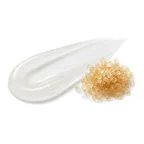 Glycolic Acid
 Salicylic Acid
 Niacinamide
 Biosaccharide Gum-1
 Capryloyl Salicylic Acid
Glycolic acid, salicylic acid, and niacinamide exfoliate pores, control oil, and smooth texture, so it suits most skin types. For skin that needs soothing, products with allantoin get higher fit scores. Where to buy in the US: Amazon.com, $33.99.
Each fit is calculated for the concerns frequently associated with that skin type. For scores and recommendations based on your full skin profile, including your 12D face scan results and goals, use the Lovi app.
Updated How the Fit score works
Where it fits best and least
Best fit High
Oily Skin, Combination Skin, Sensitive Skin, Acne-Prone Skin, Skin with Dark Spots, Mature Skin, Oily Acne-Prone Skin
One of the best products for oily skin.
- Highly suitable for your oily skin due to the presence of glycolic acid and salicylic acid, which offer excellent exfoliation and pore decongestion to address oily shine.
Lowest fit Caution
A poor match for dry skin.
- Offers moderate exfoliation for dry or flaky skin due to the presence of glycolic acid and salicylic acid, which provide chemical exfoliation but can be drying and irritating for your dry skin.
Buy online

Prices checked 22 Nov 2026
How to apply
- Use this exfoliant product as part of your PM routine once a week. Start slowly and build up frequency only if your skin tolerates it well.
- Apply the exfoliant after cleansing and toner, but right before your moisturizer.
- Gently press 2-3 drops of the exfoliant into your skin and let it absorb fully. Avoid any harsh rubbing to keep your skin calm.
- Always avoid the delicate eye area when applying. Be sure to use a broad-spectrum SPF 30+ daily while using exfoliating acids.
People Say
★4.5Overall rating based on 1.0k+ reviewsBased on a very large amount of data, this serum is highly rated by users with oily, acne-prone, and textured skin for its ability to rapidly reduce breakouts and smooth skin surface. While effective for many in clearing congestion and tightening pores, a notable minority of users experience purging, stickiness, or irritation due to its potent acid blend.
Highlights
Reduces acne Mostly Mentioned
- “cleared my skin for good”
- “targets breakouts effectively”
- “reduces appearance of blemishes”
- “helped with hormonal acne”
Minimizes pores Often Mentioned
- “pores are visibly tightened”
- “deeply unclogs pores”
- “blackheads reduced”
- “pores appear less visible”
Smoother texture Often Mentioned
- “skin feels softer overnight”
- “smooths the skin surface”
- “uneven texture is gone”
- “bumps on chin disappeared”
Controls oil Sometimes Noted
- “regulates sebum secretion”
- “mattified finish”
- “less oily throughout the day”
- “balances oil production”
Drying and irritation Sometimes Noted
- “made my skin dry”
- “stinging badly”
- “caused flaking”
- “burns upon application”
Initial breakouts Sometimes Noted
- “caused my skin to purge”
- “broke me out immediately”
- “made my skin worse before better”
- “more spots appeared”
Sticky texture Sometimes Noted
- “sticky residue feeling”
- “feels tacky on skin”
- “takes time to absorb”
- “leaves a film”
Strong scent Rarely Noted
- “strong alcohol smell”
- “perfume is too strong”
- “smells like chemicals”
- “scent is overpowering”
Sources: lovi.care, laroche-posay.us, laroche-posay.co.uk, ulta.com, sephora.co.uk, beautycrew.com.au, and more
Questions and answers
What makes La Roche-Posay Effaclar Ultra Concentrated Serum a great fit for oily skin?
La Roche-Posay Effaclar Ultra Concentrated Serum is a great fit for oily skin because it contains glycolic acid and salicylic acid, which clear out pores and help stop oily shine. Niacinamide and capryloyl salicylic acid are also included to help control oil and keep your skin smooth.
Journal of Cosmetic Dermatology, 2021BioMed Research International, 2020
What makes Effaclar Ultra Concentrated Serum a great fit for sensitive skin?
La Roche-Posay Effaclar Ultra Concentrated Serum is a great fit for sensitive skin because its glycolic acid and salicylic acid effectively clear pores and smooth texture without causing irritation. The formula is safe for your skin with sensitivity because it lacks harsh ingredients and poses no risk of irritation.
Clinical, Cosmetic and Investigational Dermatology, 2019Journal of Cosmetic Dermatology, 2024
Why does Lovi advise caution with La Roche-Posay Effaclar Ultra Concentrated Serum for dry skin?
This serum is a poor match for dry skin because ingredients like glycolic acid and alcohol denat can be drying and irritating rather than providing the moisture and softening care dry skin needs. A product for this skin needs nourishing, soothing ingredients that add deep moisture and support the skin barrier with components like ceramides, vitamin C, peptides, or propolis.
Why does Lovi advise caution with La Roche-Posay Effaclar Serum for dry sensitive skin?
This serum may cause dryness and irritation on dry sensitive skin because glycolic acid, salicylic acid, and alcohol denat can be too harsh. A product of this type needs moisturizing and nourishing ingredients that provide excellent hydration and skin barrier support without any risk of irritation.
International Journal of Cosmetic Science, 2024RSC Advances, 2020
Can I use it with retinol, and in what order?
You can use this treatment with retinol by applying it in your evening routine, but use them on alternate nights to keep your skin calm and smooth. Because both products work hard to renew your skin, alternating them helps prevent dryness and irritation.
Journal of Cosmetic Dermatology, 2021BioMed Research International, 2020
How often should I use this serum?
Start by using this serum once a week in your evening routine, and if your skin handles it well, you can carefully use it more often. This gradual approach helps you monitor your skin while managing oily shine and refining texture with glycolic acid and salicylic acid.
Dermatologic Surgery, 2003Journal of Cosmetic Dermatology, 2021
Is this serum fragrance-free and alcohol-free?
It contains fragrance (parfum) and drying alcohol (alcohol denat).
What makes La Roche-Posay Effaclar Ultra Concentrated Serum a great fit for combination skin?
La Roche-Posay Effaclar Ultra Concentrated Serum is a great fit because its glycolic acid and salicylic acid effectively clear clogged pores and control excess oil, while niacinamide helps balance your skin. The gentle formula manages oily shine safely without harsh ingredients that could cause irritation.
Journal of Cosmetic Dermatology, 2021Clinical, Cosmetic and Investigational Dermatology, 2019
What makes La Roche-Posay Effaclar Ultra Concentrated Serum a great fit for acne-prone skin?
This serum is a great fit because glycolic acid and salicylic acid effectively clear out pores and target blemishes on acne-prone skin. Niacinamide also helps balance oil and keep skin clear, while capryloyl salicylic acid offers gentler, targeted exfoliation for breakouts.
Journal of Drugs in Dermatology, 2013BioMed Research International, 2020
What makes La Roche-Posay Effaclar Ultra Concentrated Serum a great fit for skin with dark spots?
La Roche-Posay Effaclar Ultra Concentrated Serum is a great fit because glycolic acid and salicylic acid effectively decongest and smooth skin texture while niacinamide supports your skin barrier. The formulation provides moderate exfoliation for pigmentation and pores, promoting skin renewal. It is safe for your skin with no risks of irritation due to the absence of harsh ingredients.
What makes La Roche-Posay Effaclar Ultra Concentrated Serum a great fit for mature skin?
La Roche-Posay Effaclar Ultra Concentrated Serum is a great fit for mature skin because glycolic acid and salicylic acid smooth texture and decongest pores, while niacinamide supports your skin barrier. The formulation also helps address wrinkles and fine lines by promoting skin renewal safely without harsh ingredients.
What makes La Roche-Posay Effaclar Ultra Concentrated Serum a great fit for oily acne-prone skin?
La Roche-Posay Effaclar Ultra Concentrated Serum is a great fit because glycolic acid and salicylic acid effectively decongest pores and smooth texture for oily acne-prone skin. Niacinamide and capryloyl salicylic acid further help regulate oil and target blemishes, while the formula has a very safe profile and is unlikely to cause irritation.
Journal of Drugs in Dermatology, 2013Journal of Cosmetic Dermatology, 2024
What the research says
A moisturizer containing licochalcone A, 1,2-decanediol, L-carnitine, and salicylic acid significantly reduced noninflammatory, inflammatory, and total acne lesion counts compared to a vehicle control in Thai patients during a 12-week maintenance phase.
BioMed Research International, 2020Serial glycolic acid peels combined with a modified Kligman formula significantly reduced facial PIH severity in Indian patients compared to the modified Kligman formula alone.
Dermatologic Surgery, 2017Short contact therapy with a tretinoin, clindamycin, and glycolic acid gel significantly improved skin tolerability and reduced acne severity scores compared to standard application therapy in patients with mild-to-moderate acne.
Dermatologic Therapy, 2021Treatment with 2% supramolecular salicylic acid hydrogel resulted in a regression and markedly improvement rate of 51.01% compared to 43.10% for Adapaline gel in patients with mild to moderate facial acne vulgaris, showing no significant difference in efficacy.
Journal of Cosmetic Dermatology, 2024Topical 5% benzoyl peroxide plus salicylic acid achieved the greatest lesion reduction at early 2 to 4 week time points compared to benzoyl peroxide, clindamycin, and combination benzoyl peroxide/clindamycin, while 5% benzoyl peroxide plus salicylic acid and combination benzoyl peroxide/clindamycin showed similar efficacy at 10 to 12 weeks in acne patients.
Journal of the American Academy of Dermatology, 2010Topical nicotinamide prevented solar-simulated UV-induced immunosuppression in healthy volunteers, and men experienced immunosuppression at solar-simulated UV doses three times lower than those required for women.
The Journal of Investigative Dermatology, 2008Topical 5% niacinamide applied twice daily for 12 weeks reduced fine lines and wrinkles, hyperpigmented spots, red blotchiness, and skin sallowness, and improved skin elasticity compared to vehicle control in 50 female white subjects with facial photoaging.
Dermatologic Surgery, 2005Topical 2% niacinamide significantly decreased sebum excretion rate in Japanese individuals and casual sebum levels in Caucasian individuals compared to placebo or baseline.
Journal of Cosmetic and Laser Therapy, 2006Combining a salicylic acid and lipohydroxy acid facial serum and mask improved closed comedones and acne severity significantly more than serum alone in adults with acne over 8 weeks, with no adverse reactions reported.
Journal of Cosmetic Dermatology, 2023Parity was demonstrated between an OTC BPO 5.5% formulation with lipohydroxy acid and tretinoin cream 0.025% versus prescription clindamycin 1%-BPO 5% gel and tretinoin cream 0.025% in participants with mild to moderate acne vulgaris at 12 weeks.
Cutis, 2012Daily use of a deep cleansing gel containing salicylic acid 2%, zinc gluconate 0.2% and lipohydroxy acid 0.05% significantly reduced total lesion count by 56.3% after 84 days in 35 subjects with mild to moderate truncal acne.
Clinical, Cosmetic and Investigational Dermatology, 2023Post-peel application of either topical tretinoin (0.25%) or retinol (0.25%) after a 30% salicylic acid peel effectively improves signs of photodamage compared to baseline in female subjects, with tretinoin performing slightly better than retinol in texture, roughness, and overall appearance at week 4.
Journal of Drugs in Dermatology, 2016Twice daily application of a multitargeted dermocosmetic cream provided comparable efficacy to benzoyl peroxide 5% gel in reducing inflammatory, non-inflammatory, and total lesions in 150 Caucasian subjects with mild-to-moderate acne over 56 days, while demonstrating superior skin tolerability.
Journal of Cosmetic Dermatology, 2024Treatment with 45% mandelic acid peel showed nearly equal overall efficacy as 30% salicylic acid peel in patients with mild-to-moderate facial acne vulgaris, but with fewer adverse effects.
Journal of Cosmetic Dermatology, 2020Glycolic acid, salicylic acid, gluconolactone, and licochalcone A combined with 0.1% adapalene showed no hindrance compared to adapalene monotherapy and provided benefits in reducing complications in 25 subjects with mild-to-moderate acne vulgaris.
Clinical, Cosmetic and Investigational Dermatology, 2019Daily treatment with a facial serum containing multiple acids reduced post-inflammatory hyperchromia lesion grade and number by 29.4% at 56 days, and decreased skin oiliness by 30.7% at 7 days in Brazilian patients with acne vulgaris.
Journal of Cosmetic Dermatology, 2021A novel composition containing salicylic acid, capryloyl salicylic acid, HEPES, glycolic acid, citric acid, and dioic acid showed similar tolerance and efficacy compared with clindamycin 1% and benzoyl peroxide 5% gel in subjects with acne vulgaris.
Journal of Drugs in Dermatology, 2013Topical treatment of nicotinamide, alone or in combination with other active ingredients, reduces the progression of skin aging and hyperpigmentation in clinical trials while being well tolerated.
Antioxidants, 2021Treatment with a combination of niacinamide and hyaluronic acid improved skin aging signs and demonstrated a senomorphic effect by decreasing SASP and autocrine signaling genes in women.
Scientific Reports, 2024The use of a salicylic acid-based dermocosmetic significantly reduces the needed quantity of benzoyl peroxide without impacting efficacy in mild to moderate acne, and as maintenance post-benzoyl peroxide allows a significant reduction of acne relapse compared to vehicle.
Journal of Drugs in Dermatology, 2023
Ingredients
Water, Alcohol Denat, Propanediol, Glycolic Acid, Niacinamide, Dimethyl Isosorbide, Pentylene Glycol, Salicylic Acid, Sodium Hydroxide, Peg-60 Hydrogenated Castor Oil, Hydroxyethylpiperazine Ethane Sulfonic Acid, Citric Acid, Peg-30 Glyceryl Cocoate, Capryloyl Salicylic Acid, Biosaccharide Gum-1, Maltodextrin, Phytic Acid, Polyquaternium-10, Parfum
Behind these fit scores
Lovi calculates every fit score from the full ingredient list with brand-independent rules our dermatologists and cosmetic chemists build and review, and personalizes every pick with AI trained on the real results of millions of users. Lovi trains its fit score models on a proprietary dataset built from more than 10,000 expert-labeled products and more than 100,000 simulated examples, following an internally consistent methodology presented at Cosmoprof, AMWC, and Skin of Color Update.
-

Co-founder, Medical Director
Cosmetic chemist, cosmetologist, aesthetic products developer
-

Co-founder, CEO and CTO
PhD in computer science, 3x US patent holder, ex-Google, ex-Yandex
-

Dr. Sofía Perea Pérez, MD, MSc
Medical Board
Aesthetic medicine practitioner, MSc in Longevity and Anti-Aging Medicine
-

Medical Board
Specialist dermatologist, MBBS, MD, IFAAD
-

Medical Board
Cosmetic chemist, SCS, IFSCC member
-

Medical Board, Medical Advisor
Dermatology MD
-

Elina Nazarenko, MD
Medical Board
Dermatology and diagnostic consultant
-

Victoria Derkova, MS
Medical Board
Cosmetic chemist, cosmetic development technologist


How does it fit your skin?
Scan your face, then any product: Lovi shows how well it fits you and what fits even better.