La Roche-Posay Effaclar Purifying Foaming Gel for oily acne-prone skin

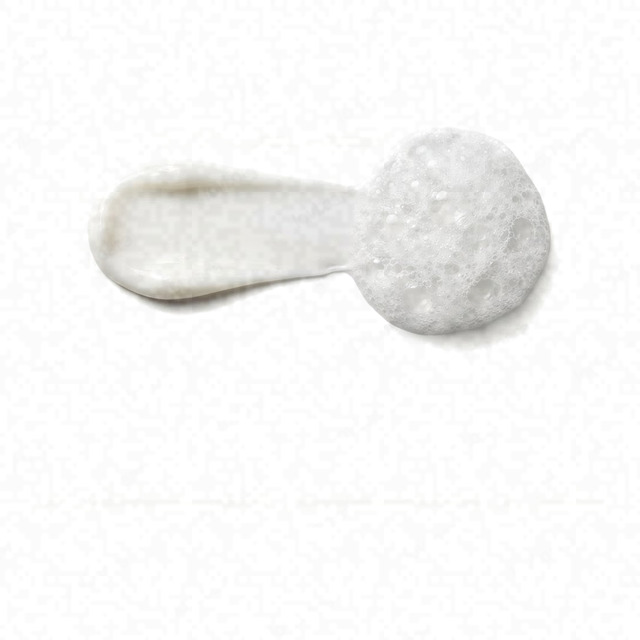 Sodium Laureth Sulfate
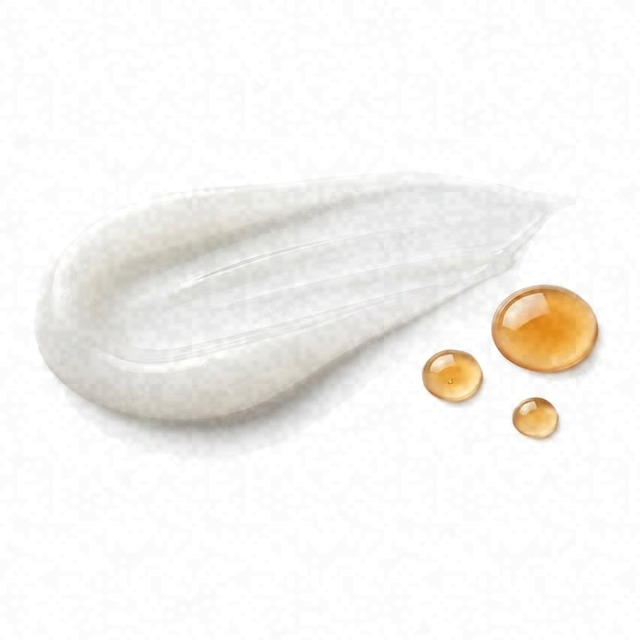 Cocamidopropyl Betaine
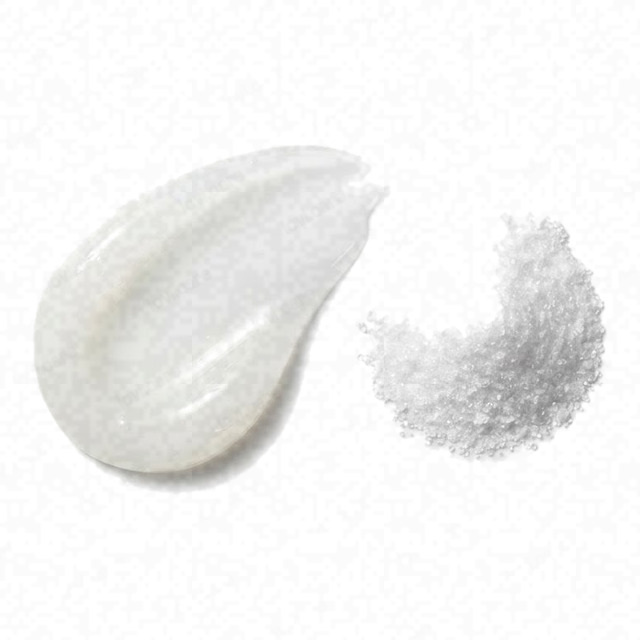 Zinc Pca
Average
- HighOily Skin Fit
- AverageEffectiveness
- HighSafety
Works for oily acne-prone skin; other cleansers fit it better.
This fit is calculated for the concerns frequently associated with oily acne-prone skin: shine, breakouts, blemishes, and enlarged pores. For scores and recommendations based on your full skin profile, including your 12D face scan results and any goals or preferences you have, please use the Lovi app.
Page built Nov 8, 2026How the Fit score works
Lovi Assistant explains
- Offers moderate cleansing for your oily skin, as Sodium Laureth Sulfate and Zinc PCA work to cleanse pores and regulate oil production.
- While beneficial for general oiliness, the formula lacks specialized ingredients like salicylic acid to directly address your acne, blemishes, and breakouts.
- The product is safe for your oily skin, with no risks of irritation due to the absence of harsh or prohibited ingredients.
How to apply
- Use this cleanser as part of your AM and PM routine. Start using it daily to help clear your breakouts.
- Apply this cleanser as the first step in the morning and right after your pre-cleanser in the evening. Follow it with your toner and moisturizer.
- Gently massage a small amount of the cleanser onto your face using circular motions. Rinse thoroughly with lukewarm water and pat dry.
- Apply the cleanser on slightly damp skin to help clean deeply and remove excess oil. This works best for oily skin types.
- Avoid the sensitive eye area during application. Do a patch test before your first use.
People Say
★4.5Overall rating based on 2.1k+ reviewsBased on a very large amount of data, this cleanser is highly recommended for oily and acne-prone skin, effectively managing sebum and preventing breakouts without pore blockage. However, users with dry or sensitive skin frequently report it can be too stripping, potentially leading to tightness or dehydration if not followed by moisturizer.
Highlights
Controls excess oil Mostly Mentioned
- “keeps oil at bay”
- “cuts through grease”
- “skin stays matte longer”
- “perfect for summer oiliness”
Deep clean feeling Mostly Mentioned
- “squeaky clean feel”
- “pores feel breathable”
- “removes all impurities”
- “refreshing after a long day”
Clears acne and blemishes Often Mentioned
- “cleared my cystic acne”
- “stopped hormonal breakouts”
- “reduced pimple size”
- “skin looks much clearer”
Drying and stripping Often Mentioned
- “left my face tight”
- “stripped my natural oils”
- “too drying for winter”
- “caused flaky patches”
Efficient lather Sometimes Noted
- “a little goes a long way”
- “foams up beautifully”
- “rich lather”
- “bottle lasts for months”
Not for dry skin Sometimes Noted
- “made my dry skin worse”
- “avoid if you are dry”
- “sucked all moisture out”
- “clings to dry patches”
Strong fragrance Sometimes Noted
- “smells like cheap soap”
- “fragrance is too strong”
- “perfumey scent lingers”
- “scent gave me a headache”
Irritation on sensitive areas Rarely Noted
- “burned my eyes”
- “stung my sensitive cheeks”
- “caused redness”
- “irritated my skin barrier”
Sources: lovi.care, ulta.com, boots.com, lovelyskin.com, dermstore.com, target.com, and more
Questions and answers
How well does La Roche-Posay Effaclar Purifying Foaming Gel work for oily acne-prone skin?
This cleanser works well for general oiliness by cleansing pores and regulating oil, but it is only an average fit because it lacks specialized ingredients like salicylic acid to directly address acne and breakouts. A product of this type needs soothing and effective ingredients like salicylic acid, niacinamide, and ceramides to provide excellent benefits for acne and oily skin without causing excess dryness or irritation.
Which ingredients make this cleanser a good fit for oily acne-prone skin?
Sodium Laureth Sulfate and Zinc PCA make this cleanser a good fit because they clean out pores and help control extra oil on your face. However, a cleanser for this skin needs soothing ingredients like niacinamide and ceramides, or probiotics and salicylic acid, to truly clear breakouts without drying you out.
What does Sodium Laureth Sulfate do for oily acne-prone skin?
Sodium laureth sulfate helps clean away excess oil, but it may dry out the skin and disrupt its natural protective barrier. This type of ingredient tends to cause irritation, so oily and acne-prone skin needs a cleanser formulated with much milder detergents, soothing moisture-boosting ingredients, and a skin-friendly pH that protects the barrier while it cleans.
What does Cocamidopropyl Betaine do for oily acne-prone skin?
Cocamidopropyl betaine is a cleansing ingredient that helps wash away dirt and excess oil from oily, acne-prone skin, though it may occasionally cause skin irritation or allergic reactions in some people. This type of skin needs gentle cleansers and oil-reducing ingredients that clear pores while keeping the skin barrier healthy and calm.
Where does this cleanser go in a skincare routine for oily acne-prone skin?
This cleanser fits into both your morning and evening skincare routines, where it helps clean pores and manage oil. However, because it lacks ingredients like salicylic acid to directly target breakouts, an oily acne-prone skin routine of this type needs a dedicated treatment containing exfoliating acids or specialized blemish-fighting ingredients.
Can I use this cleanser with retinol, and in what order?
You can use this cleanser with retinol, applying it before your retinol step to wash your face while keeping your skin calm. This type of routine works best for acne-prone skin when it includes targeted ingredients like salicylic acid to directly address breakouts.
How often should I use this cleanser?
You can use this cleanser daily in your morning and evening routines. It cleanses pores and helps manage oil, though oily acne-prone skin also needs specialized ingredients like salicylic acid to directly target breakouts.
Can this cleanser clog pores, cause breakouts or purging for oily acne-prone skin?
This cleanser is unlikely to clog pores or cause breakouts because it safely washes away excess oil, though it also lacks targeted ingredients like salicylic acid to actively clear existing acne. An oily acne-prone skin type needs cleansers with pore-clearing acids to properly manage breakouts.
Can I use this cleanser around the eyes or on my body?
You can use this cleanser on your body and around the eyes, as it is safe and unlikely to cause irritation on these areas. However, because skin thickness varies across different body parts, with the eyelid being one of the thinnest regions, you should use it gently to avoid any discomfort.
Is this cleanser fragrance-free and alcohol-free?
Yes, it has no fragrance and no drying alcohol.
What the research says
Sodium dodecyl sulfate (SDS) treatment decreases lipid membrane chain conformational order and stiffness leading to increased water sorption and diffusivity, whereas sodium lauryl ether sulfate (SLES) treatment increases lipid membrane conformational order and stiffness with increased water sorption capacity driven by its hygroscopic nature.
Langmuir, 2014The cytotoxic effect of sodium lauryl sulphate on normal human keratinocytes was significantly decreased when combined with cocamidopropyl betaine, Tween 20, and Tween 80 at concentrations well below the critical micelle concentration.
Skin Pharmacology and Applied Skin Physiology, 2003Zinc PCA inhibits UVA-induced matrix metalloproteinase-1 production through suppressed AP-1 activation and enhances type I collagen synthesis by increasing SVCT2 mRNA expression in cultured normal human dermal fibroblasts.
International Journal of Cosmetic Science, 2012
Why other cleansers fit oily acne-prone skin better
Topical application of Lactobacillus plantarum-GMNL6 enhanced collagen synthesis and SPTSSA gene expression while reducing melanin synthesis, Staphylococcus aureus biofilm, and Cutibacterium acnes proliferation, leading to clinical improvements in skin moisture, color, spots, wrinkles, UV spots, and porphyrins in human volunteers.
International Journal of Medical Sciences, 2021A panthenol-enriched mask improved skin hydration, regulated sebum, and reduced redness and TEWL across dry sensitive, oily sensitive, and oily acne skin subgroups with excellent tolerance and no adverse reactions.
Journal of Cosmetic Dermatology, 2024A novel emulsion containing niacinamide, lens esculenta seed extract, and white willow bark extract effectively improved acne, blackheads, and conspicuous facial pores in 30 subjects with oily skin.
Journal of Cosmetic Dermatology, 2024
Ingredients
Water, Sodium Laureth Sulfate, Cocamidopropyl Betaine, Peg-120 Methyl Glucose Dioleate, Zinc Pca, Sodium Chloride, Citric Acid, Sodium Benzoate, Phenoxyethanol, Caprylyl Glycol
Behind this fit score
Lovi calculates every fit score from the full ingredient list with brand-independent rules our dermatologists and cosmetic chemists build and review, and personalizes every pick with AI trained on the real results of millions of users. Lovi trains its fit score models on a proprietary dataset built from more than 10,000 expert-labeled products and more than 100,000 simulated examples, following an internally consistent methodology presented at Cosmoprof, AMWC, and Skin of Color Update.
-

Co-founder, Medical Director
Cosmetic chemist, cosmetologist, aesthetic products developer
-

Co-founder, CEO and CTO
PhD in computer science, 3x US patent holder, ex-Google, ex-Yandex
-

Dr. Sofía Perea Pérez, MD, MSc
Medical Board
Aesthetic medicine practitioner, MSc in Longevity and Anti-Aging Medicine
-

Medical Board
Specialist dermatologist, MBBS, MD, IFAAD
-

Medical Board
Cosmetic chemist, SCS, IFSCC member
-

Medical Board, Medical Advisor
Dermatology MD
-

Elina Nazarenko, MD
Medical Board
Dermatology and diagnostic consultant
-

Victoria Derkova, MS
Medical Board
Cosmetic chemist, cosmetic development technologist


How does it fit your skin?
Scan your face, then any product: Lovi shows how well it fits you and what fits even better.