La Roche-Posay Anthelios UV Hydra Daily Invisible Sunscreen SPF 50 for dry sensitive skin

 Sodium Hyaluronate
 Avobenzone
 Cell-Ox Shield Technology
 Tocopherol Vitamin E
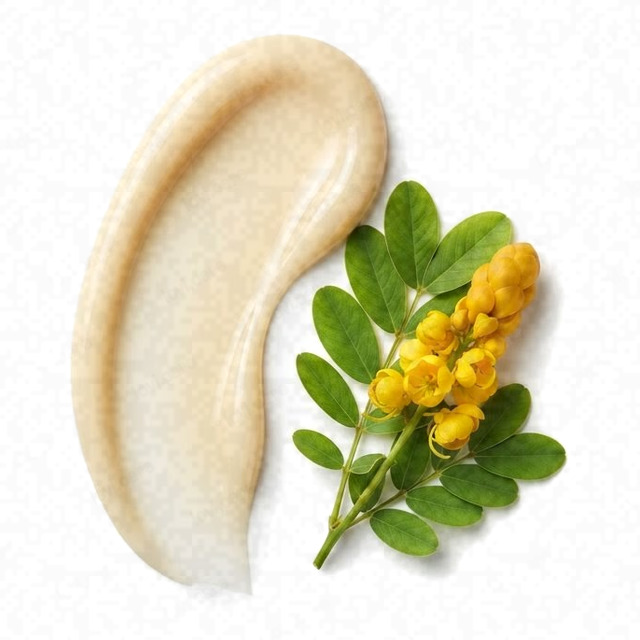 Cassia Alata Leaf Extract
High
- HighDry Skin Fit
- HighEffectiveness
- ExcellentSafety
A great choice for dry sensitive skin; a few sunscreens fit it even better.
- Clinical, Cosmetic and Investigational Dermatology, 2017
- The Journal of Dermatological Treatment, 2017
This fit is calculated for the concerns frequently associated with dry sensitive skin: flakiness, tightness, redness, fine lines, and wrinkles. For scores and recommendations based on your full skin profile, including your 12D face scan results and any goals or preferences you have, please use the Lovi app.
Page built Nov 8, 2026How the Fit score works
Lovi Assistant explains
- Highly suitable for your dry skin, this sunscreen leverages glycerin and sodium hyaluronate for effective humectant action, while panthenol aids in repairing your skin barrier.
- The inclusion of avobenzone and homosalate provides excellent UV protection, addressing your need for sun defense without compromising your dry and sensitive skin.
- The safety profile is excellent, with no risks of irritation due to the absence of harsh ingredients and the presence of soothing components.
How to apply
- Use this moisturizing sunscreen daily in your morning routine. Reapply every two hours if you are staying outdoors.
- Apply this product at the very end of your morning routine right after your regular moisturizer.
- Gently pat a nickel-sized amount of the moisturizing sunscreen evenly across your face and neck.
- Apply this product onto clean, dry skin before you go outside into the sun.
- Avoid the immediate eye area and do a patch test before your first use to check for sensitivity.
People Say
★4.7Overall rating based on 1000+ reviewsUsers with dry to combination skin highly praise this sunscreen for its hydrating properties and invisible finish that leaves no white cast, even on darker skin tones. While it is celebrated for being lightweight and non-irritating for sensitive eyes, those with oily skin sometimes find the "dewy" finish too shiny or greasy for their preference.
Highlights
Hydrating and dewy Often Mentioned
- “leaves a dewy glow”
- “skin looked healthy”
- “hydrating and silky”
- “plump and glowing”
Lightweight texture Often Mentioned
- “barely-there texture”
- “absorbs quickly”
- “lightweight”
- “feels like a milky lotion”
No white cast Often Mentioned
- “blends invisibly”
- “no white cast”
- “great for dark skin”
- “transparent on African American skin”
Makeup compatible Sometimes Noted
- “prepped skin for makeup”
- “sits nicely under foundation”
- “no pilling”
- “works as a primer”
Non-irritating Sometimes Noted
- “no stinging my eyes”
- “good for sensitive skin”
- “no sunscreen smell”
- “gentle on face”
Shiny or greasy finish Sometimes Noted
- “gives a little shine”
- “too glowy for oily skin”
- “looks greasy”
- “face looked sweaty”
Expensive price point Rarely Noted
- “a bit pricy”
- “expensive for the size”
- “wish it was cheaper”
- “pricey but worth it”
Pilling issues Rarely Noted
- “pilled with my moisturizer”
- “balled up under makeup”
- “weird mixing with concealer”
Runny consistency Rarely Noted
- “super runny”
- “very liquid texture”
- “drips easily”
- “thin consistency”
Tacky feel Rarely Noted
- “tacky after 20 minutes”
- “sticky finish”
- “took long to dry down”
Sources: lovi.care, laroche-posay.us, ulta.com, lovelyskin.com, refinery29.com, target.com, and more
Questions and answers
What makes Anthelios UV Hydra Daily Invisible Sunscreen SPF 50 a great fit for dry sensitive skin?
This sunscreen is a great fit because it uses glycerin and sodium hyaluronate to boost skin hydration while panthenol helps repair and soothe your delicate skin barrier. It also provides strong UV defense without any harsh ingredients, meaning it is unlikely to cause irritation.
Clinical, Cosmetic and Investigational Dermatology, 2017The Journal of Dermatological Treatment, 2017
Which ingredients make this sunscreen a good fit for dry sensitive skin?
This sunscreen is a great fit for your dry sensitive skin because it uses sodium hyaluronate and glycerin to draw in moisture, and panthenol to help repair your skin barrier. It also includes soothing components that create a very safe experience with no irritation, while giving you reliable sun defense.
Clinical, Cosmetic and Investigational Dermatology, 2017The Journal of Dermatological Treatment, 2017
What does Hyaluronic Acid do for dry sensitive skin?
Hyaluronic acid is a great fit for dry, sensitive skin because it brings a large boost in hydration, making the skin feel soft and smooth while improving barrier function. It helps calm tightness and dryness, and is unlikely to cause irritation.
Journal of Drugs in Dermatology, 2011Dermatology and Therapy, 2021
What does Avobenzone do for dry sensitive skin?
Avobenzone provides protection from the sun's UVA rays, but for dry sensitive skin, it can sometimes cause irritation or allergic reactions as it breaks down in sunlight. This type of skin needs a sunscreen with soothing ingredients and physical blockers that sit on the skin without causing redness or stinging.
Toxicology in Vitro, 2018Chemical Research in Toxicology, 2009
Where does this sunscreen go in a skincare routine for dry sensitive skin?
This moisturizing sunscreen goes as the last step in your morning routine after a cleanser and soothing toner. It helps protect your skin from UV rays while keeping it comfortable and hydrated.
Can I use this sunscreen with retinol, and in what order?
You can use this sunscreen in the morning as the final step of your daytime routine after applying retinol the night before. This product is a great fit for your dry sensitive skin because it provides strong sun defense while keeping your skin calm and comfortable.
How often should I use this sunscreen?
This sunscreen is designed for daily morning use as part of your routine. Applying it regularly helps keep your skin protected from the sun while maintaining moisture and comfort throughout the day.
Health Science Reports, 2021Clinical, Cosmetic and Investigational Dermatology, 2017
Can this sunscreen clog pores, cause breakouts or purging for dry sensitive skin?
This sunscreen is unlikely to clog pores or cause breakouts on dry sensitive skin. It features a safe formula with soothing ingredients that protect against the sun without causing irritation.
Is this sunscreen fragrance-free and alcohol-free?
Yes, it has no fragrance and no drying alcohol. Cetearyl alcohol is a fatty alcohol, which soften the skin.
What the research says
A single application of a moisturizing fluid containing hyaluronic acid 1%, glycerin 5%, and Centella asiatica stem cells extract significantly increased skin hydration by 29% and reduced transepidermal water loss at 24 hours compared to baseline and an untreated control site in twenty healthy women.
Clinical, Cosmetic and Investigational Dermatology, 2017A new topical panthenol-containing emollient significantly improved transepidermal water loss reduction, stratum corneum hydration, and intercellular lipid lamellae length compared with control in healthy subjects without negatively impacting bacterial viability.
The Journal of Dermatological Treatment, 2017Topical dexpanthenol acts as a moisturizer, improves stratum corneum hydration, accelerates wound healing and epidermal regeneration, reduces erythema, and improves symptoms of skin irritation compared to vehicle or no pretreatment.
American Journal of Clinical Dermatology, 2002Chemical sunscreens containing avobenzone, octocrylene, homosalate, and octisalate showed no to minimal risks of dermal irritation, sensitization, photo-allergy, and photo-irritation in human subjects.
Journal of Drugs in Dermatology, 2025A panthenol-enriched mask significantly decreased erythema and hyperpigmentation, increased sebum and stratum corneum moisture, and reduced transepidermal water loss compared to a saline dressing in 60 subjects undergoing facial laser treatment.
Journal of Cosmetic Dermatology, 2025Topical application of 0.1% hyaluronic acid formulations of different molecular weights led to significant improvements in skin hydration and elasticity, with low-molecular-weight formulations also significantly reducing wrinkle depth in seventy-six female subjects compared to a vehicle control.
Journal of Drugs in Dermatology, 2011Topical application of hyaluronic acid in conjunction with free gingival graft significantly reduced donor site postoperative pain until day 7 compared to normal saline, with no significant differences in graft dimensions or patient satisfaction.
Clinical Oral Investigations, 2022Treatment with a hyaluronic acid-containing mouth rinse or topical gel led to significant lesion reduction, pain relief, and normalization of lesion color in adult patients with minor recurrent aphthous stomatitis, with the gel formulation showing an earlier healing onset at 3 days.
BMC Oral Health, 2019Encapsulation of ethylhexyl methoxycinnamate and butyl methoxydibenzoylmethane in lipid microparticles significantly reduced their in vivo human skin penetration compared to nonencapsulated filters.
Skin Pharmacology and Physiology, 2011Microencapsulation of the BMDBM/HP-beta-CD complex in lipid microparticles significantly decreased the percutaneous penetration of the UV filter into the stratum corneum of human volunteers compared to the non-encapsulated sunscreen agent.
Journal of Pharmaceutical and Biomedical Analysis, 2011Following human skin application of an O/W emulsion containing 2% BMDBM loaded in lipospheres, 15% of the sunscreen accumulated in the uppermost layers of the stratum corneum without remarkably modifying skin permeation compared to unencapsulated sunscreen.
Skin Pharmacology and Physiology, 2008Sunscreens containing Mexoryl SX provide superior protection against UVA- and solar-simulated radiation-induced biological damage, including pigmentation, DNA damage, immune suppression, and dermal alterations, compared to formulations without it in human volunteers and patients.
Photodermatology, Photoimmunology & Photomedicine, 2008Mexoryl SX (5%) efficiently prevents UVA-induced skin alterations including pigmentation, stratum corneum thickening, and protein expression changes in human skin.
Journal of Photochemistry and Photobiology. B, Biology, 1998Topical application of both a UVB absorber and a broad-spectrum Mexoryl SX sunscreen effectively prevented UVB-induced damage in in vitro reconstructed human skin, whereas only the Mexoryl SX-containing preparation successfully prevented UVA-specific dermal fibroblast disappearance.
Photochemistry and Photobiology, 2000Topical application of an antioxidant serum containing 15% ascorbic acid, 0.5% ferulic acid, and 1% tocopherol prevented particulate matter-induced degradation of extracellular matrix components, inflammation, and oxidative stress in the skin of 15 female volunteers compared to untreated controls.
Journal of Cosmetic Dermatology, 2025Dermatological products containing d-alpha tocopheryl acetate showed non-comedogenic potential with less than a 50% increase in microcomedones in 12 healthy male subjects compared to octyl palmitate.
Contemporary Clinical Trials Communications, 2021Topical application of an antioxidant mix containing 15% ascorbic acid, 0.5% ferulic acid, and 1% tocopherol prevented PM and UV-induced skin barrier perturbation, lipid peroxidation, inflammatory markers, MMP9 activation, and Type I collagen loss in 15 healthy females compared to untreated exposed skin.
Journal of Cosmetic Dermatology, 2024
Ingredients
Avobenzone, Homosalate, Octisalate, Octocrylene, Water, Glycerin, C15-19 Alkane, Propanediol, C12-22 Alkyl Acrylate, Panthenol, Tocopherol, Sodium Stearoyl Glutamate, Cetearyl Alcohol, Sclerotium Gum, Hydroxyacetophenone, Caprylyl Glycol, Sodium Octenylsuccinate Starch, Glyceryl Stearate, Jojoba Esters, Helianthus Annuus Wax Seed Sunflower Wax Seed, Hydroxypropyl Phosphate Starch, Trisodium Ethylenediamine Disuccinate, Sodium Hyaluronate, Pentylene Glycol, Diethylhexyl Syringylidenemalonate, Cassia Alata Leaf Extract, Maltodextrin, Citric Acid, Caprylic, Polyglycerin-3
Behind this fit score
Lovi calculates every fit score from the full ingredient list with brand-independent rules our dermatologists and cosmetic chemists build and review, and personalizes every pick with AI trained on the real results of millions of users. Lovi trains its fit score models on a proprietary dataset built from more than 10,000 expert-labeled products and more than 100,000 simulated examples, following an internally consistent methodology presented at Cosmoprof, AMWC, and Skin of Color Update.
-

Co-founder, Medical Director
Cosmetic chemist, cosmetologist, aesthetic products developer
-

Co-founder, CEO and CTO
PhD in computer science, 3x US patent holder, ex-Google, ex-Yandex
-

Dr. Sofía Perea Pérez, MD, MSc
Medical Board
Aesthetic medicine practitioner, MSc in Longevity and Anti-Aging Medicine
-

Medical Board
Specialist dermatologist, MBBS, MD, IFAAD
-

Medical Board
Cosmetic chemist, SCS, IFSCC member
-

Medical Board, Medical Advisor
Dermatology MD
-

Elina Nazarenko, MD
Medical Board
Dermatology and diagnostic consultant
-

Victoria Derkova, MS
Medical Board
Cosmetic chemist, cosmetic development technologist


How does it fit your skin?
Scan your face, then any product: Lovi shows how well it fits you and what fits even better.