
Kopari Bright As Day Sheer Mineral Sunscreen

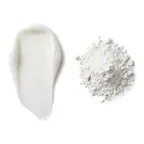 Zinc Oxide
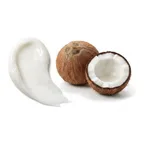 Coconut Oil
 Hyaluronic Acid
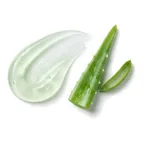 Aloe Barbadensis Leaf Juice
 Tocopherol Vitamin E
Zinc oxide, hyaluronic acid, and coconut oil protect against UV rays, hydrate, and nourish, so it suits dry skin, sensitive skin, mature skin, and dry sensitive skin best. For skin that needs oil control, sunscreens with niacinamide get higher fit scores. Where to buy in the US: Amazon.com, $26.60.
Each fit is calculated for the concerns frequently associated with that skin type. For scores and recommendations based on your full skin profile, including your 12D face scan results and goals, use the Lovi app.
Updated How the Fit score works
Where it fits best and least
Best fit Superior
Dry Skin, Sensitive Skin, Mature Skin, Dry Sensitive Skin
One of the best sunscreens for dry skin.
- Excellent suitability for your dry skin as glycerin and hyaluronic acid provide superior humectant action, while coconut oil and caprylic capric triglyceride offer emollient benefits to combat dryness and flakiness.
Lowest fit High
Oily Skin, Combination Skin, Acne-Prone Skin, Skin with Dark Spots, Oily Acne-Prone Skin
A great choice for oily skin; a few sunscreens fit it even better.
- Highly suitable for your oily skin as zinc oxide effectively mattifies and controls oil, while glycerin balances moisture without adding excess oil.
Buy online

Prices checked 22 Nov 2026
How to apply
- Apply this sunscreen during your AM routine every single day. Reapply every two hours if you are staying outdoors.
- Apply the sunscreen as the final step of your morning skincare routine after your moisturizer. Allow your moisturizer to absorb fully before putting it on.
- Squeeze a generous amount and pat it gently all over your face and neck. Avoid rubbing the product harshly into your skin.
- Avoid getting the product directly into your eyes and stop using it if any irritation occurs.
Questions and answers
What makes Kopari Bright As Day Sheer Mineral Sunscreen one of the best fits for dry skin?
This sunscreen is one of the best fits for dry skin because glycerin and hyaluronic acid draw in moisture, while coconut oil and caprylic capric triglyceride smooth away dryness and flakiness. Soothing aloe vera and vitamin E help calm your skin, and the zinc oxide protects it from UV rays.
What makes Kopari Bright As Day one of the best sunscreen fits for dry sensitive skin?
This sunscreen is one of the best fits for your dry sensitive skin because zinc oxide protects you from the sun while hyaluronic acid, glycerin, and coconut oil deliver deep hydration to stop dryness and flakiness. At the same time, aloe vera and vitamin E calm and protect your skin without causing any irritation.
What makes Kopari Bright As Day Sheer Mineral Sunscreen a great fit for oily skin?
This sunscreen is a great fit for your oily skin because zinc oxide helps control oil and shine, while glycerin balances your moisture without making you greasy. Hyaluronic acid and aloe juice add light hydration and soothe your skin safely without causing irritation.
Clinical, Cosmetic and Investigational Dermatology, 2017Journal of Controlled Release, 2025
What makes Kopari Bright As Day a great fit for acne-prone skin?
This sunscreen is a great fit because it uses zinc oxide to calm breakouts and blemishes, while hyaluronic acid and glycerin add lightweight hydration. Coconut oil, vitamin E, and aloe vera further nourish the skin and keep irritation away.
Clinical, Cosmetic and Investigational Dermatology, 2017Journal of Controlled Release, 2025
Is this sunscreen fragrance-free and alcohol-free?
Yes, it has no fragrance and no drying alcohol. Cetearyl alcohol is a fatty alcohol, which soften the skin.
What makes Kopari Bright As Day Sheer Mineral Sunscreen one of the best fits for sensitive skin?
This sunscreen is one of the best fits for sensitive skin because zinc oxide and aloe barbadensis leaf juice provide soothing and anti-inflammatory benefits that help calm redness and irritation. Hyaluronic acid and glycerin further enhance hydration, while tocopherol vitamin E offers antioxidant protection. The product is safe for sensitive skin as it contains no harsh ingredients.
Clinical, Cosmetic and Investigational Dermatology, 2017Clinical Pharmacology, 2018
What makes Kopari Bright As Day Sheer Mineral Sunscreen a great fit for combination skin?
This sunscreen is a great fit because zinc oxide controls oil and mattifies shine, while hyaluronic acid and glycerin deliver essential hydration without clogging oily areas. It also features soothing aloe vera and nourishing coconut oil to keep combination skin comfortable and safe from irritation.
What makes Kopari Bright As Day a great fit for oily acne-prone skin?
This sunscreen is a great fit for your oily, acne-prone skin because it uses zinc oxide to control oil and calm breakouts without adding greasiness. It also features soothing ingredients like aloe and vitamin E that are very unlikely to cause irritation.
What makes Kopari Bright As Day Sheer Mineral Sunscreen one of the best fits for mature skin?
This sunscreen is one of the best fits for mature skin because it uses hydrating hyaluronic acid and glycerin to address fine lines, while zinc oxide provides superior UV protection. Soothing aloe and vitamin E further enhance skin health by offering antioxidant benefits with an exceptionally safe profile. These ingredients help keep mature skin feeling soft and smooth while protecting it from the sun.
Dermatologic Therapy, 2022Journal of Cosmetic Dermatology, 2022
What makes Kopari Bright As Day Sheer Mineral Sunscreen a great fit for skin with dark spots?
This sunscreen is a great fit because Zinc Oxide and Tocopherol Vitamin E protect against UV rays and address dark spots, while Hyaluronic Acid and Glycerin keep your skin hydrated. It is exceptionally safe and soothing for daily use, helping to prevent irritation while defending your skin.
Clinical, Cosmetic and Investigational Dermatology, 2017Journal of Cosmetic Dermatology, 2022
What the research says
A single application of a moisturizing fluid containing hyaluronic acid 1%, glycerin 5%, and Centella asiatica stem cells extract significantly increased skin hydration by 29% and reduced transepidermal water loss at 24 hours compared to baseline and an untreated control site in twenty healthy women.
Clinical, Cosmetic and Investigational Dermatology, 2017Topical 0.5% hyaluronic-ZnO nanogel applied twice daily reduced inflammatory-lesion counts by 58% at week four in human subjects compared to baseline without causing erythema.
Biomedicines, 2025Daily use of a deep cleansing gel containing salicylic acid 2%, zinc gluconate 0.2% and lipohydroxy acid 0.05% significantly reduced total lesion count by 56.3% after 84 days in 35 subjects with mild to moderate truncal acne.
Clinical, Cosmetic and Investigational Dermatology, 2023Topical zinc oxide nanogels formulated using Dendrobium anosmum showed greater effectiveness against Gram-positive acne-causing bacteria compared to chemogenic nanoparticles.
Molecules, 2023Topical application of 0.1% hyaluronic acid formulations of different molecular weights led to significant improvements in skin hydration and elasticity, with low-molecular-weight formulations also significantly reducing wrinkle depth in seventy-six female subjects compared to a vehicle control.
Journal of Drugs in Dermatology, 2011Topical hyaluronic acid serum used twice daily by 40 females with facial photoaging produced an immediate 134% increase in skin hydration, a sustained 55% increase at week 6, and significant improvements in smoothness, plumping, fine lines, wrinkles, and global appearance without causing irritation.
Dermatology and Therapy, 2021A topical antioxidant serum significantly reduced air pollution-induced skin pigmentation and proinflammatory gene expression ex vivo, and improved skin aging signs in 40 healthy adult females after 90 days of daily use.
Journal of Cosmetic Dermatology, 2022A cream combining propolis, tea tree oil, and Aloe vera reduced erythema scars, acne severity index, and total lesion count better than erythromycin cream in sixty patients with mild to moderate acne vulgaris compared to placebo.
Clinical Pharmacology, 2018Formulations containing 0.10%, 0.25%, and 0.50% freeze-dried Aloe vera extract increased stratum corneum water content compared with the vehicle in 20 female subjects, while transepidermal water loss was not modified.
Skin Research and Technology, 2006Kombucha-mediated fermentation of aloe vera gel for 10 and 20 days enhanced its phenolic and flavonoid content, antioxidant capacity, cytoprotective effects, enzyme inhibition against collagenase, elastase, and hyaluronidase, and moisturizing properties compared to unfermented gel.
Molecules, 2025A topical serum containing vitamin C, vitamin E, and raspberry leaf cell culture extract improved skin color, elasticity, radiance, smoothness, scaliness, and wrinkles compared to the untreated contralateral side in fifty female volunteers.
Journal of Cosmetic Dermatology, 2020A nighttime topical antioxidant containing resveratrol, baicalin, and vitamin E significantly improved fine lines, wrinkles, firmness, elasticity, laxity, hyperpigmentation, radiance, roughness, and dermal thickness in subjects with mild to moderately photodamaged skin over 12 weeks.
Journal of Drugs in Dermatology, 2014Tocopherol succinate-loaded ethosomal gel increased skin deposition, stability, moisture, and mechanical properties in 13 human subjects compared to a control gel over 12 weeks.
Journal of Cosmetic Dermatology, 2022Aloe vera gel phenolic and polysaccharide extracts demonstrated distinct wound-healing properties in vitro, with the phenolic extract exhibiting anti-inflammatory, antioxidant, and fibroblast-stimulating effects, and the polysaccharide extract showing enhanced collagen synthesis and antibacterial activity against Staphylococcus aureus.
Journal of Functional Biomaterials, 2024Small extracellular vesicles derived from Aloe vera peels exhibited antioxidant activity, reduced intracellular ROS levels, enhanced human skin cell migration, and upregulated antioxidant-related gene expression in H2O2-treated human keratinocytes.
Tissue Engineering and Regenerative Medicine, 2021Daily use of multi-weight hyaluronic acid plus antioxidant complex-based topical formulations significantly improved skin moisturization within 30 minutes and reduced dryness, roughness, fine lines, and wrinkles as early as two weeks compared to baseline.
The Journal of Clinical and Aesthetic Dermatology, 2024Hydrogels containing vitamin E-loaded nanostructured lipid carriers exhibited better occlusive properties and long-lasting effects, while vitamin E-loaded nanoemulsions performed a faster skin hydration effect and were selected as more attractive for skin application.
Colloids and Surfaces. B, Biointerfaces, 2019Biomimetic hyaluronic acid-stabilized zinc oxide nanoparticles selectively inhibited C. acnes, outperformed erythromycin in preclinical acne models, and safely reduced acne lesions and redness in a clinical trial.
Journal of Controlled Release, 2025Topical application of an emollient emulsion containing 15.0% caprylic/capric triglyceride doubled the amount of urocanic acid isomers and increased skin hydration with reduced transepidermal water loss in healthy subjects, though it did not prevent ultraviolet-induced urocanic acid isomerization.
Life, 2023Cosmetic eye and facial creams containing palmitoyl peptides, Silybum marianum seed oil, and vitamin E improve facial wrinkles, elasticity, dermal density, and skin tone in healthy volunteers with aged skin after 4 weeks of application compared to pre-application.
Experimental and Therapeutic Medicine, 2016Topical hyaluronic acid filler serum combined with Botulinum toxin type A lengthened the duration of the toxin's effect in reducing wrinkles compared to Botulinum toxin type A alone.
Dermatologic Therapy, 2022Topical application of tocopherol succinate ethosomal gel decreased erythema, melanin, and sebum levels while improving moisture content and skin elasticity in 34 human women.
Journal of Cosmetic Dermatology, 2024
Ingredients
Zinc Oxide, Water, Coco-Caprylate Caprate, Cetearyl Alcohol, Glycerin, Coconut Oil, Cetearyl Glucoside, Caprylic Capric Triglyceride, Glyceryl Stearate, Sodium Stearoyl Glutamate, Tocopherol Vitamin E, Aloe Barbadensis Leaf Juice, Hyaluronic Acid, Sodium Phytate, Xanthan Gum, Citric Acid, Phenoxyethanol, Ethylhexylglycerin
Behind these fit scores
Lovi calculates every fit score from the full ingredient list with brand-independent rules our dermatologists and cosmetic chemists build and review, and personalizes every pick with AI trained on the real results of millions of users. Lovi trains its fit score models on a proprietary dataset built from more than 10,000 expert-labeled products and more than 100,000 simulated examples, following an internally consistent methodology presented at Cosmoprof, AMWC, and Skin of Color Update.
-

Co-founder, Medical Director
Cosmetic chemist, cosmetologist, aesthetic products developer
-

Co-founder, CEO and CTO
PhD in computer science, 3x US patent holder, ex-Google, ex-Yandex
-

Dr. Sofía Perea Pérez, MD, MSc
Medical Board
Aesthetic medicine practitioner, MSc in Longevity and Anti-Aging Medicine
-

Medical Board
Specialist dermatologist, MBBS, MD, IFAAD
-

Medical Board
Cosmetic chemist, SCS, IFSCC member
-

Medical Board, Medical Advisor
Dermatology MD
-

Elina Nazarenko, MD
Medical Board
Dermatology and diagnostic consultant
-

Victoria Derkova, MS
Medical Board
Cosmetic chemist, cosmetic development technologist


How does it fit your skin?
Scan your face, then any product: Lovi shows how well it fits you and what fits even better.