innisfree Cherry Blossom Glow Jelly Cream for acne-prone skin

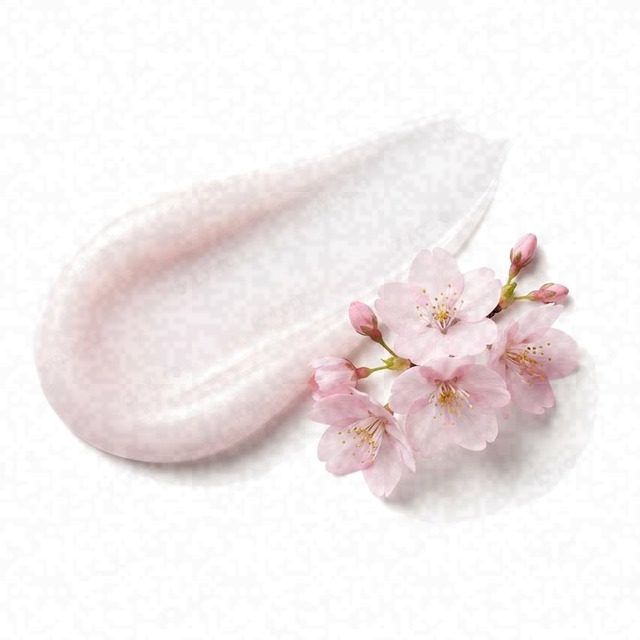 Cherry Blossom Extract
 Niacinamide
 Glycerin
 Betaine
 Tocopherol
Average
- AverageCombination Skin Fit
- AverageEffectiveness
- Low RiskSafety
Works for acne-prone skin; other moisturizers fit it better.
- Clinical, Cosmetic and Investigational Dermatology, 2017
- International Journal of Cosmetic Science, 2024
This fit is calculated for the concerns frequently associated with acne-prone skin: breakouts, blackheads, and post-acne marks. For scores and recommendations based on your full skin profile, including your 12D face scan results and any goals or preferences you have, please use the Lovi app.
Page built Nov 8, 2026How the Fit score works
Lovi Assistant explains
- Offers excellent moisturizing for your combination skin due to glycerin and propanediol, which hydrate and plump, but these ingredients offer minimal support for your acne, blemishes, and breakouts.
- While it provides moderate suitability for combination skin with humectant action, it lacks sufficient ingredients for optimal oil control on your oily areas.
- The product is generally safe for your combination skin, though the presence of fragrance carries a slight risk of irritation.
How to apply
- Use your moisturizer twice a day in your AM and PM routines. Apply it daily to help keep breakouts under control.
- Apply after your cleanser and toner, and make sure to use your SPF right after in the morning.
- Gently spread a small amount of moisturizer over your face using soft motions. Let it absorb into the skin for a minute before getting dressed or applying makeup.
- Apply on slightly damp skin to help lock in extra moisture. This keeps your combination skin balanced without feeling heavy.
- Avoid the eye area and do a patch test before your first use. Stop using if you feel any irritation.
People Say
★4.0Overall rating based on 3.3k+ reviewsBased on a very large amount of data, this lightweight jelly moisturizer is highly praised by users with oily and combination skin for providing a refreshing, non-greasy feel and a radiant "glass skin" finish. However, users with dry skin frequently find it lacks sufficient hydration, and the strong floral fragrance is a common concern for those with sensitive skin.
Highlights
Glow and radiance Mostly Mentioned
- “gives major glow”
- “glass skin effect”
- “leaves a beautiful radiance”
Lightweight jelly texture Mostly Mentioned
- “featherweight moisturizer”
- “sinks into skin instantly”
- “refreshing jelly texture”
Non-greasy finish Often Mentioned
- “perfect for oily skin”
- “no greasy residue”
- “doesn't look oily”
Insufficient hydration Often Mentioned
- “not enough for dry skin”
- “skin felt tight after an hour”
- “need to layer with oil”
Strong floral scent Often Mentioned
- “smells like perfume”
- “fragrance is too strong”
- “irritated my sensitive nose”
Good makeup base Sometimes Noted
- “makeup stays all day”
- “smooth canvas for foundation”
- “no pilling under makeup”
Price vs. quantity Sometimes Noted
- “expensive for the amount”
- “small tub”
- “finished it too quickly”
Sticky residue Sometimes Noted
- “leaves a sticky film”
- “hair sticks to my face”
- “remains tacky for hours”
Sources: lovi.care, ipsy.com, sephora.co.nz, spacenk.com, skinsort.com, reddit.com, and more
Questions and answers
How well does innisfree Cherry Blossom Glow Jelly Cream work for acne-prone skin?
This moisturizer works for your skin, though other products fit it better because its glycerin and propanediol hydrate while offering minimal support for your acne and breakouts, and fragrance carries a slight risk of irritation. A product of this type needs effective ingredients that manage blemishes, oil control, and soothing extracts without irritation.
Clinical, Cosmetic and Investigational Dermatology, 2017International Journal of Cosmetic Science, 2024
Which ingredients make this cream a good fit for acne-prone skin?
This cream works for acne-prone skin because of niacinamide and glycerin, which hydrate and help keep your skin balanced. However, this product only provides an average fit, and moisturizers that rate higher for this skin need effective ingredients for acne and blemishes, soothing extracts, and better oil control without fragrance.
Clinical, Cosmetic and Investigational Dermatology, 2017International Journal of Cosmetic Science, 2024
What does Cherry Blossom Extract do for acne-prone skin?
Cherry blossom extract helps calm angry, red skin by reducing irritation and redness. It is unlikely to clog pores, making it a soothing choice for breakout-prone areas.
What does Niacinamide do for acne-prone skin?
Niacinamide helps acne-prone skin by reducing both inflamed and uninflamed breakouts and calming redness. It is also very helpful for keeping oily skin balanced by cutting down on excess oil production, and it is well tolerated by most people.
Where does this cream go in a skincare routine for acne-prone skin?
This moisturizer goes after your hydrating toner in the morning and after your treatment step in the evening. It provides good hydration for your skin, but a product for acne-prone skin also needs ingredients for oil control and blemish care.
The Journal of Dermatological Treatment, 2022Clinical, Cosmetic and Investigational Dermatology, 2017
Can I use this cream with retinol, and in what order?
You can use this moisturizer with retinol by applying it after your retinol treatment to help keep your skin soft and comfortable. Using a moisturizer alongside acne treatments like retinol is generally safe and helps reduce dryness and irritation. To fit acne-prone skin best, this type of product also needs ingredients that help control oil and target breakouts.
Journal of Drugs in Dermatology, 2023The Journal of Dermatological Treatment, 2016
How often should I use this cream?
You can use this moisturizer twice a day as part of your morning and evening routine. Regular daily application helps keep your skin hydrated and smooth, though acne-prone skin also needs ingredients for oil control and blemishes.
Journal of Cosmetic Dermatology, 2020Health Science Reports, 2021
Can this cream clog pores, cause breakouts or purging for acne-prone skin?
This cream works for acne-prone skin, though other products fit it better because it offers great hydration from glycerin and propanediol but lacks ingredients for oil control and blemish support. To properly care for acne-prone skin, a moisturizer of this type needs ingredients that target breakouts, balance oil, and soothe redness while keeping skin soft.
Clinical, Cosmetic and Investigational Dermatology, 2017International Journal of Cosmetic Science, 2024
Can I use this cream around the eyes or on my body?
You can use this cream on your body and around your eyes, as it is generally safe for the skin there. However, because the skin around the eyes is very thin, fragrance in the formula may carry a slight risk of irritation. A moisturizer for this skin needs soothing hydrators and ingredients that manage oil effectively without clogging pores.
Is this cream fragrance-free and alcohol-free?
It has no drying alcohol and contains fragrance (parfum).
What the research says
A single application of a moisturizing fluid containing hyaluronic acid 1%, glycerin 5%, and Centella asiatica stem cells extract significantly increased skin hydration by 29% and reduced transepidermal water loss at 24 hours compared to baseline and an untreated control site in twenty healthy women.
Clinical, Cosmetic and Investigational Dermatology, 2017Topical application of 1,3-propanediol at various concentrations, alone or combined with butylene glycol and/or glycerol, increased skin hydration and reduced trans epidermal water loss in 30 healthy female subjects over an 8-hour period, with the 15% concentration and the addition of glycerol providing greater benefits.
International Journal of Cosmetic Science, 2024A combination of Aloe barbadensis leaf extract and trimethylglycine in a 1:1 mass ratio synergistically increased aquaporin 3 expression by up to 380% in keratinocytes and safely improved skin hydration in healthy volunteers.
Molecules, 2024A mixture of propanediol, xylitol, and caprylic acid demonstrated in vitro antimicrobial activity against C. acnes and S. aureus, reduced 5-alpha reductase expression, and decreased skin oiliness, porphyrin, and inflammatory lesions in participants over 28 days.
Molecules, 2021Cherry blossom extract reduced nitric oxide production by 31.83% in vitro and decreased visual scores and erythema values compared to placebo in volunteers with sodium lauryl sulphate-induced skin irritation.
International Journal of Cosmetic Science, 2014Cherry blossom extract at 1, 10, and 100 μg mL-1 increased type-I procollagen in UVB-irradiated normal human dermal fibroblasts by downregulating MAPK/AP-1 to reduce MMP-1 and MMP-3, upregulating TGF-βI/Smad, and facilitating Nrf2/ARE nuclear translocation.
Photochemistry and Photobiology, 2018Cherry blossom extract protects HaCaT cells from UVB-induced oxidative stress and apoptosis by reducing reactive oxygen species, malondialdehyde, DNA damage, and pro-apoptotic protein expression while increasing antioxidant enzyme activities and Bcl-2 expression.
Cytotechnology, 2019Topical post-laser application of human adipocyte-derived mesenchymal stem cell media combined with niacinamide significantly improved wrinkle index, melanin index, patient satisfaction, and investigator esthetic improvement scores compared to vehicle cream in patients with aging skin.
Journal of Cosmetic Dermatology, 2021Topical nicotinamide prevented solar-simulated UV-induced immunosuppression in healthy volunteers, and men experienced immunosuppression at solar-simulated UV doses three times lower than those required for women.
The Journal of Investigative Dermatology, 2008Topical 5% niacinamide applied twice daily for 12 weeks reduced fine lines and wrinkles, hyperpigmented spots, red blotchiness, and skin sallowness, and improved skin elasticity compared to vehicle control in 50 female white subjects with facial photoaging.
Dermatologic Surgery, 2005The emollient V0034CR significantly reduced TEWL compared to vehicle and vehicle plus glycerol, and significantly increased corneometry scores compared to vehicle and vehicle plus petrolatum in healthy volunteers with dry skin, demonstrating combined barrier function improvement from petrolatum and hydration improvement from glycerol.
Journal of Cosmetic Dermatology, 2020Ten days of treatment with a cream containing 20% glycerin significantly increased skin hydration measured by corneometer values in 17 healthy volunteers compared to a placebo cream, but showed no influence on transepidermal water loss or skin sensitivity to an irritating surfactant.
International Journal of Cosmetic Science, 2001Niacinamide/glycerin body moisturizers provided better rapid and prolonged improvement of cosmetic xerosis through functional improvement of stratum corneum barrier function compared to no treatment and conventional moisturizers in female subjects.
Journal of Drugs in Dermatology, 2012Topical dry mouth products containing olive oil, betaine, and xylitol significantly increased unstimulated whole salivary flow rates, reduced xerostomia complaints, and improved quality of life in adults with polypharmacy-induced xerostomia compared to their normal routine care, with no clinically significant adverse events.
Journal of Oral Rehabilitation, 2007Soaps containing betaine caused the least skin irritation compared to other tested soaps in twenty-eight healthy subjects, though irritation did not decrease with increasing concentrations of betaine.
Skin Research and Technology, 2003Mixed surfactant systems of sodium dodecyl sulfate and dimethyl dodecyl amido betaine significantly reduce acute skin irritation potential in human volunteers compared with the individual surfactants, demonstrating that irritation potential cannot be predicted by simple summation.
Food and Chemical Toxicology, 1998Topical application of an antioxidant serum containing 15% ascorbic acid, 0.5% ferulic acid, and 1% tocopherol prevented particulate matter-induced degradation of extracellular matrix components, inflammation, and oxidative stress in the skin of 15 female volunteers compared to untreated controls.
Journal of Cosmetic Dermatology, 2025Dermatological products containing d-alpha tocopheryl acetate showed non-comedogenic potential with less than a 50% increase in microcomedones in 12 healthy male subjects compared to octyl palmitate.
Contemporary Clinical Trials Communications, 2021Topical application of an antioxidant mix containing 15% ascorbic acid, 0.5% ferulic acid, and 1% tocopherol prevented PM and UV-induced skin barrier perturbation, lipid peroxidation, inflammatory markers, MMP9 activation, and Type I collagen loss in 15 healthy females compared to untreated exposed skin.
Journal of Cosmetic Dermatology, 2024
Why other moisturizers fit acne-prone skin better
Co-delivery of paeonol and madecassoside via nanoemulsions improved transdermal delivery, promoted barrier repair proteins, inhibited inflammatory cytokine secretion in cellular and 3D models, and reduced transepidermal water loss and acne in human facial skin compared to free components.
Molecules, 2023A panthenol-enriched mask improved skin hydration, regulated sebum, and reduced redness and TEWL across dry sensitive, oily sensitive, and oily acne skin subgroups with excellent tolerance and no adverse reactions.
Journal of Cosmetic Dermatology, 2024A facial serum containing snail secretion filtrate, Calendula officinalis, and Glycyrrhiza glabra root extract significantly reduced inflammatory acne lesions compared to placebo in 66 participants with mild-to-moderate maskne over 12 weeks.
Journal of Cosmetic Dermatology, 2022
Ingredients
Water, Glycerin, Propanediol, Dipropylene Glycol, Niacinamide, Betaine, 1,2-Hexanediol, Carbomer, Tromethamine, Ammonium Acryloyldimethyltaurate Beheneth-25 Methacrylate Crosspolymer, Sodium Metaphosphate, Ethylhexylglycerin, Parfum, Prunus Yedoensis Leaf Extract, Tocopherol
Behind this fit score
Lovi calculates every fit score from the full ingredient list with brand-independent rules our dermatologists and cosmetic chemists build and review, and personalizes every pick with AI trained on the real results of millions of users. Lovi trains its fit score models on a proprietary dataset built from more than 10,000 expert-labeled products and more than 100,000 simulated examples, following an internally consistent methodology presented at Cosmoprof, AMWC, and Skin of Color Update.
-

Co-founder, Medical Director
Cosmetic chemist, cosmetologist, aesthetic products developer
-

Co-founder, CEO and CTO
PhD in computer science, 3x US patent holder, ex-Google, ex-Yandex
-

Dr. Sofía Perea Pérez, MD, MSc
Medical Board
Aesthetic medicine practitioner, MSc in Longevity and Anti-Aging Medicine
-

Medical Board
Specialist dermatologist, MBBS, MD, IFAAD
-

Medical Board
Cosmetic chemist, SCS, IFSCC member
-

Medical Board, Medical Advisor
Dermatology MD
-

Elina Nazarenko, MD
Medical Board
Dermatology and diagnostic consultant
-

Victoria Derkova, MS
Medical Board
Cosmetic chemist, cosmetic development technologist


How does it fit your skin?
Scan your face, then any product: Lovi shows how well it fits you and what fits even better.