Indie Lee Brightening Cream for oily acne-prone skin

 Squalane
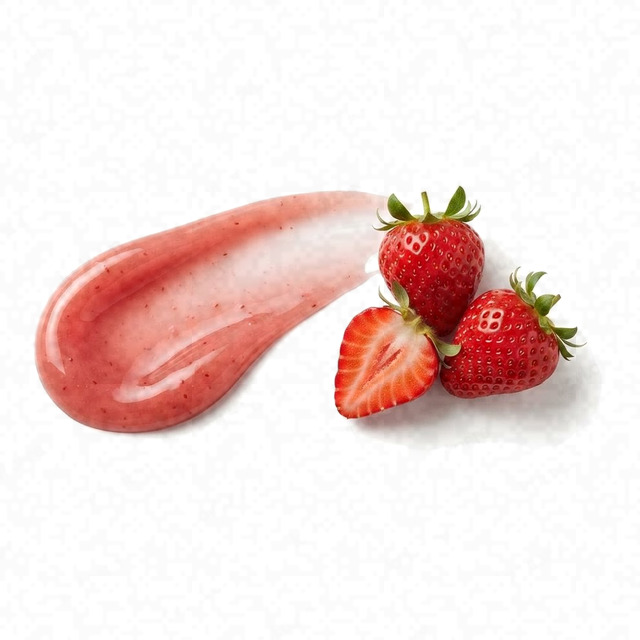 Strawberry Leaf Extract
 Centella Asiatica Leaf Extract
 Aloe Barbadensis Leaf Juice
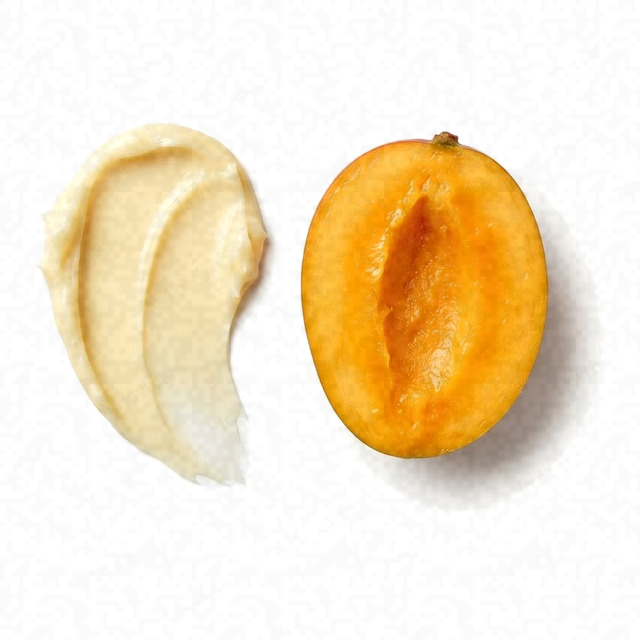 Mangifera Indica Seed Butter
Average
- AverageOily Skin Fit
- AverageEffectiveness
- HighSafety
Works for oily acne-prone skin; other moisturizers fit it better.
This fit is calculated for the concerns frequently associated with oily acne-prone skin: shine, breakouts, blemishes, and enlarged pores. For scores and recommendations based on your full skin profile, including your 12D face scan results and any goals or preferences you have, please use the Lovi app.
Page built Nov 8, 2026How the Fit score works
Lovi Assistant explains
- Offers moderate suitability for your oily skin, as Squalane Olive and Glycerin provide emollient and humectant actions, but it lacks sufficient ingredients for optimal oil control, and while Sodium Hyaluronate and Strawberry Leaf Extract offer hydration and brightening, they do not target your primary concerns of acne, blemishes, and breakouts.
- The product provides general skincare benefits like hydration and soothing, but the absence of targeted ingredients such as salicylic acid or niacinamide means it will not effectively address your specific skin issues.
- The safety profile is excellent, with no risks of irritation for your oily skin due to the absence of harsh ingredients and the presence of soothing components like Aloe Barbadensis Leaf Juice and Centella Asiatica Leaf Extract.
How to apply
- Use this AM and PM routine every day to help clear your skin. Always remember to finish with SPF in the morning.
- Apply the moisturizer after your cleanser and toner, right before your SPF during the day.
- Gently press a small amount into your skin and avoid rubbing to keep pores clear.
- Apply on clean, slightly damp skin to help the product absorb better and control oil.
- Avoid the sensitive eye area and do a simple patch test before your first use.
Questions and answers
How well does Indie Lee Brightening Cream work for oily acne-prone skin?
This cream is an average fit for your oily acne-prone skin because it hydrates and soothes nicely, but it lacks ingredients like salicylic acid or niacinamide to clear breakouts. A moisturizing treatment for this skin needs powerful ingredients that target acne and blemishes while keeping the skin clear and balanced without adding excess oil.
Clinical, Cosmetic and Investigational Dermatology, 2017Clinical Pharmacology, 2018
Which ingredients make this cream a good fit for oily acne-prone skin?
Squalane Olive and glycerin make this cream a moderate fit for your skin by providing moisture, while aloe and centella help calm it. However, a product for oily acne-prone skin needs targeted ingredients like salicylic acid or niacinamide to clear breakouts, along with lightweight, non-clogging hydration.
What does Squalane do for oily acne-prone skin?
Squalane may help keep oily skin soft and smooth, but oxidized squalene can trigger inflammation in acne-prone skin. Because of this, oily acne-prone skin needs lightweight, non-greasy ingredients that balance moisture without clogging pores.
What does Strawberry Leaf Extract do for oily acne-prone skin?
Strawberry Leaf Extract helps calm angry, oily skin and reduces redness. It is rich in antioxidants that help soothe breakouts and balance your skin.
Where does this cream go in a skincare routine for oily acne-prone skin?
This cream goes in the evening routine as a moisturizing treatment, right before your moisturizer. It is very unlikely to cause irritation on oily skin, but to properly care for acne and breakouts, an oily skin type needs a product containing targeted ingredients like salicylic acid or niacinamide.
Can I use this cream with retinol, and in what order?
You can use this cream alongside retinol to keep your skin hydrated and calm, applying it after your retinol treatment absorbs. Oily acne-prone skin needs a product of this type to include ingredients that actively clear breakouts and control oil, such as salicylic acid or niacinamide.
How often should I use this cream?
You can use this moisturizing treatment daily to keep your oily skin soft and hydrated. Because your skin is prone to breakouts, this product works best when paired with targeted ingredients like salicylic acid or niacinamide to help clear blemishes.
Journal of Cosmetic Dermatology, 2020Health Science Reports, 2021
Can this cream clog pores, cause breakouts or purging for oily acne-prone skin?
This cream is unlikely to clog pores or cause breakouts for your oily acne-prone skin, as it has a very safe formula with soothing ingredients like Aloe Barbadensis Leaf Juice and Centella Asiatica Leaf Extract that do not irritate. However, because it lacks targeted blemish-fighting ingredients like salicylic acid or niacinamide, an oily acne-prone skin type of this kind needs added ingredients that control oil and actively treat breakouts.
Can I use this cream around the eyes or on my body?
This cream is safe to use around the eyes or on the body because its soothing ingredients like Aloe Barbadensis Leaf Juice and Centella Asiatica Leaf Extract are very gentle and carry practically no risk of irritation. A product of this type needs lightweight hydrators like glycerin and squalane, along with skin-soothing botanical extracts, to comfortably keep delicate or body skin soft and smooth.
Is this cream fragrance-free and alcohol-free?
It has no drying alcohol and contains fragrance (benzyl alcohol). Cetearyl alcohol is a fatty alcohol, which soften the skin.
What the research says
A single application of a moisturizing fluid containing hyaluronic acid 1%, glycerin 5%, and Centella asiatica stem cells extract significantly increased skin hydration by 29% and reduced transepidermal water loss at 24 hours compared to baseline and an untreated control site in twenty healthy women.
Clinical, Cosmetic and Investigational Dermatology, 2017A cream combining propolis, tea tree oil, and Aloe vera reduced erythema scars, acne severity index, and total lesion count better than erythromycin cream in sixty patients with mild to moderate acne vulgaris compared to placebo.
Clinical Pharmacology, 2018Co-delivery of paeonol and madecassoside via nanoemulsions improved transdermal delivery, promoted barrier repair proteins, inhibited inflammatory cytokine secretion in cellular and 3D models, and reduced transepidermal water loss and acne in human facial skin compared to free components.
Molecules, 2023Moisturizer containing 5% panthenol, madecassoside, and copper-zinc-manganese decreased adverse reactions and downtime after ablative fractional carbon dioxide laser resurfacing with comparable efficacy to 0.02% triamcinolone acetonide cream in 20 subjects.
Journal of Cosmetic Dermatology, 2019Squalane at 0.005-0.015% counteracts UVA-induced oxidative stress, inflammation, and collagen metabolism inhibition while stimulating fibroblast migration in human dermal fibroblasts.
Molecules, 2025Plant-derived squalane protected human dermal fibroblasts against UVA-induced damage by counteracting ROS formation, suppressing apoptosis-related proteins p53, caspase-3, caspase-9, and PARP, and restoring the pro-survival p-Akt/mTOR pathway.
Antioxidants, 2025Fragaria vesca extract-based hydrogel exhibited antioxidant efficacy, cutaneous compatibility, acceptability, and stability suitable for topical application.
Antioxidants, 2020Supercritical CO2 extract from strawberry seeds at concentrations up to 2% successfully provides moisturizing and skin-softening effects in mild cleansing compositions without significantly affecting their stability, cleansing, or foaming properties.
International Journal of Cosmetic Science, 2015Treatment with strawberry seed extract and tiliroside increased stratum corneum total ceramide content and specific ceramide species in human epidermal equivalents by enhancing the expression of ceramide-related enzymes.
PloS One, 2018Topical application of 0.05% w/w ECa 233 gel reduced erythema index by 0.03 U and improved early crusting and general wound appearance compared to placebo in thirty individuals undergoing facial laser resurfacing.
Journal of Alternative and Complementary Medicine, 2020Topical treatment with 5% vitamin C and 0.1% madecassoside significantly improved clinical scores for wrinkles, suppleness, firmness, roughness, and skin hydration, along with functional and structural remodeling of the elastic fiber network in 20 female volunteers with photoaged skin after 6 months compared to baseline.
Experimental Dermatology, 2008Treatment with an asiaticoside-containing cream applied twice daily for 12 weeks significantly improved periorbital wrinkles in 65% of 27 female volunteers compared to a vehicle control cream.
International Journal of Cosmetic Science, 2008Topical aloe vera gel significantly accelerated split-thickness skin graft donor-site healing compared to placebo in 12 patients, but showed no significant difference in pain relief.
Plastic and Reconstructive Surgery, 2018Topical application of Aloe vera cream reduced postoperative pain at rest and during defecation, accelerated wound healing at two weeks, and decreased analgesic requirements in patients after open hemorrhoidectomy compared to placebo.
Journal of Alternative and Complementary Medicine, 2010Formulations containing 0.10%, 0.25%, and 0.50% freeze-dried Aloe vera extract increased stratum corneum water content compared with the vehicle in 20 female subjects, while transepidermal water loss was not modified.
Skin Research and Technology, 2006
Why other moisturizers fit oily acne-prone skin better
A panthenol-enriched mask improved skin hydration, regulated sebum, and reduced redness and TEWL across dry sensitive, oily sensitive, and oily acne skin subgroups with excellent tolerance and no adverse reactions.
Journal of Cosmetic Dermatology, 2024A facial serum containing snail secretion filtrate, Calendula officinalis, and Glycyrrhiza glabra root extract significantly reduced inflammatory acne lesions compared to placebo in 66 participants with mild-to-moderate maskne over 12 weeks.
Journal of Cosmetic Dermatology, 2022
Ingredients
Water, Caprylic Capric Triglyceride, Propanediol, Carthamus Tinctorius Seed Oil, C15-19 Alkane, Cetearyl Alcohol, Squalane Olive, Candelilla Wax, Cetearyl Olivate, Mangifera Indica Seed Butter, Glycerin, Cetearyl Glucoside, Silica, Aloe Barbadensis Leaf Juice, Sorbitan Olivate, Glyceryl Undecylenate, Centella Asiatica Leaf Extract, Strawberry Leaf Extract, Tocopherol, Xylitylglucoside, Anhydroxylitol, Xanthan Gum, Xylitol, Sodium Hyaluronate, Benzyl Alcohol, Pentylene Glycol, Phenethyl Alcohol, Citric Acid
Behind this fit score
Lovi calculates every fit score from the full ingredient list with brand-independent rules our dermatologists and cosmetic chemists build and review, and personalizes every pick with AI trained on the real results of millions of users. Lovi trains its fit score models on a proprietary dataset built from more than 10,000 expert-labeled products and more than 100,000 simulated examples, following an internally consistent methodology presented at Cosmoprof, AMWC, and Skin of Color Update.
-

Co-founder, Medical Director
Cosmetic chemist, cosmetologist, aesthetic products developer
-

Co-founder, CEO and CTO
PhD in computer science, 3x US patent holder, ex-Google, ex-Yandex
-

Dr. Sofía Perea Pérez, MD, MSc
Medical Board
Aesthetic medicine practitioner, MSc in Longevity and Anti-Aging Medicine
-

Medical Board
Specialist dermatologist, MBBS, MD, IFAAD
-

Medical Board
Cosmetic chemist, SCS, IFSCC member
-

Medical Board, Medical Advisor
Dermatology MD
-

Elina Nazarenko, MD
Medical Board
Dermatology and diagnostic consultant
-

Victoria Derkova, MS
Medical Board
Cosmetic chemist, cosmetic development technologist


How does it fit your skin?
Scan your face, then any product: Lovi shows how well it fits you and what fits even better.