HERA Sun Mate Daily for sensitive skin

 Zinc Oxide
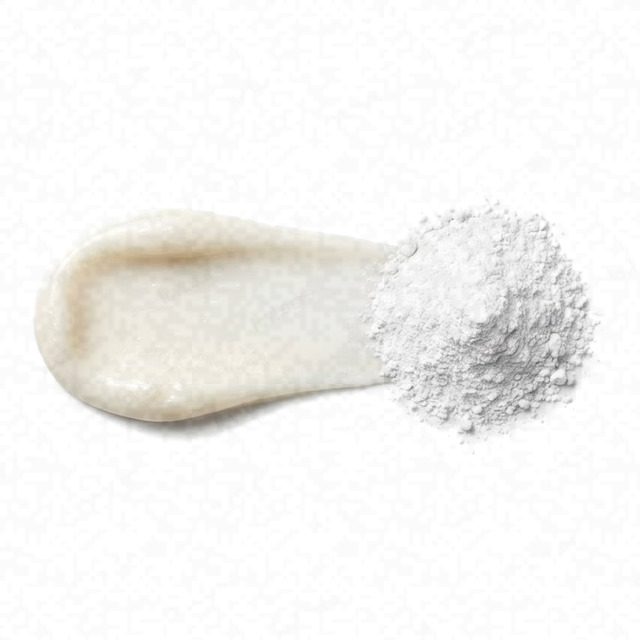 Titanium Dioxide
 Sodium Hyaluronate
 Glycerin
 Vitamin E
High
- HighNormal Skin Fit
- HighEffectiveness
- HighSafety
One of the best sunscreens for sensitive skin.
This fit is calculated for the concerns frequently associated with sensitive skin: redness, stinging, and reactions to new products. For scores and recommendations based on your full skin profile, including your 12D face scan results and any goals or preferences you have, please use the Lovi app.
Page built Nov 8, 2026How the Fit score works
Lovi Assistant explains
- Highly suitable for your normal skin and addresses redness and irritation with niacinamide and panthenol, which effectively soothe inflammation and support barrier repair.
- The inclusion of sodium hyaluronate provides excellent hydration, complementing the humectant properties beneficial for normal skin.
- The product is safe for your sensitive skin, as it contains no harsh or prohibited ingredients and offers excellent sun protection.
How to apply
- Apply this moisturizing sunscreen AM daily as the final step of your morning routine. Always reapply every two hours when exposed to the sun.
- Apply after your regular moisturizer and before makeup. This product combines hydration and sun protection in one easy step.
- Gently smooth a nickel-sized amount evenly across your face and neck. Avoid rubbing harshly to keep sensitive skin calm.
- Apply the moisturizing sunscreen to clean , dry skin for the best protection. Let it absorb ⏱ fully before stepping outside.
- Avoid direct contact with your eyes. Do a patch test before your first use since your skin is sensitive.
People Say
★4.5Overall rating based on 100+ reviewsBased on limited data, this sunscreen is frequently praised as a holy grail for dry skin, offering excellent moisturization and serving as a great makeup base with a peach tint for color correction. However, users with oily skin often find it too greasy, and sensitive individuals frequently report issues with its strong fragrance and potential for eye irritation.
Highlights
No white cast Mostly Mentioned
- “Doesn't leave a white cast”
- “Blends in easily”
- “No ghostly white cast”
Excellent makeup base Often Mentioned
- “Doubles as a make-up base”
- “Helps my make up stay longer”
- “Peach color for a delicate bloom”
Highly moisturizing Often Mentioned
- “Wonderfully hydrating and absorbs well”
- “Skip moisturizer... slap on my Hera sunscreen”
- “Gives a healthy glow”
Greasy/oily finish Often Mentioned
- “Too oily for my skin”
- “Looks like I rubbed facial oil on”
- “Never set properly”
Strong fragrance Often Mentioned
- “Scent was overpowering”
- “Typical cosmetic fragrance”
- “Smells like old ladies”
Good texture Sometimes Noted
- “Comforting creamy texture”
- “Spreads out nicely”
- “Absorbs quickly”
Eye irritation Sometimes Noted
- “Made my eyes water so much”
- “Eyes sting terribly”
- “Tears streaming down my face”
Availability issues Rarely Noted
- “Shame it's been discontinued”
- “Hard to find”
- “Available only in sports version”
Sources: lovi.care, influenster.com, sociolla.com, yesstyle.com, skinandbeautystory.wordpress.com, quirkymissy.com, and more
Questions and answers
What makes HERA Sun Mate Daily a great fit for sensitive skin?
HERA Sun Mate Daily is a great fit because it contains niacinamide and panthenol, which help soothe redness and irritation while supporting skin barrier repair. It also features sodium hyaluronate to provide excellent hydration, and it avoids harsh ingredients to ensure safety for sensitive skin.
Journal of Cosmetic Dermatology, 2025American Journal of Clinical Dermatology, 2002
Which ingredients make this cream a good fit for sensitive skin?
Zinc oxide, titanium dioxide, niacinamide, and panthenol make this cream a great fit for sensitive skin by offering gentle sun protection while helping to calm redness and support the skin barrier. Ingredients like glycerin and sodium hyaluronate further help keep your skin feeling soft and well-hydrated.
Journal of Cosmetic Dermatology, 2025American Journal of Clinical Dermatology, 2002
What does Zinc Oxide do for sensitive skin?
Zinc oxide helps calm red, irritated skin and protects against irritation while being gentle enough for daily use. It is unlikely to cause trouble for delicate areas, making it a safe choice for soothing sensitive skin.
Where does this cream go in a skincare routine for sensitive skin?
This moisturizing SPF goes in the morning step of your skincare routine, right after your soothing toner. It helps protect your sensitive skin from the sun while keeping it calm and hydrated.
Journal of Drugs in Dermatology, 2023Journal of Cosmetic Dermatology, 2025
Can I use this cream with retinol, and in what order?
You can use this moisturizing SPF in the morning as the last step before sun exposure, while applying retinol in the evening. This routine keeps your sensitive skin calm and well-hydrated throughout the day.
How often should I use this cream?
Apply this moisturizing spf every morning as part of your daily routine to keep your skin protected and hydrated. It is safe for sensitive skin and helps soothe redness while providing reliable sun protection throughout the day.
Can this cream clog pores, cause breakouts or purging for sensitive skin?
This cream is unlikely to clog pores or cause breakouts on sensitive skin because it contains gentle, soothing ingredients like panthenol and niacinamide that help calm irritation. However, because it has a rich formula that reviewers often find greasy, it may feel heavy if your skin tends to get oily easily.
Journal of Cosmetic Dermatology, 2025American Journal of Clinical Dermatology, 2002
Is this cream fragrance-free and alcohol-free?
Yes, it has no fragrance and no drying alcohol.
What the research says
A panthenol-enriched mask significantly decreased erythema and hyperpigmentation, increased sebum and stratum corneum moisture, and reduced transepidermal water loss compared to a saline dressing in 60 subjects undergoing facial laser treatment.
Journal of Cosmetic Dermatology, 2025Topical dexpanthenol acts as a moisturizer, improves stratum corneum hydration, accelerates wound healing and epidermal regeneration, reduces erythema, and improves symptoms of skin irritation compared to vehicle or no pretreatment.
American Journal of Clinical Dermatology, 2002A new topical panthenol-containing emollient significantly improved transepidermal water loss reduction, stratum corneum hydration, and intercellular lipid lamellae length compared with control in healthy subjects without negatively impacting bacterial viability.
The Journal of Dermatological Treatment, 2017Topical hyaluronic acid filler serum combined with Botulinum toxin type A lengthened the duration of the toxin's effect in reducing wrinkles compared to Botulinum toxin type A alone.
Dermatologic Therapy, 2022Topical application of micronised titanium dioxide results in no dermal absorption, with the particles being deposited solely on the outermost surface of the stratum corneum.
Skin Pharmacology and Applied Skin Physiology, 2001Topical 0.5% hyaluronic-ZnO nanogel applied twice daily reduced inflammatory-lesion counts by 58% at week four in human subjects compared to baseline without causing erythema.
Biomedicines, 2025Nels cream achieved a similar reduction in inflammatory and noninflammatory lesion counts compared to 5% benzoyl peroxide in acne vulgaris patients, but caused significantly fewer side-effects such as peeling and dryness.
Clinical and Experimental Dermatology, 2000Topically applied coated and uncoated zinc oxide nanoparticles under flexing and massage are retained in the stratum corneum with no significant penetration into the viable epidermis and no cellular toxicity in human skin.
Nanomedicine, 2016Microfine titanium dioxide does not penetrate human skin when formulated in an oil-in-water emulsion with the pigment dispersed in the aqueous phase, compared to oily dispersions and liposomal encapsulation which allow deeper skin penetration.
International Journal of Cosmetic Science, 2000Replacing microsized titanium dioxide and zinc oxide with nanoparticles in sunscreens eliminates opaqueness and alters UV protection balance while inducing (photo)cyto- and genotoxicity and penetrating viable skin layers during long-term exposures.
Nanotechnology, Science and Applications, 2011Microfine zinc oxide and titanium dioxide do not penetrate the stratum corneum of porcine skin in vitro, indicating that their use in sunscreens does not pose a health risk from internal exposure.
Toxicology in Vitro, 2006Topical application of 0.1% hyaluronic acid formulations of different molecular weights led to significant improvements in skin hydration and elasticity, with low-molecular-weight formulations also significantly reducing wrinkle depth in seventy-six female subjects compared to a vehicle control.
Journal of Drugs in Dermatology, 2011Topical application of hyaluronic acid in conjunction with free gingival graft significantly reduced donor site postoperative pain until day 7 compared to normal saline, with no significant differences in graft dimensions or patient satisfaction.
Clinical Oral Investigations, 2022Treatment with a hyaluronic acid-containing mouth rinse or topical gel led to significant lesion reduction, pain relief, and normalization of lesion color in adult patients with minor recurrent aphthous stomatitis, with the gel formulation showing an earlier healing onset at 3 days.
BMC Oral Health, 2019A single application of a moisturizing fluid containing hyaluronic acid 1%, glycerin 5%, and Centella asiatica stem cells extract significantly increased skin hydration by 29% and reduced transepidermal water loss at 24 hours compared to baseline and an untreated control site in twenty healthy women.
Clinical, Cosmetic and Investigational Dermatology, 2017The emollient V0034CR significantly reduced TEWL compared to vehicle and vehicle plus glycerol, and significantly increased corneometry scores compared to vehicle and vehicle plus petrolatum in healthy volunteers with dry skin, demonstrating combined barrier function improvement from petrolatum and hydration improvement from glycerol.
Journal of Cosmetic Dermatology, 2020Ten days of treatment with a cream containing 20% glycerin significantly increased skin hydration measured by corneometer values in 17 healthy volunteers compared to a placebo cream, but showed no influence on transepidermal water loss or skin sensitivity to an irritating surfactant.
International Journal of Cosmetic Science, 2001Topical application of an antioxidant serum containing 15% ascorbic acid, 0.5% ferulic acid, and 1% tocopherol prevented particulate matter-induced degradation of extracellular matrix components, inflammation, and oxidative stress in the skin of 15 female volunteers compared to untreated controls.
Journal of Cosmetic Dermatology, 2025Dermatological products containing d-alpha tocopheryl acetate showed non-comedogenic potential with less than a 50% increase in microcomedones in 12 healthy male subjects compared to octyl palmitate.
Contemporary Clinical Trials Communications, 2021Topical application of an antioxidant mix containing 15% ascorbic acid, 0.5% ferulic acid, and 1% tocopherol prevented PM and UV-induced skin barrier perturbation, lipid peroxidation, inflammatory markers, MMP9 activation, and Type I collagen loss in 15 healthy females compared to untreated exposed skin.
Journal of Cosmetic Dermatology, 2024
Ingredients
Water, Ethylhexyl Methoxycinnamate, Butylene Glycol, Glycerin, Titanium Dioxide, Cyclopentasiloxane, Niacinamide, Zinc Oxide, Dimethicone, C12-15 Alkyl Benzoate, Phenyl Trimethicone, Sodium Hyaluronate, Tocopheryl Acetate, Panthenol, Adenosine
Behind this fit score
Lovi calculates every fit score from the full ingredient list with brand-independent rules our dermatologists and cosmetic chemists build and review, and personalizes every pick with AI trained on the real results of millions of users. Lovi trains its fit score models on a proprietary dataset built from more than 10,000 expert-labeled products and more than 100,000 simulated examples, following an internally consistent methodology presented at Cosmoprof, AMWC, and Skin of Color Update.
-

Co-founder, Medical Director
Cosmetic chemist, cosmetologist, aesthetic products developer
-

Co-founder, CEO and CTO
PhD in computer science, 3x US patent holder, ex-Google, ex-Yandex
-

Dr. Sofía Perea Pérez, MD, MSc
Medical Board
Aesthetic medicine practitioner, MSc in Longevity and Anti-Aging Medicine
-

Medical Board
Specialist dermatologist, MBBS, MD, IFAAD
-

Medical Board
Cosmetic chemist, SCS, IFSCC member
-

Medical Board, Medical Advisor
Dermatology MD
-

Elina Nazarenko, MD
Medical Board
Dermatology and diagnostic consultant
-

Victoria Derkova, MS
Medical Board
Cosmetic chemist, cosmetic development technologist


How does it fit your skin?
Scan your face, then any product: Lovi shows how well it fits you and what fits even better.