Glamglow SUPERTONER Exfoliating Acid Solution Toner for oily skin

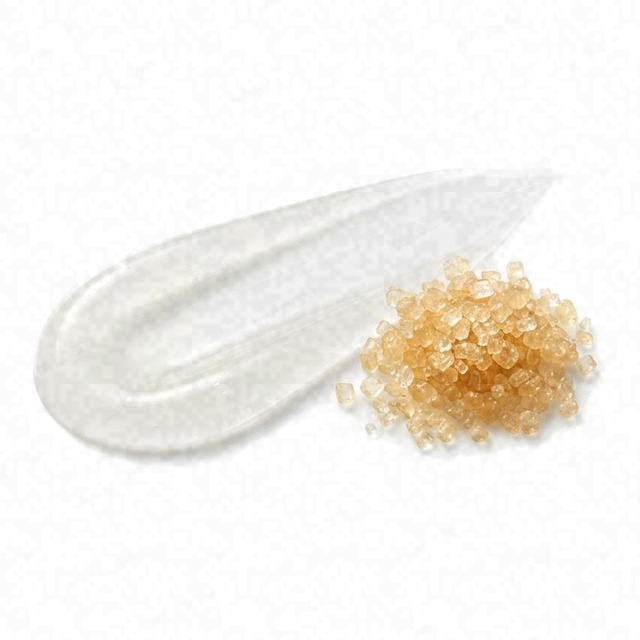 Glycolic Acid
 Salicylic Acid
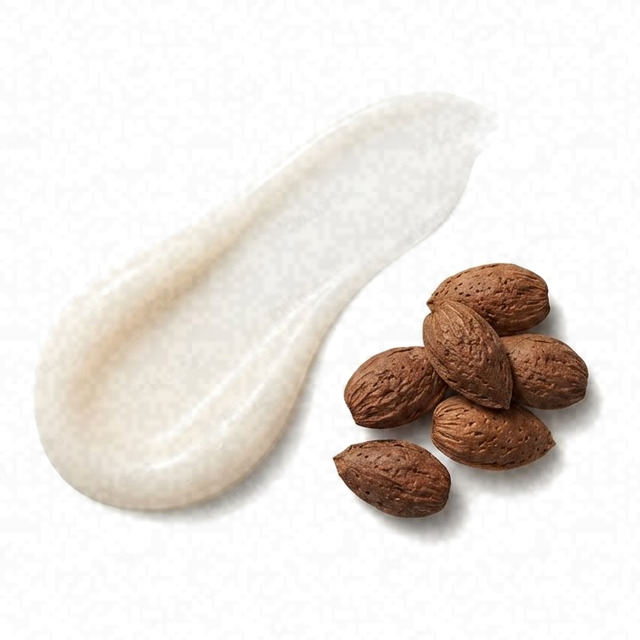 Mandelic Acid
 Lactic Acid
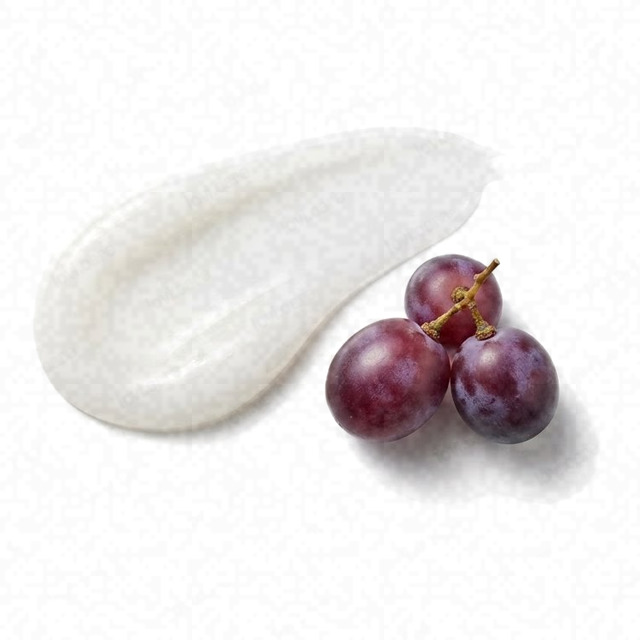 Tartaric Acid
Superior
- SuperiorOily Skin Fit
- HighEffectiveness
- ExcellentSafety
One of the best toners for oily skin.
This fit is calculated for the concerns frequently associated with oily skin: shine, enlarged pores, blackheads, and blemishes. For scores and recommendations based on your full skin profile, including your 12D face scan results and any goals or preferences you have, please use the Lovi app.
Page built Nov 8, 2026How the Fit score works
Lovi Assistant explains
- Excellent suitability for your oily skin is provided by mandelic acid, glycolic acid, and salicylic acid, which offer superior keratolytic action and seboregulation to combat oily shine.
- The combination of Witch Hazel Extract and Algae Extract further enhances the formula by soothing your skin and providing additional benefits.
- This product is safe for your skin, as it contains no harsh ingredients and includes soothing agents like Witch Hazel Extract and Algae Extract.
How to apply
- Use this exfoliating toner once a week at first, then increase frequency only if your skin feels fine.
- Apply the exfoliating toner after cleansing and before your moisturizer or SPF.
- Gently press a few drops of the exfoliating toner into your skin and let it dry.
- Apply the exfoliating toner on clean and dry skin for the best results.
- Avoid the eye area and always use sunscreen during the day.
People Say
★4.8Overall rating based on 100+ reviewsBased on limited data, this toner is highly recommended by users with oily and acne-prone skin for its pore-refining and oil-controlling properties. It is frequently noted for its strong scent and alcohol content, which can lead to stinging, dryness, and irritation, particularly for those with sensitive or dry skin types.
Highlights
Refines pores Mostly Mentioned
- “pores are immediately refined and unclogged”
- “pores are visibly relieved”
- “pores are smaller”
Strong scent Mostly Mentioned
- “smells like hospital stuff”
- “very strong mint/alcohol smell”
- “scent is very strong... metallic alcoholic”
Clarifies skin Often Mentioned
- “skin looks brighter”
- “complexion clear with our powerful blend”
- “revealing a brighter, even-looking complexion”
Controls oil Often Mentioned
- “balances oil and helps reduce shine”
- “leaves my acne/sensitive skin feeling fresh”
- “great base before applying foundation”
Stinging sensation Often Mentioned
- “stings so bad from the first swipe”
- “left my skin feeling super dry, burning”
- “experience tingling or discomfort”
Effective exfoliation Sometimes Noted
- “removes dead surface cells”
- “skin feels smoother”
- “old keratins are metabolized quickly”
Drying and irritating Sometimes Noted
- “made her break out so bad”
- “left my skin feeling super dry”
- “bad option for dry skin”
High price point Sometimes Noted
- “little bit pricey for a toner”
- “expensive for the amount”
- “pricey but a little goes a long way”
Sources: lovi.care, apothecarienewyork.com, lookfantastic.com, walmart.com, macys.com, survivorpeach.com, and more
Questions and answers
What makes Glamglow SUPERTONER one of the best fits for oily skin?
This toner is one of the best fits for your oily skin because mandelic acid, glycolic acid, and salicylic acid clear away dead skin and control oil to stop oily shine. Witch hazel extract and algae extract help calm your skin and keep it safe.
Journal of Cosmetic Dermatology, 2020Annals of the New York Academy of Sciences, 2004
Which ingredients make this toner a good fit for oily skin?
Mandelic acid, glycolic acid, and salicylic acid make this toner a great fit by helping to clear out pores and control oily shine. Witch hazel extract and algae extract further support your skin by calming it down.
Annals of the New York Academy of Sciences, 2004Journal of Cosmetic Dermatology, 2020
What does Glycolic Acid do for oily skin?
Glycolic acid helps clear away dead skin and excess oil for a smooth, clean feel. It gently removes buildup from the surface, which keeps pores clear and skin looking fresh.
Molecules, 2023Journal of the European Academy of Dermatology and Venereology, 2011
What does Salicylic Acid do for oily skin?
Salicylic acid helps oily skin by reducing excess oil and keeping pores clear. It may also improve overall skin hydration while managing breakouts.
Journal of Cosmetic Dermatology, 2025Experimental Dermatology, 2019
Where does this toner go in a skincare routine for oily skin?
This exfoliating toner is used in the evening after cleansing and before your moisturizer. Start using it once a week, and if your skin handles it well, you can carefully use it more often.
Can I use this toner with retinol, and in what order?
You can use this toner with retinol, but it is best to apply them on different nights or times to avoid making your skin too dry or sensitive. Using both strong exfoliating acids and retinol at the same time may easily overwhelm your skin.
How often should I use this toner?
Start by using this toner once a week, and if your oily skin tolerates it well and shows good results, you can carefully use it more often. This gentle approach helps prevent irritation while managing oily shine.
Can this toner clog pores, cause breakouts or purging for oily skin?
This toner is unlikely to clog pores or cause breakouts because it uses a blend of acids to clear dead skin and control oily shine. However, the strong mix of exfoliating ingredients and alcohol denat may cause temporary stinging, dryness, or irritation in some users.
Journal of Cosmetic Dermatology, 2020Annals of the New York Academy of Sciences, 2004
Is this toner fragrance-free and alcohol-free?
It contains fragrance (limonene and linalool) and drying alcohol (alcohol denat).
What the research says
Treatment with 45% mandelic acid peel showed nearly equal overall efficacy as 30% salicylic acid peel in patients with mild-to-moderate facial acne vulgaris, but with fewer adverse effects.
Journal of Cosmetic Dermatology, 2020Hamamelis bark proanthocyanidins strongly increased the proliferation of cultured human keratinocytes and reduced transepidermal water loss and erythema formation in SLS-irritated skin, whereas the polysaccharide fraction had no effect.
Phytochemistry, 2001Treatment with lipid algae extract reduced the level of oxidized proteins in human keratinocytes and stratum corneum skin cells.
Annals of the New York Academy of Sciences, 2004Topical application of 1% Fucus vesiculosus extract gel twice daily for five weeks significantly decreased skin thickness and improved elasticity in human cheek skin compared with controls.
Journal of Cosmetic Science, 2002A Hamamelis virginiana leaf extract increased LOXL1 expression twofold, decreased elafin synthesis, restored functional elastic fibers, reduced nonfunctional elastin aggregates, decreased wrinkles, and improved skin firmness.
Journal of Cosmetic Science, 2018Repeated short-contact 70% glycolic acid peels provided superior results in atrophic acne scars compared to daily low-strength glycolic acid cream or placebo in 58 women over 24 weeks.
International Journal of Dermatology, 2000Serial glycolic acid peels combined with a modified Kligman formula significantly reduced facial PIH severity in Indian patients compared to the modified Kligman formula alone.
Dermatologic Surgery, 2017Cryotherapy with liquid nitrogen achieved a higher cure rate (39%) than salicylic acid (24%) and a wait-and-see approach (16%) for cutaneous warts at 13 weeks in primary care patients.
CMAJ, 2010A moisturizer containing licochalcone A, 1,2-decanediol, L-carnitine, and salicylic acid significantly reduced noninflammatory, inflammatory, and total acne lesion counts compared to a vehicle control in Thai patients during a 12-week maintenance phase.
BioMed Research International, 2020Treatment with 2% supramolecular salicylic acid hydrogel resulted in a regression and markedly improvement rate of 51.01% compared to 43.10% for Adapaline gel in patients with mild to moderate facial acne vulgaris, showing no significant difference in efficacy.
Journal of Cosmetic Dermatology, 2024Chemical peels using 35% glycolic acid, 20% salicylic-10% mandelic acid, and phytic acid reduce acne scores by 70.55%, 74.14%, and 69.7% respectively, and significantly decline the postacne hyperpigmentation index in Asian patients with mild to moderate acne.
Journal of Cutaneous and Aesthetic Surgery, 2019Commonly used chemical peels showed no significant differences in effectiveness for acne vulgaris in most comparisons, though combined salicylic and mandelic acid peeling was superior to glycolic acid and glycolic acid was superior to placebo, based on twelve randomized controlled trials.
BMJ Open, 2018Treatment with 30% lactic acid peel showed a significantly greater reduction in pigmentation and higher patient satisfaction compared to 30% mandelic acid peel in patients with periorbital melanosis.
Indian Dermatology Online Journal, 2025Application of a cream containing lactic acid 12% and pramoxine HCl 1% significantly improved skin dryness, hydration, and itch compared with a nontreated control in 24 women with a history of dry itchy skin.
Cutis, 2004Topical 12% ammonium lactate produced a significant sparing of epidermal and dermal atrophy induced by clobetasol propionate in human volunteers, without influencing the corticosteroid's bioavailability or antiinflammatory properties.
Journal of the American Academy of Dermatology, 1992A lactic acid/ceramide lotion significantly improved skin moisturization and desquamation compared to no treatment in women with dry, rough skin on the anterior shins.
The Journal of Clinical and Aesthetic Dermatology, 2020Gluconolactone and tartaric acid significantly lower transepidermal water loss and erythema after sodium lauryl sulphate challenge compared to vehicle, untreated control, and glycolic acid in healthy subjects.
The British Journal of Dermatology, 1997
Ingredients
Water, Alcohol Denat, Propanediol, Mandelic Acid, Glycolic Acid, Salicylic Acid, Lactic Acid, Tartaric Acid, Pyruvic Acid, Charcoal Powder, Eucalyptus Globulus Leaf Powder, Eucalyptus Globulus Leaf, Witch Hazel Extract, Algae Extract, Willow Bark Extract, Nylon-12, Aloe Barbadensis Leaf Juice, Peppermint Oil, Sodium Hydroxide, Citric Acid, Limonene, Linalool, Disodium Edta, Phenoxyethanol, Mica, Titanium Dioxide Ci 77891, Iron Oxides Ci 77499
Behind this fit score
Lovi calculates every fit score from the full ingredient list with brand-independent rules our dermatologists and cosmetic chemists build and review, and personalizes every pick with AI trained on the real results of millions of users. Lovi trains its fit score models on a proprietary dataset built from more than 10,000 expert-labeled products and more than 100,000 simulated examples, following an internally consistent methodology presented at Cosmoprof, AMWC, and Skin of Color Update.
-

Co-founder, Medical Director
Cosmetic chemist, cosmetologist, aesthetic products developer
-

Co-founder, CEO and CTO
PhD in computer science, 3x US patent holder, ex-Google, ex-Yandex
-

Dr. Sofía Perea Pérez, MD, MSc
Medical Board
Aesthetic medicine practitioner, MSc in Longevity and Anti-Aging Medicine
-

Medical Board
Specialist dermatologist, MBBS, MD, IFAAD
-

Medical Board
Cosmetic chemist, SCS, IFSCC member
-

Medical Board, Medical Advisor
Dermatology MD
-

Elina Nazarenko, MD
Medical Board
Dermatology and diagnostic consultant
-

Victoria Derkova, MS
Medical Board
Cosmetic chemist, cosmetic development technologist


How does it fit your skin?
Scan your face, then any product: Lovi shows how well it fits you and what fits even better.