
Findley Face Serum

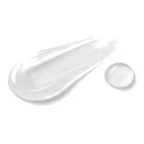 Sodium Hyaluronate
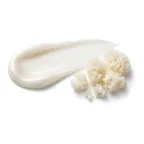 Collagen
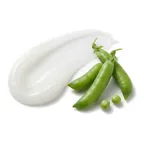 Niacinamide
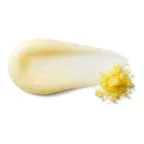 Retinol
 Rose Oil
Retinol and niacinamide smooth fine lines and regulate oil, so it suits dry skin, combination skin, acne-prone skin, and skin with dark spots best. Where to buy in the US: Amazon.com, $12.85.
Each fit is calculated for the concerns frequently associated with that skin type. For scores and recommendations based on your full skin profile, including your 12D face scan results and goals, use the Lovi app.
Updated How the Fit score works
Where it fits best and least
Best fit High
Dry Skin, Combination Skin, Acne-Prone Skin, Skin with Dark Spots
A great choice for dry skin; a few moisturizers fit it even better.
- Offers excellent moisturizing and anti-aging effects for your dry skin due to sodium hyaluronate for hydration and retinol and palmitoyl oligopeptide for minimizing fine lines and wrinkles.
Lowest fit Average
Oily Skin, Sensitive Skin, Mature Skin, Dry Sensitive Skin, Oily Acne-Prone Skin
Works for oily skin; other moisturizers fit it better.
- Offers moderate suitability for oily skin as niacinamide helps regulate sebum and glycerin provides hydration, though stronger oil-controlling ingredients would enhance results.
Buy online

Prices checked 22 Nov 2026
How to apply
- Could be used as part of your AM and PM routine. Start using it 3 times a week and move to daily use if your skin likes it.
- Apply this moisturizer after your cleanser and toner, right before your morning SPF.
- Gently press a small amount of the moisturizer into your skin. Avoid rubbing it too hard so it absorbs nicely.
- For the best moisture, you can apply it when your skin is slightly damp. This helps your skin stay soft and happy.
- Remember to avoid the eye area when applying. Always do a patch test before your first use.
Questions and answers
What makes Findley Findley Face Serum a great fit for dry skin?
This serum is a great fit for your dry skin because it combines sodium hyaluronate, glycerin, and squalane to deliver deep hydration and smooth flaky areas. It also helps reduce fine lines using retinol and palmitoyl oligopeptide while keeping irritation risks low.
What makes Findley Face Serum a great fit for combination skin?
Findley Face Serum is a great fit because niacinamide helps regulate oil while sodium hyaluronate provides hydration, and retinol offers anti-aging effects. The product is also safe for your skin, with no harsh ingredients that would cause irritation.
How well does Findley Findley Face Serum work for oily skin?
This serum works moderately well for oily skin because niacinamide helps balance oil and glycerin provides hydration, though it lacks stronger oil-controlling ingredients. To fit oily skin best, this type of product needs lightweight ingredients that control oil and manage shine without clogging pores.
How well does Findley Face Serum work for mature skin?
Findley Face Serum works decently for mature skin, helping keep it hydrated and smoothing fine lines with ingredients like retinol and sodium hyaluronate. However, mature skin needs a moisturizing treatment with stronger anti-wrinkle ingredients, deeper nourishment, and rich hydrating agents to truly enhance vitality and radiance.
Is it fragrance-free and alcohol-free?
It has no drying alcohol and contains fragrance (benzyl alcohol and parfum).
What makes Findley Findley Face Serum a great fit for acne-prone skin?
Findley Findley Face Serum is a great fit for acne-prone skin because it includes soothing chamomile extract and aloe leaf juice that help calm the skin, alongside sodium hyaluronate and retinol to hydrate and smooth fine lines. The formula is also safe and unlikely to cause irritation.
What makes Findley Face Serum a great fit for skin with dark spots?
Findley Face Serum is a great fit because it features ascorbic acid and ferulic acid for antioxidant benefits and collagen support, while sodium hyaluronate and retinol provide excellent moisturization and anti-aging effects. It also has a very safe formula with no harsh ingredients, making it unlikely to irritate normal skin.
How well does Findley Findley Face Serum work for sensitive skin?
Findley Findley Face Serum is an average fit for sensitive skin because its ingredients offer moderate hydration and soothing effects that do not fully address your redness and irritation. A product of this type needs strong soothing agents and deep hydrators to calm irritation and redness comfortably while protecting this skin type.
How well does Findley Face Serum work for dry sensitive skin?
Findley Face Serum works okay for dry sensitive skin by offering moderate hydration and smoothing fine lines, though it may not fully tackle heavy flakiness. A product of this type needs multiple forms of hyaluronic acid, pro vitamin B5, and ceramides to deeply quench dryness, boost moisture retention, and comfortably protect the skin barrier.
How well does Findley Face Serum work for oily acne-prone skin?
Findley Face Serum is an average fit for oily acne-prone skin because while niacinamide and retinol help manage oil and breakouts, other products suit this skin better. A moisturizing treatment for oily acne-prone skin needs lightweight, non-clogging hydrators and skin-balancing ingredients like niacinamide and low molecular weight hyaluronic acid.
What the research says
Topical application of 0.1% hyaluronic acid formulations of different molecular weights led to significant improvements in skin hydration and elasticity, with low-molecular-weight formulations also significantly reducing wrinkle depth in seventy-six female subjects compared to a vehicle control.
Journal of Drugs in Dermatology, 2011Topical hyaluronic acid serum used twice daily by 40 females with facial photoaging produced an immediate 134% increase in skin hydration, a sustained 55% increase at week 6, and significant improvements in smoothness, plumping, fine lines, wrinkles, and global appearance without causing irritation.
Dermatology and Therapy, 2021A topical antioxidant serum significantly reduced air pollution-induced skin pigmentation and proinflammatory gene expression ex vivo, and improved skin aging signs in 40 healthy adult females after 90 days of daily use.
Journal of Cosmetic Dermatology, 2022Topical application of TAC/Collagen postbiotics gel improved skin moisture score and inflammation index, and reduced porphyrins and brown spots in 20 volunteers with acne vulgaris.
Journal of Cosmetic Dermatology, 2022Topical collagen tripeptide application improved skin wrinkles, elasticity, and density while reducing advanced glycated end products in 22 Asian women over 4 weeks.
International Journal of Molecular Sciences, 2022Marine collagen extracted from Greenland halibut skin showed a non-cytotoxic effect on fibroblast cells and provided a slight skin hydration effect when incorporated into cosmetic hydrogel formulations at dosages of 0.1, 0.25, and 0.5% in 23 healthy volunteers.
Marine Drugs, 2023Topical nicotinamide prevented solar-simulated UV-induced immunosuppression in healthy volunteers, and men experienced immunosuppression at solar-simulated UV doses three times lower than those required for women.
The Journal of Investigative Dermatology, 2008Topical 5% niacinamide applied twice daily for 12 weeks reduced fine lines and wrinkles, hyperpigmented spots, red blotchiness, and skin sallowness, and improved skin elasticity compared to vehicle control in 50 female white subjects with facial photoaging.
Dermatologic Surgery, 2005Topical 2% niacinamide significantly decreased sebum excretion rate in Japanese individuals and casual sebum levels in Caucasian individuals compared to placebo or baseline.
Journal of Cosmetic and Laser Therapy, 2006Topical bakuchiol 0.5% applied twice daily compared with retinol 0.5% applied daily significantly decreased wrinkle surface area and hyperpigmentation with no statistical difference between the compounds in 44 patients over 12 weeks, while retinol users reported more facial skin scaling and stinging.
The British Journal of Dermatology, 2019Topical 0.3% and 1% retinol comparably improved biomarkers of cutaneous photoageing in photoaged volunteers, while 0.3% retinol demonstrated better tolerance with fewer and milder adverse events compared to 1% retinol in a daily escalation regimen.
International Journal of Cosmetic Science, 2022Daily application of 0.3% and 0.5% retinol serums in 37 volunteers over 12 weeks reduced skin hyperpigmentation, unevenness, and wrinkles on both sides of the face, with the 0.5% concentration causing more frequent and intense skin irritation.
Skin Pharmacology and Physiology, 2020An emulgel containing 20% green tea extract and 5% rose oil provided good hydrating properties and effectiveness on the skin barrier function in ten female subjects.
Acta Pharmaceutica, 2013Topical application of Taif rose oil nanoemulsion ameliorated UVB-induced oxidative damage and skin photoaging in rats by modulating antioxidant enzymes, inflammatory markers, MMP-9, and MAPK signaling pathways.
ACS Omega, 2023A polyphenol-enriched fraction of rose oil distillation wastewater inhibited cell proliferation, migration, and TNF-alpha-induced VEGF secretion in human immortalized keratinocytes compared to untreated controls.
Planta Medica, 2016Topical application of retinol and retinoic acid both increased epidermal thickness and upregulated collagen genes and proteins in human skin, with retinol producing similar histological and molecular changes to retinoic acid alongside a significant reduction in facial wrinkles after 12 weeks.
Journal of Cosmetic Dermatology, 2016A single application of a moisturizing fluid containing hyaluronic acid 1%, glycerin 5%, and Centella asiatica stem cells extract significantly increased skin hydration by 29% and reduced transepidermal water loss at 24 hours compared to baseline and an untreated control site in twenty healthy women.
Clinical, Cosmetic and Investigational Dermatology, 2017Hyaluronic acid-based formulations exhibit remarkable anti-wrinkle, anti-aging, and skin rejuvenating effects via soft tissue augmentation, improved skin hydration, and face volume restoration.
International Journal of Biological Macromolecules, 2018Small extracellular vesicles derived from Aloe vera peels exhibited antioxidant activity, reduced intracellular ROS levels, enhanced human skin cell migration, and upregulated antioxidant-related gene expression in H2O2-treated human keratinocytes.
Tissue Engineering and Regenerative Medicine, 2021Topical treatment of nicotinamide, alone or in combination with other active ingredients, reduces the progression of skin aging and hyperpigmentation in clinical trials while being well tolerated.
Antioxidants, 2021Topical application of 0.1% retinol induced CRABP2 and HBEGF gene expression, increased keratinocyte proliferation and epidermal thickness ex vivo, and improved major skin aging signs without significant adverse reactions in 48 volunteers compared to placebo.
Skin Pharmacology and Physiology, 2009Treatment with a combination of niacinamide and hyaluronic acid improved skin aging signs and demonstrated a senomorphic effect by decreasing SASP and autocrine signaling genes in women.
Scientific Reports, 2024A cream combining propolis, tea tree oil, and Aloe vera reduced erythema scars, acne severity index, and total lesion count better than erythromycin cream in sixty patients with mild to moderate acne vulgaris compared to placebo.
Clinical Pharmacology, 2018Topical hyaluronic acid filler serum combined with Botulinum toxin type A lengthened the duration of the toxin's effect in reducing wrinkles compared to Botulinum toxin type A alone.
Dermatologic Therapy, 2022Treatment with 14% ferulic acid and 12% l-ascorbic acid significantly reduced pigmentation and erythema while improving hydration and elasticity in 20 women with photoaged skin, with neither acid proving definitively more effective overall though ascorbic acid showed slightly greater skin lightening.
Dermatologic Therapy, 2022A topical serum containing vitamin C, vitamin E, and raspberry leaf cell culture extract improved skin color, elasticity, radiance, smoothness, scaliness, and wrinkles compared to the untreated contralateral side in fifty female volunteers.
Journal of Cosmetic Dermatology, 2020Topical application of a 6% green tea extract formulation increased skin moisture, enhanced skin elasticity, and improved skin microrelief by reducing roughness in 24 volunteers compared to vehicle and control over 30 days.
Dermatologic Therapy, 2013
Ingredients
Aloe Barbadensis Leaf Juice, Aminomethyl Propanol, Ascorbic Acid, Benzyl Alcohol, Caffeine, Camellia Sinensis Leaf Extract, Chamomilla Recutita Flower Extract Matricaria Flower Extract, Citric Acid, Coco-Caprylate Caprate, Coconut Alkanes, Dehydroacetic Acid, Ferulic Acid, Parfum, Glycereth-26, Glycerin, Glycolic Acid, Hydrolyzed Collagen, Hydroxyethylcellulose, Jasmine Extract, Niacinamide, Palmitoyl Oligopeptide, Palmitoyl Tetrapeptide-7, Phenoxyethanol, Propanediol, Water, Retinol, Rosa Damascena Oil Rose Oil, Rosa Rugosa Fruit Extract, Sodium Hyaluronate, Sorbitan Sesquioleate, Squalane, Tocopheryl Acetate, Xanthan Gum
Behind these fit scores
Lovi calculates every fit score from the full ingredient list with brand-independent rules our dermatologists and cosmetic chemists build and review, and personalizes every pick with AI trained on the real results of millions of users. Lovi trains its fit score models on a proprietary dataset built from more than 10,000 expert-labeled products and more than 100,000 simulated examples, following an internally consistent methodology presented at Cosmoprof, AMWC, and Skin of Color Update.
-

Co-founder, Medical Director
Cosmetic chemist, cosmetologist, aesthetic products developer
-

Co-founder, CEO and CTO
PhD in computer science, 3x US patent holder, ex-Google, ex-Yandex
-

Dr. Sofía Perea Pérez, MD, MSc
Medical Board
Aesthetic medicine practitioner, MSc in Longevity and Anti-Aging Medicine
-

Medical Board
Specialist dermatologist, MBBS, MD, IFAAD
-

Medical Board
Cosmetic chemist, SCS, IFSCC member
-

Medical Board, Medical Advisor
Dermatology MD
-

Elina Nazarenko, MD
Medical Board
Dermatology and diagnostic consultant
-

Victoria Derkova, MS
Medical Board
Cosmetic chemist, cosmetic development technologist


How does it fit your skin?
Scan your face, then any product: Lovi shows how well it fits you and what fits even better.