Eucerin Q10 Anti-Wrinkle Face Creme for oily acne-prone skin

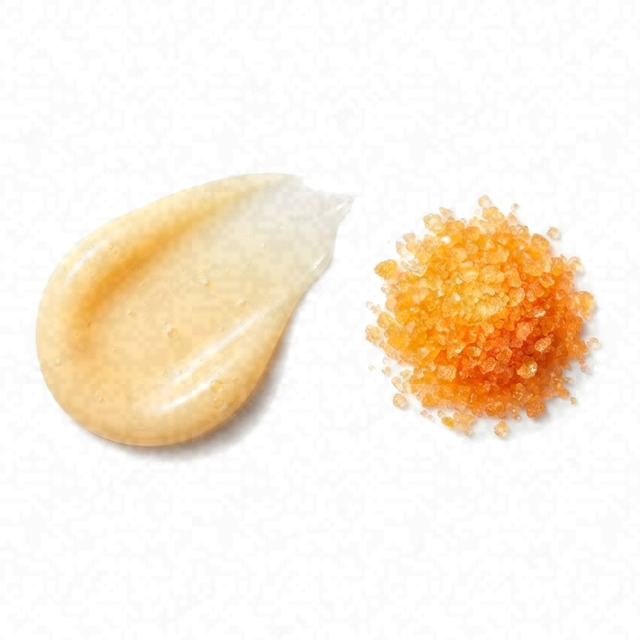 Ubiquinone
 Pro-Retinol
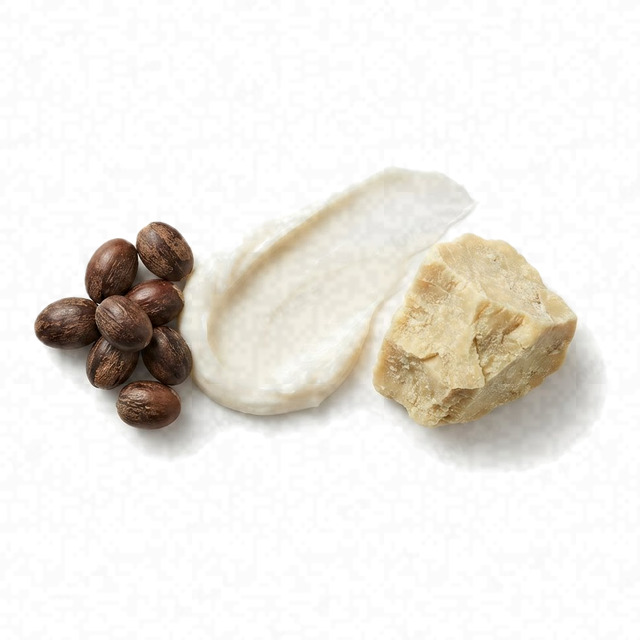 Shea Butter
 Glycerin
 Vitamin E Tocopherol
Low
- LowOily Skin Fit
- AverageEffectiveness
- ConcerningSafety
A weak match for oily acne-prone skin; the moisturizers alongside fit it better.
This fit is calculated for the concerns frequently associated with oily acne-prone skin: shine, breakouts, blemishes, and enlarged pores. For scores and recommendations based on your full skin profile, including your 12D face scan results and any goals or preferences you have, please use the Lovi app.
Page built Nov 8, 2026How the Fit score works
Lovi Assistant explains
- Offers moderate moisturizing for your oily skin due to glycerin and shea butter, which hydrate and enhance barrier resilience, but lacks targeted ingredients like salicylic acid or niacinamide to address your acne, blemishes, and breakouts.
- The presence of Butyrospermum Parkii Butter and Hydrogenated Coco-Glycerides may be too heavy for oily skin, potentially clogging pores and exacerbating oiliness.
How to apply
- Use this AM and PM routine every day to help clear your skin. Always remember to finish with SPF in the morning.
- Apply the moisturizer after your cleanser and toner, right before your SPF during the day.
- Gently press a small amount into your skin and avoid rubbing to keep pores clear.
- Apply on clean, slightly damp skin to help the product absorb better and control oil.
- Avoid the sensitive eye area and do a simple patch test before your first use.
People Say
★4.6Overall rating based on 60.0k+ reviewsBased on a very large amount of data, this rich, fragrance-free cream is widely celebrated by users with dry and sensitive skin for its deep hydration and gentle, non-irritating formula. Many report softer, plumper skin and a reduction in fine lines. Users with oily or acne-prone skin often find the texture too heavy or greasy, and some recent long-time users have noted a perceived decline in quality due to formula changes.
Highlights
Deeply moisturizing Mostly Mentioned
- “skin feels plump”
- “resolves dry patches”
- “very hydrating”
- “keeps skin moist all day”
- “winter skin savior”
Sensitive skin safe Mostly Mentioned
- “no redness or burning”
- “gentle formula”
- “non-irritating”
- “soothes reactive skin”
- “never stings”
Fragrance-free Often Mentioned
- “no scent”
- “great for allergies”
- “doesn't stink”
- “perfect for sensitive noses”
- “no perfume smell”
Excellent value Sometimes Noted
- “great price”
- “beats expensive creams”
- “affordable effective skincare”
- “good bang for buck”
- “inexpensive staple”
Improves skin texture Sometimes Noted
- “softer skin”
- “smoother looking”
- “makeup glides on”
- “face feels relaxed”
- “glowy finish”
Greasy or heavy Sometimes Noted
- “leaves oily residue”
- “too shiny”
- “sits on skin”
- “too heavy for day”
- “grease ball”
Ineffective on wrinkles Sometimes Noted
- “no difference in lines”
- “just a moisturizer”
- “didn't help aging”
- “wrinkles still there”
- “no firming effect”
Causes breakouts Rarely Noted
- “caused cystic acne”
- “whiteheads appeared”
- “clogged pores”
- “bumps on forehead”
- “bad for acne-prone”
Formula change concerns Rarely Noted
- “less moisturizing now”
- “caused burning recently”
- “quality declined”
- “new formula is awful”
- “not as rich”
Unpleasant scent Rarely Noted
- “smells like plastic”
- “weird yellow smell”
- “smells like soap”
- “off-putting odor”
- “stale scent”
Sources: lovi.care, iherb.com, amazon.com, walmart.com, target.com, walgreens.com, and more
Questions and answers
Why is Eucerin Q10 Anti-Wrinkle Face Creme a weak match for oily acne-prone skin?
This cream provides moderate moisture for oily skin, but it lacks targeted ingredients like salicylic acid or niacinamide to help with acne and breakouts. Additionally, heavy ingredients like shea butter may be too rich for oily skin and can potentially clog pores. A product of this type needs lightweight hydration, ingredients that target blemishes, and a formula free of heavy oils to keep pores clear and prevent breakouts.
Which ingredients make this cream a poor fit for oily acne-prone skin?
Shea butter and hydrogenated coco-glycerides make this cream a weak match because they may feel too heavy for oily skin and potentially clog pores. Oily acne-prone skin needs a product that targets blemishes with ingredients like salicylic acid or niacinamide and avoids heavy oils.
What does Coenzyme Q10 do for oily acne-prone skin?
Coenzyme Q10 helps energize skin cells and provides antioxidant protection to reduce daily stress on oily, acne-prone skin. It is unlikely to clog pores and may improve the overall health and appearance of aging skin.
What does Pro-Retinol do for oily acne-prone skin?
Pro-retinol helps manage oily and acne-prone skin by addressing the key pathways that cause breakouts, smoothing the skin with minimal irritation. It works to reduce both inflammatory and non-inflammatory blemishes while keeping your skin feeling comfortable.
International Journal of Nanomedicine, 2021Journal of Drugs in Dermatology, 2018
Where does this cream go in a skincare routine for oily acne-prone skin?
This cream is a weak match for your skin because heavy ingredients like shea butter may clog pores and trigger breakouts. To properly care for oily, acne-prone skin, a product of this type needs lightweight hydration alongside targeted ingredients like salicylic acid or niacinamide to keep blemishes under control.
Can I use this cream with niacinamide, and in what order?
Yes, you can use this cream with niacinamide by applying niacinamide first to clean skin and letting it absorb before putting on this moisturizer. This product provides moderate hydration, but for oily acne-prone skin it needs lighter textures and targeted ingredients like salicylic acid or niacinamide to help clear blemishes and breakouts.
How often should I use this cream?
This cream is a weak match for your oily acne-prone skin, as heavier ingredients like shea butter may clog pores and trigger breakouts without treating acne. To properly care for oily acne-prone skin, a product of this type needs lightweight hydration alongside targeted blemish-fighting ingredients like salicylic acid or niacinamide.
Can this cream clog pores, cause breakouts or purging for oily acne-prone skin?
Yes, this cream may clog pores and cause breakouts on oily skin because it contains heavy ingredients like shea butter and rich oils. A product for this skin needs lightweight hydrators and targeted ingredients like salicylic acid or niacinamide to help keep pores clear.
Can I use this cream around the eyes or on my body?
This cream is generally safe to use on the body and around the eyes, though heavy ingredients like shea butter may feel quite rich on delicate areas. A product of this type needs lightweight hydrators and soothing extracts to safely care for thin or body skin without feeling heavy.
Is this cream fragrance-free and alcohol-free?
Yes, it has no fragrance and no drying alcohol. Stearyl alcohol and cetyl alcohol are fatty alcohols, which soften the skin.
What the research says
Topical application of CoQ10 improves mitochondrial function in aging skin in vivo, combating cellular signs of aging caused by an age-dependent shift to a functionally anaerobic energy metabolism.
BioFactors, 2008Encapsulating coenzyme Q10 in lipid nanoparticles for topical use improves skin compatibility, protects against degradation, increases skin penetration, and provides controlled release to counteract aging effects.
Colloids and Surfaces. B, Biointerfaces, 2023Review of topical administration of carotenoids and coenzyme Q10 loaded in lipid nanoparticles highlights their improved bioavailability, chemical stability, skin absorption, and photoprotective effects.
Antioxidants, 2021Topical 0.4% retinol significantly increased epidermal thickness, dermal vascularity, and extracellular matrix production by stimulating keratinocyte proliferation, endothelial cell proliferation, and fibroblast activation in naturally aged human skin compared to vehicle.
International Journal of Cosmetic Science, 2017Topical bakuchiol 0.5% applied twice daily compared with retinol 0.5% applied daily significantly decreased wrinkle surface area and hyperpigmentation with no statistical difference between the compounds in 44 patients over 12 weeks, while retinol users reported more facial skin scaling and stinging.
The British Journal of Dermatology, 2019Silicone particles encapsulating retinol increased its half-life by 9-fold and yielded 12-23% lower skin irritation in human subjects compared to Microsponge particles while maintaining biological activity.
Journal of Controlled Release, 2018A combination cream of stimu-tex AS and saccharide isomerate reduced erythema, increased skin capacitance, and reduced transepidermal water loss compared to placebo in 20 subjects after fractional CO2 laser procedure without causing serious adverse events.
Lasers in Medical Science, 2025A skin barrier restoring cream with shea butter, silkflo, and vitamin E increased type I procollagen synthesis, enhanced antioxidant enzyme activity, decreased reactive oxygen species generation, and promoted hyaluronic acid production in H2O2-stimulated human keratinocyte cells compared to untreated cells.
International Journal of Cosmetic Science, 2025A single application of a moisturizing fluid containing hyaluronic acid 1%, glycerin 5%, and Centella asiatica stem cells extract significantly increased skin hydration by 29% and reduced transepidermal water loss at 24 hours compared to baseline and an untreated control site in twenty healthy women.
Clinical, Cosmetic and Investigational Dermatology, 2017The emollient V0034CR significantly reduced TEWL compared to vehicle and vehicle plus glycerol, and significantly increased corneometry scores compared to vehicle and vehicle plus petrolatum in healthy volunteers with dry skin, demonstrating combined barrier function improvement from petrolatum and hydration improvement from glycerol.
Journal of Cosmetic Dermatology, 2020Ten days of treatment with a cream containing 20% glycerin significantly increased skin hydration measured by corneometer values in 17 healthy volunteers compared to a placebo cream, but showed no influence on transepidermal water loss or skin sensitivity to an irritating surfactant.
International Journal of Cosmetic Science, 2001Topical application of an antioxidant serum containing 15% ascorbic acid, 0.5% ferulic acid, and 1% tocopherol prevented particulate matter-induced degradation of extracellular matrix components, inflammation, and oxidative stress in the skin of 15 female volunteers compared to untreated controls.
Journal of Cosmetic Dermatology, 2025Dermatological products containing d-alpha tocopheryl acetate showed non-comedogenic potential with less than a 50% increase in microcomedones in 12 healthy male subjects compared to octyl palmitate.
Contemporary Clinical Trials Communications, 2021Topical application of an antioxidant mix containing 15% ascorbic acid, 0.5% ferulic acid, and 1% tocopherol prevented PM and UV-induced skin barrier perturbation, lipid peroxidation, inflammatory markers, MMP9 activation, and Type I collagen loss in 15 healthy females compared to untreated exposed skin.
Journal of Cosmetic Dermatology, 2024
Why other moisturizers fit oily acne-prone skin better
Co-delivery of paeonol and madecassoside via nanoemulsions improved transdermal delivery, promoted barrier repair proteins, inhibited inflammatory cytokine secretion in cellular and 3D models, and reduced transepidermal water loss and acne in human facial skin compared to free components.
Molecules, 2023A panthenol-enriched mask improved skin hydration, regulated sebum, and reduced redness and TEWL across dry sensitive, oily sensitive, and oily acne skin subgroups with excellent tolerance and no adverse reactions.
Journal of Cosmetic Dermatology, 2024A facial serum containing snail secretion filtrate, Calendula officinalis, and Glycyrrhiza glabra root extract significantly reduced inflammatory acne lesions compared to placebo in 66 participants with mild-to-moderate maskne over 12 weeks.
Journal of Cosmetic Dermatology, 2022
Ingredients
Water, Glycerin, Ethylhexyl Cocoate, Hydrogenated Coco-Glycerides, Stearyl Alcohol, Butylene Glycol, Cetyl Alcohol, Caprylic Capric Triglyceride, Butyrospermum Parkii Butter Shea Butter, Glyceryl Stearate Citrate, Octyldodecanol, Ubiquinone, Retinyl Palmitate, Biotin, Biosaccharide Gum-1, Sodium Ascorbyl Phosphate, Zea Mays Oil, Beta-Carotene, Tocopherol, 1,2-Hexanediol, Carbomer, Sodium Hydroxide, Trisodium Edta, Dehydroacetic Acid, Phenoxyethanol
Behind this fit score
Lovi calculates every fit score from the full ingredient list with brand-independent rules our dermatologists and cosmetic chemists build and review, and personalizes every pick with AI trained on the real results of millions of users. Lovi trains its fit score models on a proprietary dataset built from more than 10,000 expert-labeled products and more than 100,000 simulated examples, following an internally consistent methodology presented at Cosmoprof, AMWC, and Skin of Color Update.
-

Co-founder, Medical Director
Cosmetic chemist, cosmetologist, aesthetic products developer
-

Co-founder, CEO and CTO
PhD in computer science, 3x US patent holder, ex-Google, ex-Yandex
-

Dr. Sofía Perea Pérez, MD, MSc
Medical Board
Aesthetic medicine practitioner, MSc in Longevity and Anti-Aging Medicine
-

Medical Board
Specialist dermatologist, MBBS, MD, IFAAD
-

Medical Board
Cosmetic chemist, SCS, IFSCC member
-

Medical Board, Medical Advisor
Dermatology MD
-

Elina Nazarenko, MD
Medical Board
Dermatology and diagnostic consultant
-

Victoria Derkova, MS
Medical Board
Cosmetic chemist, cosmetic development technologist


How does it fit your skin?
Scan your face, then any product: Lovi shows how well it fits you and what fits even better.