Eucerin Anti-Pigment Day Cream SPF30 for acne-prone skin

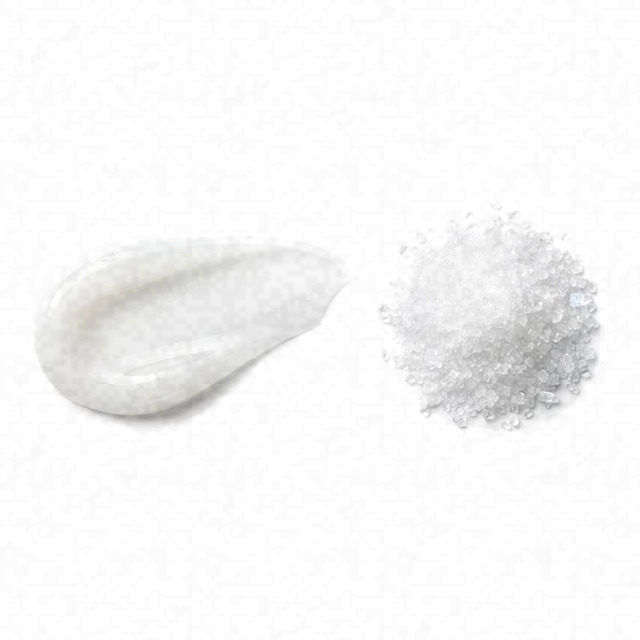 Thiamidol
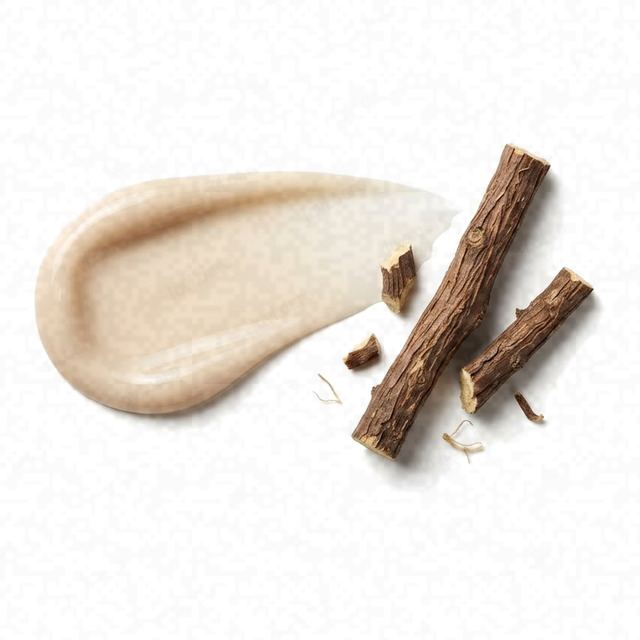 Glycyrrhiza Inflata Root Extract
 Tocopherol
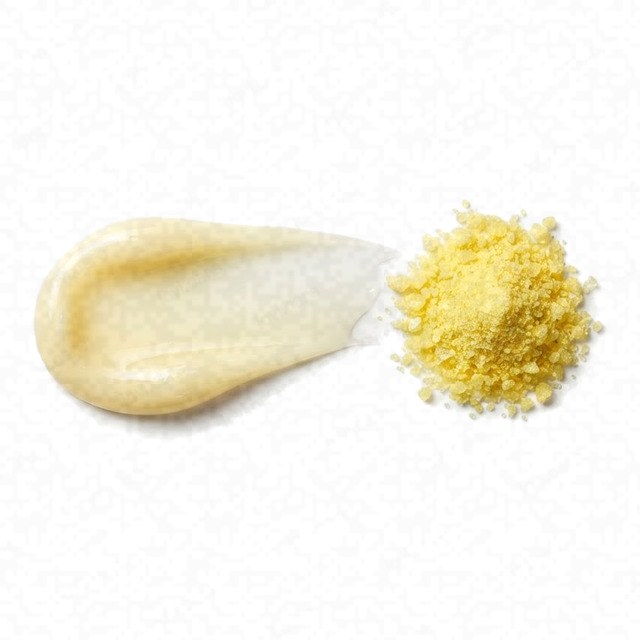 Glucosylrutin
Average
- HighCombination Skin Fit
- AverageEffectiveness
- HighSafety
Works for acne-prone skin; other sunscreens fit it better.
This fit is calculated for the concerns frequently associated with acne-prone skin: breakouts, blackheads, and post-acne marks. For scores and recommendations based on your full skin profile, including your 12D face scan results and any goals or preferences you have, please use the Lovi app.
Page built Nov 8, 2026How the Fit score works
Lovi Assistant explains
- This product offers moderate benefits for your combination skin, with glycerin and tocopherol supporting hydration and antioxidant protection, but it lacks specialized ingredients to effectively target your acne, blemishes, and breakouts.
- The broad-spectrum UV protection provided by ingredients like Homosalate and Butyl Methoxydibenzoylmethane is beneficial, though it does not address your primary concerns.
- The safety profile is excellent, with no risks of irritation for your combination skin due to the absence of prohibited or harsh ingredients.
How to apply
- Apply this moisturizing sunscreen AM every morning as the final step of your daily routine.
- Layer the moisturizing sunscreen after your moisturizer has fully absorbed, right before heading out into the sun .
- Smooth a nickel-sized amount of the moisturizing sunscreen evenly over your face, avoiding harsh rubbing.
- Apply the moisturizing sunscreen onto clean, dry skin to ensure even coverage and protection.
- Perform a patch test before first use and avoid direct contact with the eyes.
People Say
★4.0Overall rating based on 600+ reviewsUsers frequently praise this cream for its effectiveness in fading hyperpigmentation, melasma, and age spots over time, often attributing this to the patented ingredient Thiamidol. While many appreciate the added SPF 30 protection and moisturizing properties, a significant number of users report that the product tends to "pill" or roll off the skin, particularly when applying makeup or touching the face.
Highlights
Pills/rolls off Mostly Mentioned
- “Balls up when I touch my face”
- “Pills terribly under foundation”
- “Rubs off in little white bits”
- “Cannot layer anything on top of it”
Effective sun protection Often Mentioned
- “Great that it has SPF 30 included”
- “Prevents spots from reappearing in the sun”
- “Good daily protection against UV rays”
- “Feel protected without needing extra sunscreen”
Fades dark spots Often Mentioned
- “Pigmentation marks have faded away after two weeks”
- “Works on my ageing marks”
- “Noticeable difference in sun spots”
- “Helped slightly brighten my hyperpigmentation”
Evens skin tone Sometimes Noted
- “Skin looks brighter and more radiant”
- “Promotes a unified appearance”
- “Left my skin feeling smooth and even”
- “Complexion looks much clearer”
Good hydration Sometimes Noted
- “Leaves skin feeling soft and moisturized”
- “Hydrates well without being too heavy”
- “Nice creamy texture that absorbs well”
- “Keeps dry patches at bay”
Greasy/shiny finish Sometimes Noted
- “Leaves a shiny film on the skin”
- “Feels a bit greasy initially”
- “Takes a long time to fully absorb”
- “Too rich for my oily skin”
Strong fragrance Sometimes Noted
- “Perfume smell is too strong”
- “Heavily fragranced for a face cream”
- “Scent lingers and is overpowering”
- “Prefer unfragranced skincare”
Causes breakouts Rarely Noted
- “Caused breakouts on sensitive skin”
- “Stung my eyes slightly”
- “Skin felt irritated and red”
Sources: lovi.care, lookfantastic.com, boots.com, superdrug.com, cocooncenter.co.uk, sephora.co.uk, and more
Questions and answers
How well does Eucerin Anti-Pigment Day Cream SPF30 work for acne-prone skin?
This product works decently for acne-prone skin, providing daily moisture and sun protection, though other options fit this skin type better. An ideal product of this type for acne-prone skin needs ingredients that hydrate without adding excess oil, support the skin barrier, and target breakouts effectively.
Clinical, Cosmetic and Investigational Dermatology, 2017Journal of Cosmetic Dermatology, 2020
Which ingredients make this cream a good fit for acne-prone skin?
This cream works for your acne-prone skin because glycerin and tocopherol help support hydration and provide antioxidant protection. However, a product of this type needs specialized ingredients to effectively target acne, blemishes, and breakouts without adding excess oil.
Clinical, Cosmetic and Investigational Dermatology, 2017Journal of Cosmetic Dermatology, 2020
What does Thiamidol do for acne-prone skin?
Thiamidol does not treat acne directly, but rather helps with dark spots left behind after breakouts fade. To care for acne-prone skin while tackling dark spots, a product of this type needs blemish-fighting ingredients like retinoids or azelaic acid.
What does Licorice Root Extract do for acne-prone skin?
Licorice root extract helps calm redness and irritation while supporting acne-prone skin, making it less likely to break out. A product of this type for acne-prone skin also needs ingredients like salicylic acid and licochalcone A to clear pores and reduce blemishes.
BioMed Research International, 2020Journal of the European Academy of Dermatology and Venereology, 2016
Where does this cream go in a skincare routine for acne-prone skin?
This moisturizing spf goes in the morning routine after a hydrating toner and before sun protection, or used directly as the final sun protection step. For acne-prone skin, this type of product also needs specialized ingredients that specifically target blemishes, breakouts, and acne.
Can I use this cream with retinol, and in what order?
You can use this cream in the morning before your SPF step, but it is best to apply retinol at night since this day cream contains sunscreen. While this product is gentle and unlikely to irritate your skin, acne-prone skin needs a product with targeted ingredients like salicylic acid, niacinamide, or retinoids to help clear breakouts.
How often should I use this cream?
You can use this moisturizing spf every morning to protect your skin from the sun. An acne-prone skin type needs a product that includes targeted ingredients to actively manage breakouts and blemishes.
Can this cream clog pores, cause breakouts or purging for acne-prone skin?
This cream is unlikely to cause breakouts for acne-prone skin because it has a very safe formula with no harsh or prohibited ingredients, though some users do report that it can feel greasy and pills easily. To truly clear breakouts and manage acne-prone skin, a product of this type needs specialized blemish-fighting ingredients alongside hydration and UV protection.
Is this cream fragrance-free and alcohol-free?
It contains fragrance (parfum) and drying alcohol (alcohol denat).
What the research says
A single application of a moisturizing fluid containing hyaluronic acid 1%, glycerin 5%, and Centella asiatica stem cells extract significantly increased skin hydration by 29% and reduced transepidermal water loss at 24 hours compared to baseline and an untreated control site in twenty healthy women.
Clinical, Cosmetic and Investigational Dermatology, 2017A topical serum containing vitamin C, vitamin E, and raspberry leaf cell culture extract improved skin color, elasticity, radiance, smoothness, scaliness, and wrinkles compared to the untreated contralateral side in fifty female volunteers.
Journal of Cosmetic Dermatology, 2020Parsol 1789 and Eusolex 8020 provided slightly better photoprotection than oxybenzone in both normal and sensitized human skin when assessed using pigmentation end points, whereas all three sunscreens performed similarly against UVA-induced erythema.
Journal of the American Academy of Dermatology, 1987Chemical sunscreens containing avobenzone, octocrylene, homosalate, and octisalate showed no to minimal risks of dermal irritation, sensitization, photo-allergy, and photo-irritation in human subjects.
Journal of Drugs in Dermatology, 2025Treatment with the tyrosinase inhibitor Thiamidol significantly lightened suction blister-induced post-inflammatory hyperpigmentation and improved acne-related post-inflammatory hyperpigmentation compared to vehicle control over 3 months.
International Journal of Cosmetic Science, 2021Four-times daily Thiamidol application improves facial hyperpigmentation significantly more than two-times daily application in subjects with mild-to-moderate facial hyperpigmentation, and a real-world three-product Thiamidol regimen shows significant improvement of hyperpigmentation and skin parameters.
International Journal of Cosmetic Science, 2020Application of isobutylamido thiazolyl resorcinol twice daily prior to Q-switched Nd:YAG laser treatment significantly reduced the incidence of post-inflammatory hyperpigmentation at 4 weeks compared to no application in subjects with solar lentigines.
Journal of Cosmetic Dermatology, 2024Combining 755 nm alexandrite laser with topical licorice gel significantly reduces terminal hair counts compared to alexandrite laser with placebo in women with idiopathic hirsutism.
Evidence-based Complementary and Alternative Medicine, 2015Licochalcone A activated Nrf2 signaling, elevated cytoprotective enzymes, increased the reduced-to-oxidized glutathione ratio, and decreased reactive oxygen species in human fibroblasts and neutrophils, while a LicA-rich licorice extract lowered UVA-induced oxidative processes in vivo.
Experimental Dermatology, 2015Bioactive glycyrrhizic acid and oxymatrine ionic liquid self-assembled nanomicelles significantly promoted the transdermal permeation, subcutaneous retention, and anti-photoaging efficacy of palmitoyl pentapeptide-4 in cellular and animal models compared to unformulated peptide.
Advanced Science, 2025Topical application of an antioxidant serum containing 15% ascorbic acid, 0.5% ferulic acid, and 1% tocopherol prevented particulate matter-induced degradation of extracellular matrix components, inflammation, and oxidative stress in the skin of 15 female volunteers compared to untreated controls.
Journal of Cosmetic Dermatology, 2025Dermatological products containing d-alpha tocopheryl acetate showed non-comedogenic potential with less than a 50% increase in microcomedones in 12 healthy male subjects compared to octyl palmitate.
Contemporary Clinical Trials Communications, 2021Topical application of an antioxidant mix containing 15% ascorbic acid, 0.5% ferulic acid, and 1% tocopherol prevented PM and UV-induced skin barrier perturbation, lipid peroxidation, inflammatory markers, MMP9 activation, and Type I collagen loss in 15 healthy females compared to untreated exposed skin.
Journal of Cosmetic Dermatology, 2024Rutin application increased skin elasticity and decreased wrinkle length, area, and number in 40 human subjects compared to a control group over 4 weeks.
International Journal of Molecular Medicine, 2016Rutin combined with UVB filters increases critical wavelengths and antioxidant scavenging activity by 75% compared to UVB filters alone while maintaining good human skin compatibility.
Skin Research and Technology, 2016A highly soluble form of rutin reduced oxidative stress, inflammation, melanin content, brown spots, and skin redness in volunteers wearing surgical masks, compared to baseline or untreated controls.
Journal of Cosmetic Dermatology, 2024
Why other sunscreens fit acne-prone skin better
Biomimetic hyaluronic acid-stabilized zinc oxide nanoparticles selectively inhibited C. acnes, outperformed erythromycin in preclinical acne models, and safely reduced acne lesions and redness in a clinical trial.
Journal of Controlled Release, 2025Topical 0.5% hyaluronic-ZnO nanogel applied twice daily reduced inflammatory-lesion counts by 58% at week four in human subjects compared to baseline without causing erythema.
Biomedicines, 2025Malaysian thermal spring water as an adjunct to standard acne therapy improved skin hydration, reduced dryness and stinging, enhanced overall tolerability, and improved the acne disability index in patients with mild to moderate acne.
The Medical Journal of Malaysia, 2024
Ingredients
Water, Homosalate, Alcohol Denat, Butyl Methoxydibenzoylmethane, Ethylhexyl Salicylate, Ethylhexyl Triazone, Bis-Ethylhexyloxyphenol Methoxyphenyl Triazine, Butylene Glycol Dicaprylatedicaprate, Tapioca Starch, Distarch Phosphate, C12-15 Alkyl Benzoate, Phenylbenzimidazole Sulfonic Acid, Isobutylamido Thiazolyl Resorcinol, Glycyrrhiza Inflata Root Extract, Tocopherol, Glucosylrutin, Isoquercitrin, Glycerin, Cetyl Alcohol, Stearyl Alcohol, Sodium Chloride, Xanthan Gum, Carbomer, Sodium Hydroxide, Glyceryl Stearate, Sodium Stearoyl Glutamate, Dimethicone, Phenoxyethanol, Trisodium Edta, Parfum
Behind this fit score
Lovi calculates every fit score from the full ingredient list with brand-independent rules our dermatologists and cosmetic chemists build and review, and personalizes every pick with AI trained on the real results of millions of users. Lovi trains its fit score models on a proprietary dataset built from more than 10,000 expert-labeled products and more than 100,000 simulated examples, following an internally consistent methodology presented at Cosmoprof, AMWC, and Skin of Color Update.
-

Co-founder, Medical Director
Cosmetic chemist, cosmetologist, aesthetic products developer
-

Co-founder, CEO and CTO
PhD in computer science, 3x US patent holder, ex-Google, ex-Yandex
-

Dr. Sofía Perea Pérez, MD, MSc
Medical Board
Aesthetic medicine practitioner, MSc in Longevity and Anti-Aging Medicine
-

Medical Board
Specialist dermatologist, MBBS, MD, IFAAD
-

Medical Board
Cosmetic chemist, SCS, IFSCC member
-

Medical Board, Medical Advisor
Dermatology MD
-

Elina Nazarenko, MD
Medical Board
Dermatology and diagnostic consultant
-

Victoria Derkova, MS
Medical Board
Cosmetic chemist, cosmetic development technologist


How does it fit your skin?
Scan your face, then any product: Lovi shows how well it fits you and what fits even better.