Eucerin Anti-Pigment Body Cream for acne-prone skin

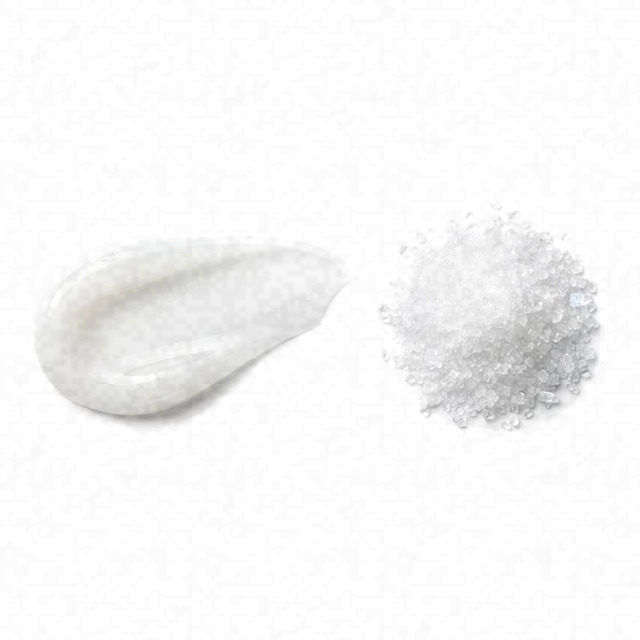 Thiamidol
 Sodium Hyaluronate
 Lactic Acid
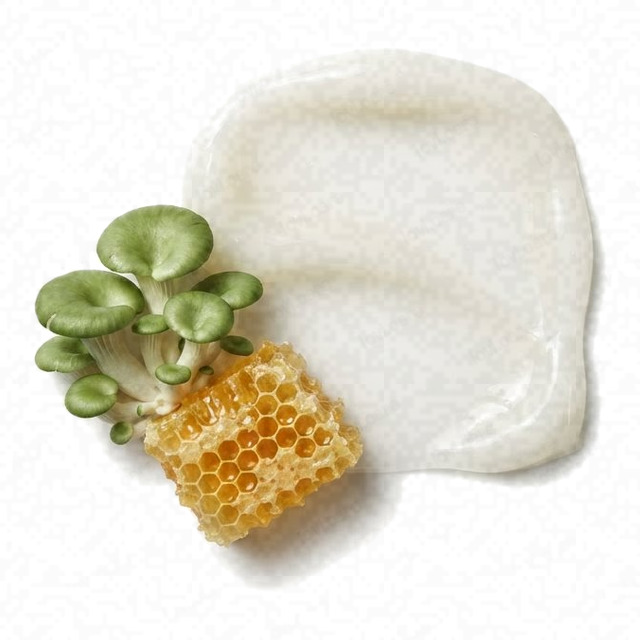 Panthenol
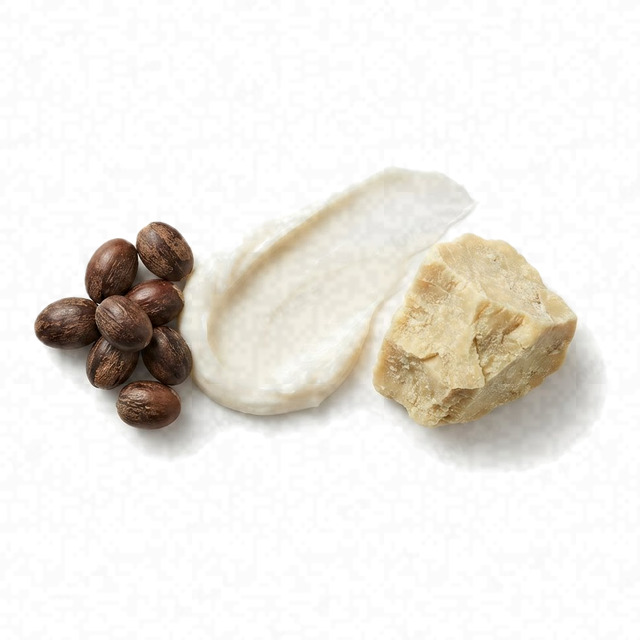 Butyrospermum Parkii Butter
Average
- AverageCombination Skin Fit
- AverageEffectiveness
- HighSafety
Works for acne-prone skin; other products fit it better.
- International Journal of Cosmetic Science, 2021
- Clinical, Cosmetic and Investigational Dermatology, 2017
This fit is calculated for the concerns frequently associated with acne-prone skin: breakouts, blackheads, and post-acne marks. For scores and recommendations based on your full skin profile, including your 12D face scan results and any goals or preferences you have, please use the Lovi app.
Page built Nov 8, 2026How the Fit score works
Lovi Assistant explains
- Offers moderate brightening for your combination skin due to Isobutylamido thiazolyl resorcinol and lactic acid, which help to even skin tone, but these benefits are mostly supportive and irrelevant for your primary concerns of acne, blemishes, and breakouts.
- Glycerin provides hydration suitable for combination skin, but the formula lacks sufficient ingredients for optimal oil control on your oily areas.
- The product is safe for your combination skin with no risks of irritation due to the absence of prohibited or harsh ingredients.
People Say
★4.2Overall rating based on 200+ reviewsUsers generally praise this cream for its ability to effectively fade dark spots and smooth rough, thickened skin on friction-prone areas like knees and elbows. While many report visible improvements in skin tone and texture within a few weeks, consistency is highlighted as a key requirement for success.
Highlights
Fades dark spots Mostly Mentioned
- “Dark spots started looking lighter”
- “Visible results in 2 weeks”
- “Reduced my hyperpigmentation”
Hydrating formula Often Mentioned
- “Feels very moisturised”
- “Leaves skin feeling soft”
- “Intense hydration”
Smooths rough skin Often Mentioned
- “Smooths thickened skin”
- “Elbows are way smoother”
- “Softens rough texture”
Requires consistency Often Mentioned
- “Skipping days didn't help”
- “Must be diligent”
- “Takes time to work”
Non-greasy texture Sometimes Noted
- “Sinks in fast”
- “Light and non-greasy”
- “Doesn't mess with products”
Sensitive skin friendly Sometimes Noted
- “Did not irritate”
- “Very good tolerability”
- “No stinging”
No sun protection Sometimes Noted
- “Doesn't provide sun protection”
- “SPF is still crucial”
- “Need to layer sunscreen”
Slow initial results Sometimes Noted
- “First two weeks? Not much”
- “Not used long enough”
- “Takes a few weeks”
Price point Rarely Noted
- “Worth the cash”
- “Hundreds spent on others”
- “Affordable pigmentation cream”
Sources: lovi.care, walmart.com, lookfantastic.com, bcare.us, escentual.com, beautybay.com, and more
Questions and answers
How well does Eucerin Anti-Pigment Body Cream work for acne-prone skin?
This body care works reasonably well for acne-prone skin, though other products fit it better. It helps even skin tone and provides hydration, but it lacks sufficient ingredients for oil control on oily areas. An ideal product for this skin needs effective ingredients like Salicylic Acid for acne and blemishes, alongside oil-controlling and soothing properties.
International Journal of Cosmetic Science, 2021Clinical, Cosmetic and Investigational Dermatology, 2017
Which ingredients make this cream a good fit for acne-prone skin?
This cream works for your acne-prone skin because it contains lactic acid and thiamidol, which help even your skin tone, along with sodium hyaluronate and glycerin for hydration. However, a product of this type needs ingredients like salicylic acid for effective oil control and managing breakouts.
What does Thiamidol do for acne-prone skin?
Thiamidol does not treat acne directly, but rather helps with dark spots left behind after breakouts fade. To care for acne-prone skin while tackling dark spots, a product of this type needs blemish-fighting ingredients like retinoids or azelaic acid.
What does Hyaluronic Acid do for acne-prone skin?
Hyaluronic acid helps acne-prone skin by soothing irritation, calming redness, and keeping the skin balanced without clogging pores. When combined with targeted ingredients like zinc oxide, it may also help reduce breakouts.
Where does it go in a skincare routine for acne-prone skin?
This body cream works as a moisturizer, which you apply after cleansing and toning in your morning or evening routine. While it offers supportive brightening for skin tone, acne-prone skin needs a body product that also provides oil control to properly manage breakouts.
Can I use this cream with retinol, and in what order?
You can use this body cream with retinol, applying it after your retinol has fully absorbed to help keep your skin comfortable. This type of product needs ingredients like ceramides and soothing agents to properly support and protect acne-prone skin against dryness and irritation.
Journal of Drugs in Dermatology, 2023The Journal of Dermatological Treatment, 2016
How often should I use it?
This body cream works for your acne-prone skin, though other products fit it better, so you may use it as needed for body care. A product for this skin needs oil control ingredients to help manage breakouts.
Can this cream clog pores, cause breakouts or purging for acne-prone skin?
This cream is unlikely to cause irritation on acne-prone skin, but its brightening benefits are mostly irrelevant for blemishes and breakouts. To better fit acne-prone skin, a product of this type needs dedicated oil-controlling ingredients to manage shine.
Is it fragrance-free and alcohol-free?
It contains fragrance (parfum) and drying alcohol (alcohol denat).
What the research says
Treatment with the tyrosinase inhibitor Thiamidol significantly lightened suction blister-induced post-inflammatory hyperpigmentation and improved acne-related post-inflammatory hyperpigmentation compared to vehicle control over 3 months.
International Journal of Cosmetic Science, 2021A single application of a moisturizing fluid containing hyaluronic acid 1%, glycerin 5%, and Centella asiatica stem cells extract significantly increased skin hydration by 29% and reduced transepidermal water loss at 24 hours compared to baseline and an untreated control site in twenty healthy women.
Clinical, Cosmetic and Investigational Dermatology, 2017Four-times daily Thiamidol application improves facial hyperpigmentation significantly more than two-times daily application in subjects with mild-to-moderate facial hyperpigmentation, and a real-world three-product Thiamidol regimen shows significant improvement of hyperpigmentation and skin parameters.
International Journal of Cosmetic Science, 2020Application of isobutylamido thiazolyl resorcinol twice daily prior to Q-switched Nd:YAG laser treatment significantly reduced the incidence of post-inflammatory hyperpigmentation at 4 weeks compared to no application in subjects with solar lentigines.
Journal of Cosmetic Dermatology, 2024Isobutylamido thiazolyl resorcinol prevented UVB-induced hyperpigmentation, resulting in significantly lower lightness index and earlier recovery of normal skin color compared to control in healthy participants without significant side effects.
Journal of Cosmetic Dermatology, 2021Topical application of 0.1% hyaluronic acid formulations of different molecular weights led to significant improvements in skin hydration and elasticity, with low-molecular-weight formulations also significantly reducing wrinkle depth in seventy-six female subjects compared to a vehicle control.
Journal of Drugs in Dermatology, 2011Topical application of hyaluronic acid in conjunction with free gingival graft significantly reduced donor site postoperative pain until day 7 compared to normal saline, with no significant differences in graft dimensions or patient satisfaction.
Clinical Oral Investigations, 2022Treatment with a hyaluronic acid-containing mouth rinse or topical gel led to significant lesion reduction, pain relief, and normalization of lesion color in adult patients with minor recurrent aphthous stomatitis, with the gel formulation showing an earlier healing onset at 3 days.
BMC Oral Health, 2019Application of a cream containing lactic acid 12% and pramoxine HCl 1% significantly improved skin dryness, hydration, and itch compared with a nontreated control in 24 women with a history of dry itchy skin.
Cutis, 2004Topical 12% ammonium lactate produced a significant sparing of epidermal and dermal atrophy induced by clobetasol propionate in human volunteers, without influencing the corticosteroid's bioavailability or antiinflammatory properties.
Journal of the American Academy of Dermatology, 1992A lactic acid/ceramide lotion significantly improved skin moisturization and desquamation compared to no treatment in women with dry, rough skin on the anterior shins.
The Journal of Clinical and Aesthetic Dermatology, 2020Topical dexpanthenol acts as a moisturizer, improves stratum corneum hydration, accelerates wound healing and epidermal regeneration, reduces erythema, and improves symptoms of skin irritation compared to vehicle or no pretreatment.
American Journal of Clinical Dermatology, 2002Moisturizer containing 5% panthenol, madecassoside, and copper-zinc-manganese decreased adverse reactions and downtime after ablative fractional carbon dioxide laser resurfacing with comparable efficacy to 0.02% triamcinolone acetonide cream in 20 subjects.
Journal of Cosmetic Dermatology, 2019Topical dexpanthenol formulated in lipophilic vehicles improved stratum corneum hydration and reduced transepidermal water loss compared to vehicle control in humans.
Arzneimittel-Forschung, 2000A combination cream of stimu-tex AS and saccharide isomerate reduced erythema, increased skin capacitance, and reduced transepidermal water loss compared to placebo in 20 subjects after fractional CO2 laser procedure without causing serious adverse events.
Lasers in Medical Science, 2025A skin barrier restoring cream with shea butter, silkflo, and vitamin E increased type I procollagen synthesis, enhanced antioxidant enzyme activity, decreased reactive oxygen species generation, and promoted hyaluronic acid production in H2O2-stimulated human keratinocyte cells compared to untreated cells.
International Journal of Cosmetic Science, 2025
Ingredients
Water, Glycerin, Alcohol Denat, Cetearyl Alcohol, Diisopropyl Adipate, Panthenol, Caprylic Capric Triglyceride, Glyceryl Stearate Citrate, Behenyl Alcohol, Cetyl Palmitate, Butyrospermum Parkii Butter, Cocoglycerides, Distarch Phosphate, Isobutylamido Thiazolyl Resorcinol, Sodium Hyaluronate, Lactic Acid, Hydroxypropyl Phosphate Starch, Triisostearin, Citric Acid, Tapioca Starch, Xanthan Gum, Pantolactone, Trisodium Edta, Ethylhexylglycerin, Caprylyl Glycol, Phenoxyethanol, Parfum
Behind this fit score
Lovi calculates every fit score from the full ingredient list with brand-independent rules our dermatologists and cosmetic chemists build and review, and personalizes every pick with AI trained on the real results of millions of users. Lovi trains its fit score models on a proprietary dataset built from more than 10,000 expert-labeled products and more than 100,000 simulated examples, following an internally consistent methodology presented at Cosmoprof, AMWC, and Skin of Color Update.
-

Co-founder, Medical Director
Cosmetic chemist, cosmetologist, aesthetic products developer
-

Co-founder, CEO and CTO
PhD in computer science, 3x US patent holder, ex-Google, ex-Yandex
-

Dr. Sofía Perea Pérez, MD, MSc
Medical Board
Aesthetic medicine practitioner, MSc in Longevity and Anti-Aging Medicine
-

Medical Board
Specialist dermatologist, MBBS, MD, IFAAD
-

Medical Board
Cosmetic chemist, SCS, IFSCC member
-

Medical Board, Medical Advisor
Dermatology MD
-

Elina Nazarenko, MD
Medical Board
Dermatology and diagnostic consultant
-

Victoria Derkova, MS
Medical Board
Cosmetic chemist, cosmetic development technologist


How does it fit your skin?
Scan your face, then any product: Lovi shows how well it fits you and what fits even better.