Drunk Elephant Bouncy Brightfacial for oily acne-prone skin

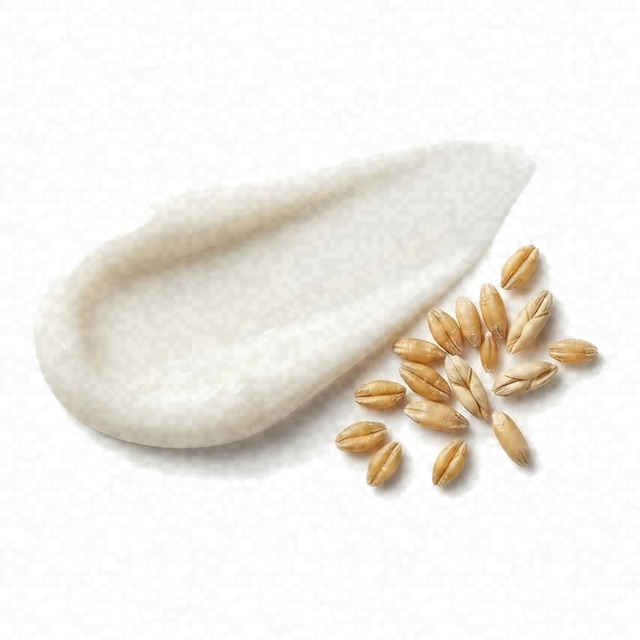 Azelaic Acid
 Salicylic Acid
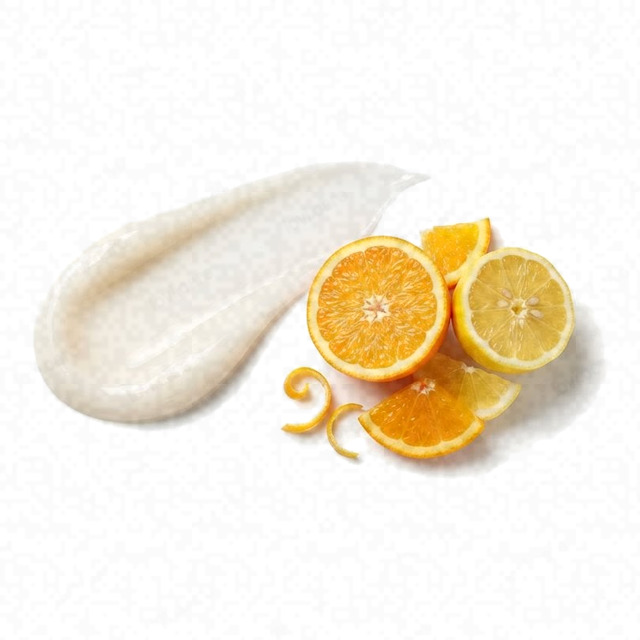 Triple Brightening Complex
 Niacinamide
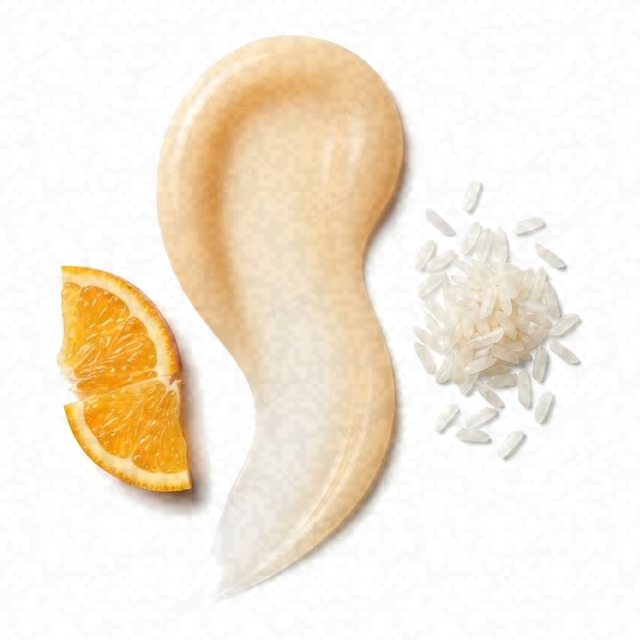 Ferulic Acid
High
- HighOily Skin Fit
- HighEffectiveness
- HighSafety
One of the best nourishing masks for oily acne-prone skin.
This fit is calculated for the concerns frequently associated with oily acne-prone skin: shine, breakouts, blemishes, and enlarged pores. For scores and recommendations based on your full skin profile, including your 12D face scan results and any goals or preferences you have, please use the Lovi app.
Page built Nov 8, 2026How the Fit score works
Lovi Assistant explains
- Highly suitable for your oily, acne-prone skin as azelaic acid and salicylic acid effectively exfoliate and regulate sebum production to address blemishes and oiliness.
- Niacinamide and phloretin further support oil control and skin brightening, complementing the primary actives for a smoother complexion.
- The formulation is safe for your skin, containing no harsh or prohibited ingredients that could cause irritation.
How to apply
- Could be used as part of your AM or PM routine. Start using the creamy mask 3 times a week and slowly move to daily use.
- Apply the creamy mask after your cleanser and toner, but right before your moisturizer or SPF.
- Gently smooth a thin layer of the creamy mask over your face. Avoid any harsh rubbing motions.
- Apply the creamy mask evenly on clean and dry skin for the best results against blemishes. Let it sit comfortably without rushing the process.
- Always avoid the delicate eye area. Do a quick patch test before your very first application to check for safety.
People Say
★4.5Overall rating based on 1.5k+ reviewsBased on a very large amount of data, users with acne-prone skin and post-inflammatory hyperpigmentation report significant improvements in skin clarity and tone, frequently noting the product's ability to fade stubborn dark spots and calm redness. Many praise its lightweight, bouncy texture that absorbs quickly without pilling, though those with drier skin types often find it requires layering with a heavy moisturizer to prevent dryness.
Highlights
Fades dark spots Mostly Mentioned
- “fading stubborn post-acne spots”
- “dark spots are fading faster”
- “helped restore my skin's clarity”
Lightweight absorption Often Mentioned
- “absorbs almost immediately”
- “lovely and lightweight”
- “no pilling at all”
Smoothes skin texture Often Mentioned
- “skin felt super smooth”
- “improved texture and lower congestion”
- “bouncier and brighter”
Reduces redness Sometimes Noted
- “evens out my redness”
- “soothe any redness”
- “calm my skin down almost immediately”
Drying formula Sometimes Noted
- “made my skin dry”
- “dries my skin out so badly”
- “not moisturizing enough on its own”
High price point Sometimes Noted
- “insanely overpriced”
- “don't want to love it because of the price”
- “spent so much money on it”
Opaque packaging Rarely Noted
- “can never tell how much is left”
- “afraid of running out unexpectedly”
- “guesswork out of dosage”
Potential irritation Rarely Noted
- “itched uncontrollably”
- “got spicy fast”
- “burning or tingling”
Sources: lovi.care, sephora.com, ulta.com, cultbeauty.co.uk, drunkelephant.com, reddit.com, and more
Questions and answers
What makes Drunk Elephant Bouncy Brightfacial a great fit for oily acne-prone skin?
Drunk Elephant Bouncy Brightfacial is a great fit because azelaic acid and salicylic acid effectively clear out pores and help control extra oil. Niacinamide and phloretin further support oil control and help brighten your skin for a smoother complexion.
Which ingredients make this mask a good fit for oily acne-prone skin?
Azelaic Acid and Salicylic Acid make this mask a great fit because they exfoliate and help control oil to clear up blemishes. Niacinamide and phloretin further support oil control and help brighten your skin for a smoother look.
What does Azelaic Acid do for oily acne-prone skin?
Azelaic acid helps calm angry blemishes, clears out pores, and fades leftover dark marks on oily, acne-prone skin. It targets multiple root causes of breakouts by keeping bacteria in check and reducing swelling, which makes it very helpful for everyday management.
What does Salicylic Acid do for oily acne-prone skin?
Salicylic acid helps clear breakouts and keeps oily skin balanced by reducing oil levels and calming inflammation. It is well suited for oily, acne-prone skin because it targets pimples while helping keep the skin hydrated and protected.
Journal of Cosmetic Dermatology, 2025Experimental Dermatology, 2019
Where does this mask go in a skincare routine for oily acne-prone skin?
This mask goes in your evening routine as a treatment, starting once a week and slowly using it more often if your skin tolerates it well. Azelaic acid and salicylic acid help clear blemishes and control oil, while niacinamide and other ingredients brighten your complexion and support a smooth look.
Can I use this mask with retinol, and in what order?
You can use this mask alongside retinol by applying the mask first and letting it absorb before putting on your retinol, or by using them on alternating nights to keep your skin calm. Because both products work hard to clear pores and smooth texture, using them together may occasionally cause dryness or irritation.
How often should I use this mask?
Start by using this mask once a week in your evening routine, and if your skin tolerates it well and you see good results, you can carefully use it more often. The azelaic acid and salicylic acid inside help clear blemishes and control oiliness, while having a safe profile that is unlikely to cause irritation.
Can this mask clog pores, cause breakouts or purging for oily acne-prone skin?
This mask is a great fit for oily acne-prone skin because azelaic acid and salicylic acid help clear pores and control oil. It is unlikely to cause breakouts, and its safe formulation avoids harsh ingredients that could irritate your skin.
Is this mask fragrance-free and alcohol-free?
Yes, it has no fragrance and no drying alcohol. Cetyl alcohol is a fatty alcohol, which soften the skin.
What the research says
Azelaic acid nanocrystal hydrogel 10% achieved a higher success rate and greater lesion reduction than azelaic acid cream 20% in patients with mild to moderate facial acne.
Pharmaceutics, 2021Application of 15% azelaic acid gel significantly reduced post-inflammatory erythema and hyperpigmentation, decreased hemoglobin and melanin content, improved quality of life, and contributed to acne improvement in patients with mild to moderate acne compared to placebo.
Dermatology and Therapy, 2024A moisturizer containing licochalcone A, 1,2-decanediol, L-carnitine, and salicylic acid significantly reduced noninflammatory, inflammatory, and total acne lesion counts compared to a vehicle control in Thai patients during a 12-week maintenance phase.
BioMed Research International, 2020Niacinamide significantly decreased hyperpigmentation and increased skin lightness compared with vehicle alone after 4 weeks of use in women by inhibiting melanosome transfer.
The British Journal of Dermatology, 2002Phloretin inhibits the growth of acne-related bacteria, attenuates P. acnes-induced inflammatory mediators in vitro, and significantly reduces comedo counts, sebum output, and porphyrin levels in subjects with whiteheads compared to before treatment.
International Journal of Cosmetic Science, 2016Topical application of a dermocosmetic containing Myrtus communis extract and azelaic acid reduced acne relapses and helped maintain remission compared to a light moisturizing cream in adult females in the acne maintenance phase over 16 weeks.
Journal of the European Academy of Dermatology and Venereology, 2023Topical administration of 20% azelaic acid cream and 5% tranexamic acid solution comparably improved acne-related postinflammatory hyperpigmentation in patients with acne vulgaris, while tranexamic acid demonstrated a significantly better safety profile at week 4.
Journal of Research in Medical Sciences, 2023Azelaic acid 15% gel showed comparable efficacy to adapalene 0.1% gel in reducing lesions, severity, and Dermatology Life Quality Index in women with adult acne, with significantly lower dryness and scaling, and demonstrated superiority during maintenance compared to no further treatment.
Journal of the European Academy of Dermatology and Venereology, 2015Cryotherapy with liquid nitrogen achieved a higher cure rate (39%) than salicylic acid (24%) and a wait-and-see approach (16%) for cutaneous warts at 13 weeks in primary care patients.
CMAJ, 2010Treatment with 2% supramolecular salicylic acid hydrogel resulted in a regression and markedly improvement rate of 51.01% compared to 43.10% for Adapaline gel in patients with mild to moderate facial acne vulgaris, showing no significant difference in efficacy.
Journal of Cosmetic Dermatology, 2024Topical 5% benzoyl peroxide plus salicylic acid achieved the greatest lesion reduction at early 2 to 4 week time points compared to benzoyl peroxide, clindamycin, and combination benzoyl peroxide/clindamycin, while 5% benzoyl peroxide plus salicylic acid and combination benzoyl peroxide/clindamycin showed similar efficacy at 10 to 12 weeks in acne patients.
Journal of the American Academy of Dermatology, 2010Topical post-laser application of human adipocyte-derived mesenchymal stem cell media combined with niacinamide significantly improved wrinkle index, melanin index, patient satisfaction, and investigator esthetic improvement scores compared to vehicle cream in patients with aging skin.
Journal of Cosmetic Dermatology, 2021Topical nicotinamide prevented solar-simulated UV-induced immunosuppression in healthy volunteers, and men experienced immunosuppression at solar-simulated UV doses three times lower than those required for women.
The Journal of Investigative Dermatology, 2008Topical 5% niacinamide applied twice daily for 12 weeks reduced fine lines and wrinkles, hyperpigmented spots, red blotchiness, and skin sallowness, and improved skin elasticity compared to vehicle control in 50 female white subjects with facial photoaging.
Dermatologic Surgery, 2005Treatment with 14% ferulic acid and 12% l-ascorbic acid significantly reduced pigmentation and erythema while improving hydration and elasticity in 20 women with photoaged skin, with neither acid proving definitively more effective overall though ascorbic acid showed slightly greater skin lightening.
Dermatologic Therapy, 2022Combining fractional microneedle radiofrequency with a topical antioxidant serum significantly reduced wrinkle severity by 29.9% versus 18.0%, increased elasticity by 12.9% versus 2.3%, and improved aesthetic outcomes in 31 participants compared to radiofrequency and placebo.
The Journal of Dermatological Treatment, 2025Pretreatment with a topical antioxidant mixture of vitamin C, ferulic acid, and phloretin attenuated ultraviolet-induced sunburn cell formation, thymine dimer formation, matrix metalloproteinase-9 expression, p53 protein expression, and the suppression of CD1a-expressing Langerhans cells in human skin compared to vehicle control.
Journal of Cosmetic Dermatology, 2008
Ingredients
Water, Azelaic Acid, Hydroxyethyl Acrylate Sodium Acryloyldimethyl Taurate Copolymer, Salicylic Acid, Glycerin, Pumpkin Seed Oil, Salvia Hispanica Seed Oil, Sclerocarya Birrea Seed Oil, Pentylene Glycol, Diglucosyl Gallic Acid, Niacinamide, Phloretin, Allantoin, Ferulic Acid, Dipotassium Glycyrrhizate, Tremella Fuciformis Sporocarp Extract, Behenic Acid, Glutathione, Linoleic Acid, Tocotrienols, Thioctic Acid, Linolenic Acid, Ergothioneine, Cholesterol, Ceramide Ns, Ceramide Ap, Ceramide Eop, Ceramide Eos, Ceramide Np, Sodium Hyaluronate Crosspolymer, Amylopectin, Ellagic Acid, Pseudozyma Epicola Camellia Sinensis Seed Oil Extract Ferment Filtrate, Caprooyl Phytosphingosine, Caprooyl Sphingosine, Squalane, Ascorbyl Palmitate, Acetyl Glucosamine, Punica Granatum Extract, Dextrin, Sebacic Acid, Rice Bran Oil, Tocopherol, Ceteareth-25, Phenoxyethanol, Sorbitan Isostearate, Polydextrose, Cetyl Alcohol, Caprylyl Glycol, Chlorphenesin, Polysorbate 60, Ethylhexylglycerin
Behind this fit score
Lovi calculates every fit score from the full ingredient list with brand-independent rules our dermatologists and cosmetic chemists build and review, and personalizes every pick with AI trained on the real results of millions of users. Lovi trains its fit score models on a proprietary dataset built from more than 10,000 expert-labeled products and more than 100,000 simulated examples, following an internally consistent methodology presented at Cosmoprof, AMWC, and Skin of Color Update.
-

Co-founder, Medical Director
Cosmetic chemist, cosmetologist, aesthetic products developer
-

Co-founder, CEO and CTO
PhD in computer science, 3x US patent holder, ex-Google, ex-Yandex
-

Dr. Sofía Perea Pérez, MD, MSc
Medical Board
Aesthetic medicine practitioner, MSc in Longevity and Anti-Aging Medicine
-

Medical Board
Specialist dermatologist, MBBS, MD, IFAAD
-

Medical Board
Cosmetic chemist, SCS, IFSCC member
-

Medical Board, Medical Advisor
Dermatology MD
-

Elina Nazarenko, MD
Medical Board
Dermatology and diagnostic consultant
-

Victoria Derkova, MS
Medical Board
Cosmetic chemist, cosmetic development technologist


How does it fit your skin?
Scan your face, then any product: Lovi shows how well it fits you and what fits even better.