Dermasil NIGHT CREAM for oily acne-prone skin

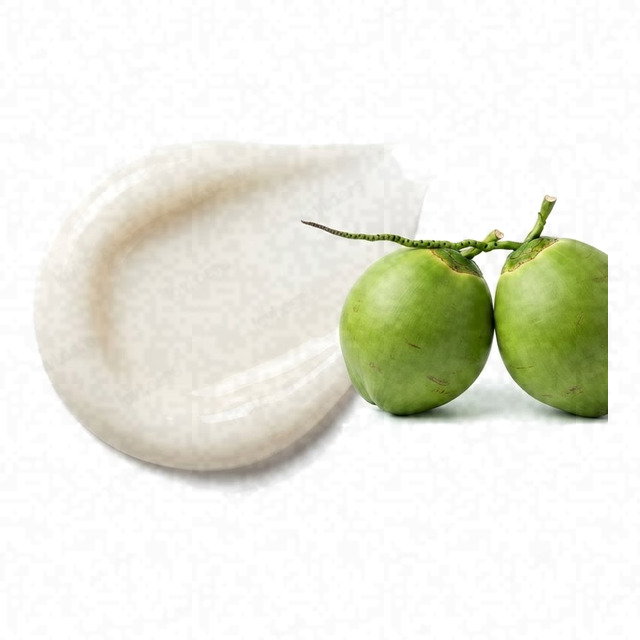 Coco-Caprylate Caprate
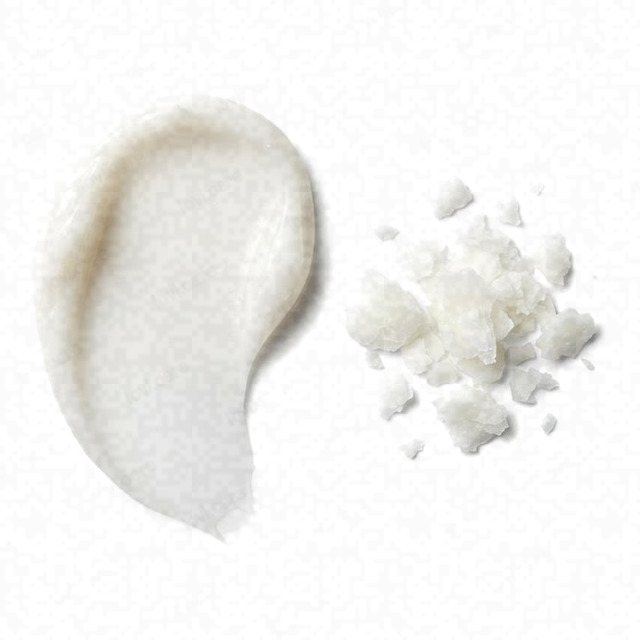 Cetearyl Alcohol
Low
- LowOily Skin Fit
- AverageEffectiveness
- ConcerningSafety
A weak match for oily acne-prone skin; the moisturizers alongside fit it better.
This fit is calculated for the concerns frequently associated with oily acne-prone skin: shine, breakouts, blemishes, and enlarged pores. For scores and recommendations based on your full skin profile, including your 12D face scan results and any goals or preferences you have, please use the Lovi app.
Page built Nov 8, 2026How the Fit score works
Lovi Assistant explains
- Offers moderate moisturizing for your oily skin due to glycerin and hyaluronic acid, but squalane may overwhelm oily skin and lacks ingredients to target acne and breakouts.
- Ascorbic acid provides antioxidant benefits, but the formula does not contain specialized ingredients to effectively address your acne, blemishes, and breakouts.
How to apply
- Use this AM and PM routine every day to help clear your skin. Always remember to finish with SPF in the morning.
- Apply the moisturizer after your cleanser and toner, right before your SPF during the day.
- Gently press a small amount into your skin and avoid rubbing to keep pores clear.
- Apply on clean, slightly damp skin to help the product absorb better and control oil.
- Avoid the sensitive eye area and do a simple patch test before your first use.
People Say
★3.8Overall rating based on 100+ reviewsBased on limited data, this night cream is frequently praised for its affordability and lightweight, non-greasy texture that leaves normal to combination skin feeling soft. However, some users with very dry skin find it not hydrating enough, and a small number report experiencing skin irritation.
Highlights
Affordable price Mostly Mentioned
- “Quality care doesn't have to be expensive”
- “For $1.25 it is super nice”
- “Great and very affordable”
Non-greasy texture Often Mentioned
- “Not greasy at all”
- “Doesn't leave a sticky feel”
- “Light and doesn't sit on skin”
Softens skin Often Mentioned
- “Leaves my skin soft and supple”
- “Face feels incredibly soft”
- “Best my skin has felt”
Absorbs well Sometimes Noted
- “Soaks in well”
- “Skin just drinks it up”
- “Absorbs effortlessly”
Insufficient hydration Sometimes Noted
- “Not hydrating enough”
- “Wake up with dry patches”
- “Need stuff that's heavier”
Contains alcohol Rarely Noted
- “Not for face because this cream has alcohol”
- “Concerned about ingredients”
Skin irritation Rarely Noted
- “Made my face red and irritated”
- “Got a rash after a week”
- “Made my skin sting”
Sources: lovi.care, lemon8-app.com, ebay.com, reddit.com, influenster.com, walmart.com, and more
Questions and answers
Why is Dermasil Night Cream a weak match for oily acne-prone skin?
Dermasil Night Cream is a weak match because squalane may overwhelm oily skin and the formula lacks ingredients to target acne and breakouts. A product of this type needs powerful hydrating and repairing ingredients, brightening agents, soothing extracts, and peptides that address hydration needs while maintaining a lightweight texture without heavy oils.
Clinical, Cosmetic and Investigational Dermatology, 2017The Journal of Investigative Dermatology, 2006
Which ingredients make this cream a poor fit for oily acne-prone skin?
Squalane makes this cream a poor fit because it may overwhelm oily skin, and the formula lacks ingredients to target acne and breakouts. A product of this type needs powerful hydrating and repairing ingredients that address acne and blemishes without heavy oils.
What does Water do for oily acne-prone skin?
Water helps keep oily, acne-prone skin hydrated without making it greasy. Keeping skin hydrated is important because acne treatments can dry it out and irritate the skin barrier.
What does Coco-Caprylate do for oily acne-prone skin?
Coco-caprylate gives oily acne-prone skin a light, smooth feel without leaving a heavy layer behind. Because this type of skin needs ingredients that do not clog pores, a product here works best when it is lightweight and oil-free to help keep your face clear and balanced.
Where does this cream go in a skincare routine for oily acne-prone skin?
This moisturizing treatment goes in the evening routine after your cleansing toner and treatment, or as the final step in the morning before your sunscreen. While it gives your oily skin some moisture, squalane may overwhelm it and the formula lacks ingredients to target acne and breakouts. An oily acne-prone skin routine needs a lightweight moisturizer with blemish-fighting ingredients and oil-balancing agents.
Can I use it with retinol, and in what order?
You can use this moisturizer with retinol, applying the retinol first and following with the cream once it absorbs. This helps keep oily skin hydrated while potentially buffering the dryness that retinol can cause, though a product of this type for your skin needs lightweight hydrators and ingredients that actively target breakouts instead of heavy oils that may overwhelm it.
How often should I use this cream?
This cream is a weak match for your oily acne-prone skin, as it may overwhelm your skin and lacks ingredients to target breakouts. Oily acne-prone skin needs lightweight, balancing moisturizers with ingredients that clear blemishes and control excess oil.
Can it clog pores, cause breakouts or purging for oily acne-prone skin?
This cream is a weak match for your oily acne-prone skin because heavy ingredients like squalane may overwhelm it and it lacks ingredients to target acne and breakouts. A product of this type for this skin needs lightweight hydrators and specialized ingredients that clear pores and address blemishes.
Can I use this cream around the eyes or on my body?
This moisturizing treatment is generally safe to use on the body and around the eyes, though the skin on the body is much thicker than the thin skin found on the eyelids. Regular application of creams containing hydrating ingredients like glycerin and hyaluronic acid is unlikely to cause irritation in these areas.
Surgical and Radiologic Anatomy, 2002Clinical, Cosmetic and Investigational Dermatology, 2017
Is it fragrance-free and alcohol-free?
Yes, it has no fragrance and no drying alcohol. Cetearyl alcohol is a fatty alcohol, which soften the skin.
What the research says
A single application of a moisturizing fluid containing hyaluronic acid 1%, glycerin 5%, and Centella asiatica stem cells extract significantly increased skin hydration by 29% and reduced transepidermal water loss at 24 hours compared to baseline and an untreated control site in twenty healthy women.
Clinical, Cosmetic and Investigational Dermatology, 2017Peroxidated squalene induces an early activation of NF-kappaB, an increase in PPARalpha levels, and an upregulation of IL-6 production in HaCaT keratinocytes, which is subsequently counteracted by PPARalpha activation.
The Journal of Investigative Dermatology, 2006Liquid coco-caprylate/caprate combined with electrogenic Staphylococcus epidermidis significantly reduced UV-B-induced skin injuries in mice compared to poorly electrogenic isolates.
Scientific Reports, 2020
Why other moisturizers fit oily acne-prone skin better
Co-delivery of paeonol and madecassoside via nanoemulsions improved transdermal delivery, promoted barrier repair proteins, inhibited inflammatory cytokine secretion in cellular and 3D models, and reduced transepidermal water loss and acne in human facial skin compared to free components.
Molecules, 2023A panthenol-enriched mask improved skin hydration, regulated sebum, and reduced redness and TEWL across dry sensitive, oily sensitive, and oily acne skin subgroups with excellent tolerance and no adverse reactions.
Journal of Cosmetic Dermatology, 2024A facial serum containing snail secretion filtrate, Calendula officinalis, and Glycyrrhiza glabra root extract significantly reduced inflammatory acne lesions compared to placebo in 66 participants with mild-to-moderate maskne over 12 weeks.
Journal of Cosmetic Dermatology, 2022
Ingredients
Water, Coco-Caprylate Caprate, Cetearyl Alcohol, Glycerin, Isopropyl Palmitate, Ceteareth-20, Glyceryl Stearate, Propylene Glycol, Dimethicone, Tocopheryl Acetate Vitamin E, Phenoxyethanol, Carbomer, Disodium Edta, Squalane, Pelargonium Graveolens Oil, Hyaluronic Acid, Ascorbic Acid, Methylisothiazolinone, Iodopropynyl Butylcarbamate
Behind this fit score
Lovi calculates every fit score from the full ingredient list with brand-independent rules our dermatologists and cosmetic chemists build and review, and personalizes every pick with AI trained on the real results of millions of users. Lovi trains its fit score models on a proprietary dataset built from more than 10,000 expert-labeled products and more than 100,000 simulated examples, following an internally consistent methodology presented at Cosmoprof, AMWC, and Skin of Color Update.
-

Co-founder, Medical Director
Cosmetic chemist, cosmetologist, aesthetic products developer
-

Co-founder, CEO and CTO
PhD in computer science, 3x US patent holder, ex-Google, ex-Yandex
-

Dr. Sofía Perea Pérez, MD, MSc
Medical Board
Aesthetic medicine practitioner, MSc in Longevity and Anti-Aging Medicine
-

Medical Board
Specialist dermatologist, MBBS, MD, IFAAD
-

Medical Board
Cosmetic chemist, SCS, IFSCC member
-

Medical Board, Medical Advisor
Dermatology MD
-

Elina Nazarenko, MD
Medical Board
Dermatology and diagnostic consultant
-

Victoria Derkova, MS
Medical Board
Cosmetic chemist, cosmetic development technologist


How does it fit your skin?
Scan your face, then any product: Lovi shows how well it fits you and what fits even better.