CLIV PHA Mild Enzyme Powder for acne-prone skin

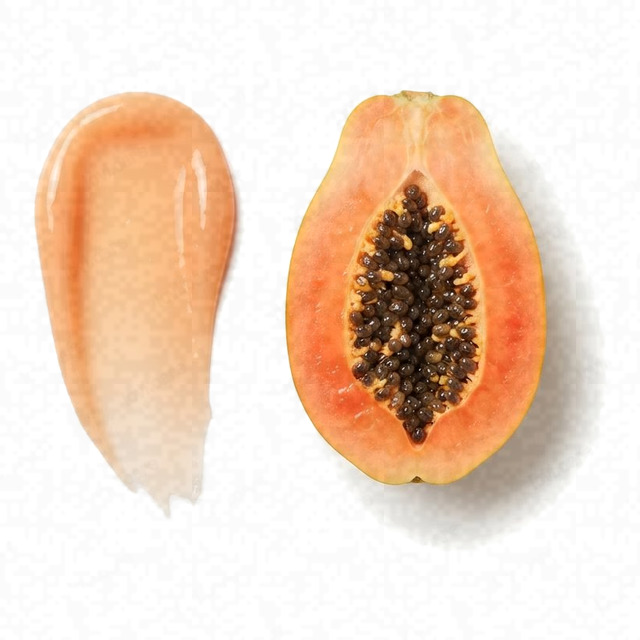 Papain
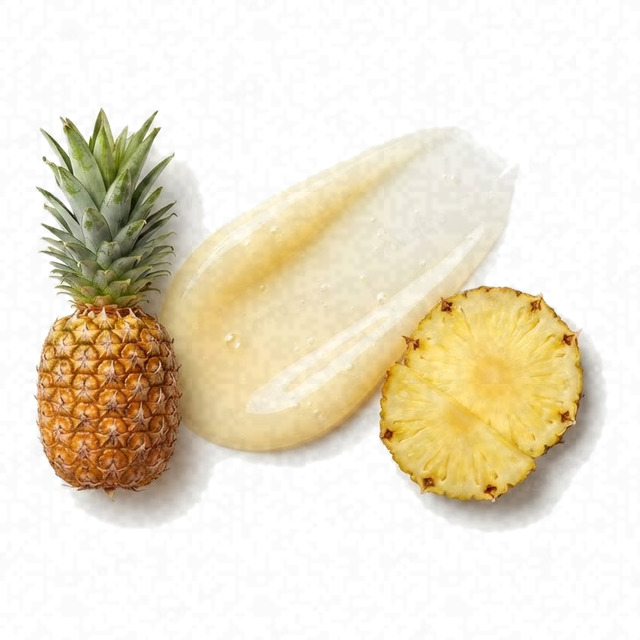 Bromelain
 Gluconolactone
 Sodium Hyaluronate
 Allantoin
High
- HighCombination Skin Fit
- HighEffectiveness
- HighSafety
A great choice for acne-prone skin; a few products fit it even better.
- Giornale Italiano Di Dermatologia E Venereologia, 2015
- Clinical, Cosmetic and Investigational Dermatology, 2017
This fit is calculated for the concerns frequently associated with acne-prone skin: breakouts, blackheads, and post-acne marks. For scores and recommendations based on your full skin profile, including your 12D face scan results and any goals or preferences you have, please use the Lovi app.
Page built Nov 8, 2026How the Fit score works
Lovi Assistant explains
- Offers excellent exfoliation for your acne and blemishes due to high concentrations of papain and bromelain, which provide enzymatic cleansing and texture smoothing, complemented by humectants like sodium hyaluronate and glycerin for hydration suitable for your combination skin.
- Lactobacillus Punica Granatum Extract Fruit Ferment and Portulaca Oleracea Extract offer additional soothing and antioxidant benefits, further supporting your skin's health.
- The formula is safe for your acne-prone skin, containing soothing ingredients like allantoin and sodium hyaluronate with no harsh or prohibited substances.
How to apply
- Could be used as part of your weekly routine. Start by using the enzyme powder exfoliant once a week and increase only if your skin tolerates it well.
- Apply the enzyme powder exfoliant after cleansing and before using a hydrating toner or your mask. This ensures the product works effectively on clean skin.
- Mix the enzyme powder exfoliant with a little water in your hands to create a gentle foam . Gently massage it onto your face while avoiding any harsh rubbing.
- Apply the enzyme powder exfoliant on slightly damp skin to help with gentle activation and even distribution. Make sure to rinse thoroughly with lukewarm water afterwards.
- Always avoid the delicate eye area when applying the enzyme powder exfoliant. Do a patch test before your first use to check for any sensitivity.
People Say
★5.0Overall rating based on 100+ reviewsBased on limited data, this enzyme powder is highly praised for its ability to gently exfoliate and deeply cleanse the skin without causing irritation or dryness. Users with sensitive and mixed skin types report that it effectively removes impurities and makeup, leaving the skin feeling exceptionally smooth, soft, and hydrated.
Highlights
Non-stripping cleanse Mostly Mentioned
- “skin is not tight”
- “leaves skin soft”
- “does not dry out skin”
Gentle exfoliation Often Mentioned
- “gently exfoliates and smooths”
- “doesn't cause any irritation”
- “mild enzyme powder”
Skin texture improvement Often Mentioned
- “skin is silky smooth”
- “improves rough skin texture”
- “face feels delicate”
Limited availability Often Mentioned
- “Out of stock”
- “hard to find reviews”
- “niche K-beauty item”
Suitable for sensitive skin Sometimes Noted
- “soothes sensitive skin”
- “did not cause breakouts”
- “calmed my mixed skin”
Price point Sometimes Noted
- “Premium product”
- “expensive for daily wash”
- “luxury pricing”
Messy application Rarely Noted
- “dusting up when opening”
- “hard to dose amount”
- “messy if wet”
Potential irritants Rarely Noted
- “Papain can be irritating”
- “Corn starch (high comedogenicity risk)”
- “Irritation risk: medium”
Sources: lovi.care, wizaz.pl, wimj.com, yesstyle.com, meliorabeautyshop.com, and more
Questions and answers
What makes CLIV PHA Mild Enzyme Powder a great fit for acne-prone skin?
CLIV PHA Mild Enzyme Powder is a great fit because it offers gentle yet effective cleansing for acne and blemishes using papain and bromelain to smooth texture. It also helps hydrate and calm the skin with sodium hyaluronate, glycerin, allantoin, and portulaca oleracea extract.
Giornale Italiano Di Dermatologia E Venereologia, 2015Clinical, Cosmetic and Investigational Dermatology, 2017
Which ingredients make this exfoliant a good fit for acne-prone skin?
Papain and bromelain make this exfoliant a great fit for your acne-prone skin by providing gentle enzymatic cleansing and smoothing rough texture. They work alongside sodium hyaluronate and glycerin to hydrate, while allantoin and portulaca oleracea extract help soothe the skin.
Giornale Italiano Di Dermatologia E Venereologia, 2015Clinical, Cosmetic and Investigational Dermatology, 2017
What does Papain do for acne-prone skin?
Papain helps clear acne-prone skin by gently removing dead cells and targeting blemishes as part of a targeted treatment gel used daily. However, it may cause mild redness or irritation, and since it can disrupt the skin barrier, acne-prone skin also needs soothing, barrier-repairing ingredients to stay calm and protected.
Giornale Italiano Di Dermatologia E Venereologia, 2015The Journal of Investigative Dermatology, 2015
What does Bromelain do for acne-prone skin?
Bromelain helps calm acne-prone skin by reducing swelling and irritation. This ingredient may also support clearer skin through its anti-inflammatory properties.
Molecular Carcinogenesis, 2012Journal of Ethnopharmacology, 1988
Where does this exfoliant go in a skincare routine for acne-prone skin?
Use this enzyme powder once a week in your evening routine after a makeup remover and cleanser, followed by a hydrating toner, treatment, and moisturizer. Start slowly once a week, and if your skin tolerates it well and shows good results, you may carefully use it more often.
Can I use this exfoliant with retinol, and in what order?
Yes, you can use this exfoliant in your weekly routine, but avoid applying it on the same nights you use a strong retinol treatment to prevent irritation. Instead, use the enzyme powder on its designated weekly exfoliation night after cleansing, and follow with your regular hydrating toner and moisturizer.
How often should I use this exfoliant?
You can start using this enzyme powder once a week as part of your routine. People who tolerate it well and see good results may carefully use it more often.
Can this exfoliant clog pores, cause breakouts or purging for acne-prone skin?
This exfoliant is a great fit because it helps smooth texture and clear blemishes safely without clogging pores or causing harsh irritation. It includes soothing ingredients that help keep acne-prone skin calm and hydrated.
Giornale Italiano Di Dermatologia E Venereologia, 2015Clinical, Cosmetic and Investigational Dermatology, 2017
Is this exfoliant fragrance-free and alcohol-free?
Yes, it has no fragrance and no drying alcohol.
What the research says
A fixed combination of hydroxypinacolone retinoate, retinol glycospheres, and papain glycospheres in aqueous gel applied once daily for 12 weeks achieved a 41% mean reduction in GAGS score and a 40.8% mean reduction in total lesions, with 15.3% of patients experiencing mild to moderate local side effects, in 94 evaluable patients with comedonal-papular, mild to moderate acne of the face.
Giornale Italiano Di Dermatologia E Venereologia, 2015A single application of a moisturizing fluid containing hyaluronic acid 1%, glycerin 5%, and Centella asiatica stem cells extract significantly increased skin hydration by 29% and reduced transepidermal water loss at 24 hours compared to baseline and an untreated control site in twenty healthy women.
Clinical, Cosmetic and Investigational Dermatology, 2017Facial masks containing low-temperature extracted Portulaca oleracea protect sensitive skin from photothermal stimulation and improve skin barrier function during photorejuvenation.
Cutaneous and Ocular Toxicology, 2025Portulaca oleracea extract ameliorated skin barrier damage and inflammation induced by combined exposure to glycolic acid and UVB in HaCaT cells.
Cutaneous and Ocular Toxicology, 2022Topical papain treatment may slightly decrease pain within 30 minutes in humans stung by Chrysaora chinensis compared to placebo.
Wilderness & Environmental Medicine, 2016Reflux extraction of Carica papaya leaves yielded higher antioxidant capacity and superior in vitro wound-healing activities including fibroblast proliferation, cell migration, and collagen synthesis in human skin fibroblasts compared to ultrasonic-assisted extraction and agitation.
Molecules, 2020Carica papaya leaf extracts obtained via supercritical fluid and conventional methods demonstrated antioxidant and cytoprotective effects on skin fibroblasts against oxidative stress, driven by their respective lipophilic and hydrophilic constituents.
Molecules, 2021Oral bromelain slightly reduced pain compared to controls (mean difference -0.27) and topical bromelain reduced time to complete debridement by 6.89 days, with no major health risks reported.
Nutrition and Health, 2023An upcycled pineapple leaf fibre crosspolymer forms a physical barrier that protects against environmental aggressors while providing antioxidant, anti-inflammatory, antipollution, UV protection, hydration, and hair benefits.
International Journal of Cosmetic Science, 2026A coaxial electrospun core-shell nanofiber scaffold delivering bromelain and salvianolic acid B demonstrated sustained drug release, in vitro endothelial cell migration, increased capillary formation in an in ovo assay, and in vivo efficacy for skin regeneration and wound healing.
Biomedical Materials, 2017Glycolic acid, salicylic acid, gluconolactone, and licochalcone A combined with 0.1% adapalene showed no hindrance compared to adapalene monotherapy and provided benefits in reducing complications in 25 subjects with mild-to-moderate acne vulgaris.
Clinical, Cosmetic and Investigational Dermatology, 2019Gluconolactone and tartaric acid significantly lower transepidermal water loss and erythema after sodium lauryl sulphate challenge compared to vehicle, untreated control, and glycolic acid in healthy subjects.
The British Journal of Dermatology, 1997Gluconolactone 14% solution significantly improved mild to moderate acne by reducing inflamed and non-inflamed lesions similarly to 5% benzoyl peroxide, but with fewer side-effects in 150 patients.
The Australasian Journal of Dermatology, 1992Topical application of 0.1% hyaluronic acid formulations of different molecular weights led to significant improvements in skin hydration and elasticity, with low-molecular-weight formulations also significantly reducing wrinkle depth in seventy-six female subjects compared to a vehicle control.
Journal of Drugs in Dermatology, 2011Topical application of hyaluronic acid in conjunction with free gingival graft significantly reduced donor site postoperative pain until day 7 compared to normal saline, with no significant differences in graft dimensions or patient satisfaction.
Clinical Oral Investigations, 2022Treatment with a hyaluronic acid-containing mouth rinse or topical gel led to significant lesion reduction, pain relief, and normalization of lesion color in adult patients with minor recurrent aphthous stomatitis, with the gel formulation showing an earlier healing onset at 3 days.
BMC Oral Health, 2019Topical gel containing chitosan, 0.2% chlorhexidine, allantoin and dexpanthenol did not improve postoperative comfort regarding swelling and pain, but improved the wound's aesthetic appearance following impacted lower third molar extraction compared to no gel.
Medicina Oral, Patologia Oral Y Cirugia Bucal, 2016A topical gel containing chitosan, chlorhexidine, allantoin, and dexpanthenol significantly reduced postoperative pain, trismus, swelling, and analgesic consumption, while improving wound healing after third molar surgery compared to a placebo.
Medicina Oral, Patologia Oral Y Cirugia Bucal, 2020An overnight patch containing Allium cepa extract and allantoin safely promotes scar healing after dermatologic surgery, resulting in significantly greater reductions in observer- and patient-assessed POSAS scores compared to no treatment.
Aesthetic Plastic Surgery, 2018
Ingredients
Zea Mays Starch, Sodium Cocoyl Isethionate, Sodium Lauroyl Glutamate, Sodium Palmitate, Diglycerin, Allantoin, Maltodextrin, Papain, Bromelain, Gluconolactone, Sodium Hyaluronate, Lauryl Betaine, Sodium Chloride, Lactobacillus Punica Granatum Extract Fruit Ferment, Portulaca Oleracea Extract, Rosa Multiflora Fruit Extract, Ceratonia Siliqua Fruit Extract, Chenopodium Quinoa Seed Extract, Lens Esculenta Fruit Extract, Nelumbo Nucifera Seed Extract, Glycerin, 1,2-Hexanediol
Behind this fit score
Lovi calculates every fit score from the full ingredient list with brand-independent rules our dermatologists and cosmetic chemists build and review, and personalizes every pick with AI trained on the real results of millions of users. Lovi trains its fit score models on a proprietary dataset built from more than 10,000 expert-labeled products and more than 100,000 simulated examples, following an internally consistent methodology presented at Cosmoprof, AMWC, and Skin of Color Update.
-

Co-founder, Medical Director
Cosmetic chemist, cosmetologist, aesthetic products developer
-

Co-founder, CEO and CTO
PhD in computer science, 3x US patent holder, ex-Google, ex-Yandex
-

Dr. Sofía Perea Pérez, MD, MSc
Medical Board
Aesthetic medicine practitioner, MSc in Longevity and Anti-Aging Medicine
-

Medical Board
Specialist dermatologist, MBBS, MD, IFAAD
-

Medical Board
Cosmetic chemist, SCS, IFSCC member
-

Medical Board, Medical Advisor
Dermatology MD
-

Elina Nazarenko, MD
Medical Board
Dermatology and diagnostic consultant
-

Victoria Derkova, MS
Medical Board
Cosmetic chemist, cosmetic development technologist


How does it fit your skin?
Scan your face, then any product: Lovi shows how well it fits you and what fits even better.