Clé de Peau Beauté UV Protective Cream Broad Spectrum SPF 50+ for dry sensitive skin

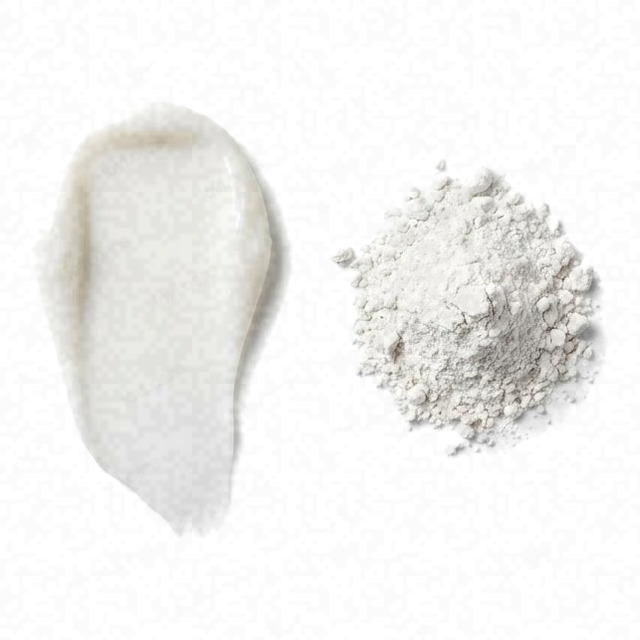 Zinc Oxide
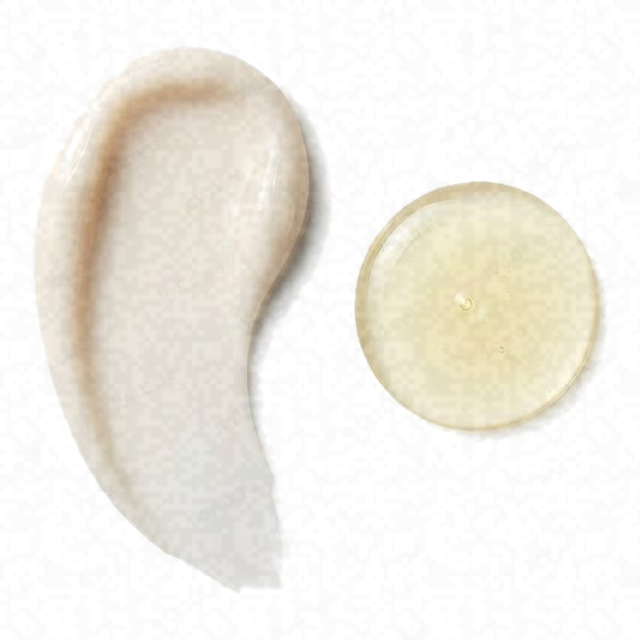 Octinoxate
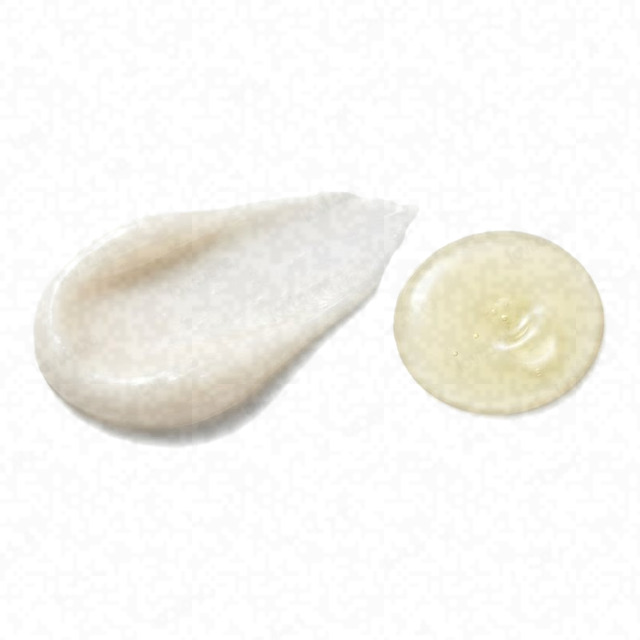 Octocrylene
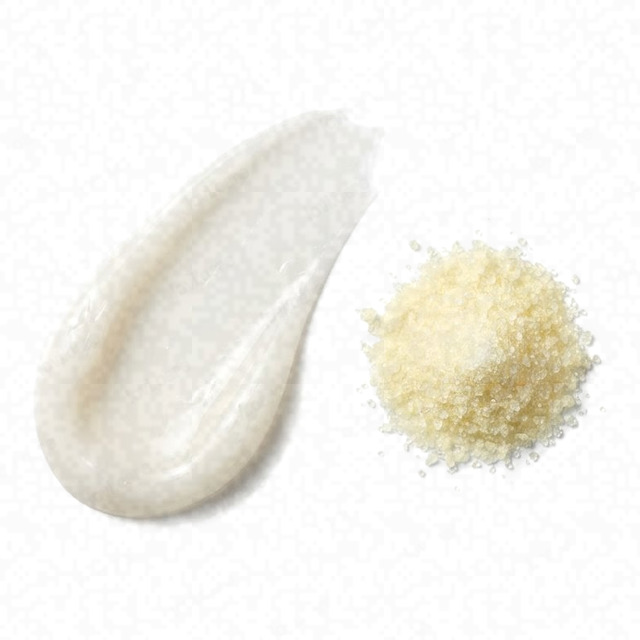 Bis-Ethylhexyloxyphenol Methoxyphenyl Triazine
 Tocopheryl Acetate
Average
- AverageDry Skin Fit
- AverageEffectiveness
- HighSafety
Works for dry sensitive skin; other sunscreens fit it better.
This fit is calculated for the concerns frequently associated with dry sensitive skin: flakiness, tightness, redness, fine lines, and wrinkles. For scores and recommendations based on your full skin profile, including your 12D face scan results and any goals or preferences you have, please use the Lovi app.
Page built Nov 8, 2026How the Fit score works
Lovi Assistant explains
- Offers moderate suitability for your dry skin due to the humectant action of glycerin and trehalose, which help attract moisture.
- The product provides excellent sun protection with zinc oxide and bis-ethylhexyloxyphenol methoxyphenyl triazine, shielding you from UV rays.
- The safety profile is excellent, with no risks of irritation for your dry and sensitive skin due to the absence of prohibited or harsh ingredients.
How to apply
- Use this moisturizing sunscreen daily in your morning routine. Reapply every two hours if you are staying outdoors.
- Apply this product at the very end of your morning routine right after your regular moisturizer.
- Gently pat a nickel-sized amount of the moisturizing sunscreen evenly across your face and neck.
- Apply this product onto clean, dry skin before you go outside into the sun.
- Avoid the immediate eye area and do a patch test before your first use to check for sensitivity.
People Say
★4.6Overall rating based on 400+ reviewsUsers with dry and mature skin highly praise this luxurious sunscreen for its rich, moisturizing texture that doubles as a high-end day cream and primer. While it effectively prevents sunburn and leaves a radiant, dewy finish, those with oily or combination skin sometimes find it too heavy or greasy for daily wear.
Highlights
High Hydration Mostly Mentioned
- “keeps skin hydrated”
- “dewy finish”
- “leaves skin soft”
- “10-hour moisture”
High Price Point Mostly Mentioned
- “very expensive”
- “splurge item”
- “pricey for sunscreen”
- “hard on wallet”
Luxurious Texture Often Mentioned
- “feels like moisturizer”
- “velvety-smooth finish”
- “absorbs quickly”
- “elegant texture”
Makeup Compatibility Often Mentioned
- “great under makeup”
- “acts as primer”
- “foundation glides on”
- “no pilling”
No White Cast Often Mentioned
- “no white cast”
- “blends seamlessly”
- “invisible on skin”
- “no chalky residue”
Pleasant Scent Sometimes Noted
- “smells amazing”
- “divine scent”
- “luxury fragrance”
- “light floral scent”
Greasy/Shiny Finish Sometimes Noted
- “too greasy”
- “looks oily”
- “shiny on forehead”
- “heavy for summer”
Eye Irritation Rarely Noted
- “burns my eyes”
- “stings if migrates”
- “irritated eyes”
- “avoid eye area”
Strong Fragrance Rarely Noted
- “scent is strong”
- “too much perfume”
- “fragrance lingers”
- “overpowering smell”
Sources: lovi.care, cledepeau-beaute.com, cultbeauty.co.uk, influenster.com, sephora.sg, nordstrom.com, and more
Questions and answers
How well does Clé de Peau Beauté UV Protective Cream work for dry sensitive skin?
This cream works moderately well for dry and sensitive skin, bringing moisture with glycerin and trehalose while shielding you from the sun. It is unlikely to cause irritation, but a product of this type needs barrier-supporting ingredients like Ceramide-3 and Niacinamide to fit this skin even better.
Which ingredients make this cream a good fit for dry sensitive skin?
This cream works for your dry sensitive skin due to glycerin and trehalose, which draw in moisture, alongside zinc oxide and bis-ethylhexyloxyphenol methoxyphenyl triazine for sun protection. To be a top fit for this skin type, a product of this type needs ingredients like ceramide-3 and niacinamide for deep hydration and barrier support.
What does Zinc Oxide do for dry sensitive skin?
Zinc oxide helps calm dry, sensitive skin by reducing redness and soothing irritation while protecting a delicate skin barrier. It is unlikely to cause irritation and is commonly used to keep skin comfortable.
What does Octinoxate do for dry sensitive skin?
Octinoxate helps protect dry sensitive skin from sun damage by absorbing UV rays, though because it can sometimes cause irritation, encapsulation may make it safer and more comfortable to wear. A product of this type needs soothing, deeply hydrating ingredients and a gentle, fragrance-free formula to keep dry sensitive skin soft and calm.
International Journal of Nanomedicine, 2013Journal of Cosmetic Science, 2008
Where does this cream go in a skincare routine for dry sensitive skin?
This moisturizing spf goes in the morning routine after your cleanser and soothing toner. To work best for dry skin, this type of product needs extra richer moisturizing ingredients that draw in moisture and keep it locked in.
The Journal of Dermatological Treatment, 2022Clinical, Cosmetic and Investigational Dermatology, 2017
Can I use this cream with retinol, and in what order?
You can use this cream in the morning after your retinol to protect your dry and sensitive skin from the sun. This product works for your skin because glycerin and trehalose help draw moisture in, but dry and sensitive skin needs extra barrier-repairing ingredients like ceramides to stay fully soft and calm.
How often should I use this cream?
You can use this moisturizing spf every morning as the final step of your daytime routine. To better care for dry sensitive skin, this product needs rich moisture-locking ingredients and barrier-strengthening oils to keep your face feeling soft and smooth.
Can this cream clog pores, cause breakouts or purging for dry sensitive skin?
This cream is unlikely to clog pores or cause breakouts for your dry and sensitive skin. To truly keep dry skin comfortable and balanced, a product of this type needs rich moisturizing ingredients like ceramides or plant oils that deeply nourish the skin barrier.
Is this cream fragrance-free and alcohol-free?
It contains fragrance (parfum, limonene, linalool, and geraniol) and drying alcohol (alcohol denat).
What the research says
Sodium trehalose sulfate decreased transepidermal water loss and increased stratum corneum water content in participants with low stratum corneum water content when applied for 4 weeks compared to placebo.
Skin Research and Technology, 2024A single application of a moisturizing fluid containing hyaluronic acid 1%, glycerin 5%, and Centella asiatica stem cells extract significantly increased skin hydration by 29% and reduced transepidermal water loss at 24 hours compared to baseline and an untreated control site in twenty healthy women.
Clinical, Cosmetic and Investigational Dermatology, 2017Topical 0.5% hyaluronic-ZnO nanogel applied twice daily reduced inflammatory-lesion counts by 58% at week four in human subjects compared to baseline without causing erythema.
Biomedicines, 2025Nels cream achieved a similar reduction in inflammatory and noninflammatory lesion counts compared to 5% benzoyl peroxide in acne vulgaris patients, but caused significantly fewer side-effects such as peeling and dryness.
Clinical and Experimental Dermatology, 2000Topically applied coated and uncoated zinc oxide nanoparticles under flexing and massage are retained in the stratum corneum with no significant penetration into the viable epidermis and no cellular toxicity in human skin.
Nanomedicine, 2016Replacing 20% of the chemical UV filter octyl methoxycinnamate with urucum oil in solid lipid nanoparticles maintained the skin protection factor without inducing toxic responses or significant skin penetration in human volunteers.
Skin Pharmacology and Physiology, 2018Liposomal encapsulation of octyl methoxycinnamate increases its safety, skin affinity, and in vivo solar photoprotection factor while slowing its release and enhancing retention in the stratum corneum compared to a conventional formulation.
International Journal of Nanomedicine, 2013Encapsulation of ethylhexyl methoxycinnamate and butyl methoxydibenzoylmethane in lipid microparticles significantly reduced their in vivo human skin penetration compared to nonencapsulated filters.
Skin Pharmacology and Physiology, 2011Incorporating rosmarinic acid into sunscreens enhanced the in vivo SPF of octocrylene by over 157% and reduced lipid peroxidation in the human stratum corneum.
Antioxidants, 2025The application of a sunscreen formulation containing ethylhexyl methoxycinnamate, ethylhexyl salicylate, methyl anthranilate, and octocrylene does not significantly affect critical acne-related species such as Cutibacterium acnes and Staphylococcus epidermidis, refuting the induction of facial dysbiosis in men.
Archives of Dermatological Research, 2024Early application of sunscreen after ablative fractional skin resurfacing significantly increased the sensitization rate of the UV-filter, octocrylene, and the sunscreen compared to intact skin.
The Journal of Dermatological Treatment, 2015Maximal topical applications of 6% bemotrizinol in a model sunscreen formulation did not result in meaningful systemic exposure in humans.
Regulatory Toxicology and Pharmacology, 2023Topical application of an antioxidant serum containing 15% ascorbic acid, 0.5% ferulic acid, and 1% tocopherol prevented particulate matter-induced degradation of extracellular matrix components, inflammation, and oxidative stress in the skin of 15 female volunteers compared to untreated controls.
Journal of Cosmetic Dermatology, 2025Dermatological products containing d-alpha tocopheryl acetate showed non-comedogenic potential with less than a 50% increase in microcomedones in 12 healthy male subjects compared to octyl palmitate.
Contemporary Clinical Trials Communications, 2021Topical application of an antioxidant mix containing 15% ascorbic acid, 0.5% ferulic acid, and 1% tocopherol prevented PM and UV-induced skin barrier perturbation, lipid peroxidation, inflammatory markers, MMP9 activation, and Type I collagen loss in 15 healthy females compared to untreated exposed skin.
Journal of Cosmetic Dermatology, 2024
Ingredients
Water, Polysilicone-15, Diisopropyl Sebacate, Butylene Glycol, Glycerin, Octocrylene, Octinoxate, Zinc Oxide, Bis-Ethylhexyloxyphenol Methoxyphenyl Triazine, Hdi Trimethylol Hexyllactone Crosspolymer, Butyl Methoxydibenzoylmethane, Dimethicone, Alcohol Denat, Behenyl Alcohol, Dipropylene Glycol, Polybutylene Glycol Ppg-9 1 Copolymer, Peg Ppg-14 7 Dimethyl Ether, Phenylbenzimidazole Sulfonic Acid, Diethylamino Hydroxybenzoyl Hexyl Benzoate, Triethanolamine, Benzophenone-3, Trehalose, Beheneth-20, Phenoxyethanol, Stearyl Alcohol, Silica, Parfum, Acrylates C10-30 Alkyl Acrylate Crosspolymer, Tocopheryl Acetate, Carbomer, Sodium Metaphosphate, Polyquaternium-51, Limonene, Linalool, Geraniol, Benzyl Benzoate, Sodium Metabisulfite, Mica, Iron Oxides Ci 77491, Titanium Dioxide Ci 77891, Saxifraga Sarmentosa Extract, Ginkgo Biloba Leaf Extract, Thymus Serpillum Extract, Crataegus Monogyna Flower Extract, Talc, Hydrolyzed Silk, 2-O-Ethyl Ascorbic Acid, Scutellaria Baicalensis Root Extract, Uncaria Gambir Extract, Hibiscus Sabdariffa Flower Extract, Garcinia Mangostana Bark Extract, Panax Ginseng Root Extract, Bupleurum Falcatum Root Extract, Tocopherol, Theanine, Hydrolyzed Conchiolin Protein
Behind this fit score
Lovi calculates every fit score from the full ingredient list with brand-independent rules our dermatologists and cosmetic chemists build and review, and personalizes every pick with AI trained on the real results of millions of users. Lovi trains its fit score models on a proprietary dataset built from more than 10,000 expert-labeled products and more than 100,000 simulated examples, following an internally consistent methodology presented at Cosmoprof, AMWC, and Skin of Color Update.
-

Co-founder, Medical Director
Cosmetic chemist, cosmetologist, aesthetic products developer
-

Co-founder, CEO and CTO
PhD in computer science, 3x US patent holder, ex-Google, ex-Yandex
-

Dr. Sofía Perea Pérez, MD, MSc
Medical Board
Aesthetic medicine practitioner, MSc in Longevity and Anti-Aging Medicine
-

Medical Board
Specialist dermatologist, MBBS, MD, IFAAD
-

Medical Board
Cosmetic chemist, SCS, IFSCC member
-

Medical Board, Medical Advisor
Dermatology MD
-

Elina Nazarenko, MD
Medical Board
Dermatology and diagnostic consultant
-

Victoria Derkova, MS
Medical Board
Cosmetic chemist, cosmetic development technologist


How does it fit your skin?
Scan your face, then any product: Lovi shows how well it fits you and what fits even better.