
CeraVe Acne Control Cleanser

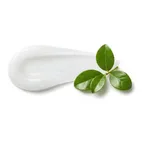 Salicylic Acid
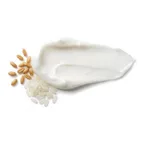 Ceramides
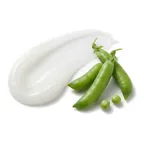 Niacinamide
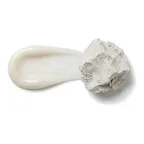 Hectorite Clay
 Glycerin
Salicylic acid, ceramides, and niacinamide clear pores, manage excess oil, and strengthen the skin barrier, so it suits oily skin, combination skin, acne-prone skin, and oily acne-prone skin best. Where to buy in the US: Amazon.com, $14.99.
Each fit is calculated for the concerns frequently associated with that skin type. For scores and recommendations based on your full skin profile, including your 12D face scan results and goals, use the Lovi app.
Updated How the Fit score works
Where it fits best and least
Best fit High
Oily Skin, Combination Skin, Acne-Prone Skin, Oily Acne-Prone Skin
A great choice for oily skin; a few cleansers fit it even better.
- Highly suitable for your oily skin, this cleanser effectively addresses oily shine with salicylic acid and niacinamide to manage excess sebum and unclog pores.
Lowest fit Average
Dry Skin, Sensitive Skin, Skin with Dark Spots, Mature Skin, Dry Sensitive Skin
Works for dry skin; other cleansers fit it better.
- Offers moderate suitability for your dry skin as glycerin and hydrolyzed hyaluronic acid provide humectant action, but it lacks sufficient emollient ingredients to fully address dryness.
Buy online

Prices checked 22 Nov 2026
How to apply
- Use your cleanser AM and PM every day to keep your skin fresh. Always make sure to follow with a good SPF in the morning.
- Apply your cleanser as the first step in the morning or the second step in the evening before your toner.
- Gently massage a small amount onto your face using circular motions, then rinse well with water .
- You can apply this cleanser safely on damp skin for a refreshing and easy wash.
- Avoid getting the product directly into your eyes and stop use if irritation occurs.
People Say
★4.6Overall rating based on 3.5k+ reviewsBased on a very large amount of data, users with oily and acne-prone skin report significant improvements in texture and clarity, often noting a reduction in blackheads and whiteheads within a few weeks. While effective for mild to moderate acne, some users experienced an initial "purging" phase or found it slightly drying if not paired with a good moisturizer.
Highlights
Effective acne clearance Often Mentioned
- “Clears blackheads, whiteheads, and pimples; prevents new breakouts.”
Fragrance-free Often Mentioned
- “No strong scent; non-irritating for sensitive noses.”
Gentle exfoliation Often Mentioned
- “Smooths rough texture without physical scrubbing; leaves skin soft.”
Non-stripping formula Sometimes Noted
- “Feels cleaning but not overly tight; suitable for sensitive skin.”
Oil control Sometimes Noted
- “Reduces excess shine and grease; leaves a matte finish.”
Drying potential Sometimes Noted
- “Can cause dryness or flaking, especially on non-oily areas.”
Ineffective for cystic acne Rarely Noted
- “May not resolve deep, hormonal, or cystic acne alone.”
Packaging issues Rarely Noted
- “Pump dispenses too much product or breaks easily.”
- “Product sometimes arrives leaking or unsealed during shipping.”
Purging phase Rarely Noted
- “Causes initial breakouts before skin clears up.”
Sources: lovi.care, walmart.com, cerave.com, ulta.com, influenster.com, and more
Questions and answers
What makes CeraVe Acne Control Cleanser a great fit for oily skin?
CeraVe Acne Control Cleanser is a great fit for oily skin because it uses salicylic acid and niacinamide to manage excess shine and unclog pores. Additionally, ceramides and gluconolactone support a balanced, healthy complexion without causing harsh irritation.
Journal of Cosmetic Dermatology, 2024The Australasian Journal of Dermatology, 1992
How well does CeraVe Acne Control Cleanser work for dry skin?
CeraVe Acne Control Cleanser works moderately well for dry skin because glycerin and hydrolyzed hyaluronic acid help provide moisture, though it lacks enough softening ingredients to fully address dryness. Cleansers that fit dry skin better need a rich blend of hydrating and barrier-repairing ingredients like essential ceramides and sodium hyaluronate to maintain moisture and protect the skin barrier.
Can I use this cleanser with retinol, and in what order?
You can use this cleanser with retinol by using the cleanser first to wash your face, followed by your retinol treatment. Using a gentle, barrier-supporting formula helps keep your skin calm and is unlikely to cause irritation when paired with active treatments.
Journal of Drugs in Dermatology, 2023Journal of Drugs in Dermatology, 2012
How often should I use this cleanser?
You can use this cleanser daily in both your morning and evening routines. Using a gentle cleanser regularly helps clear away excess oil and manage shine without causing irritation.
Can I use this cleanser around the eyes or on my body?
You can use this cleanser on your body, but you should avoid applying it directly to the thin skin around your eyes. Body skin is much thicker than the delicate eyelid area, which is easily irritated by active ingredients like salicylic acid.
Is this cleanser fragrance-free and alcohol-free?
Yes, it has no fragrance and no drying alcohol.
What makes CeraVe Acne Control Cleanser a great fit for combination skin?
CeraVe Acne Control Cleanser is a great fit because salicylic acid and gluconolactone effectively exfoliate and decongest the pores to manage oily shine on combination skin. Niacinamide and ceramides further help by regulating oil and keeping the skin barrier strong for a balanced complexion, all with a safe, soothing formula that is unlikely to cause irritation.
The Australasian Journal of Dermatology, 1992Journal of Cosmetic Dermatology, 2024
How well does CeraVe Acne Control Cleanser work for sensitive skin?
This cleanser is safe for your sensitive skin because it lacks harsh ingredients and includes soothing components like niacinamide and ceramides, though other products fit your skin better. A cleanser for this skin needs effective hydrating and soothing ingredients, along with barrier-repairing components to maintain health without causing dryness or irritation.
What makes CeraVe Acne Control Cleanser a great fit for acne-prone skin?
CeraVe Acne Control Cleanser is a great fit because salicylic acid and niacinamide work together to clear pores and balance oil, which helps reduce breakouts. Ceramides and gluconolactone also support your skin barrier while keeping irritation low.
Journal of Cosmetic Dermatology, 2024Journal of Drugs in Dermatology, 2023
How well does CeraVe Acne Control Cleanser work for skin with dark spots?
This cleanser works moderately well for dark spots on normal skin, offering helpful exfoliation and brightening benefits, but it lacks enough moisturizing ingredients for ideal hydration. Skin with dark spots needs products that combine gentle cleansing with rich moisture and soothing barrier-repair ingredients like ceramides and niacinamide.
What makes CeraVe Acne Control Cleanser a great fit for oily acne-prone skin?
This cleanser is a great fit because salicylic acid and gluconolactone clear out pores and control oil, while ceramides and hyaluronic acid keep your skin comfortable and hydrated. It has no harsh ingredients, making it very safe and gentle for daily use.
The Australasian Journal of Dermatology, 1992Journal of Cosmetic Dermatology, 2024
How well does CeraVe Acne Control Cleanser work for mature skin?
CeraVe Acne Control Cleanser provides an average fit for mature skin, as it cleans pores and helps regulate oil but lacks sufficient soft, rich hydrators for fine lines. A cleanser for mature skin needs gentle cleansing agents along with deep hydrators and ingredients that smooth wrinkles and keep the skin barrier strong.
How well does CeraVe Acne Control Cleanser work for dry sensitive skin?
CeraVe Acne Control Cleanser works moderately well for dry sensitive skin by clearing pores, but its exfoliating focus may leave your skin too dry. Cleansers for this skin need a rich blend of hydrating and barrier-repairing ingredients, such as ceramides and hyaluronic acid, to maintain moisture and protect the skin.
What the research says
A moisturizer containing licochalcone A, 1,2-decanediol, L-carnitine, and salicylic acid significantly reduced noninflammatory, inflammatory, and total acne lesion counts compared to a vehicle control in Thai patients during a 12-week maintenance phase.
BioMed Research International, 2020Treatment with 2% supramolecular salicylic acid hydrogel resulted in a regression and markedly improvement rate of 51.01% compared to 43.10% for Adapaline gel in patients with mild to moderate facial acne vulgaris, showing no significant difference in efficacy.
Journal of Cosmetic Dermatology, 2024Topical 5% benzoyl peroxide plus salicylic acid achieved the greatest lesion reduction at early 2 to 4 week time points compared to benzoyl peroxide, clindamycin, and combination benzoyl peroxide/clindamycin, while 5% benzoyl peroxide plus salicylic acid and combination benzoyl peroxide/clindamycin showed similar efficacy at 10 to 12 weeks in acne patients.
Journal of the American Academy of Dermatology, 2010Ceramide and niacinamide-containing moisturizer combined with anti-acne treatment significantly improved non-inflammatory, inflammatory, and total acne lesions compared to hydrophilic cream in 40 patients with mild to moderate acne vulgaris after 8 weeks.
Journal of Cosmetic Dermatology, 2024Topical application of a pseudo-ceramide-containing spray improved stratum corneum water content, transepidermal water loss, cell area, and scaling score, and normalized the ceramide profile in patients with dry and sensitive skin compared to a control spray.
Journal of Cosmetic Dermatology, 2025Topical nicotinamide prevented solar-simulated UV-induced immunosuppression in healthy volunteers, and men experienced immunosuppression at solar-simulated UV doses three times lower than those required for women.
The Journal of Investigative Dermatology, 2008Topical 5% niacinamide applied twice daily for 12 weeks reduced fine lines and wrinkles, hyperpigmented spots, red blotchiness, and skin sallowness, and improved skin elasticity compared to vehicle control in 50 female white subjects with facial photoaging.
Dermatologic Surgery, 2005Topical 2% niacinamide significantly decreased sebum excretion rate in Japanese individuals and casual sebum levels in Caucasian individuals compared to placebo or baseline.
Journal of Cosmetic and Laser Therapy, 2006Vectorization of high molecular weight hyaluronic acid with clay enabled its penetration into deeper skin layers and led to a significant clinical reduction in fine lines in the crow's feet area compared to placebo after 28 days.
Skin Research and Technology, 2024Twice-weekly use of a clay mask over 4 weeks in 75 adults with oily or combination skin improved acne-related outcomes, sebum content, skin evenness, hydration, and reduced dryness and irritation.
Skin Research and Technology, 2023An oil-continuous structured gel matrix of EHMC, disteardimonium hectorite, and dextrin palmitate enhanced UVB photoprotection, reduced skin distribution signals, and decreased early plasma EHMC concentrations compared to an EHMC-only control.
Gels, 2026A single application of a moisturizing fluid containing hyaluronic acid 1%, glycerin 5%, and Centella asiatica stem cells extract significantly increased skin hydration by 29% and reduced transepidermal water loss at 24 hours compared to baseline and an untreated control site in twenty healthy women.
Clinical, Cosmetic and Investigational Dermatology, 2017The emollient V0034CR significantly reduced TEWL compared to vehicle and vehicle plus glycerol, and significantly increased corneometry scores compared to vehicle and vehicle plus petrolatum in healthy volunteers with dry skin, demonstrating combined barrier function improvement from petrolatum and hydration improvement from glycerol.
Journal of Cosmetic Dermatology, 2020Ten days of treatment with a cream containing 20% glycerin significantly increased skin hydration measured by corneometer values in 17 healthy volunteers compared to a placebo cream, but showed no influence on transepidermal water loss or skin sensitivity to an irritating surfactant.
International Journal of Cosmetic Science, 2001Twice daily application of a multitargeted dermocosmetic cream provided comparable efficacy to benzoyl peroxide 5% gel in reducing inflammatory, non-inflammatory, and total lesions in 150 Caucasian subjects with mild-to-moderate acne over 56 days, while demonstrating superior skin tolerability.
Journal of Cosmetic Dermatology, 2024The use of a salicylic acid-based dermocosmetic significantly reduces the needed quantity of benzoyl peroxide without impacting efficacy in mild to moderate acne, and as maintenance post-benzoyl peroxide allows a significant reduction of acne relapse compared to vehicle.
Journal of Drugs in Dermatology, 2023Gluconolactone 14% solution significantly improved mild to moderate acne by reducing inflamed and non-inflamed lesions similarly to 5% benzoyl peroxide, but with fewer side-effects in 150 patients.
The Australasian Journal of Dermatology, 1992Combining 10% gluconolactone chemical peeling with oxybrasion or microneedle mesotherapy increased skin hydration and decreased sebum, pH, and TEWL in twenty-one Caucasian women, with no significant differences between the two methods.
Skin Research and Technology, 2023Post-peel application of either topical tretinoin (0.25%) or retinol (0.25%) after a 30% salicylic acid peel effectively improves signs of photodamage compared to baseline in female subjects, with tretinoin performing slightly better than retinol in texture, roughness, and overall appearance at week 4.
Journal of Drugs in Dermatology, 2016Application of Body Lotion for 5 weeks on cosmetic dry skin improved barrier properties, increased levels of cholesterol, ceramides, and long-chain fatty acids, increased beneficial skin bacteria, and enhanced microbiome functional potential compared to baseline.
Scientific Reports, 2022Glycolic acid, salicylic acid, gluconolactone, and licochalcone A combined with 0.1% adapalene showed no hindrance compared to adapalene monotherapy and provided benefits in reducing complications in 25 subjects with mild-to-moderate acne vulgaris.
Clinical, Cosmetic and Investigational Dermatology, 2019Treatment with 45% mandelic acid peel showed nearly equal overall efficacy as 30% salicylic acid peel in patients with mild-to-moderate facial acne vulgaris, but with fewer adverse effects.
Journal of Cosmetic Dermatology, 2020Niacinamide/glycerin body moisturizers provided better rapid and prolonged improvement of cosmetic xerosis through functional improvement of stratum corneum barrier function compared to no treatment and conventional moisturizers in female subjects.
Journal of Drugs in Dermatology, 2012Niacinamide significantly decreased hyperpigmentation and increased skin lightness compared with vehicle alone after 4 weeks of use in women by inhibiting melanosome transfer.
The British Journal of Dermatology, 2002Gluconolactone and tartaric acid significantly lower transepidermal water loss and erythema after sodium lauryl sulphate challenge compared to vehicle, untreated control, and glycolic acid in healthy subjects.
The British Journal of Dermatology, 1997Topical treatment of nicotinamide, alone or in combination with other active ingredients, reduces the progression of skin aging and hyperpigmentation in clinical trials while being well tolerated.
Antioxidants, 2021Treatment with a combination of niacinamide and hyaluronic acid improved skin aging signs and demonstrated a senomorphic effect by decreasing SASP and autocrine signaling genes in women.
Scientific Reports, 2024
Ingredients
Salicylic Acid, Water, Cocamidopropyl Hydroxysultaine, Glycerin, Sodium Lauroyl Sarcosinate, Niacinamide, Sodium Methyl Cocoyl Taurate, Peg-150 Pentaerythrityl Tetrastearate, Gluconolactone, Sodium Cocoyl Isethionate, Ceramide Np, Ceramide Ap, Ceramide Eop, Carbomer, Calcium Gluconate, Triethyl Citrate, Sodium Hydroxide, Sodium Benzoate, Sodium Chloride, Sodium Lauroyl Lactylate, Cholesterol, Coconut Acid, Tetrasodium Edta, Caprylyl Glycol, Hydrolyzed Hyaluronic Acid, Trisodium Ethylenediamine Disuccinate, Hectorite, Phytosphingosine, Xanthan Gum, Acrylates Copolymer, Benzoic Acid
Behind these fit scores
Lovi calculates every fit score from the full ingredient list with brand-independent rules our dermatologists and cosmetic chemists build and review, and personalizes every pick with AI trained on the real results of millions of users. Lovi trains its fit score models on a proprietary dataset built from more than 10,000 expert-labeled products and more than 100,000 simulated examples, following an internally consistent methodology presented at Cosmoprof, AMWC, and Skin of Color Update.
-

Co-founder, Medical Director
Cosmetic chemist, cosmetologist, aesthetic products developer
-

Co-founder, CEO and CTO
PhD in computer science, 3x US patent holder, ex-Google, ex-Yandex
-

Dr. Sofía Perea Pérez, MD, MSc
Medical Board
Aesthetic medicine practitioner, MSc in Longevity and Anti-Aging Medicine
-

Medical Board
Specialist dermatologist, MBBS, MD, IFAAD
-

Medical Board
Cosmetic chemist, SCS, IFSCC member
-

Medical Board, Medical Advisor
Dermatology MD
-

Elina Nazarenko, MD
Medical Board
Dermatology and diagnostic consultant
-

Victoria Derkova, MS
Medical Board
Cosmetic chemist, cosmetic development technologist


How does it fit your skin?
Scan your face, then any product: Lovi shows how well it fits you and what fits even better.