Biossance Squalane + Hyaluronic Toning Mist for oily acne-prone skin

 Squalane
 Sodium Hyaluronate
 Glycerin
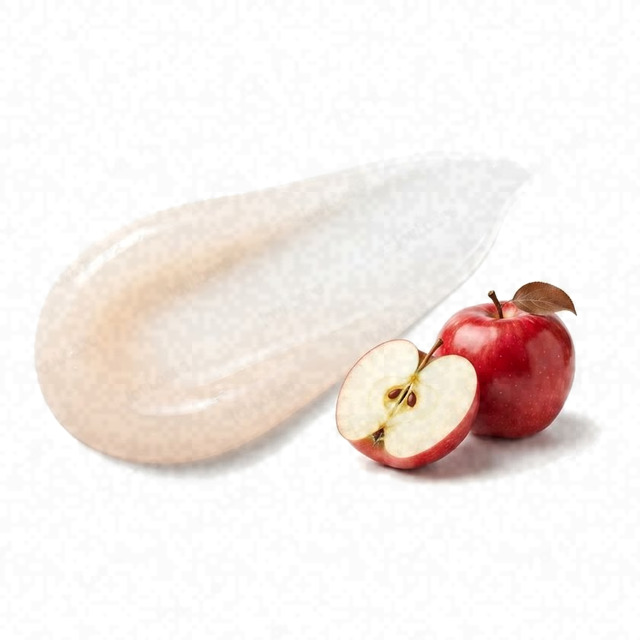 Pyrus Malus Fruit Extract
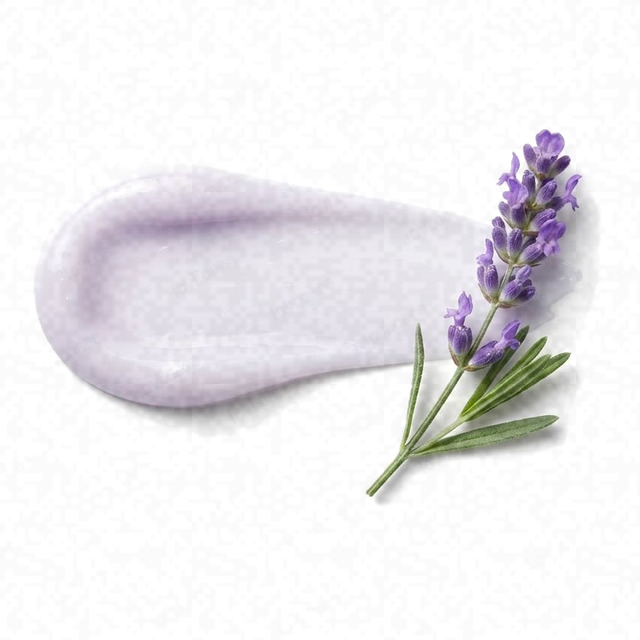 Lavender Oil
High
- HighOily Skin Fit
- HighEffectiveness
- HighSafety
A great choice for oily acne-prone skin; a few toners fit it even better.
This fit is calculated for the concerns frequently associated with oily acne-prone skin: shine, breakouts, blemishes, and enlarged pores. For scores and recommendations based on your full skin profile, including your 12D face scan results and any goals or preferences you have, please use the Lovi app.
Page built Nov 8, 2026How the Fit score works
Lovi Assistant explains
- Highly suitable for your oily skin, this product offers excellent hydration with squalane and sodium hyaluronate, which balance moisture without exacerbating oiliness.
- While it provides general hydration, it lacks specialized ingredients to effectively target your acne, blemishes, and breakouts.
- The safety profile is excellent, with no risks of irritation for your oily skin due to the absence of prohibited or harsh ingredients.
How to apply
- Could be used as part of your AM or PM routine. Start using it 3 times a week and move to daily use if your skin feels fine.
- Apply your hydrating toner after cleansing and before putting on your moisturizer or SPF.
- Gently press 2-3 drops of the hydrating toner into your skin with your hands. Let it ⏱absorb for a minute before adding your next product.
- Applying the hydrating toner on slightly damp skin helps your face absorb it better. This keeps your oily skin balanced and hydrated.
- Be sure to avoid the eye area when applying. Do a patch test before your first use to check for any reaction.
People Say
★4.6Overall rating based on 1.2k+ reviewsBased on a very large amount of data, this mist is widely praised by users with combination and oily skin for its ultra-fine application and ability to provide lightweight, non-greasy hydration that sets makeup beautifully.
Highlights
Ultra-fine mist Mostly Mentioned
- “mist is super fine”
- “luxurious spray”
- “doesn't spit large droplets”
Lightweight hydration Often Mentioned
- “instantly refreshes”
- “adds light moisture”
- “absorbs quickly without grease”
Plumps and softens Sometimes Noted
- “skin feels bouncy”
- “softens fine lines”
- “leaves face feeling plump”
Sets makeup Sometimes Noted
- “melts powder into skin”
- “gives dewy finish”
- “great midday pick-me-up”
Spa-like scent Sometimes Noted
- “smells like a spa”
- “relaxing lavender fragrance”
- “soothing herbal scent”
Expensive for size Sometimes Noted
- “expensive for the size”
- “runs out very fast”
- “pricey for a face mist”
Not enough moisture Sometimes Noted
- “not nourishing enough”
- “need to spray too much”
- “disappears instantly on dry patches”
Faulty nozzle Rarely Noted
- “sprays in a circle (halo)”
- “misses the center of face”
- “nozzle gets clogged”
Fragrance irritates Rarely Noted
- “stung my eyes”
- “lavender was too strong”
No visible results Rarely Noted
- “didn't notice a difference”
- “feels like just water”
- “no long-term benefits”
Sources: lovi.care, biossance.com, sephora.com, cultbeauty.co.uk, influenster.com, and more
Questions and answers
What makes Biossance Squalane + Hyaluronic Toning Mist a great fit for oily acne-prone skin?
This hydrating toner is a great fit because squalane and sodium hyaluronate offer excellent hydration that balances moisture without making oily skin feel greasy. It also has a very safe formula that is unlikely to cause any irritation. While it keeps skin soft and smooth, an acne-prone skin routine still needs specialized blemish-fighting ingredients to properly target breakouts.
Which ingredients make this toner a good fit for oily acne-prone skin?
Squalane and sodium hyaluronate make this toner a great fit by delivering hydration that keeps your skin soft and balanced without adding extra oil. It is unlikely to cause irritation because it avoids harsh ingredients, though you will need other products with blemish-fighting ingredients to target active breakouts.
What does Squalane do for oily acne-prone skin?
Squalane may help keep oily skin soft and smooth, but oxidized squalene can trigger inflammation in acne-prone skin. Because of this, oily acne-prone skin needs lightweight, non-greasy ingredients that balance moisture without clogging pores.
What does Hyaluronic Acid do for oily acne-prone skin?
Hyaluronic acid helps calm oily acne-prone skin by reducing sebum production and lipid synthesis in sebaceous glands. It also supports skin barrier function and improves hydration while helping deliver treatments without causing irritation.
The Journal of Investigative Dermatology, 2017Journal of Cosmetic Dermatology, 2022
Where does this toner go in a skincare routine for oily acne-prone skin?
This hydrating toner fits right after your cleanser in both your morning and weekly routines, and is unlikely to cause irritation. It helps balance moisture without making your skin oily.
Can I use this toner with retinol, and in what order?
You can use this hydrating toner with your retinol, applying it right after cleansing and before your retinol treatment. It is unlikely to irritate your oily skin because it has very gentle ingredients.
How often should I use this toner?
You can use this hydrating toner twice a day in the morning and evening, or as an extra step in your weekly routine. It provides great moisture without making your skin oily, and it is very safe and unlikely to cause irritation.
Can this toner clog pores, cause breakouts or purging for oily acne-prone skin?
This toner is unlikely to clog pores or cause breakouts for oily acne-prone skin because it has a very safe formula without harsh ingredients, though it also lacks specialized acne-fighting ingredients. It provides light hydration with squalane and sodium hyaluronate that keeps skin soft without adding extra oiliness.
Is this toner fragrance-free and alcohol-free?
It has no drying alcohol and contains fragrance (limonene, citronellol, geraniol, and linalool).
What the research says
Squalane at 0.005-0.015% counteracts UVA-induced oxidative stress, inflammation, and collagen metabolism inhibition while stimulating fibroblast migration in human dermal fibroblasts.
Molecules, 2025Plant-derived squalane protected human dermal fibroblasts against UVA-induced damage by counteracting ROS formation, suppressing apoptosis-related proteins p53, caspase-3, caspase-9, and PARP, and restoring the pro-survival p-Akt/mTOR pathway.
Antioxidants, 2025Topical application of 0.1% hyaluronic acid formulations of different molecular weights led to significant improvements in skin hydration and elasticity, with low-molecular-weight formulations also significantly reducing wrinkle depth in seventy-six female subjects compared to a vehicle control.
Journal of Drugs in Dermatology, 2011Topical application of hyaluronic acid in conjunction with free gingival graft significantly reduced donor site postoperative pain until day 7 compared to normal saline, with no significant differences in graft dimensions or patient satisfaction.
Clinical Oral Investigations, 2022Treatment with a hyaluronic acid-containing mouth rinse or topical gel led to significant lesion reduction, pain relief, and normalization of lesion color in adult patients with minor recurrent aphthous stomatitis, with the gel formulation showing an earlier healing onset at 3 days.
BMC Oral Health, 2019A single application of a moisturizing fluid containing hyaluronic acid 1%, glycerin 5%, and Centella asiatica stem cells extract significantly increased skin hydration by 29% and reduced transepidermal water loss at 24 hours compared to baseline and an untreated control site in twenty healthy women.
Clinical, Cosmetic and Investigational Dermatology, 2017The emollient V0034CR significantly reduced TEWL compared to vehicle and vehicle plus glycerol, and significantly increased corneometry scores compared to vehicle and vehicle plus petrolatum in healthy volunteers with dry skin, demonstrating combined barrier function improvement from petrolatum and hydration improvement from glycerol.
Journal of Cosmetic Dermatology, 2020Ten days of treatment with a cream containing 20% glycerin significantly increased skin hydration measured by corneometer values in 17 healthy volunteers compared to a placebo cream, but showed no influence on transepidermal water loss or skin sensitivity to an irritating surfactant.
International Journal of Cosmetic Science, 2001Topical formulations containing 1.25% Malus sp. extract or 0.75% rutin protected against UVB-induced sunburn cells, caspase-3 activation, cyclobutane pyrimidine dimers, lipid peroxidation, and metalloproteinase formation in ex vivo skin explants and 3D tissue-engineered skin.
Rejuvenation Research, 2020Polysaccharide-based O/W emulsions incorporated with lavender essential oil applied to cellulosic support are non-irritating, provide softness and moisturizing effects, and are safe for topical patch applications.
International Journal of Biological Macromolecules, 2021Gellan gum hydrogel films co-encapsulating ofloxacin with tea tree or lavender oil achieved 98% wound contraction and completely healed epidermis in rats after ten days of treatment compared to baseline.
International Journal of Biological Macromolecules, 2021Topical application of lavender oil significantly promoted wound contraction, collagen synthesis, and fibroblast differentiation with up-regulation of TGF-beta in a rat model compared to control.
BMC Complementary and Alternative Medicine, 2016
Ingredients
Water, Polyglyceryl-10 Laurate, Glyceryl Citrate Lactate Linoleate Oleate, Squalane, Glycerin, Panthenol, Sodium Hyaluronate, Hydrolyzed Sodium Hyaluronate, Enteromorpha Compressa Extract, Lysine, Magnesium Chloride, Sodium Chloride, Potassium Chloride, Zinc Chloride, Pyrus Malus Fruit Extract, Lavandula Angustifolia Oil Lavender Oil, Citrus Nobilis Peel Oil Mandarin Orange Peel Oil, Pelargonium Graveolens Oil Flower, Sodium Stearoyl Glutamate, Polyglyceryl-4 Cocoate, Polyglyceryl-3 Caprate, Glyceryl Caprylate, Tetrasodium Glutamate Diacetate, Citric Acid, Caprylyl Glycol, Ethylhexylglycerin, Phenoxyethanol, Hexylene Glycol, Limonene, Citronellol, Geraniol, Linalool
Behind this fit score
Lovi calculates every fit score from the full ingredient list with brand-independent rules our dermatologists and cosmetic chemists build and review, and personalizes every pick with AI trained on the real results of millions of users. Lovi trains its fit score models on a proprietary dataset built from more than 10,000 expert-labeled products and more than 100,000 simulated examples, following an internally consistent methodology presented at Cosmoprof, AMWC, and Skin of Color Update.
-

Co-founder, Medical Director
Cosmetic chemist, cosmetologist, aesthetic products developer
-

Co-founder, CEO and CTO
PhD in computer science, 3x US patent holder, ex-Google, ex-Yandex
-

Dr. Sofía Perea Pérez, MD, MSc
Medical Board
Aesthetic medicine practitioner, MSc in Longevity and Anti-Aging Medicine
-

Medical Board
Specialist dermatologist, MBBS, MD, IFAAD
-

Medical Board
Cosmetic chemist, SCS, IFSCC member
-

Medical Board, Medical Advisor
Dermatology MD
-

Elina Nazarenko, MD
Medical Board
Dermatology and diagnostic consultant
-

Victoria Derkova, MS
Medical Board
Cosmetic chemist, cosmetic development technologist


How does it fit your skin?
Scan your face, then any product: Lovi shows how well it fits you and what fits even better.