Biossance Squalane + Antioxidant Cleansing Oil for oily skin

 Squalane
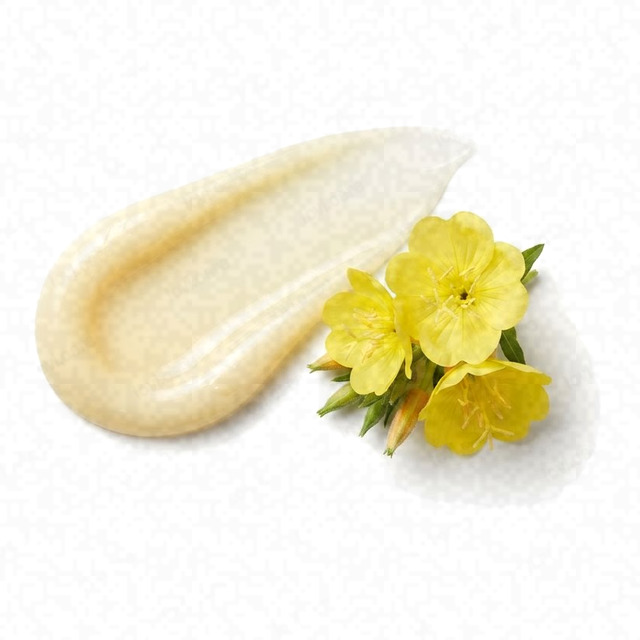 Oenothera Biennis Oil
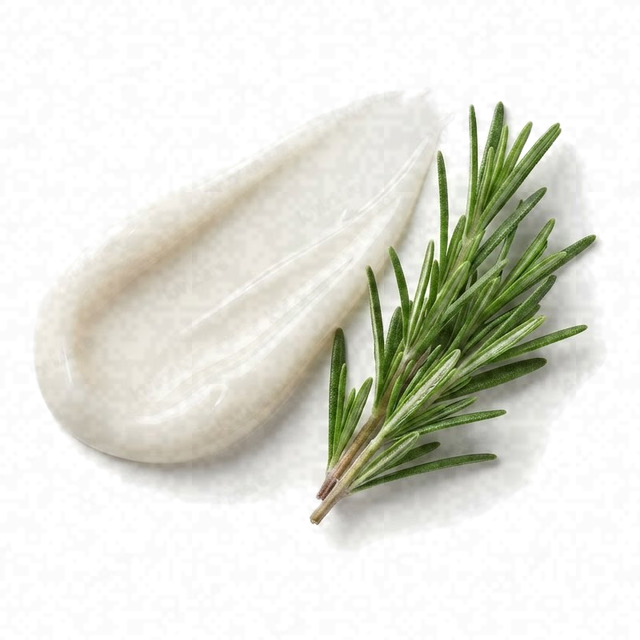 Rosemary Leaf Extract
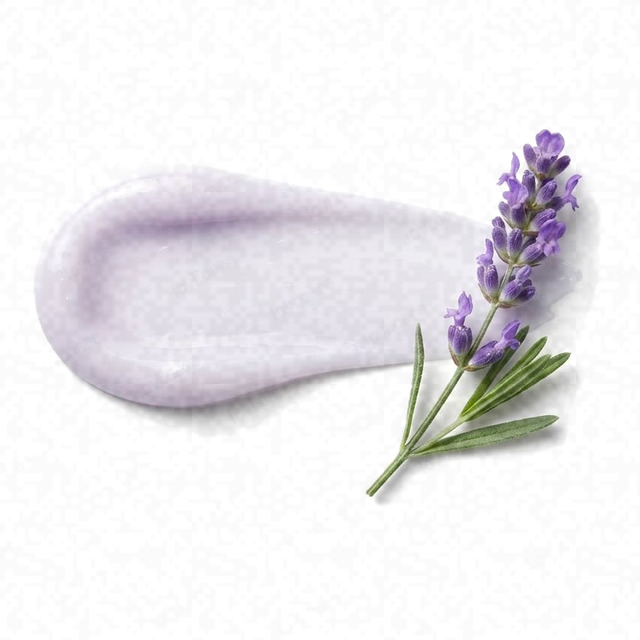 Lavender Oil
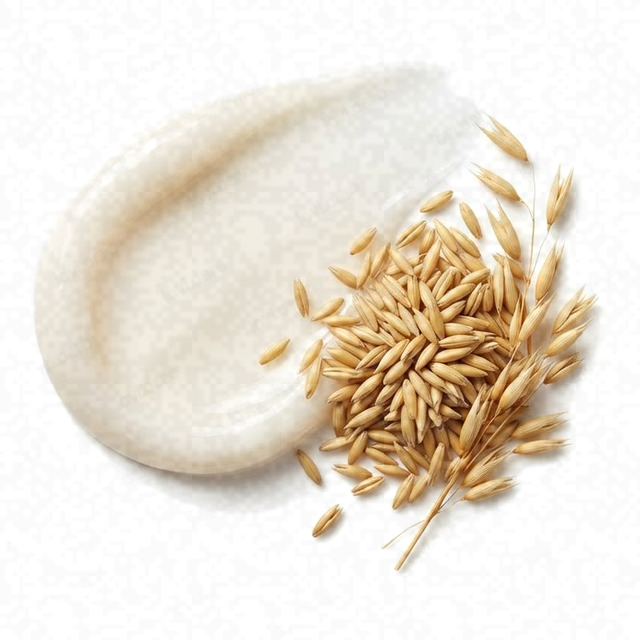 Oat Kernel Oil
Average
- AverageOily Skin Fit
- AverageEffectiveness
- HighSafety
Works for oily skin; other pre-cleansers fit it better.
This fit is calculated for the concerns frequently associated with oily skin: shine, enlarged pores, blackheads, and blemishes. For scores and recommendations based on your full skin profile, including your 12D face scan results and any goals or preferences you have, please use the Lovi app.
Page built Nov 8, 2026How the Fit score works
Lovi Assistant explains
- Offers moderate suitability for your oily skin as squalane and caprylic capric triglyceride provide emollient action, but lacks sufficient ingredients for effective seboregulation to manage oily shine.
- The cleansing oil effectively dissolves makeup and impurities, offering general cleansing and soothing benefits due to the presence of squalane and various plant oils.
- The product is safe for your oily skin with no risks of irritation due to the absence of prohibited or harsh ingredients.
How to apply
- Use this makeup remover PM as the first step of your evening routine. Start 3×/week and increase to daily use if your skin tolerates it well.
- Apply this makeup remover before your regular cleanser and toner. It prepares your skin by melting away excess oil and makeup.
- Gently press a small amount onto your dry skin using your fingertips. Massage softly and avoid harsh rubbing to protect your pores.
- Apply this product on dry skin to effectively break down heavy makeup and surface oil. Massage it gently before washing it off with water.
- Avoid the sensitive eye area during application. Do a patch test before your first use to ensure your skin feels comfortable.
People Say
★4.6Overall rating based on 2.2k+ reviewsBased on a very large amount of data, users with dry, sensitive, and combination skin frequently praise this oil for effectively dissolving makeup and sunscreen without stripping the moisture barrier. Most report a soft, hydrated finish and reduced redness. A subset of users with sensitive eyes experienced stinging and difficulty removing waterproof mascara.
Highlights
Hydrating finish Mostly Mentioned
- “Leaves skin soft”
- “non-stripping”
- “cushiony feel”
Effective makeup removal Often Mentioned
- “Melts sunscreen/foundation”
- “dissolves impurities”
- “removes matte lipstick”
Lightweight texture Often Mentioned
- “Glides easily”
- “not heavy/gloopy”
- “emulsifies well”
Clean rinse Sometimes Noted
- “No greasy residue”
- “rinses completely”
- “no film left”
Gentle formula Sometimes Noted
- “Soothes sensitive skin”
- “no tightness”
- “spa-like experience”
Eye irritation Sometimes Noted
- “Stings eyes”
- “burns sensitive eyes”
- “causes blurry vision”
Mascara removal Sometimes Noted
- “Waterproof mascara remains”
- “requires double cleanse”
- “doesn't fully remove eye makeup”
Packaging issues Rarely Noted
- “Leaky pump”
- “messy bottle”
- “not travel-friendly”
Price point Rarely Noted
- “Expensive”
- “pricey for cleanser”
- “high cost per ounce”
Scent dislike Rarely Noted
- “Strong herbal smell”
- “dislike citrus notes”
- “fragrance sensitivity”
Sources: lovi.care, biossance.com, sephora.co.uk, influenster.com, reddit.com, skinsort.com, and more
Questions and answers
How well does Biossance Squalane + Antioxidant Cleansing Oil work for oily skin?
Biossance Squalane + Antioxidant Cleansing Oil offers moderate suitability for oily skin by dissolving makeup while keeping skin soft, though it lacks ingredients to manage oily shine. A makeup remover for oily skin needs oil-controlling ingredients to balance shine and keep pores clear.
Which ingredients make this cleanser a good fit for oily skin?
Squalane and caprylic capric triglyceride provide light softening action for your oily skin, though this cleanser lacks oil-controlling ingredients to manage shine. A makeup remover for oily skin needs ingredients that help balance oil and clear pores.
What does Squalane do for oily skin?
Squalane helps keep oily skin soft and smooth without feeling heavy, though oxidized forms may sometimes trigger irritation. To work well for oily skin, this type of product needs lightweight, non-clogging ingredients that balance moisture without adding excess grease.
What does Evening Primrose Oil do for oily skin?
Evening primrose oil is unlikely to make oily skin more oily, as studies show it does not significantly change skin oiliness. However, this skin type still needs lightweight hydration and ingredients that help balance oil without clogging pores.
Where does this cleanser go in a skincare routine for oily skin?
This makeup remover goes in the evening routine before your cleanser, and as a weekly step before your cleanser. It is safe for oily skin and dissolves makeup well, but because it lacks ingredients to manage extra shine, oily skin needs an option with oil-controlling ingredients.
Can I use this cleanser with retinol, and in what order?
You can use this cleansing oil before retinol in your evening routine, as it helps dissolve makeup safely without causing irritation. Oily skin also needs ingredients that help control extra shine and balance oil production.
How often should I use this cleanser?
Use this makeup remover in the evening as the first step of your routine before your regular cleanser. This product works for your oily skin, though an average fit means this skin type needs ingredients that help control shine.
Can this cleanser clog pores, cause breakouts or purging for oily skin?
This cleanser is unlikely to cause irritation or breakouts on oily skin, as it has a safe formula without harsh ingredients. However, because it lacks ingredients that help control excess oil, oily skin generally needs cleansers that target shine and balance oil production.
Is this cleanser fragrance-free and alcohol-free?
It has no drying alcohol and contains fragrance (limonene and linalool).
What the research says
Topical application of an emollient emulsion containing 15.0% caprylic/capric triglyceride doubled the amount of urocanic acid isomers and increased skin hydration with reduced transepidermal water loss in healthy subjects, though it did not prevent ultraviolet-induced urocanic acid isomerization.
Life, 2023Squalane at 0.005-0.015% counteracts UVA-induced oxidative stress, inflammation, and collagen metabolism inhibition while stimulating fibroblast migration in human dermal fibroblasts.
Molecules, 2025Topical application of a vitamin C-squalene bioconjugate significantly increased epidermal thickness, type III collagen production, and glycosaminoglycans production in human skin explants compared to free vitamin C and vitamin C-palmitate.
Scientific Reports, 2020Application of squalene/phosphotungstate calcium nanowires (Sql/PWC) oleogel on UVB-irradiated skin decreased epidermal thickness, increased dermal thickness, and promoted the expression of elastin, collagen, and skin barrier markers through antioxidant and anti-inflammatory activities.
Journal of Nanobiotechnology, 2025A multiple W/O/W emulsion containing Rosmarinus officinalis L., Avena sativa L., and Linum usitatissimum L. extracts showed no irritant, phototoxic, inflammatory, or allergenic potential in human skin models and patch tests, establishing its safety as a cosmetic base.
Pharmaceutics, 2021Plant-derived squalane protected human dermal fibroblasts against UVA-induced damage by counteracting ROS formation, suppressing apoptosis-related proteins p53, caspase-3, caspase-9, and PARP, and restoring the pro-survival p-Akt/mTOR pathway.
Antioxidants, 2025Electrospun poly (vinyl butyral-co-vinyl alcohol-co-vinyl acetate) patches loaded with evening primrose oil applied to the forearm of volunteers for 6 hours increased skin moisture, with pore size, shape, and fiber diameter influencing oil transport.
Biomaterials Advances, 2022A topical preparation containing urea, sunflower oil, evening primrose oil, wheat germ oil, and sodium pyruvate led to clinical improvement after a month in diverse hyperkeratotic skin conditions except pityriasis lichenoides.
Medicina Cutanea Ibero-latino-americana, 1986Topical application of linseed, evening primrose, and olive oil emulsions accelerated wound closure in rats with excision wounds compared to untreated controls, though via different mechanisms.
Drug Delivery and Translational Research, 2019Topical application of rosemary essential oil-loaded lipid nanoparticles in gel vehicles significantly increased skin hydration compared to gels containing free oil, and increased elasticity to a lesser extent, in ten healthy volunteers.
Pharmaceutics, 2017Topical application of a cream containing the NHE1 activator rosmarinic acid decreased skin surface pH and transepidermal water loss while increasing skin hydration in 50-60-year-old adult females compared to vehicle cream and no treatment.
International Journal of Molecular Sciences, 2022An alcoholic extract of rosemary leaves, Rosm1, demonstrates strong antioxidant activity and inhibits oxidative alterations to skin surface lipids when evaluated in vitro and in vivo.
International Journal of Tissue Reactions, 2000Polysaccharide-based O/W emulsions incorporated with lavender essential oil applied to cellulosic support are non-irritating, provide softness and moisturizing effects, and are safe for topical patch applications.
International Journal of Biological Macromolecules, 2021Gellan gum hydrogel films co-encapsulating ofloxacin with tea tree or lavender oil achieved 98% wound contraction and completely healed epidermis in rats after ten days of treatment compared to baseline.
International Journal of Biological Macromolecules, 2021Topical application of lavender oil significantly promoted wound contraction, collagen synthesis, and fibroblast differentiation with up-regulation of TGF-beta in a rat model compared to control.
BMC Complementary and Alternative Medicine, 2016
Ingredients
Caprylic Capric Triglyceride, Polyglyceryl-2 Caprate, Squalane, C13-15 Alkane, Polyglyceryl-2 Sesquioleate, Triethylhexanoin, Citrus Aurantium Dulcis Oil, Lavandula Angustifolia Oil Lavender Oil, Rosa Moschata Seed Oil, Avena Sativa Kernel Oil Oat Kernel Oil, Oenothera Biennis Oil, Moringa Oleifera Seed Oil, Lavandula Hybrida Oil, Rosmarinus Officinalis Leaf Extract Rosemary Leaf Extract, Anthemis Nobilis Oil Flower, Helianthus Annuus Seed Oil Sunflower Seed Oil, Tocopherol, Limonene, Linalool
Behind this fit score
Lovi calculates every fit score from the full ingredient list with brand-independent rules our dermatologists and cosmetic chemists build and review, and personalizes every pick with AI trained on the real results of millions of users. Lovi trains its fit score models on a proprietary dataset built from more than 10,000 expert-labeled products and more than 100,000 simulated examples, following an internally consistent methodology presented at Cosmoprof, AMWC, and Skin of Color Update.
-

Co-founder, Medical Director
Cosmetic chemist, cosmetologist, aesthetic products developer
-

Co-founder, CEO and CTO
PhD in computer science, 3x US patent holder, ex-Google, ex-Yandex
-

Dr. Sofía Perea Pérez, MD, MSc
Medical Board
Aesthetic medicine practitioner, MSc in Longevity and Anti-Aging Medicine
-

Medical Board
Specialist dermatologist, MBBS, MD, IFAAD
-

Medical Board
Cosmetic chemist, SCS, IFSCC member
-

Medical Board, Medical Advisor
Dermatology MD
-

Elina Nazarenko, MD
Medical Board
Dermatology and diagnostic consultant
-

Victoria Derkova, MS
Medical Board
Cosmetic chemist, cosmetic development technologist


How does it fit your skin?
Scan your face, then any product: Lovi shows how well it fits you and what fits even better.