Biore UV Perfect Milk for dry skin

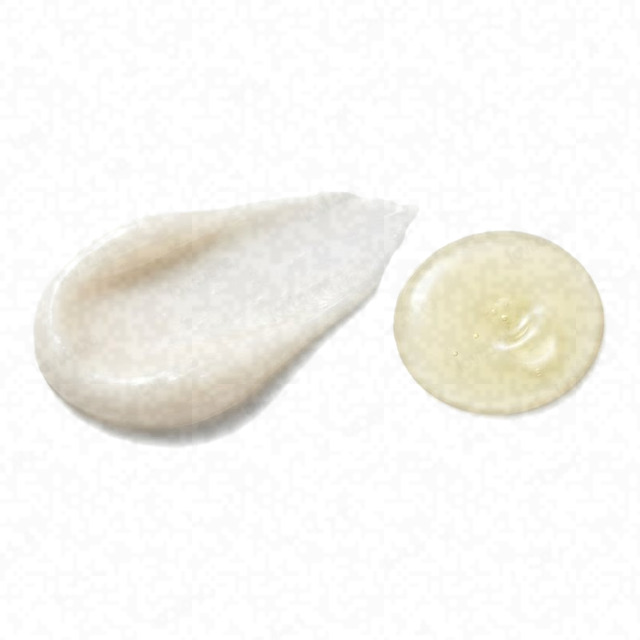 Octocrylene
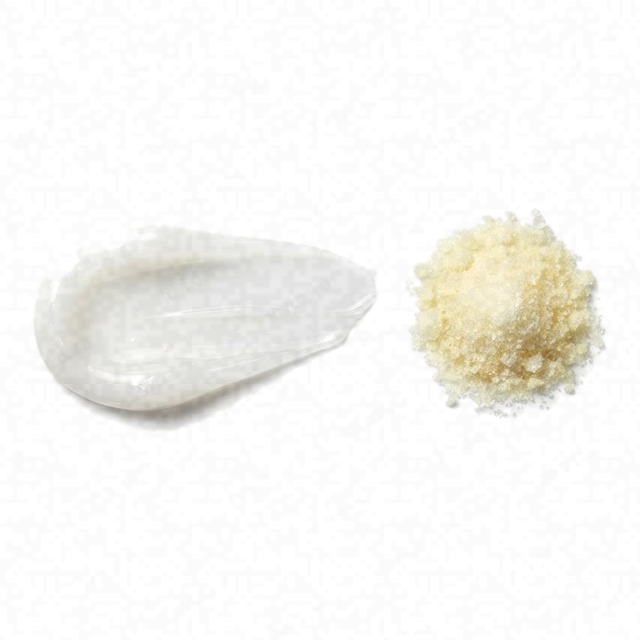 Avobenzone
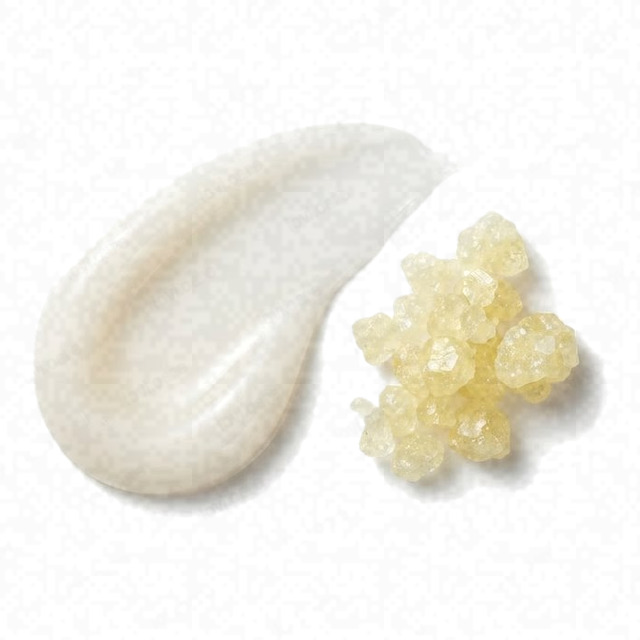 Homosalate
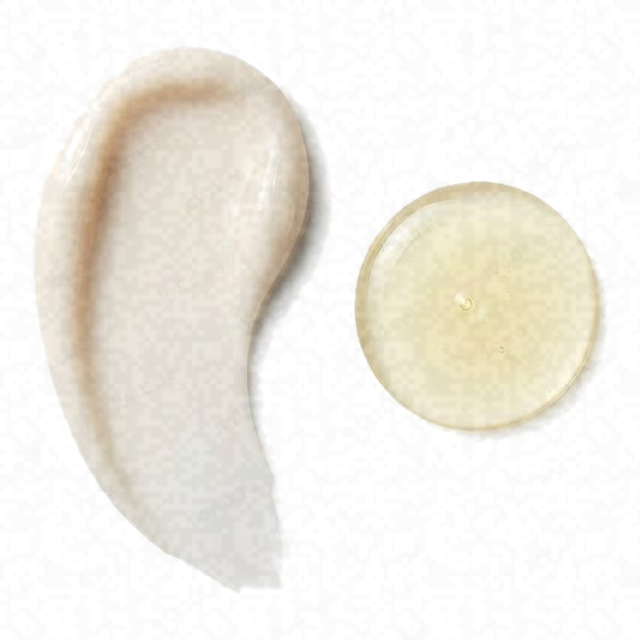 Octinoxate
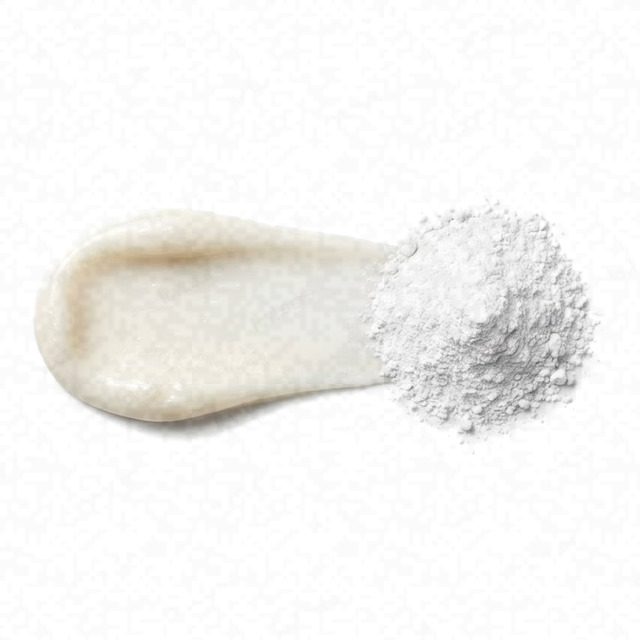 Titanium Dioxide
Low
- AverageDry Skin Fit
- AverageEffectiveness
- ConcerningSafety
A weak match for dry skin; the sunscreens alongside fit it better.
This fit is calculated for the concerns frequently associated with dry skin: flakiness, tightness, dehydration, fine lines, and wrinkles. For scores and recommendations based on your full skin profile, including your 12D face scan results and any goals or preferences you have, please use the Lovi app.
Page built Nov 8, 2026How the Fit score works
Lovi Assistant explains
- Offers moderate suitability for your dry skin due to the emollient action of dimethicone, but it lacks sufficient humectants for optimal hydration and does not directly address your dry or flaky skin concerns.
- While it provides moderate sun protection with zinc oxide and ethylhexyl methoxycinnamate, the formula's alcohol content poses a risk of irritation for your dry skin.
How to apply
- Apply this sunscreen during your AM routine every morning. Reapply every two hours when exposed to the sun.
- Apply the sunscreen as the final step in your morning routine after your moisturizer.
- Gently smooth a nickel-sized amount over your face and neck, avoiding harsh rubbing.
- Apply the sunscreen on clean, dry skin to ensure even protection and absorption.
- Avoid the immediate eye area and do a patch test before first use.
People Say
★4.5Overall rating based on 100+ reviewsThis sunscreen is highly praised for its matte, powdery finish and excellent oil control, making it a favorite for oily and acne-prone skin. It also offers a lightweight, quick-absorbing texture and performs well as a makeup primer and water-resistant option. However, users with dry or sensitive skin report it can be too drying, and those with deeper skin tones frequently experience a noticeable white cast.
Highlights
Matte Finish Mostly Mentioned
- “Dries instantly”
- “powdery feel”
- “no sticky residue”
Lightweight Texture Often Mentioned
- “Runny milk consistency”
- “feels weightless”
- “absorbs quickly”
Oil Control Often Mentioned
- “Keeps shine away”
- “mattifies T-zone”
- “prevents grease”
Drying Effect Often Mentioned
- “High alcohol content”
- “clings to dry patches”
- “dehydrates skin”
White Cast Often Mentioned
- “Leaves pale film”
- “ghostly appearance”
- “not dark-skin friendly”
Makeup Primer Sometimes Noted
- “Smooths skin texture”
- “prevents makeup sliding”
- “acts as base”
Water/Sweat Resistant Sometimes Noted
- “Stays on during swimming”
- “survives humidity”
- “doesn't melt”
Small Quantity Sometimes Noted
- “Tiny 40ml bottle”
- “runs out fast”
- “expensive per ml”
Strong Scent Sometimes Noted
- “Smells like alcohol”
- “chemical fragrance”
- “stings eyes”
Hard to Remove Rarely Noted
- “Requires double cleansing”
- “needs oil cleanser”
- “water-resistant residue”
Sources: lovi.care, amazon.com, influenster.com, yesstyle.com, reddit.com, skinsort.com, and more
Questions and answers
Why is Biore UV Perfect Milk a weak match for dry skin?
This product is a weak match for your dry skin because its alcohol content may cause irritation and it lacks enough hydrating ingredients to properly care for dry or flaky skin. A sunscreen for dry skin needs rich moisturizing ingredients and water-locking agents that support the skin barrier and protect against moisture loss without any risk of irritation.
Which ingredients make this sunscreen a poor fit for dry skin?
This sunscreen is a weak match for your dry skin mainly due to its alcohol content, which poses a risk of irritation, and because it lacks sufficient hydrating ingredients to address dry or flaky skin. An effective sunscreen for dry skin needs rich moisturizing ingredients and water-attracting agents that support the skin barrier and prevent moisture loss while protecting against the sun.
What does Octocrylene do for dry skin?
Octocrylene is a sunscreen ingredient that protects dry skin from UV rays without causing irritation, though it may occasionally trigger allergies in sensitive individuals. Because this type of product can sometimes feel heavy or drying, dry skin needs sunscreens that combine UV filters with rich, hydrating ingredients like plant extracts or nourishing creams to keep skin soft and smooth.
What does Avobenzone do for dry skin?
Avobenzone provides UV protection for dry skin, though it is usually paired with ingredients that hold onto moisture to help keep skin soft and smooth. Studies show it has an excellent safety profile with minimal risk of irritation when used in formulated sunscreens.
Journal of Drugs in Dermatology, 2025Photodermatology, Photoimmunology & Photomedicine, 2014
Where does it go in a skincare routine for dry skin?
This sunscreen goes as the last step of your morning skincare routine, right after your moisturizer. Because this formula contains alcohol and lacks heavy hydrating ingredients, dry skin needs sunscreens with rich soothing ingredients and extra moisture to feel soft and comfortable.
Can I use this sunscreen with retinol, and in what order?
You can use this sunscreen in the morning after your moisturizer, while saving your retinol for your evening routine. Because this formula contains alcohol and lacks enough hydrating ingredients for dry skin, a product of this type needs extra soothing agents and rich hydrators to keep your skin soft and comfortable.
How often should I use it?
This sunscreen is a weak match for your dry skin because it lacks enough hydrating ingredients and contains alcohol that may cause irritation. A product of this type for dry skin needs rich moisturizing ingredients and soothing agents to keep the skin soft and comfortable.
Can this sunscreen clog pores, cause breakouts or purging for dry skin?
This sunscreen is unlikely to clog pores or cause purging, but its alcohol content may dry out your skin further. Dry skin needs rich creams with heavy moisture-locking ingredients and humectants to stay soft and smooth.
Is it fragrance-free and alcohol-free?
It has no fragrance and contains drying alcohol (alcohol).
What the research says
Incorporating rosmarinic acid into sunscreens enhanced the in vivo SPF of octocrylene by over 157% and reduced lipid peroxidation in the human stratum corneum.
Antioxidants, 2025The application of a sunscreen formulation containing ethylhexyl methoxycinnamate, ethylhexyl salicylate, methyl anthranilate, and octocrylene does not significantly affect critical acne-related species such as Cutibacterium acnes and Staphylococcus epidermidis, refuting the induction of facial dysbiosis in men.
Archives of Dermatological Research, 2024Early application of sunscreen after ablative fractional skin resurfacing significantly increased the sensitization rate of the UV-filter, octocrylene, and the sunscreen compared to intact skin.
The Journal of Dermatological Treatment, 2015Encapsulation of ethylhexyl methoxycinnamate and butyl methoxydibenzoylmethane in lipid microparticles significantly reduced their in vivo human skin penetration compared to nonencapsulated filters.
Skin Pharmacology and Physiology, 2011Microencapsulation of the BMDBM/HP-beta-CD complex in lipid microparticles significantly decreased the percutaneous penetration of the UV filter into the stratum corneum of human volunteers compared to the non-encapsulated sunscreen agent.
Journal of Pharmaceutical and Biomedical Analysis, 2011Following human skin application of an O/W emulsion containing 2% BMDBM loaded in lipospheres, 15% of the sunscreen accumulated in the uppermost layers of the stratum corneum without remarkably modifying skin permeation compared to unencapsulated sunscreen.
Skin Pharmacology and Physiology, 2008Dermal application of a sunscreen containing 10% homosalate in four volunteers resulted in delayed elimination with terminal half-times around 24 h and a bioavailability of cis-homosalate a factor of 2 lower than trans-homosalate, while metabolite ratios supported using oral-route urinary excretion fractions for dermal exposure assessments.
Archives of Toxicology, 2024Chemical sunscreens containing avobenzone, octocrylene, homosalate, and octisalate showed no to minimal risks of dermal irritation, sensitization, photo-allergy, and photo-irritation in human subjects.
Journal of Drugs in Dermatology, 2025Homosalate exhibited the highest permeation among tested filters with a relative permeability rate of 4.2% and a depth of 60 um, and specific thickeners and emulsifiers successfully reduced its permeation without inhibiting the skin permeation of niacinamide.
Photodermatology, Photoimmunology & Photomedicine, 2026Replacing 20% of the chemical UV filter octyl methoxycinnamate with urucum oil in solid lipid nanoparticles maintained the skin protection factor without inducing toxic responses or significant skin penetration in human volunteers.
Skin Pharmacology and Physiology, 2018Liposomal encapsulation of octyl methoxycinnamate increases its safety, skin affinity, and in vivo solar photoprotection factor while slowing its release and enhancing retention in the stratum corneum compared to a conventional formulation.
International Journal of Nanomedicine, 2013Multilamellar liposomes containing octyl methoxycinnamate increased stratum corneum accumulation and reduced deeper skin penetration compared to conventional emulsions and small unilamellar liposomes in six volunteers, resulting in a slightly better sun protection factor.
Journal of Cosmetic Science, 2008Microfine titanium dioxide does not penetrate human skin when formulated in an oil-in-water emulsion with the pigment dispersed in the aqueous phase, compared to oily dispersions and liposomal encapsulation which allow deeper skin penetration.
International Journal of Cosmetic Science, 2000Replacing microsized titanium dioxide and zinc oxide with nanoparticles in sunscreens eliminates opaqueness and alters UV protection balance while inducing (photo)cyto- and genotoxicity and penetrating viable skin layers during long-term exposures.
Nanotechnology, Science and Applications, 2011Microfine zinc oxide and titanium dioxide do not penetrate the stratum corneum of porcine skin in vitro, indicating that their use in sunscreens does not pose a health risk from internal exposure.
Toxicology in Vitro, 2006
Why other sunscreens fit dry skin better
Alpha-tocopherol loaded nanostructured lipid carrier gel provided enhanced moisturizing and anti-aging properties in human volunteers over 12 weeks.
Journal of Cosmetic Dermatology, 2020Co-encapsulation of alpha-tocopherol and alpha-tocopheryl acetate in nanostructured lipid carrier gel formulations significantly enhanced moisture retention up to 68% and improved skin elasticity in human volunteers compared to a solution gel.
Scientific Reports, 2025
Ingredients
Water, Cyclopentasiloxane, Zinc Oxide, Ethylhexyl Methoxycinnamate, Butylene Glycol, Alcohol, Dimethicone, Peg-9 Polydimethylsiloxyethyl Dimethicone, Talc, Titanium Dioxide, Sodium Chloride, Aluminum Hydroxide, Stearic Acid, Disteardimonium Hectorite, Triethoxycaprylylsilane, Phenoxyethanol, Methylparaben
Behind this fit score
Lovi calculates every fit score from the full ingredient list with brand-independent rules our dermatologists and cosmetic chemists build and review, and personalizes every pick with AI trained on the real results of millions of users. Lovi trains its fit score models on a proprietary dataset built from more than 10,000 expert-labeled products and more than 100,000 simulated examples, following an internally consistent methodology presented at Cosmoprof, AMWC, and Skin of Color Update.
-

Co-founder, Medical Director
Cosmetic chemist, cosmetologist, aesthetic products developer
-

Co-founder, CEO and CTO
PhD in computer science, 3x US patent holder, ex-Google, ex-Yandex
-

Dr. Sofía Perea Pérez, MD, MSc
Medical Board
Aesthetic medicine practitioner, MSc in Longevity and Anti-Aging Medicine
-

Medical Board
Specialist dermatologist, MBBS, MD, IFAAD
-

Medical Board
Cosmetic chemist, SCS, IFSCC member
-

Medical Board, Medical Advisor
Dermatology MD
-

Elina Nazarenko, MD
Medical Board
Dermatology and diagnostic consultant
-

Victoria Derkova, MS
Medical Board
Cosmetic chemist, cosmetic development technologist


How does it fit your skin?
Scan your face, then any product: Lovi shows how well it fits you and what fits even better.