Bepanthol Derma for acne-prone skin

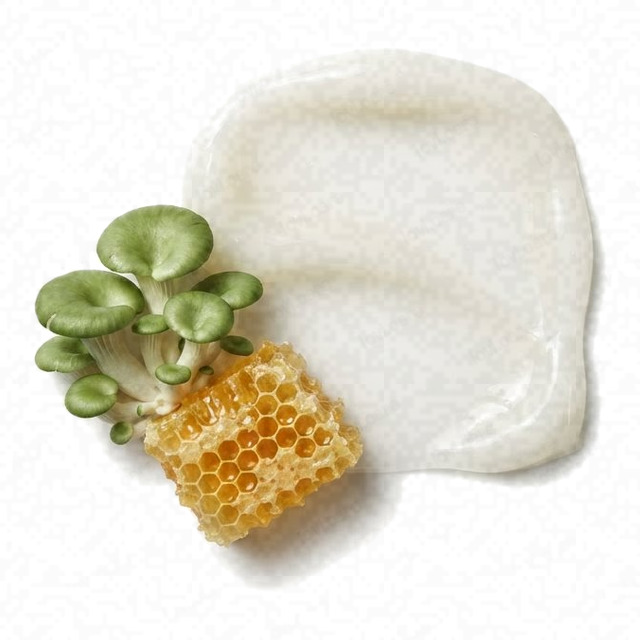 Panthenol
 Glycerin
Low
- AverageCombination Skin Fit
- AverageEffectiveness
- ConcerningSafety
A weak match for acne-prone skin; the moisturizers alongside fit it better.
This fit is calculated for the concerns frequently associated with acne-prone skin: breakouts, blackheads, and post-acne marks. For scores and recommendations based on your full skin profile, including your 12D face scan results and any goals or preferences you have, please use the Lovi app.
Page built Nov 8, 2026How the Fit score works
Lovi Assistant explains
- Offers moderate moisturizing for your combination skin, as panthenol and glycerin hydrate and enhance barrier resilience, but lacks targeted ingredients to effectively address your acne, blemishes, and breakouts.
- While generally suitable for combination skin, the formula does not contain ingredients like salicylic acid or benzoyl peroxide in concentrations that would specifically combat acne.
How to apply
- Use your moisturizer twice a day in your AM and PM routines. Apply it daily to help keep breakouts under control.
- Apply after your cleanser and toner, and make sure to use your SPF right after in the morning.
- Gently spread a small amount of moisturizer over your face using soft motions. Let it absorb into the skin for a minute before getting dressed or applying makeup.
- Apply on slightly damp skin to help lock in extra moisture. This keeps your combination skin balanced without feeling heavy.
- Avoid the eye area and do a patch test before your first use. Stop using if you feel any irritation.
Questions and answers
Why is Bepanthol Derma Moisturizing Treatment a weak match for acne-prone skin?
This moisturizing treatment is a weak match because it lacks targeted ingredients like salicylic acid or benzoyl peroxide to effectively address acne, blemishes, and breakouts. A product of this type needs acne-fighting ingredients, soothing extracts, and peptides that provide blemish benefits while keeping the skin calm and hydrated without irritation.
American Journal of Clinical Dermatology, 2002The Journal of Dermatological Treatment, 2017
Which ingredients make this cream a poor fit for acne-prone skin?
This cream is a weak match for acne-prone skin because it lacks targeted ingredients like salicylic acid or benzoyl peroxide to clear breakouts. A moisturizing treatment for acne-prone skin needs soothing extracts, gentle peptides, and blemish-fighting agents to hydrate while keeping pores clear.
The Journal of Dermatological Treatment, 2017American Journal of Clinical Dermatology, 2002
What does Water do for acne-prone skin?
Water-based hydration helps keep acne-prone skin balanced by providing essential moisture without adding excess oil. Proper hydration also helps reduce dryness and flakiness that can sometimes result from harsh acne treatments.
What does Panthenol do for acne-prone skin?
Panthenol helps acne-prone skin by soothing redness and supporting the skin barrier while keeping skin hydrated. It is unlikely to cause irritation and works well to calm angry spots without clogging pores.
American Journal of Clinical Dermatology, 2002Journal of Cosmetic Dermatology, 2024
Where does this cream go in a skincare routine for acne-prone skin?
This moisturizing treatment goes near the end of your morning and evening skincare routines, just before sunscreen in the morning. Because it lacks targeted ingredients for acne, this skin type needs a product that includes acne-fighting ingredients like salicylic acid or benzoyl peroxide to effectively clear breakouts.
The Journal of Dermatological Treatment, 2022The Journal of Dermatological Treatment, 2017
Can I use this cream with retinol, and in what order?
You can use this moisturizing treatment with retinol, applying the cream after your retinol step to help keep your skin calm and hydrated. A moisturizer for this skin needs barrier-restoring ingredients and acne-fighting components like salicylic acid or benzoyl peroxide.
How often should I use this cream?
This moisturizing treatment is generally designed for daily use to help keep your skin hydrated. A product of this type for acne-prone skin needs ingredients like salicylic acid or benzoyl peroxide to effectively address blemishes and breakouts.
Health Science Reports, 2021The Journal of Dermatological Treatment, 2017
Can this cream clog pores, cause breakouts or purging for acne-prone skin?
This cream is a weak match for acne-prone skin because it offers moderate moisture with panthenol and glycerin but lacks acne-fighting ingredients like salicylic acid or benzoyl peroxide. To properly care for acne-prone skin, a moisturizer of this type needs targeted ingredients that clear pores and address blemishes.
Clinical, Cosmetic and Investigational Dermatology, 2017The Journal of Dermatological Treatment, 2017
Can I use this cream around the eyes or on my body?
You can use this moisturizing treatment on your body and around the eyes, because the skin on the body and eyelids is thin enough to absorb it well without heavy clogging. Since it is a weak match for acne-prone skin, an acne-fighting product for this type of skin needs targeted ingredients like salicylic acid or benzoyl peroxide.
Is this cream fragrance-free and alcohol-free?
Yes, it has no fragrance and no drying alcohol. Cetyl alcohol and stearyl alcohol are fatty alcohols, which soften the skin.
What the research says
A single application of a moisturizing fluid containing hyaluronic acid 1%, glycerin 5%, and Centella asiatica stem cells extract significantly increased skin hydration by 29% and reduced transepidermal water loss at 24 hours compared to baseline and an untreated control site in twenty healthy women.
Clinical, Cosmetic and Investigational Dermatology, 2017A new topical panthenol-containing emollient significantly improved transepidermal water loss reduction, stratum corneum hydration, and intercellular lipid lamellae length compared with control in healthy subjects without negatively impacting bacterial viability.
The Journal of Dermatological Treatment, 2017Topical dexpanthenol acts as a moisturizer, improves stratum corneum hydration, accelerates wound healing and epidermal regeneration, reduces erythema, and improves symptoms of skin irritation compared to vehicle or no pretreatment.
American Journal of Clinical Dermatology, 2002Moisturizer containing 5% panthenol, madecassoside, and copper-zinc-manganese decreased adverse reactions and downtime after ablative fractional carbon dioxide laser resurfacing with comparable efficacy to 0.02% triamcinolone acetonide cream in 20 subjects.
Journal of Cosmetic Dermatology, 2019Topical dexpanthenol formulated in lipophilic vehicles improved stratum corneum hydration and reduced transepidermal water loss compared to vehicle control in humans.
Arzneimittel-Forschung, 2000Hyaluronic acid, hyaluronic acid plus dexpanthenol, and isotonic saline nasal sprays all significantly improved dry nose symptoms over four weeks in 240 patients, with hyaluronic acid plus dexpanthenol providing superior nasal moisturisation compared to the other two.
Auris, Nasus, Larynx, 2020The emollient V0034CR significantly reduced TEWL compared to vehicle and vehicle plus glycerol, and significantly increased corneometry scores compared to vehicle and vehicle plus petrolatum in healthy volunteers with dry skin, demonstrating combined barrier function improvement from petrolatum and hydration improvement from glycerol.
Journal of Cosmetic Dermatology, 2020Ten days of treatment with a cream containing 20% glycerin significantly increased skin hydration measured by corneometer values in 17 healthy volunteers compared to a placebo cream, but showed no influence on transepidermal water loss or skin sensitivity to an irritating surfactant.
International Journal of Cosmetic Science, 2001Niacinamide/glycerin body moisturizers provided better rapid and prolonged improvement of cosmetic xerosis through functional improvement of stratum corneum barrier function compared to no treatment and conventional moisturizers in female subjects.
Journal of Drugs in Dermatology, 2012
Why other moisturizers fit acne-prone skin better
Co-delivery of paeonol and madecassoside via nanoemulsions improved transdermal delivery, promoted barrier repair proteins, inhibited inflammatory cytokine secretion in cellular and 3D models, and reduced transepidermal water loss and acne in human facial skin compared to free components.
Molecules, 2023A facial serum containing snail secretion filtrate, Calendula officinalis, and Glycyrrhiza glabra root extract significantly reduced inflammatory acne lesions compared to placebo in 66 participants with mild-to-moderate maskne over 12 weeks.
Journal of Cosmetic Dermatology, 2022
Ingredients
Water, Panthenol, Glycerin, Cetyl Alcohol, Stearyl Alcohol, Isopropyl Myristate, Phenoxyethanol, Caprylyl Glycol, Sodium Polyacrylate, Trisodium Edta
Behind this fit score
Lovi calculates every fit score from the full ingredient list with brand-independent rules our dermatologists and cosmetic chemists build and review, and personalizes every pick with AI trained on the real results of millions of users. Lovi trains its fit score models on a proprietary dataset built from more than 10,000 expert-labeled products and more than 100,000 simulated examples, following an internally consistent methodology presented at Cosmoprof, AMWC, and Skin of Color Update.
-

Co-founder, Medical Director
Cosmetic chemist, cosmetologist, aesthetic products developer
-

Co-founder, CEO and CTO
PhD in computer science, 3x US patent holder, ex-Google, ex-Yandex
-

Dr. Sofía Perea Pérez, MD, MSc
Medical Board
Aesthetic medicine practitioner, MSc in Longevity and Anti-Aging Medicine
-

Medical Board
Specialist dermatologist, MBBS, MD, IFAAD
-

Medical Board
Cosmetic chemist, SCS, IFSCC member
-

Medical Board, Medical Advisor
Dermatology MD
-

Elina Nazarenko, MD
Medical Board
Dermatology and diagnostic consultant
-

Victoria Derkova, MS
Medical Board
Cosmetic chemist, cosmetic development technologist


How does it fit your skin?
Scan your face, then any product: Lovi shows how well it fits you and what fits even better.