Benton Goodbye Redness Centella Powder Wash for skin with dark spots

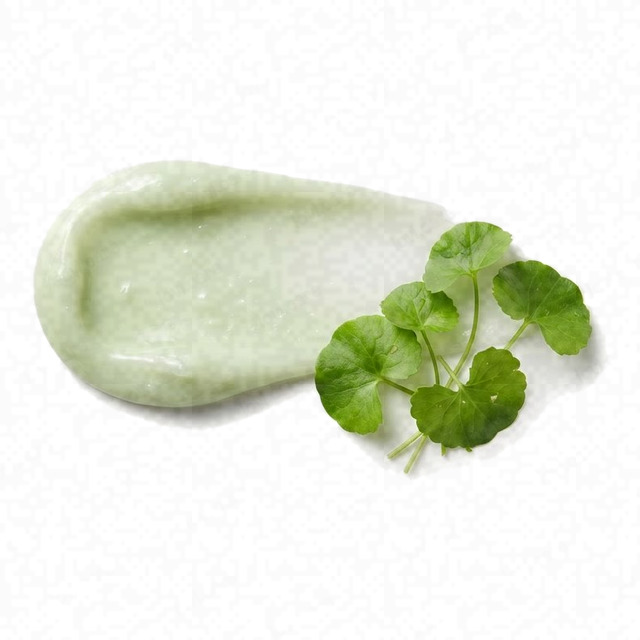 Centella Asiatica
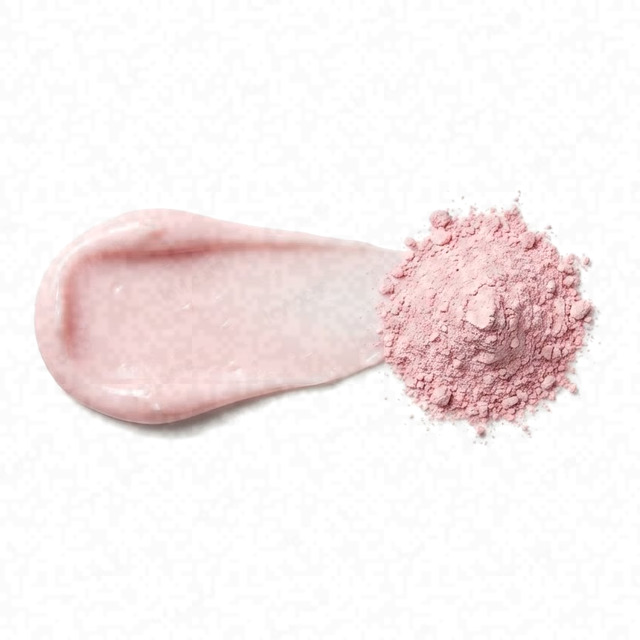 Calamine
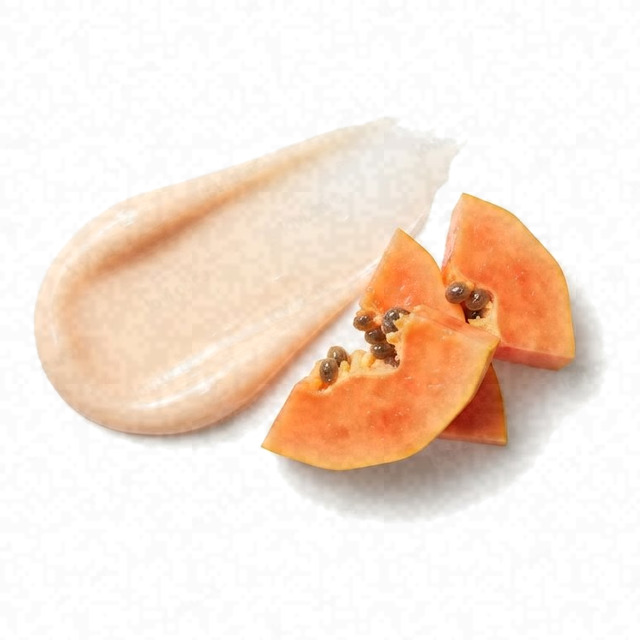 Enzymes
 Sodium Hyaluronate
Average
- HighNormal Skin Fit
- AverageEffectiveness
- HighSafety
Works for skin with dark spots; other products fit it better.
This fit is calculated for the concerns frequently associated with dark spots: hyperpigmentation, sun spots, and uneven skin tone. For scores and recommendations based on your full skin profile, including your 12D face scan results and any goals or preferences you have, please use the Lovi app.
Page built Nov 8, 2026How the Fit score works
Lovi Assistant explains
- Suitable for normal skin, this cleanser utilizes Centella Asiatica Extract and Madecassoside to provide anti-inflammatory action and support barrier repair, though it lacks targeted ingredients for your primary concern of pigmentation.
- The formula offers moderate cleansing benefits with Sodium Cocoyl Isethionate and Sodium Lauroyl Glutamate, effectively removing impurities without compromising your normal skin.
- The product is safe for your skin, as it contains no harsh ingredients and poses no irritation risks.
How to apply
- Use your enzyme powder cleanser in the PM routine once a week to start. Gradually increase frequency if your skin feels fine.
- Place this step right after your regular cleanser and before your toner. Skip your usual serum on the nights you use this.
- Mix the powder with a little water in your hands to create a soft foam, then gently massage onto your face. Avoid scrubbing too hard.
- Apply the foam to slightly damp skin for the best exfoliating effect. Rinse thoroughly with lukewarm water afterwards.
- Avoid the sensitive eye area and do a patch test before your first use. Do not use strong acids or retinoids on the same night.
People Say
★4.7Overall rating based on 600+ reviewsThis enzymatic powder cleanser is widely praised by users with sensitive, oily, and acne-prone skin for its ability to gently exfoliate without stripping the moisture barrier. While many report smoother skin texture and reduced redness after consistent use, some users find the powder format messy to dispense and the natural scent slightly off-putting.
Highlights
Gentle exfoliation Often Mentioned
- “Leaves skin soft, smooths texture, non-abrasive scrub.”
Non-stripping finish Often Mentioned
- “Hydrating feel, no tight sensation, protects barrier.”
Soothing and calming Sometimes Noted
- “Reduces redness, calms acne, lessens irritation.”
Travel-friendly Sometimes Noted
- “No liquid spill risk, lightweight, easy for flights.”
Messy packaging Sometimes Noted
- “Powder spills easily, hard to control amount, wide opening.”
Weak lather Sometimes Noted
- “Low foam, requires more water, difficult to emulsify.”
Mild cleansing power Rarely Noted
- “Struggles with makeup, needs second cleanse, too gentle for some.”
Natural scent Rarely Noted
- “Earthy smell, raw ingredient odor, unpleasant to some.”
Sources: lovi.care, iherb.com, nudieglow.com, femaledaily.com, hwahae.co.kr, and more
Questions and answers
How well does Benton Goodbye Redness Centella Powder Wash work for skin with dark spots?
This cleanser works for skin with dark spots, though other products fit it better because it lacks targeted ingredients for dark spots. To fit this skin better, a product of this type needs effective ingredients that provide excellent benefits for pigmentation concerns.
Indian Journal of Pharmaceutical Sciences, 2016Molecules, 2023
Which ingredients make this cleanser a good fit for skin with dark spots?
This cleanser works for your skin because Centella Asiatica and calamine help soothe the surface, but it lacks targeted brightening ingredients for dark spots. To better address dark spots, a cleanser of this type needs dedicated brightening ingredients like vitamin C or niacinamide to help fade discoloration and even out skin tone.
Indian Journal of Pharmaceutical Sciences, 2016Molecules, 2023
What does Centella Asiatica do for skin with dark spots?
Centella asiatica helps reduce dark spots by targeting the processes that cause excess pigment in the skin. Studies show that key compounds in this ingredient help calm the skin and manage melanin production.
Molecular Medicine Reports, 2014International Journal of Molecular Medicine, 2025
What does Calamine do for skin with dark spots?
Calamine helps soothe skin and calms redness, but it does not directly fade dark spots. To effectively treat dark spots, skin of this type needs brightening ingredients like vitamin C or niacinamide to help even out skin tone.
Where does it go in a skincare routine for skin with dark spots?
This cleanser fits into your weekly routine once a week as an exfoliating step, used after a makeup remover and before a nourishing mask. To better address dark spots, this skin type needs targeted brightening ingredients.
Can I use this cleanser with retinol, and in what order?
You can use this cleanser in your routine alongside retinol, but since this cleanser lacks targeted ingredients for dark spots, this skin needs a dedicated brightening treatment with ingredients like vitamin C or niacinamide. Use this cleanser first to wash your face, and follow with your retinol treatment.
How often should I use it?
Start by using this enzyme powder once a week as part of your weekly routine. People who tolerate it well and see good results can carefully use it more often.
Can this cleanser clog pores, cause breakouts or purging for skin with dark spots?
This cleanser is unlikely to clog pores, cause breakouts or cause purging on skin with dark spots because it contains no harsh ingredients and has a safe profile. A cleanser for this skin also needs targeted ingredients to fade dark spots and brighten the complexion.
Is it fragrance-free and alcohol-free?
Yes, it has no fragrance and no drying alcohol. Cetearyl alcohol is a fatty alcohol, which soften the skin.
What the research says
Cosmetic formulations containing 5% Centella asiatica extract showed the best efficacy in improving skin moisture and decreasing transepidermal water loss, while also exhibiting antiinflammatory properties in 25 volunteers compared to baseline measurements.
Indian Journal of Pharmaceutical Sciences, 2016Co-delivery of paeonol and madecassoside via nanoemulsions improved transdermal delivery, promoted barrier repair proteins, inhibited inflammatory cytokine secretion in cellular and 3D models, and reduced transepidermal water loss and acne in human facial skin compared to free components.
Molecules, 2023Topical application of uncoated or silane-coated zinc oxide nanoparticles under occlusive conditions and on barrier-impaired skin of human volunteers results in no measurable penetration into or local toxicity in the viable epidermis.
European Journal of Pharmaceutics and Biopharmaceutics, 2016The novel high-payload nanosuspension system of Centella asiatica extract increased skin accumulation of asiatic acid, madecassic acid, and asiaticoside by 5-, 4-, and 4.5-fold respectively compared to a marketed cream in porcine skin, with no local skin irritation in normal rats.
International Journal of Nanomedicine, 2021Topical application of 0.05% w/w ECa 233 gel reduced erythema index by 0.03 U and improved early crusting and general wound appearance compared to placebo in thirty individuals undergoing facial laser resurfacing.
Journal of Alternative and Complementary Medicine, 2020A single application of a moisturizing fluid containing hyaluronic acid 1%, glycerin 5%, and Centella asiatica stem cells extract significantly increased skin hydration by 29% and reduced transepidermal water loss at 24 hours compared to baseline and an untreated control site in twenty healthy women.
Clinical, Cosmetic and Investigational Dermatology, 2017Moisturizer containing 5% panthenol, madecassoside, and copper-zinc-manganese decreased adverse reactions and downtime after ablative fractional carbon dioxide laser resurfacing with comparable efficacy to 0.02% triamcinolone acetonide cream in 20 subjects.
Journal of Cosmetic Dermatology, 2019Topical 0.5% hyaluronic-ZnO nanogel applied twice daily reduced inflammatory-lesion counts by 58% at week four in human subjects compared to baseline without causing erythema.
Biomedicines, 2025Topical zinc oxide 20% ointment achieved a complete cure in 50% of patients with warts compared to 42% in the salicylic acid-lactic acid group, with no serious side-effects.
International Journal of Dermatology, 2007Topical application of 0.1% hyaluronic acid formulations of different molecular weights led to significant improvements in skin hydration and elasticity, with low-molecular-weight formulations also significantly reducing wrinkle depth in seventy-six female subjects compared to a vehicle control.
Journal of Drugs in Dermatology, 2011Topical application of hyaluronic acid in conjunction with free gingival graft significantly reduced donor site postoperative pain until day 7 compared to normal saline, with no significant differences in graft dimensions or patient satisfaction.
Clinical Oral Investigations, 2022Treatment with a hyaluronic acid-containing mouth rinse or topical gel led to significant lesion reduction, pain relief, and normalization of lesion color in adult patients with minor recurrent aphthous stomatitis, with the gel formulation showing an earlier healing onset at 3 days.
BMC Oral Health, 2019
Why other products fit skin with dark spots better
Encapsulation of ferulic acid in phosphorylated rice starch enhanced its stability against heat and light and improved skin lightening, elasticity, smoothness, roughness, scaliness, and wrinkles compared to free ferulic acid in 16 volunteers over 1 month.
Molecules, 2022
Ingredients
Sodium Cocoyl Isethionate, Sodium Lauroyl Glutamate, Coconut Fatty Acid, Sodium Isethionate, Water, Sodium Bicarbonate, Zea Mays Starch, Calamine, Houttuynia Cordata Extract, Laminaria Japonica Extract, Centella Asiatica Extract, Sodium Polyacrylate, Sucrose, Ascorbic Acid, Sodium Hyaluronate, Centella Asiatica Leaf Stem Powder, Protease, Bromelain, Sea Salt, Glycerin, Hydrogenated Phosphatidylcholine, 1,2-Hexanediol, Caprylic Capric Triglyceride, Butylene Glycol, Asiaticoside, Madecassic Acid, Asiatic Acid, Madecassoside, Sucrose Stearate, Cetearyl Alcohol
Behind this fit score
Lovi calculates every fit score from the full ingredient list with brand-independent rules our dermatologists and cosmetic chemists build and review, and personalizes every pick with AI trained on the real results of millions of users. Lovi trains its fit score models on a proprietary dataset built from more than 10,000 expert-labeled products and more than 100,000 simulated examples, following an internally consistent methodology presented at Cosmoprof, AMWC, and Skin of Color Update.
-

Co-founder, Medical Director
Cosmetic chemist, cosmetologist, aesthetic products developer
-

Co-founder, CEO and CTO
PhD in computer science, 3x US patent holder, ex-Google, ex-Yandex
-

Dr. Sofía Perea Pérez, MD, MSc
Medical Board
Aesthetic medicine practitioner, MSc in Longevity and Anti-Aging Medicine
-

Medical Board
Specialist dermatologist, MBBS, MD, IFAAD
-

Medical Board
Cosmetic chemist, SCS, IFSCC member
-

Medical Board, Medical Advisor
Dermatology MD
-

Elina Nazarenko, MD
Medical Board
Dermatology and diagnostic consultant
-

Victoria Derkova, MS
Medical Board
Cosmetic chemist, cosmetic development technologist


How does it fit your skin?
Scan your face, then any product: Lovi shows how well it fits you and what fits even better.