Benton Aloe Propolis Soothing Gel for acne-prone skin

 Aloe Barbadensis Leaf Juice
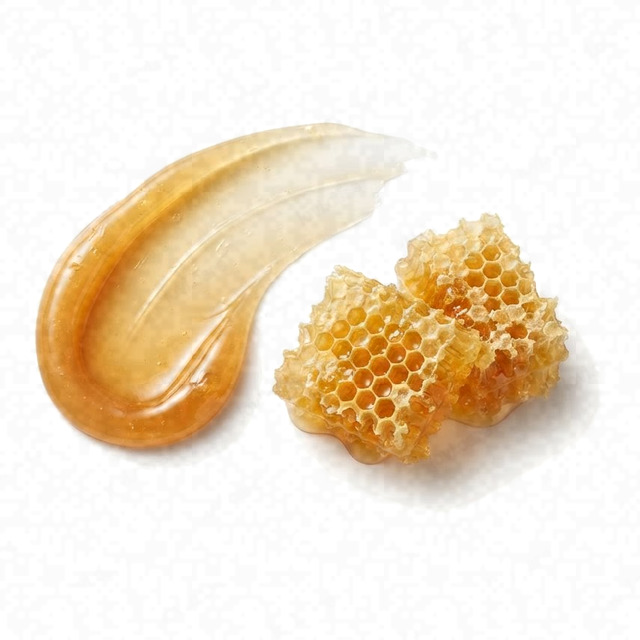 Propolis Extract
 Glycerin
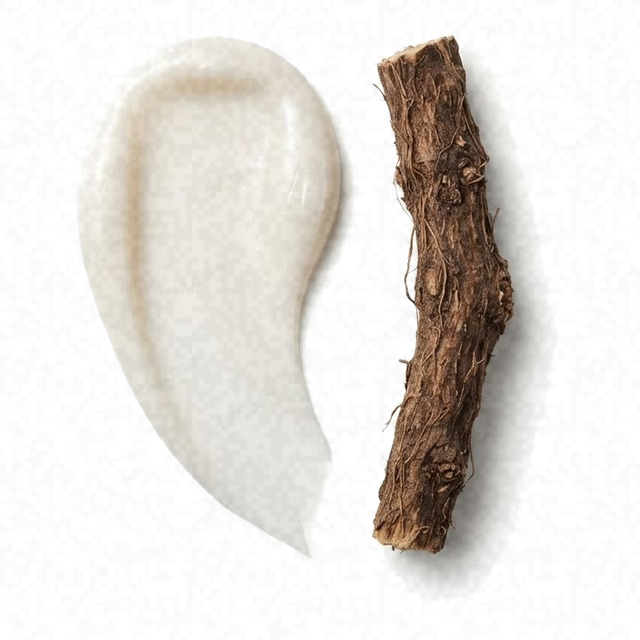 Allantoin
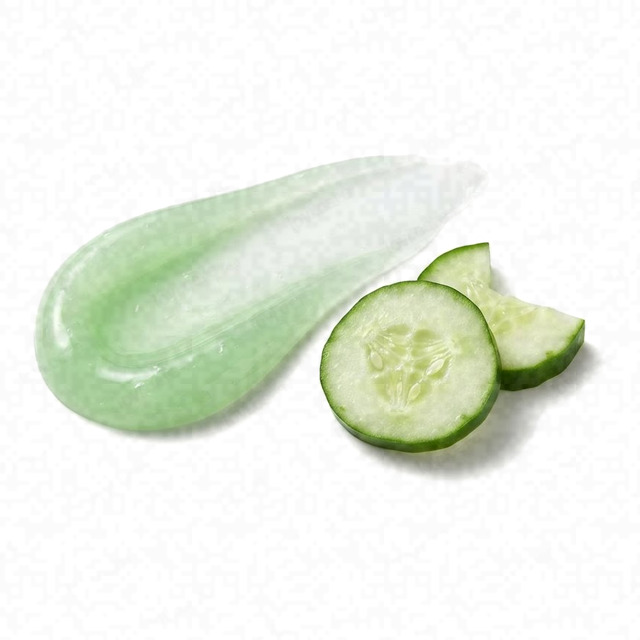 Cucumis Sativus Fruit Extract
High
- HighCombination Skin Fit
- HighEffectiveness
- ExcellentSafety
A great choice for acne-prone skin; a few moisturizers fit it even better.
This fit is calculated for the concerns frequently associated with acne-prone skin: breakouts, blackheads, and post-acne marks. For scores and recommendations based on your full skin profile, including your 12D face scan results and any goals or preferences you have, please use the Lovi app.
Page built Nov 8, 2026How the Fit score works
Lovi Assistant explains
- Highly suitable for your combination skin, this product leverages Aloe Barbadensis Leaf Water and Propolis Extract to provide excellent moisturizing and soothing benefits, directly addressing your concerns with acne, blemishes, and breakouts through their anti-inflammatory properties.
- The inclusion of ingredients like Betaine and Portulaca Oleracea Extract further supports skin hydration and barrier repair, enhancing overall comfort for your skin type.
- The safety profile is excellent, with no risks of irritation due to the absence of harsh ingredients and the presence of soothing components.
How to apply
- Use your moisturizer twice a day in your AM and PM routines. Apply it daily to help keep breakouts under control.
- Apply after your cleanser and toner, and make sure to use your SPF right after in the morning.
- Gently spread a small amount of moisturizer over your face using soft motions. Let it absorb into the skin for a minute before getting dressed or applying makeup.
- Apply on slightly damp skin to help lock in extra moisture. This keeps your combination skin balanced without feeling heavy.
- Avoid the eye area and do a patch test before your first use. Stop using if you feel any irritation.
People Say
★4.3Overall rating based on 1.4k+ reviewsBased on a very large amount of data, this gel is highly praised by users with oily, acne-prone, and sensitive skin for its immediate cooling and calming effects on redness and irritation, without clogging pores. It is an excellent lightweight hydrator for humid weather or oily skin types. Users with dry skin frequently find it insufficient as a standalone moisturizer and recommend layering it with a richer cream.
Highlights
Lightweight, non-greasy Mostly Mentioned
- “sinks in immediately”
- “feels like water on skin”
- “zero grease”
- “perfect for humid summers”
Soothes redness Mostly Mentioned
- “redness vanished overnight”
- “relieved stinging after waxing”
- “healed my sunburn quickly”
Acne safe Often Mentioned
- “didn't clog my pores”
- “safe for fungal acne”
- “helped flatten active pimples”
- “great for sensitive acne skin”
Insufficient moisture Often Mentioned
- “skin felt tight afterwards”
- “need a cream on top”
- “not enough for winter”
- “disappeared without hydrating”
Cooling sensation Sometimes Noted
- “feels cold on application”
- “refreshing wake-up call”
- “instantly cools hot skin”
- “best kept in the fridge”
Unpleasant scent Sometimes Noted
- “smells like wet dog”
- “weird metallic scent”
- “has a damp cloth smell”
- “scent is off-putting”
Caused breakouts Rarely Noted
- “broke me out in whiteheads”
- “caused tiny bumps”
- “irritated my sensitive skin”
- “gave me a rash”
Sticky finish Rarely Noted
- “left a sticky film”
- “felt tacky for hours”
- “hair stuck to my face”
- “glue-like texture”
Sources: lovi.care, sokoglam.com, gopicky.com, stylekorean.com, iherb.com, influenster.com, and more
Questions and answers
What makes Benton Aloe Propolis Soothing Gel a great fit for acne-prone skin?
Benton Aloe Propolis Soothing Gel is a great fit for acne-prone skin because it uses Aloe Barbadensis Leaf Water and Propolis Extract to calm redness and breakouts. Ingredients like Betaine and Portulaca Oleracea Extract also help keep skin hydrated and comfortable without any harshness.
Clinical Pharmacology, 2018Cutaneous and Ocular Toxicology, 2025
Which ingredients make this gel a good fit for acne-prone skin?
Aloe Barbadensis Leaf Juice and Propolis Extract make this gel a great fit because they provide soothing moisture and help calm breakouts with anti-inflammatory properties. This product is very safe and unlikely to cause irritation for your skin.
What does Aloe Vera Leaf Juice do for acne-prone skin?
Aloe Vera Leaf Juice helps calm acne-prone skin and may reduce redness, bumps, and spots when used consistently. Studies show it helps clear breakouts and keeps skin smooth by fighting blemish-causing factors.
Clinical Pharmacology, 2018The Journal of Dermatological Treatment, 2014
What does Propolis Extract do for acne-prone skin?
Propolis Extract helps calm angry breakouts and clears up acne-prone skin by fighting the bacteria that cause pimples and reducing redness. It may also fade red marks left behind by past breakouts, though this type of skin often needs ingredients that gently unclog pores and balance oil to stay clear.
Clinical Pharmacology, 2018Pharmaceutical Development and Technology, 2022
Where does this gel go in a skincare routine for acne-prone skin?
This moisturizing treatment goes in the evening routine after your cleansing toner and before your moisturizer. It is unlikely to irritate your skin and helps calm breakouts.
Can I use this gel with retinol, and in what order?
You can use this moisturizing treatment with retinol by applying it before your retinol or after it to help calm your skin and lower the likelihood of irritation. Using a soothing, barrier-supporting moisturizer alongside active treatments is widely known to improve skin comfort and help you stick to your routine.
How often should I use this gel?
You can use this moisturizing treatment twice a day as part of your morning and evening routine. Its soothing ingredients are gentle on acne-prone skin and unlikely to cause irritation.
Can this gel clog pores, cause breakouts or purging for acne-prone skin?
Benton Aloe Propolis Soothing Gel is very unlikely to cause breakouts for acne-prone skin because it relies on soothing ingredients like aloe and propolis to calm redness and help keep pores clear. Its safety profile is excellent, with virtually no complaints of clogged pores from reviewers and no harsh ingredients that typically trigger irritation.
Can I use this gel around the eyes or on my body?
You can use this moisturizing treatment safely on both the thin skin around your eyes and the skin on your body. Its gentle formula helps soothe and hydrate without causing irritation.
Is this gel fragrance-free and alcohol-free?
Yes, it has no fragrance and no drying alcohol.
What the research says
A cream combining propolis, tea tree oil, and Aloe vera reduced erythema scars, acne severity index, and total lesion count better than erythromycin cream in sixty patients with mild to moderate acne vulgaris compared to placebo.
Clinical Pharmacology, 2018Facial masks containing low-temperature extracted Portulaca oleracea protect sensitive skin from photothermal stimulation and improve skin barrier function during photorejuvenation.
Cutaneous and Ocular Toxicology, 2025A combination of Aloe barbadensis leaf extract and trimethylglycine in a 1:1 mass ratio synergistically increased aquaporin 3 expression by up to 380% in keratinocytes and safely improved skin hydration in healthy volunteers.
Molecules, 2024Soaps containing betaine caused the least skin irritation compared to other tested soaps in twenty-eight healthy subjects, though irritation did not decrease with increasing concentrations of betaine.
Skin Research and Technology, 2003Topical aloe vera gel significantly accelerated split-thickness skin graft donor-site healing compared to placebo in 12 patients, but showed no significant difference in pain relief.
Plastic and Reconstructive Surgery, 2018Topical application of Aloe vera cream reduced postoperative pain at rest and during defecation, accelerated wound healing at two weeks, and decreased analgesic requirements in patients after open hemorrhoidectomy compared to placebo.
Journal of Alternative and Complementary Medicine, 2010Formulations containing 0.10%, 0.25%, and 0.50% freeze-dried Aloe vera extract increased stratum corneum water content compared with the vehicle in 20 female subjects, while transepidermal water loss was not modified.
Skin Research and Technology, 2006Topical propolis application significantly reduced postoperative pain, hemorrhage, and accelerated wound healing in patients undergoing tonsillectomy compared to a control group.
Clinical and Experimental Otorhinolaryngology, 2018Topical treatment with ethanol propolis extract resulted in complete mycological and clinical cure in 56.25% of patients with onychomycosis, demonstrating non-toxicity and effective antifungal activity against Trichophyton spp. both in vitro and in patients.
Frontiers in Microbiology, 2018Topical hydrogel formulations containing hydroalcoholic extract of red propolis exhibited stability, non-Newtonian and pseudoplastic behavior, in vivo skin compatibility, and no skin irritancy.
Heliyon, 2022A single application of a moisturizing fluid containing hyaluronic acid 1%, glycerin 5%, and Centella asiatica stem cells extract significantly increased skin hydration by 29% and reduced transepidermal water loss at 24 hours compared to baseline and an untreated control site in twenty healthy women.
Clinical, Cosmetic and Investigational Dermatology, 2017The emollient V0034CR significantly reduced TEWL compared to vehicle and vehicle plus glycerol, and significantly increased corneometry scores compared to vehicle and vehicle plus petrolatum in healthy volunteers with dry skin, demonstrating combined barrier function improvement from petrolatum and hydration improvement from glycerol.
Journal of Cosmetic Dermatology, 2020Ten days of treatment with a cream containing 20% glycerin significantly increased skin hydration measured by corneometer values in 17 healthy volunteers compared to a placebo cream, but showed no influence on transepidermal water loss or skin sensitivity to an irritating surfactant.
International Journal of Cosmetic Science, 2001Topical gel containing chitosan, 0.2% chlorhexidine, allantoin and dexpanthenol did not improve postoperative comfort regarding swelling and pain, but improved the wound's aesthetic appearance following impacted lower third molar extraction compared to no gel.
Medicina Oral, Patologia Oral Y Cirugia Bucal, 2016A topical gel containing chitosan, chlorhexidine, allantoin, and dexpanthenol significantly reduced postoperative pain, trismus, swelling, and analgesic consumption, while improving wound healing after third molar surgery compared to a placebo.
Medicina Oral, Patologia Oral Y Cirugia Bucal, 2020An overnight patch containing Allium cepa extract and allantoin safely promotes scar healing after dermatologic surgery, resulting in significantly greater reductions in observer- and patient-assessed POSAS scores compared to no treatment.
Aesthetic Plastic Surgery, 2018Transgenic cucumber expressing poly-γ-glutamic acid synthesis genes increased water content by 6-14%, reduced water loss by 11-12%, decreased facial wrinkles and roughness by 19.58% and 24.97%, decreased skin melanin by 5.27%, and improved facial elasticity in human skin and zebrafish compared to controls.
International Journal of Biological Macromolecules, 2024Copper Oxide nanoparticles synthesized using cucumber extract exhibited antibacterial, antifungal, UV protection, and reactive-oxygen species inhibition properties with low cellular toxicity and skin-rejuvenating effects when incorporated into skin cream.
Endocrine, Metabolic & Immune Disorders Drug Targets, 2021Topical treatment with Holothuria parva extract gel showed significant wound contraction compared to the negative control in full-thickness wounded rats.
The International Journal of Lower Extremity Wounds, 2024
Ingredients
Aloe Barbadensis Leaf Water, Butylene Glycol, Water, Pentylene Glycol, 1,2-Hexanediol, Glycerin, Propolis Extract, Aloe Barbadensis Leaf Extract, Betaine, Cucumis Sativus Fruit Extract, Portulaca Oleracea Extract, Camellia Sinensis Leaf Extract, Allantoin, Aloe Barbadensis Leaf Juice Powder, Zanthoxylum Piperitum Fruit Extract, Pulsatilla Koreana Extract, Usnea Barbata Extract, Acrylates C10-30 Alkyl Acrylate Crosspolymer, Arginine
Behind this fit score
Lovi calculates every fit score from the full ingredient list with brand-independent rules our dermatologists and cosmetic chemists build and review, and personalizes every pick with AI trained on the real results of millions of users. Lovi trains its fit score models on a proprietary dataset built from more than 10,000 expert-labeled products and more than 100,000 simulated examples, following an internally consistent methodology presented at Cosmoprof, AMWC, and Skin of Color Update.
-

Co-founder, Medical Director
Cosmetic chemist, cosmetologist, aesthetic products developer
-

Co-founder, CEO and CTO
PhD in computer science, 3x US patent holder, ex-Google, ex-Yandex
-

Dr. Sofía Perea Pérez, MD, MSc
Medical Board
Aesthetic medicine practitioner, MSc in Longevity and Anti-Aging Medicine
-

Medical Board
Specialist dermatologist, MBBS, MD, IFAAD
-

Medical Board
Cosmetic chemist, SCS, IFSCC member
-

Medical Board, Medical Advisor
Dermatology MD
-

Elina Nazarenko, MD
Medical Board
Dermatology and diagnostic consultant
-

Victoria Derkova, MS
Medical Board
Cosmetic chemist, cosmetic development technologist


How does it fit your skin?
Scan your face, then any product: Lovi shows how well it fits you and what fits even better.