Banila Co Clean It Zero Cleansing Balm Purifying for oily acne-prone skin

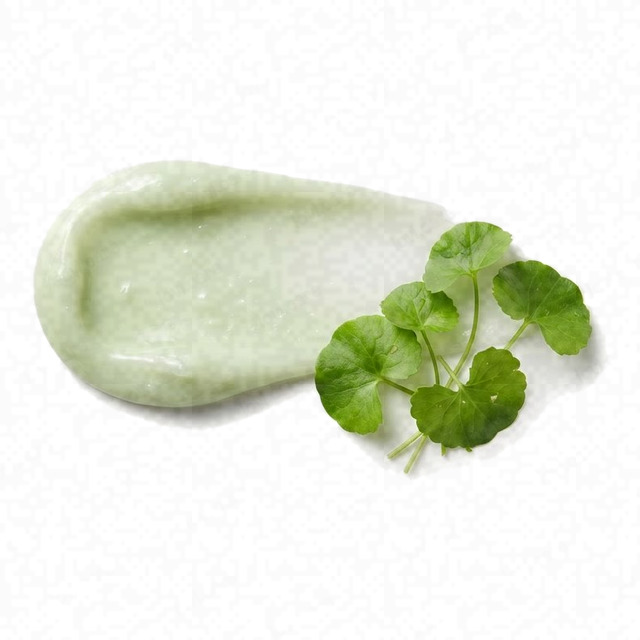 Centella Asiatica Extract
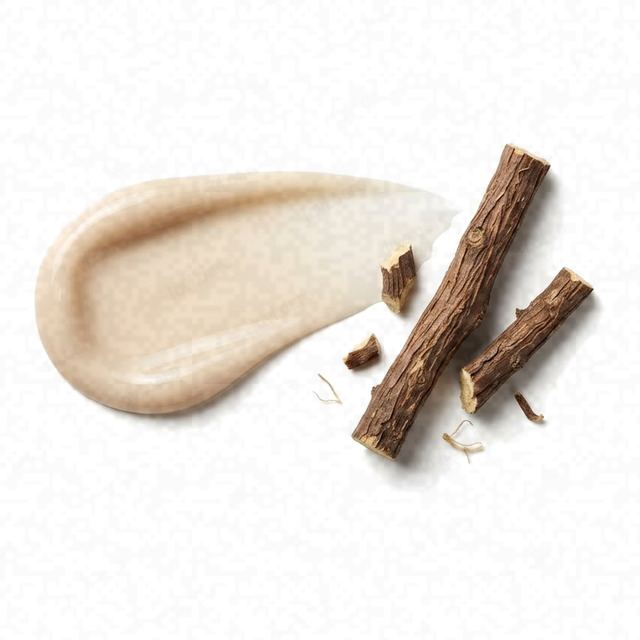 Glycyrrhiza Glabra Root Extract Licorice Root Extract
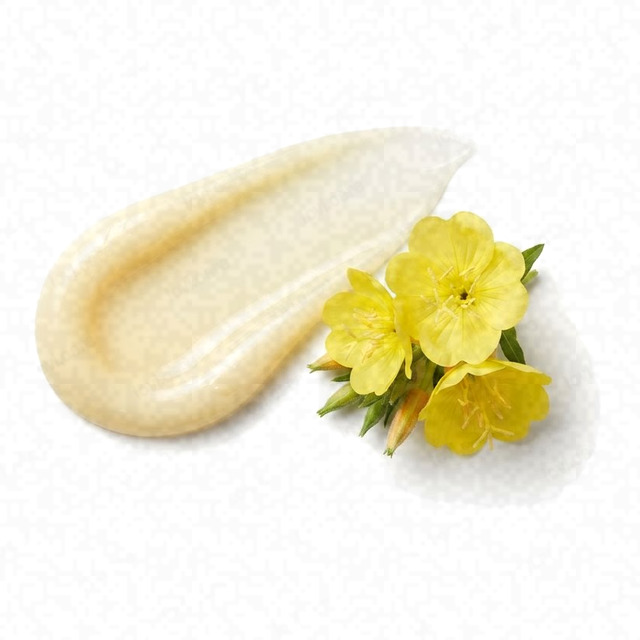 Oenothera Biennis Oil
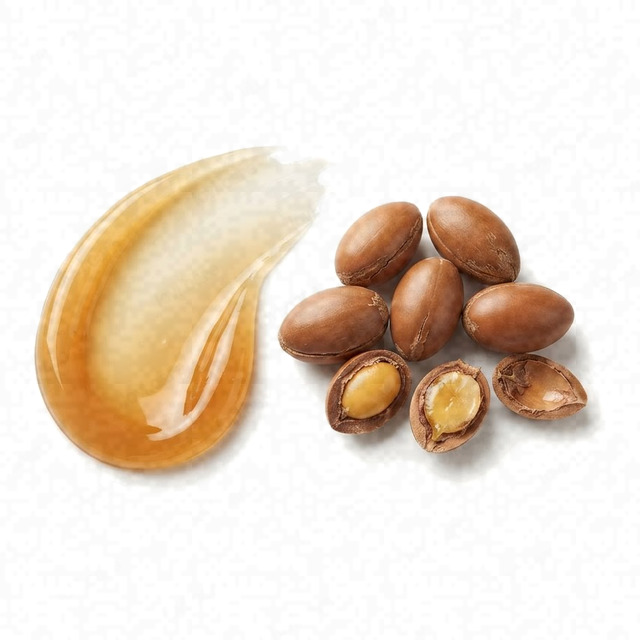 Argania Spinosa Kernel Oil Argan Kernel Oil
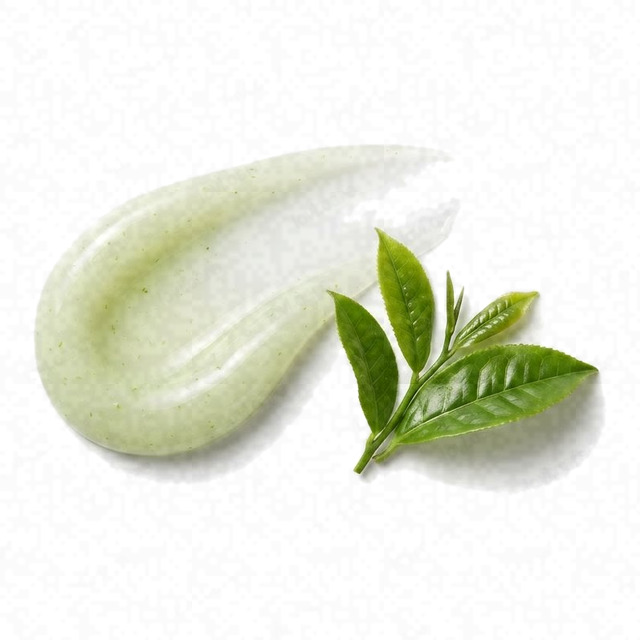 Camellia Sinensis Leaf Extract
Average
- AverageOily Skin Fit
- AverageEffectiveness
- HighSafety
Works for oily acne-prone skin; other pre-cleansers fit it better.
This fit is calculated for the concerns frequently associated with oily acne-prone skin: shine, breakouts, blemishes, and enlarged pores. For scores and recommendations based on your full skin profile, including your 12D face scan results and any goals or preferences you have, please use the Lovi app.
Page built Nov 8, 2026How the Fit score works
Lovi Assistant explains
- Offers excellent makeup removal for your oily skin, as Cetyl Ethylhexanoate and Caprylic Capric Triglyceride effectively dissolve impurities without causing irritation. Anthemis Nobilis Flower Water and Centella Asiatica Extract provide supportive soothing benefits, though they do not directly address your primary concerns of acne and breakouts.
- While the formulation is moderately suitable for oily skin due to emollient ingredients like Caprylic Capric Triglyceride, it lacks sufficient seboregulating agents to strongly manage oiliness.
- The product has a good safety profile with no risks of irritation for your oily skin, thanks to the absence of harsh ingredients and the inclusion of soothing components.
How to apply
- Use this makeup remover PM as the first step of your evening routine to clear away impurities. Start by using it 3×/week before working up to daily use if your skin tolerates it well.
- Apply this makeup remover before your regular cleanser and toner. Follow it with your usual cleansing steps to ensure all residue is thoroughly washed away.
- Gently press a small amount of the makeup remover onto your face using soft cotton pads. Avoid harsh rubbing to prevent irritating your blemishes and active breakouts.
- Apply the makeup remover on completely dry skin to effectively break down excess oil and makeup. Clean away thoroughly before moving on to the next skincare steps .
- Do a patch test before your first use to ensure your skin reacts well. Avoid getting the product directly into your eyes .
People Say
★4.8Overall rating based on 2.5k+ reviewsThis cleansing balm is widely praised as a "holy grail" for sensitive and acne-prone skin, effectively melting away stubborn makeup without stripping natural oils. Users consistently report that it calms redness and leaves the face feeling soft and hydrated, though a recent formula change regarding its scent has divided some long-time fans. This summary is based on a very large amount of data and should definitely be taken into account.
Highlights
Effective makeup removal Mostly Mentioned
- “Melts makeup instantly”
- “Removes waterproof mascara”
- “Erases everything in seconds”
Gentle on sensitive skin Mostly Mentioned
- “Doesn't sting my eyes”
- “Calms my redness”
- “No irritation at all”
Non-stripping hydration Often Mentioned
- “Skin feels plump”
- “No tight feeling”
- “Leaves face soft”
Pleasant texture Sometimes Noted
- “Melts like butter”
- “Smooth application”
- “Easy to spread”
Blurry vision Sometimes Noted
- “Foggy eyes after rinsing”
- “Blurs my vision”
- “Oil film in eyes”
Scent change Sometimes Noted
- “Smells like candy”
- “Prefer the old scent”
- “Artificial fragrance smell”
Caused breakouts Rarely Noted
- “Caused cystic acne”
- “Clogged my pores”
- “Broke me out”
Price point Rarely Noted
- “A bit expensive”
- “Wish it was cheaper”
- “Pricey for size”
Sources: lovi.care, influencer.com, sokoglam.com, ulta.com, yesstyle.com, amazon.com, and more
Questions and answers
How well does Banila Co Purifying Cleansing Balm work for oily acne-prone skin?
This cleansing balm works reasonably well for your oily acne-prone skin by dissolving makeup without causing irritation, but it lacks oil-controlling ingredients to manage breakouts. A cleanser for this skin type needs targeted oil-regulating ingredients and lightweight, non-clogging formulas that clear excess sebum without heavy oils.
Which ingredients make this cleanser a good fit for oily acne-prone skin?
Centella Asiatica extract and Anthemis Nobilis flower water help calm your skin, while Caprylic Capric Triglyceride softens it and dissolves impurities. Makeup removers for this skin type need oil-controlling and breakout-targeting ingredients along with lightweight hydration to manage oiliness and blemishes effectively.
What does Centella Asiatica Extract do for oily acne-prone skin?
Centella Asiatica Extract helps calm red spots and supports skin healing in oily, acne-prone skin. It may also help balance moisture and reduce breakouts by soothing irritated areas.
Indian Journal of Pharmaceutical Sciences, 2016Molecules, 2023
What does Licorice Root Extract do for oily acne-prone skin?
Licorice root extract helps calm redness and swelling while soothing irritated skin, making it a great option for blemish-prone areas. It also helps fight everyday skin stress that can make breakouts worse, though this type of skin also benefits from ingredients that gently clear pores and control extra oil.
Experimental Dermatology, 2015The Journal of Dermatological Treatment, 2003
Where does this cleanser go in a skincare routine for oily acne-prone skin?
This makeup remover goes in the evening routine before your cleanser, as a first step to dissolve impurities. Oily acne-prone skin also needs products with oil-controlling ingredients to properly manage breakouts and excess shine.
Can I use this cleanser with retinol, and in what order?
You can use this makeup remover in your PM routine before your cleanser, and it is unlikely to irritate your oily acne-prone skin. To best manage oil and breakouts with retinol, this skin type needs targeted ingredients that control excess oil and clear pores.
How often should I use this cleanser?
This makeup remover works well in your evening routine to dissolve impurities without irritation, though oily acne-prone skin needs ingredients that actively balance oil and breakouts.
Can this cleanser clog pores, cause breakouts or purging for oily acne-prone skin?
This cleanser is unlikely to cause irritation for your oily skin, though some reviewers mention a low risk of breakouts. Oily acne-prone skin needs products with ingredients that actively help control excess oil and target breakouts.
Is this cleanser fragrance-free and alcohol-free?
Yes, it has no fragrance and no drying alcohol.
What the research says
Cosmetic formulations containing 5% Centella asiatica extract showed the best efficacy in improving skin moisture and decreasing transepidermal water loss, while also exhibiting antiinflammatory properties in 25 volunteers compared to baseline measurements.
Indian Journal of Pharmaceutical Sciences, 2016Co-delivery of paeonol and madecassoside via nanoemulsions improved transdermal delivery, promoted barrier repair proteins, inhibited inflammatory cytokine secretion in cellular and 3D models, and reduced transepidermal water loss and acne in human facial skin compared to free components.
Molecules, 2023Topical application of an emollient emulsion containing 15.0% caprylic/capric triglyceride doubled the amount of urocanic acid isomers and increased skin hydration with reduced transepidermal water loss in healthy subjects, though it did not prevent ultraviolet-induced urocanic acid isomerization.
Life, 2023An anti-acne hydrogel containing Aloe barbadensis, Garcinia mangostana, and Camellia sinensis extracts showed superior antiacne and antiblotch activities compared to 1% clindamycin gel in sixty subjects with mild-moderate acne.
Clinical, Cosmetic and Investigational Dermatology, 2019Licochalcone A activated Nrf2 signaling, elevated cytoprotective enzymes, increased the reduced-to-oxidized glutathione ratio, and decreased reactive oxygen species in human fibroblasts and neutrophils, while a LicA-rich licorice extract lowered UVA-induced oxidative processes in vivo.
Experimental Dermatology, 2015Topical application of 0.05% w/w ECa 233 gel reduced erythema index by 0.03 U and improved early crusting and general wound appearance compared to placebo in thirty individuals undergoing facial laser resurfacing.
Journal of Alternative and Complementary Medicine, 2020A single application of a moisturizing fluid containing hyaluronic acid 1%, glycerin 5%, and Centella asiatica stem cells extract significantly increased skin hydration by 29% and reduced transepidermal water loss at 24 hours compared to baseline and an untreated control site in twenty healthy women.
Clinical, Cosmetic and Investigational Dermatology, 2017Moisturizer containing 5% panthenol, madecassoside, and copper-zinc-manganese decreased adverse reactions and downtime after ablative fractional carbon dioxide laser resurfacing with comparable efficacy to 0.02% triamcinolone acetonide cream in 20 subjects.
Journal of Cosmetic Dermatology, 2019Combining 755 nm alexandrite laser with topical licorice gel significantly reduces terminal hair counts compared to alexandrite laser with placebo in women with idiopathic hirsutism.
Evidence-based Complementary and Alternative Medicine, 2015Bioactive glycyrrhizic acid and oxymatrine ionic liquid self-assembled nanomicelles significantly promoted the transdermal permeation, subcutaneous retention, and anti-photoaging efficacy of palmitoyl pentapeptide-4 in cellular and animal models compared to unformulated peptide.
Advanced Science, 2025Topical application of Glycyrrhiza glabra and Sophora japonica flavonoid-rich fractions individually and in combination significantly increased the wound healing rate and reduced oxidative stress compared to wound and Nolaver-treated groups.
Molecules, 2023Electrospun poly (vinyl butyral-co-vinyl alcohol-co-vinyl acetate) patches loaded with evening primrose oil applied to the forearm of volunteers for 6 hours increased skin moisture, with pore size, shape, and fiber diameter influencing oil transport.
Biomaterials Advances, 2022A topical preparation containing urea, sunflower oil, evening primrose oil, wheat germ oil, and sodium pyruvate led to clinical improvement after a month in diverse hyperkeratotic skin conditions except pityriasis lichenoides.
Medicina Cutanea Ibero-latino-americana, 1986Topical application of linseed, evening primrose, and olive oil emulsions accelerated wound closure in rats with excision wounds compared to untreated controls, though via different mechanisms.
Drug Delivery and Translational Research, 2019A combination cream of stimu-tex AS and saccharide isomerate reduced erythema, increased skin capacitance, and reduced transepidermal water loss compared to placebo in 20 subjects after fractional CO2 laser procedure without causing serious adverse events.
Lasers in Medical Science, 2025Topical application of an argan oil NLC-based hydrogel formulation increased skin hydration in healthy volunteers over a one-month period through a synergistic effect of NLC occlusion and argan oil hydration.
International Journal of Nanomedicine, 2014Incorporating allantoin into argan oil enriched liposomes improved its accumulation in the dermis (~8.7μg/cm(2)) and permeation through the skin (~33μg/cm(2)) compared to conventional liposomes, water dispersion, and a commercial gel.
International Journal of Pharmaceutics, 2016Topical green tea extract significantly improved clinical symptoms, tear breakup times, and meibomian gland health compared to standard treatment in patients with dry eye and Meibomian Gland Dysfunction.
Journal of Clinical and Diagnostic Research, 2017Topical low-dose green tea extract reduces UVB-induced p53 expression and apoptosis in human skin keratinocytes compared to placebo.
Experimental Dermatology, 2009Topical application of green tea extract encapsulated chitosan microparticles improved skin elasticity, melanin index, and facial wrinkles compared to a placebo in female volunteers without causing skin irritation.
Journal of Cosmetic Dermatology, 2022
Ingredients
Cetyl Ethylhexanoate, Caprylic Capric Triglyceride, Peg-20 Glyceryl Triisostearate, Peg-10 Isostearate, Synthetic Wax, Water, Phenoxyethanol, Butylene Glycol, Tocopheryl Acetate, Oenothera Biennis Oil, Argania Spinosa Kernel Oil, Ethylhexylglycerin, Anthemis Nobilis Flower Water, Glycerin, Centella Asiatica Extract, Epilobium Angustifolium Stem Extract Flower Leaf, Scutellaria Baicalensis Root Extract, Polygonum Cuspidatum Root Extract, Glycyrrhiza Glabra Root Extract Licorice Root Extract, Camellia Sinensis Leaf Extract, 1,2-Hexanediol, Citric Acid, Rosmarinus Officinalis Leaf Extract Rosemary Leaf Extract, Chamomilla Recutita Flower Extract Matricaria Flower Extract, Calendula Officinalis Flower Extract, Portulaca Oleracea Extract, Althaea Rosea Flower Extract, Aloe Barbadensis Leaf Extract, Sodium Benzoate, Bambusa Vulgaris Stem Extract Leaf, Aspalathus Linearis Extract, Angelica Archangelica Root Extract, Acerola Fruit Extract, Potassium Sorbate, Sodium Metabisulfite, Zea Mays Oil, Beta-Carotene, Polydiethyleneglycol Adipate Ipdi Copolymer, Acrylates Ammonium Methacrylate Copolymer, Acrylates Methoxy Peg-15 Methacrylate Copolymer, Tocopherol
Behind this fit score
Lovi calculates every fit score from the full ingredient list with brand-independent rules our dermatologists and cosmetic chemists build and review, and personalizes every pick with AI trained on the real results of millions of users. Lovi trains its fit score models on a proprietary dataset built from more than 10,000 expert-labeled products and more than 100,000 simulated examples, following an internally consistent methodology presented at Cosmoprof, AMWC, and Skin of Color Update.
-

Co-founder, Medical Director
Cosmetic chemist, cosmetologist, aesthetic products developer
-

Co-founder, CEO and CTO
PhD in computer science, 3x US patent holder, ex-Google, ex-Yandex
-

Dr. Sofía Perea Pérez, MD, MSc
Medical Board
Aesthetic medicine practitioner, MSc in Longevity and Anti-Aging Medicine
-

Medical Board
Specialist dermatologist, MBBS, MD, IFAAD
-

Medical Board
Cosmetic chemist, SCS, IFSCC member
-

Medical Board, Medical Advisor
Dermatology MD
-

Elina Nazarenko, MD
Medical Board
Dermatology and diagnostic consultant
-

Victoria Derkova, MS
Medical Board
Cosmetic chemist, cosmetic development technologist


How does it fit your skin?
Scan your face, then any product: Lovi shows how well it fits you and what fits even better.