Sunday Riley 5 Stars Retinoid + Niacinamide Eye Serum for acne-prone skin

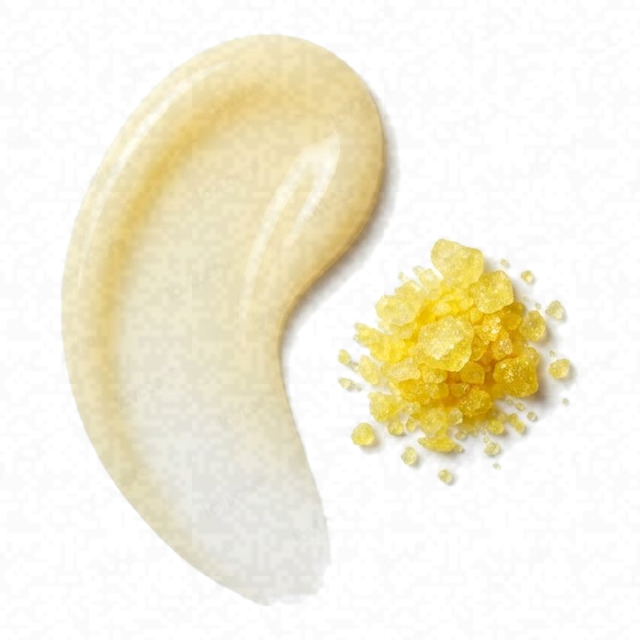 Retinoid Complex
 Niacinamide
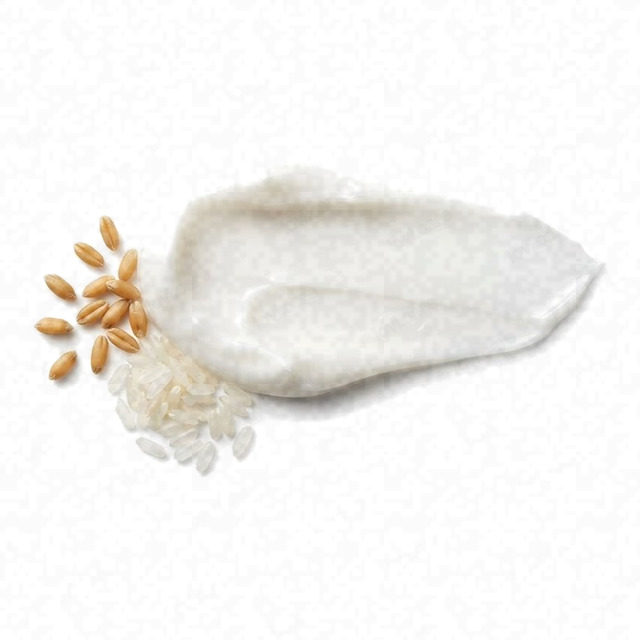 Ceramides
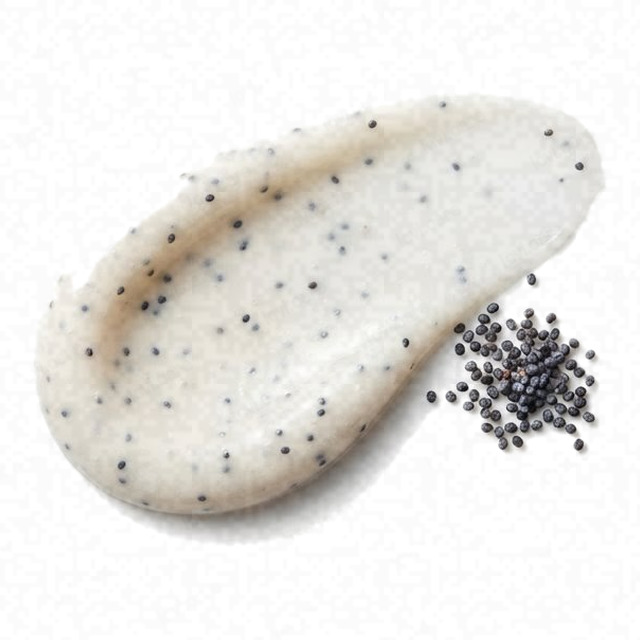 Papaver Somniferum Seed
 Centella Asiatica
Average
- AverageCombination Skin Fit
- AverageEffectiveness
- Low RiskSafety
Works for acne-prone skin; other eye cares fit it better.
This fit is calculated for the concerns frequently associated with acne-prone skin: breakouts, blackheads, and post-acne marks. For scores and recommendations based on your full skin profile, including your 12D face scan results and any goals or preferences you have, please use the Lovi app.
Page built Nov 8, 2026How the Fit score works
Lovi Assistant explains
- Offers moderate suitability for your combination skin, as niacinamide helps regulate oil production and retinoids manage skin cell turnover, though emollient ingredients like Olea Europaea Oil Fruit may not be optimal for all areas.
- The formula provides excellent anti-aging benefits for the eye area, minimizing fine lines and wrinkles with hydroxypinacolone retinoate and retinol, but its hydration and soothing properties are less relevant for your primary concern of acne and blemishes.
- The product is generally safe for your combination skin, with potential for mild irritation due to the presence of retinol and alcohol.
People Say
★4.2Overall rating based on 2.3k+ reviewsBased on a very large amount of data, this serum is highly effective at smoothing fine lines and reducing milia, with many users appreciating its hydrating texture and cooling applicator. A significant number of users experience irritation, burning, or dryness, particularly with frequent use, indicating it may be a strong formula that requires careful introduction.
Highlights
Reduces fine lines Often Mentioned
- “erased my fine lines”
- “lessens lines under eyes”
- “skin texture improved tremendously”
Drying and peeling Often Mentioned
- “dried out my undereyes”
- “skin peeling”
- “made eyes look older/wrinkly”
Irritation and burning Often Mentioned
- “burned my under eyes”
- “caused redness and irritation”
- “irritated red patchy eye”
Cooling applicator Sometimes Noted
- “cooling effect is amazing”
- “feels lovely and cooling”
- “applicator feels great”
Hydrating texture Sometimes Noted
- “velvety texture”
- “ultra moisturizing”
- “richer than expected”
High price point Sometimes Noted
- “very pricey eye serum”
- “expensive but works”
- “would buy on sale”
Clears milia Rarely Noted
- “eliminated almost all milia”
- “helped milia within two weeks”
- “tackles stubborn milia”
Packaging issues Rarely Noted
- “top falls off”
- “design better packaging”
- “cap is not secure”
Sources: lovi.care, kohls.com, ulta.com, dermstore.com, cultbeauty.co.uk, sundayriley.com, and more
Questions and answers
How well does Sunday Riley 5 Stars Eye Serum work for acne-prone skin?
Sunday Riley 5 Stars Eye Serum works moderately well for acne-prone skin, as niacinamide helps balance oil and retinoids manage skin cell turnover, though certain richer oils may not suit all areas. This skin type needs products that are safe with low irritation risks, effectively clear blemishes using targeted ingredients like niacinamide, and feature non-clogging moisturizers and antioxidants to maintain balance.
Which ingredients make this serum a good fit for acne-prone skin?
Niacinamide helps regulate oil production for acne-prone skin, while retinoids manage skin cell turnover. However, an eye care product for this skin needs ingredients like sodium hyaluronate or lightweight moisture without clogging pores, alongside gentle brightening and soothing components.
What does Retinoid do for acne-prone skin?
Retinoids serve as the core treatment for acne-prone skin because they help clear clogged pores, reduce inflammation, and calm breakouts. They significantly modulate genes involved in skin healing and cell turnover, though they may cause temporary irritation.
Journal of Drugs in Dermatology, 2022Dermatology and Therapy, 2017
What does Niacinamide do for acne-prone skin?
Niacinamide helps acne-prone skin by reducing both inflamed and uninflamed breakouts and calming redness. It is also very helpful for keeping oily skin balanced by cutting down on excess oil production, and it is well tolerated by most people.
Where does this serum go in a skincare routine for acne-prone skin?
This eye serum goes in the evening routine, applied after cleansing and before moisturizing. While it helps manage skin cell turnover, acne-prone skin of this type needs lighter, oil-free hydration and soothing ingredients like centella asiatica rather than heavy oils.
Can I use this serum with vitamin C, and in what order?
You can use this serum with vitamin C, but it is best to apply vitamin C in the morning and save this retinoid serum for your evening routine to help prevent irritation on acne-prone skin. This product works for your skin, though an acne-prone skin routine needs lightweight, oil-free hydrators and blemish-clearing ingredients like salicylic acid or niacinamide without heavy oils.
How often should I use this serum?
This eye serum works for your acne-prone skin, though other products fit it better. For this skin, a product needs ingredients like niacinamide and salicylic acid to help regulate oil and keep pores clear without heavy oils.
Can this serum clog pores, cause breakouts or purging for acne-prone skin?
This eye serum is an average fit for acne-prone skin because heavy oils in the formula may not work well for all areas, even though retinoids help manage skin cell turnover and niacinamide balances oil. An acne-prone eye product needs lightweight, non-greasy hydrators and soothing ingredients that keep pores clear without causing breakouts.
Is this serum fragrance-free and alcohol-free?
It has no fragrance and contains drying alcohol (alcohol).
What the research says
Hydroxypinacolone retinoate and retinyl propionate at a 5:9 weight ratio synergistically enhanced antiaging gene expressions in vitro and improved skin wrinkles, smoothness, transepidermal water loss, and elasticity in 42 Chinese urban women over an 8-week period without adverse reactions compared to retinol.
Journal of Cosmetic Dermatology, 2023Topical bakuchiol 0.5% applied twice daily compared with retinol 0.5% applied daily significantly decreased wrinkle surface area and hyperpigmentation with no statistical difference between the compounds in 44 patients over 12 weeks, while retinol users reported more facial skin scaling and stinging.
The British Journal of Dermatology, 2019Benzyl Alcohol, Benzoic Acid, and Sodium Benzoate can be used safely in cosmetic formulations at concentrations up to 5%, and Benzyl Alcohol is safe up to 10% in hair dyes, despite causing nonimmunologic contact reactions.
International Journal of Toxicology, 2001Topical post-laser application of human adipocyte-derived mesenchymal stem cell media combined with niacinamide significantly improved wrinkle index, melanin index, patient satisfaction, and investigator esthetic improvement scores compared to vehicle cream in patients with aging skin.
Journal of Cosmetic Dermatology, 2021Topical nicotinamide prevented solar-simulated UV-induced immunosuppression in healthy volunteers, and men experienced immunosuppression at solar-simulated UV doses three times lower than those required for women.
The Journal of Investigative Dermatology, 2008Topical 5% niacinamide applied twice daily for 12 weeks reduced fine lines and wrinkles, hyperpigmented spots, red blotchiness, and skin sallowness, and improved skin elasticity compared to vehicle control in 50 female white subjects with facial photoaging.
Dermatologic Surgery, 2005Topical application of 0.05% w/w ECa 233 gel reduced erythema index by 0.03 U and improved early crusting and general wound appearance compared to placebo in thirty individuals undergoing facial laser resurfacing.
Journal of Alternative and Complementary Medicine, 2020A single application of a moisturizing fluid containing hyaluronic acid 1%, glycerin 5%, and Centella asiatica stem cells extract significantly increased skin hydration by 29% and reduced transepidermal water loss at 24 hours compared to baseline and an untreated control site in twenty healthy women.
Clinical, Cosmetic and Investigational Dermatology, 2017Moisturizer containing 5% panthenol, madecassoside, and copper-zinc-manganese decreased adverse reactions and downtime after ablative fractional carbon dioxide laser resurfacing with comparable efficacy to 0.02% triamcinolone acetonide cream in 20 subjects.
Journal of Cosmetic Dermatology, 2019
Why other eye cares fit acne-prone skin better
- Retinol in this eye care
Topical bakuchiol 0.5% applied twice daily compared with retinol 0.5% applied daily significantly decreased wrinkle surface area and hyperpigmentation with no statistical difference between the compounds in 44 patients over 12 weeks, while retinol users reported more facial skin scaling and stinging.
The British Journal of Dermatology, 2019
Ingredients
Water, Dimethicone, Caprylyl Methicone, Polyglycerin-6, Dimethyl Isosorbide, Niacinamide, Cetyl Diglyceryl Tris Trimethylsiloxy Silylethyl Dimethicone, Hydrogenated Polyisobutene, Octyldodecanol, Caprylic Capric Triglyceride, Peg-12 Dimethicone Ppg-20 Crosspolymer, Olea Europaea Oil Fruit Olive Oil Fruit, Hydroxypinacolone Retinoate, Retinol, Asiaticoside, Madecassic Acid, Asiatic Acid, Papaver Rhoeas Extract Red Poppy Extract, Bellis Perennis Flower Extract, Hieracium Pilosella Extract Hawkweed Daisy Extract, Dimethicone Vinyl Dimethicone Crosspolymer, Ceramide Np, Pentylene Glycol, Lecithin, Methylpropanediol, Polysorbate 20, Potassium Phosphate, Tocopherol, Caprylyl Glycol, Polyquaternium-80, Didecyldimonium Chloride, Pentaerythrityl Tetra-Di-T-Butyl Hydroxyhydrocinnamate, Benzotriazolyl Dodecyl P-Cresol, Alcohol, Sodium Phytate, Citric Acid, Sodium Citrate, Sodium Benzoate, Sodium Dehydroacetate
Behind this fit score
Lovi calculates every fit score from the full ingredient list with brand-independent rules our dermatologists and cosmetic chemists build and review, and personalizes every pick with AI trained on the real results of millions of users. Lovi trains its fit score models on a proprietary dataset built from more than 10,000 expert-labeled products and more than 100,000 simulated examples, following an internally consistent methodology presented at Cosmoprof, AMWC, and Skin of Color Update.
-

Co-founder, Medical Director
Cosmetic chemist, cosmetologist, aesthetic products developer
-

Co-founder, CEO and CTO
PhD in computer science, 3x US patent holder, ex-Google, ex-Yandex
-

Dr. Sofía Perea Pérez, MD, MSc
Medical Board
Aesthetic medicine practitioner, MSc in Longevity and Anti-Aging Medicine
-

Medical Board
Specialist dermatologist, MBBS, MD, IFAAD
-

Medical Board
Cosmetic chemist, SCS, IFSCC member
-

Medical Board, Medical Advisor
Dermatology MD
-

Elina Nazarenko, MD
Medical Board
Dermatology and diagnostic consultant
-

Victoria Derkova, MS
Medical Board
Cosmetic chemist, cosmetic development technologist


How does it fit your skin?
Scan your face, then any product: Lovi shows how well it fits you and what fits even better.