Skin Script Glycolic and Retinol Pads for acne-prone skin

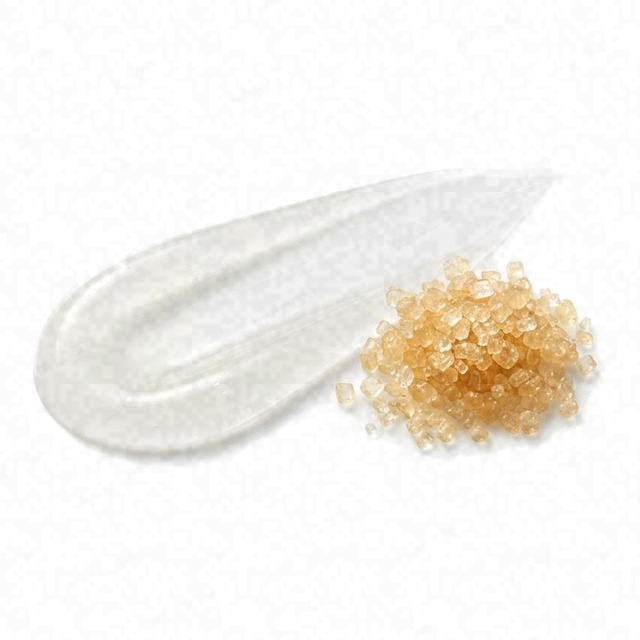 Glycolic Acid
 Retinol
 Kojic Acid
 Arbutin
Average
- HighCombination Skin Fit
- AverageEffectiveness
- HighSafety
Works for acne-prone skin; other products fit it better.
This fit is calculated for the concerns frequently associated with acne-prone skin: breakouts, blackheads, and post-acne marks. For scores and recommendations based on your full skin profile, including your 12D face scan results and any goals or preferences you have, please use the Lovi app.
Page built Nov 8, 2026How the Fit score works
Lovi Assistant explains
- Offers moderate exfoliation and skin brightening for your acne and blemishes due to the presence of glycolic acid and kojic acid in concentrations that promote cell turnover and reduce hyperpigmentation.
- It is highly suitable for your combination skin due to the presence of glycolic acid and retinol for exfoliation and desquamation regulation, and arbutin and kojic acid for melanogenesis regulation.
- There are no risks of irritation for your acne-prone skin due to the absence of prohibited or harsh ingredients, and the presence of soothing ingredients like witch hazel water.
How to apply
- Use this exfoliant PM once a week to start, and gradually increase if your combination skin tolerates it well. Always apply SPF the next morning to protect your clear skin.
- Apply the exfoliant after cleansing and toning, but right before your moisturizer step. This ensures the treatment targets blemishes effectively.
- Gently press 2-3 drops of the exfoliant into your skin without rubbing. Let it absorb for a minute before moving to the next step.
- Apply the exfoliant on clean, dry skin to help control breakouts safely. Since your skin is not sensitive, this dry application method ensures good product absorption.
- Avoid the sensitive eye area and do a patch test before your first use. Do not mix this exfoliant with other strong acids in the same routine.
Questions and answers
How well do Skin Script Glycolic and Retinol Pads work for acne-prone skin?
Skin Script Glycolic and Retinol Pads are an average fit for acne-prone skin, offering moderate exfoliation and brightening to help clear breakouts and dark spots safely. However, this skin type needs products containing soothing ingredients like niacinamide, zinc PCA, or propolis for optimal hydration and oil balance without excess dryness or irritation.
Which ingredients make this exfoliant a good fit for acne-prone skin?
Glycolic acid and kojic acid help clear blemishes by promoting cell renewal and fading dark spots, while retinol and witch hazel water support the skin without causing irritation. For acne-prone skin, an exfoliant of this type needs soothing and balancing ingredients like niacinamide, propolis, or zinc PCA that control oiliness while keeping the skin hydrated.
What does Glycolic Acid do for acne-prone skin?
Glycolic acid helps clear acne-prone skin by reducing pimples and breakouts. It also helps fade dark spots left behind by acne and controls skin oiliness, with very few side effects when used properly.
Journal of Cosmetic Dermatology, 2021Dermatologic Surgery, 2014
What does Retinol do for acne-prone skin?
Retinol helps acne-prone skin by speeding up cell turnover and clearing pores to reduce breakouts. It regulates skin growth and fights inflammation, though it may cause some mild peeling or stinging when you first start using it.
Journal of Drugs in Dermatology, 2022The Journal of Dermatological Treatment, 2017
Where does this exfoliant go in a skincare routine for acne-prone skin?
This exfoliant treatment goes in the evening routine after cleansing and before moisturizing, starting at once a week and slowly using it more often if your skin handles it well. To work better for acne-prone skin, a product of this type needs soothing ingredients and gentle acids that clear pores and brighten dark spots without causing irritation.
Can I use this exfoliant with vitamin C, and in what order?
You can use this exfoliant with vitamin C by applying vitamin C in the morning and this treatment at night to avoid overwhelming your skin. This routine helps manage blemishes and brighten your skin while keeping irritation unlikely.
How often should I use this exfoliant?
Start by using this exfoliant treatment once a week in your evening routine, and carefully use it more often only if your acne-prone skin tolerates it well and sees good results. An acne-prone skin type needs gentle chemical exfoliants like glycolic acid alongside soothing ingredients to help clear blemishes without causing irritation.
Journal of Cosmetic Dermatology, 2021Journal of Cosmetic Dermatology, 2024
Can this exfoliant clog pores, cause breakouts or purging for acne-prone skin?
Skin Script Glycolic and Retinol Pads are unlikely to cause breakouts or clog pores on acne-prone skin because they are free of harsh ingredients and contain soothing witch hazel water. However, to truly clear breakouts and manage acne-prone skin effectively, this type of product needs stronger pore-clearing acids and oil-balancing ingredients.
Is this exfoliant fragrance-free and alcohol-free?
Yes, it has no fragrance and no drying alcohol.
What the research says
Topical 0.4% retinol significantly increased epidermal thickness, dermal vascularity, and extracellular matrix production by stimulating keratinocyte proliferation, endothelial cell proliferation, and fibroblast activation in naturally aged human skin compared to vehicle.
International Journal of Cosmetic Science, 2017Hamamelis bark proanthocyanidins strongly increased the proliferation of cultured human keratinocytes and reduced transepidermal water loss and erythema formation in SLS-irritated skin, whereas the polysaccharide fraction had no effect.
Phytochemistry, 2001Repeated short-contact 70% glycolic acid peels provided superior results in atrophic acne scars compared to daily low-strength glycolic acid cream or placebo in 58 women over 24 weeks.
International Journal of Dermatology, 2000Serial glycolic acid peels combined with a modified Kligman formula significantly reduced facial PIH severity in Indian patients compared to the modified Kligman formula alone.
Dermatologic Surgery, 2017Topical bakuchiol 0.5% applied twice daily compared with retinol 0.5% applied daily significantly decreased wrinkle surface area and hyperpigmentation with no statistical difference between the compounds in 44 patients over 12 weeks, while retinol users reported more facial skin scaling and stinging.
The British Journal of Dermatology, 2019Silicone particles encapsulating retinol increased its half-life by 9-fold and yielded 12-23% lower skin irritation in human subjects compared to Microsponge particles while maintaining biological activity.
Journal of Controlled Release, 2018Topical stabilized retinol treatment induced HAS gene expression and increased hyaluronic acid production in human skin in vitro, ex vivo, and in vivo compared to vehicle.
Archives of Dermatological Research, 2017A topical formulation containing kojic acid, emblica extract, and glycolic acid demonstrated efficacy parity compared with hydroquinone 4% in multiethnic participants with mild to moderate facial dyschromia.
Cutis, 2010A nanoemulsion containing 1 mg/mL kojic dipalmitate and 5% rosehip oil demonstrated high incorporation efficiency, suitable physicochemical stability, antioxidant and depigmenting efficacy close to 1 mM ascorbic acid, and no cytotoxicity at concentrations from 0.06% to 1% in vitro.
Pharmaceutics, 2023Topical application of iron chelators kojic acid and deferiprone significantly accelerated wound healing in rats compared to control groups, with deferiprone showing superior efficacy due to higher antioxidant and iron chelation abilities.
International Wound Journal, 2013A non-hydroquinone topical formulation (SKNB19) improved hyperpigmentation by 28.5% in patient self-assessment and 27% in independent reviewer assessment compared with 4% hydroquinone in 18 adult subjects, while showing significantly less irritation and better tolerability.
Journal of Cosmetic Science, 2020Encapsulation of alpha arbutin in an optimized ethosomal gel significantly improved skin melanin reduction, moisture content, and elasticity in human volunteers compared to conventional formulations.
Heliyon, 2023Combining a home-based radiofrequency device and arbutin cream reduced mMASI scores by 25.6% and melanin index by 22.8% at 8 weeks compared to baseline in 38 participants.
Journal of Cosmetic Dermatology, 2025
Ingredients
Witch Hazel Water, Water, Arbutin, Kojic Acid, Glycolic Acid, Polysorbate 20, Lemon Peel Oil, Citrus Aurantium Ssp, Amara Oil Citrus Aurantium Amara Oil, Retinol
Behind this fit score
Lovi calculates every fit score from the full ingredient list with brand-independent rules our dermatologists and cosmetic chemists build and review, and personalizes every pick with AI trained on the real results of millions of users. Lovi trains its fit score models on a proprietary dataset built from more than 10,000 expert-labeled products and more than 100,000 simulated examples, following an internally consistent methodology presented at Cosmoprof, AMWC, and Skin of Color Update.
-

Co-founder, Medical Director
Cosmetic chemist, cosmetologist, aesthetic products developer
-

Co-founder, CEO and CTO
PhD in computer science, 3x US patent holder, ex-Google, ex-Yandex
-

Dr. Sofía Perea Pérez, MD, MSc
Medical Board
Aesthetic medicine practitioner, MSc in Longevity and Anti-Aging Medicine
-

Medical Board
Specialist dermatologist, MBBS, MD, IFAAD
-

Medical Board
Cosmetic chemist, SCS, IFSCC member
-

Medical Board, Medical Advisor
Dermatology MD
-

Elina Nazarenko, MD
Medical Board
Dermatology and diagnostic consultant
-

Victoria Derkova, MS
Medical Board
Cosmetic chemist, cosmetic development technologist


How does it fit your skin?
Scan your face, then any product: Lovi shows how well it fits you and what fits even better.