Sephora Gentle Peeling Serum for skin with dark spots

 Niacinamide
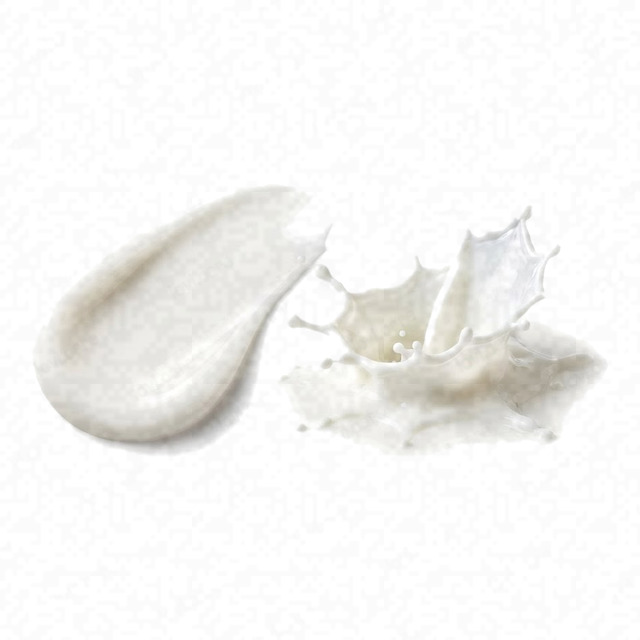 Lactic Acid
 Squalane
 Glycerin
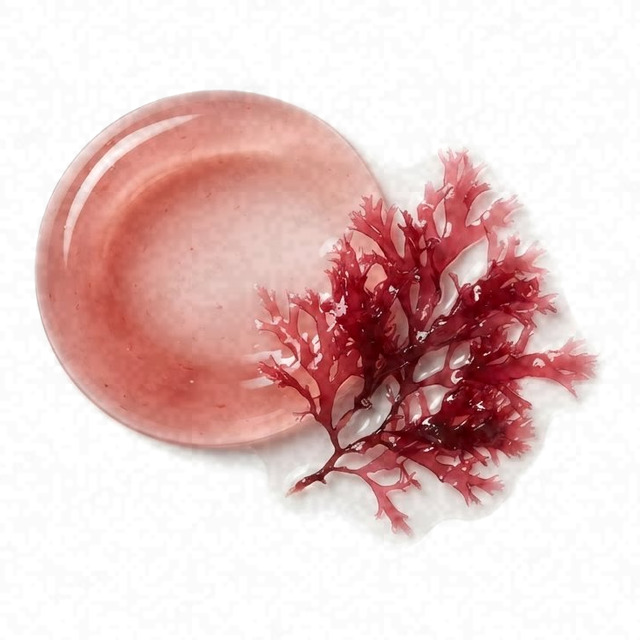 Hydrolyzed Rhodophyceae Extract
High
- HighNormal Skin Fit
- AverageEffectiveness
- HighSafety
One of the best products for skin with dark spots.
This fit is calculated for the concerns frequently associated with dark spots: hyperpigmentation, sun spots, and uneven skin tone. For scores and recommendations based on your full skin profile, including your 12D face scan results and any goals or preferences you have, please use the Lovi app.
Page built Nov 8, 2026How the Fit score works
Lovi Assistant explains
- Offers high suitability for your normal skin as lactic acid provides mild exfoliation and niacinamide supports the skin barrier. These ingredients work synergistically to gently address pigmentation concerns.
- The formula effectively smooths skin texture through chemical exfoliation, with lactic acid and sodium hydroxide concentrations optimized for this purpose.
- The product is safe for your normal skin, containing no harsh ingredients that would cause irritation.
How to apply
- Use your exfoliant PM once a week to start, moving up to twice a week if your skin likes it. Always apply SPF during the day while using this product.
- Apply this exfoliant step right after your cleanser and toner, and before your moisturizer.
- Gently press 2-3 drops of the exfoliant into your skin and let it dry. Avoid rubbing your face hard.
- Apply the product on clean, completely dry skin to make sure it works best for your pigmentation goals.
- Remember to avoid the delicate eye area and do a quick patch test before using it for the first time.
People Say
★4.4Overall rating based on 100+ reviewsBased on limited data, this serum is frequently praised for its lightweight, non-sticky texture that absorbs quickly and is non-irritating, making it suitable for sensitive skin. Users often report improved skin texture and reduced breakouts. Some users experience occasional dryness or note that results are not immediate.
Highlights
Lightweight, absorbs fast Often Mentioned
- “lightweight, non-sticky texture that absorbs quickly”
- “It absorbs quickly!!!”
- “It absorbs nicely”
Non-irritating Often Mentioned
- “does not irritate my sensitive skin”
- “very gentle on the skin with no irritation”
- “It doesn't sting at all”
Improves texture Sometimes Noted
- “makes my skin feel so soft”
- “see a little difference in the texture”
- “skin has been looking... younger, newer”
Reduces breakouts Sometimes Noted
- “gets rid of breakouts pretty fast”
- “help reduce breakouts and clogged pores”
- “tackle congested pores”
Slow results Sometimes Noted
- “haven't seen any improvement yet”
- “not really noticed a difference in my skin”
- “Probably too soon”
Causes breakouts Rarely Noted
- “i think this broke me out”
Causes dryness Rarely Noted
- “downfall of this serum is the drying of my skin”
- “not great in the winter”
Sources: lovi.care, sephora.sg, whatsinmyjar.com, sephora.com.au, gopicky.com, influenster.com, and more
Questions and answers
What makes Sephora Gentle Peeling Serum a great fit for skin with dark spots?
Sephora Gentle Peeling Serum is a great fit because lactic acid provides mild exfoliation while niacinamide helps fade dark spots and supports the skin barrier. These ingredients work together to gently smooth your skin texture and address pigmentation safely without causing irritation.
Which ingredients make this exfoliant a good fit for skin with dark spots?
Niacinamide and lactic acid make this exfoliant a great fit because they work together to gently fade dark spots and smooth out rough texture. Niacinamide helps reduce unwanted pigment, while lactic acid provides mild exfoliation to keep skin feeling soft and smooth.
What does Niacinamide do for skin with dark spots?
Niacinamide helps fade dark spots and uneven pigmentation by slowing down the transfer of pigment in the skin. It is generally well tolerated and may improve overall skin brightness with consistent use.
What does Lactic Acid do for skin with dark spots?
Lactic acid helps fade dark spots and even out skin tone. It works by gently removing dead surface skin and helping with pigment concerns.
International Journal of Dermatology, 2020Clinical, Cosmetic and Investigational Dermatology, 2010
Where does this exfoliant go in a skincare routine for skin with dark spots?
This exfoliant treatment goes in the evening routine after cleansing and toning, and before moisturizing. Start by using it once a week, and if your skin tolerates it well and you see good results, you can carefully use it more often.
Can I use it with retinol, and in what order?
This product contains an exfoliating acid, so using it in the same routine as retinol may cause dryness or irritation for your skin. It is best to use retinol on some nights and this treatment on alternating nights, or apply retinol in the evening and this serum on different days to keep your skin calm and smooth.
How often should I use this exfoliant?
Start using this treatment once a week in your evening routine, and if your skin tolerates it well and you see good results, you can carefully use it more often. This gentle approach helps smooth your skin texture and address dark spots safely while keeping your skin calm.
Journal of Cosmetic Dermatology, 2021Journal of Cosmetic Dermatology, 2024
Can it clog pores, cause breakouts or purging for skin with dark spots?
This exfoliant treatment is unlikely to clog pores or cause breakouts, as reviewers rarely report such issues and the formula is safe for normal skin. Niacinamide helps fade dark spots while lactic acid gently smooths skin texture.
Is this exfoliant fragrance-free and alcohol-free?
Yes, it has no fragrance and no drying alcohol.
What the research says
Niacinamide significantly decreased hyperpigmentation and increased skin lightness compared with vehicle alone after 4 weeks of use in women by inhibiting melanosome transfer.
The British Journal of Dermatology, 2002Topical post-laser application of human adipocyte-derived mesenchymal stem cell media combined with niacinamide significantly improved wrinkle index, melanin index, patient satisfaction, and investigator esthetic improvement scores compared to vehicle cream in patients with aging skin.
Journal of Cosmetic Dermatology, 2021Topical treatment of nicotinamide, alone or in combination with other active ingredients, reduces the progression of skin aging and hyperpigmentation in clinical trials while being well tolerated.
Antioxidants, 2021Topical nicotinamide prevented solar-simulated UV-induced immunosuppression in healthy volunteers, and men experienced immunosuppression at solar-simulated UV doses three times lower than those required for women.
The Journal of Investigative Dermatology, 2008Topical 5% niacinamide applied twice daily for 12 weeks reduced fine lines and wrinkles, hyperpigmented spots, red blotchiness, and skin sallowness, and improved skin elasticity compared to vehicle control in 50 female white subjects with facial photoaging.
Dermatologic Surgery, 2005Topical 2% niacinamide significantly decreased sebum excretion rate in Japanese individuals and casual sebum levels in Caucasian individuals compared to placebo or baseline.
Journal of Cosmetic and Laser Therapy, 2006Application of a cream containing lactic acid 12% and pramoxine HCl 1% significantly improved skin dryness, hydration, and itch compared with a nontreated control in 24 women with a history of dry itchy skin.
Cutis, 2004Topical 12% ammonium lactate produced a significant sparing of epidermal and dermal atrophy induced by clobetasol propionate in human volunteers, without influencing the corticosteroid's bioavailability or antiinflammatory properties.
Journal of the American Academy of Dermatology, 1992A lactic acid/ceramide lotion significantly improved skin moisturization and desquamation compared to no treatment in women with dry, rough skin on the anterior shins.
The Journal of Clinical and Aesthetic Dermatology, 2020Squalane at 0.005-0.015% counteracts UVA-induced oxidative stress, inflammation, and collagen metabolism inhibition while stimulating fibroblast migration in human dermal fibroblasts.
Molecules, 2025Plant-derived squalane protected human dermal fibroblasts against UVA-induced damage by counteracting ROS formation, suppressing apoptosis-related proteins p53, caspase-3, caspase-9, and PARP, and restoring the pro-survival p-Akt/mTOR pathway.
Antioxidants, 2025A single application of a moisturizing fluid containing hyaluronic acid 1%, glycerin 5%, and Centella asiatica stem cells extract significantly increased skin hydration by 29% and reduced transepidermal water loss at 24 hours compared to baseline and an untreated control site in twenty healthy women.
Clinical, Cosmetic and Investigational Dermatology, 2017The emollient V0034CR significantly reduced TEWL compared to vehicle and vehicle plus glycerol, and significantly increased corneometry scores compared to vehicle and vehicle plus petrolatum in healthy volunteers with dry skin, demonstrating combined barrier function improvement from petrolatum and hydration improvement from glycerol.
Journal of Cosmetic Dermatology, 2020Ten days of treatment with a cream containing 20% glycerin significantly increased skin hydration measured by corneometer values in 17 healthy volunteers compared to a placebo cream, but showed no influence on transepidermal water loss or skin sensitivity to an irritating surfactant.
International Journal of Cosmetic Science, 2001Topical sunscreen formulations containing UV filters, red algae extract, Ginkgo biloba, and vitamins protected hairless mice from UV-induced erythema, reduced transepidermal water loss, and significantly decreased the expression of p53 and caspase-3 compared to untreated controls.
Journal of Photochemistry and Photobiology. B, Biology, 2015Chitosan/polyvinyl alcohol nanofibrous dressings containing 3% Corallina officinalis extract exhibited bead-free morphology, enhanced mechanical strength, strong antibacterial activity against Escherichia coli and Staphylococcus aureus, and excellent biocompatibility for skin cell survival and proliferation.
Journal of Biomaterials Science. Polymer Edition, 2026
Ingredients
Water, Dicaprylyl Carbonate, Glycerin, Niacinamide, Propanediol, Lactic Acid, Pentylene Glycol, Ammonium Acryloyldimethyltaurate Vp Copolymer, Squalane, C14-22 Alcohols, Silica, Sodium Hydroxide, Trehalose, Stearalkonium Hectorite, C12-20 Alkyl Glucoside, Glyceryl Caprylate, Tocopherol, Sea Water, Xanthan Gum, Propylene Carbonate, Sodium Benzoate, Sodium Phytate, Phenethyl Alcohol, Hydrolyzed Rhodophyceae Extract
Behind this fit score
Lovi calculates every fit score from the full ingredient list with brand-independent rules our dermatologists and cosmetic chemists build and review, and personalizes every pick with AI trained on the real results of millions of users. Lovi trains its fit score models on a proprietary dataset built from more than 10,000 expert-labeled products and more than 100,000 simulated examples, following an internally consistent methodology presented at Cosmoprof, AMWC, and Skin of Color Update.
-

Co-founder, Medical Director
Cosmetic chemist, cosmetologist, aesthetic products developer
-

Co-founder, CEO and CTO
PhD in computer science, 3x US patent holder, ex-Google, ex-Yandex
-

Dr. Sofía Perea Pérez, MD, MSc
Medical Board
Aesthetic medicine practitioner, MSc in Longevity and Anti-Aging Medicine
-

Medical Board
Specialist dermatologist, MBBS, MD, IFAAD
-

Medical Board
Cosmetic chemist, SCS, IFSCC member
-

Medical Board, Medical Advisor
Dermatology MD
-

Elina Nazarenko, MD
Medical Board
Dermatology and diagnostic consultant
-

Victoria Derkova, MS
Medical Board
Cosmetic chemist, cosmetic development technologist


How does it fit your skin?
Scan your face, then any product: Lovi shows how well it fits you and what fits even better.