Seoul Ceuticals Ultra Brightening Kojic Acid Serum for oily acne-prone skin

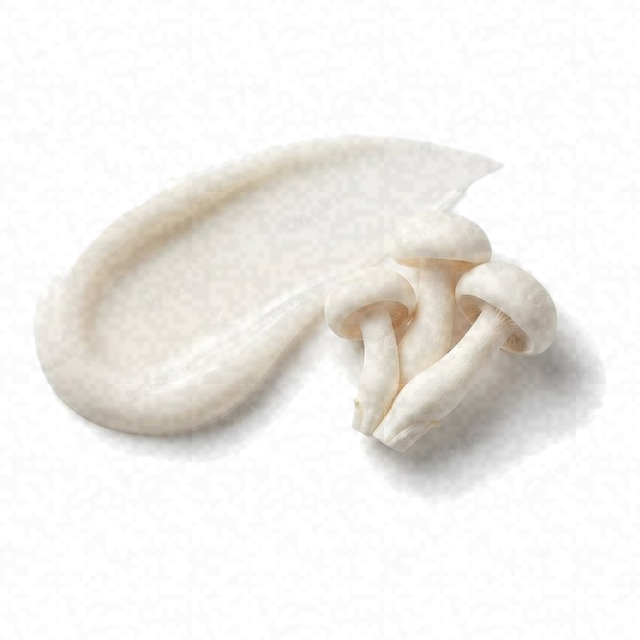 Kojic Acid
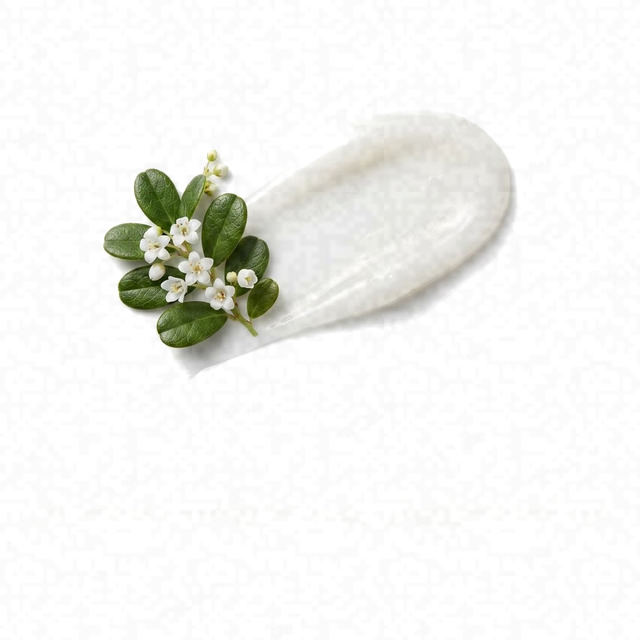 Alpha Arbutin
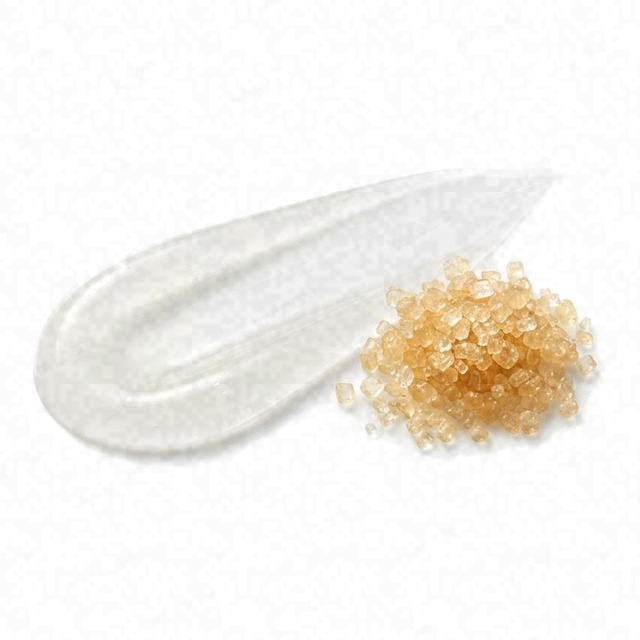 Glycolic Acid
 Salicylic Acid
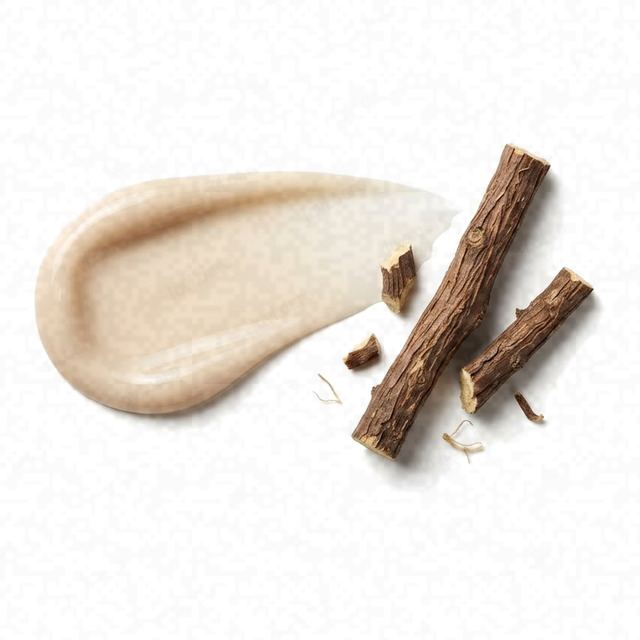 Licorice Root Extract
Average
- HighOily Skin Fit
- AverageEffectiveness
- HighSafety
Works for oily acne-prone skin; other serums fit it better.
This fit is calculated for the concerns frequently associated with oily acne-prone skin: shine, breakouts, blemishes, and enlarged pores. For scores and recommendations based on your full skin profile, including your 12D face scan results and any goals or preferences you have, please use the Lovi app.
Page built Nov 8, 2026How the Fit score works
Lovi Assistant explains
- Offers moderate exfoliation and oil control for your oily skin due to glycolic acid and willow bark extract, while alpha arbutin and kojic acid work to brighten and even your skin tone.
- Sodium hyaluronate and aloe vera provide supportive hydration and soothing benefits beneficial for acne-prone skin.
- The product is safe for your skin with no risks of irritation from harsh ingredients.
How to apply
- Could be used as part of your PM routine. Start 3 times a week and build up to daily use if your skin tolerates it well.
- Apply your serum after cleansing and toning, but before putting on your moisturizer.
- Gently press 2 to 3 drops of the serum into your skin and let it absorb for a minute.
- Apply the serum on clean, dry skin to help manage your blemishes safely.
- Do a patch test before your first use and avoid the delicate eye area.
People Say
★4.5Overall rating based on 200+ reviewsUsers report this serum effectively fades dark spots, acne scars, and hyperpigmentation, providing a noticeable glow. The lightweight texture absorbs quickly and is generally well-tolerated by sensitive skin, though a small minority experienced breakouts or irritation.
Highlights
Brightens Complexion Often Mentioned
- “skin glowing”
- “skin looks brighter”
- “radiance-boosting”
- “even skin tone”
Fades Dark Spots Often Mentioned
- “dark spots fading”
- “reduces appearance of dark patches”
- “good for hyperpigmentation”
- “fades acne scars”
Gentle on Skin Sometimes Noted
- “gentle on sensitive skin”
- “no side effect”
- “didn't irritate”
- “soothing”
Lightweight Texture Sometimes Noted
- “absorbs quickly”
- “light texture”
- “water gel”
- “feels good”
Irritation & Breakouts Rarely Noted
- “caused irritation”
- “breakouts all over”
- “tingling sensation”
- “redness”
Price & Value Rarely Noted
- “price is too high”
- “bottle size”
- “expensive for results”
- “small bottle”
Slow or No Results Rarely Noted
- “still have dark spots”
- “didn't notice much”
- “didn't do much for me”
- “no change”
Unpleasant Scent Rarely Noted
- “scent is not that good”
- “smell”
- “weird scent”
- “not pleasant”
Sources: lovi.care, iherb.com, target.com, ulta.com, nordstrom.com, clinikally.com, and more
Questions and answers
How well does Seoul Ceuticals Kojic Acid Serum work for oily acne-prone skin?
This serum works decently for your oily acne-prone skin, providing moderate exfoliation, oil control, and brightening while keeping your skin calm. To fit this skin type even better, a treatment needs effective ingredients like niacinamide, vitamin C, and propolis that target excess oil and blemishes without causing irritation.
Which ingredients make this serum a good fit for oily acne-prone skin?
Glycolic acid and willow bark extract make this serum a good fit by offering moderate exfoliation and oil control, while alpha arbutin and kojic acid help brighten and even your skin tone. Sodium hyaluronate and aloe vera also provide supportive hydration and soothing benefits for acne-prone skin. To fit this skin type best, a treatment of this type needs effective ingredients like niacinamide, propolis, or Vitamin C that provide excellent benefits without irritation.
What does Kojic Acid do for oily acne-prone skin?
Kojic acid helps fade dark spots and calm oily acne-prone skin because it has antioxidant and anti-inflammatory properties. It is generally safe to use, though this skin type also needs ingredients that clear pores and control oil.
What does Alpha Arbutin do for oily acne-prone skin?
Alpha Arbutin helps fade dark spots and uneven tone without clogging pores or feeling heavy on oily acne-prone skin. It is unlikely to cause irritation, making it a gentle choice for skin prone to breakouts.
Where does this serum go in a skincare routine for oily acne-prone skin?
This serum goes in your evening routine after your cleansing toner and before your moisturizer. Oily acne-prone skin of this type needs an effective treatment containing targeted exfoliating acids and gentle brighteners to clear pores and even skin tone.
Can I use this serum with retinol, and in what order?
You can use this serum with retinol by applying them on alternate nights to help prevent excessive dryness or irritation. When using both in the same routine, apply this exfoliating treatment first, let it absorb fully, and then follow with your retinol.
How often should I use this serum?
This serum works well in your evening routine once a week to start, as exfoliating ingredients need gradual introduction. If your skin feels comfortable and you see good results, you may carefully use it more often. An oily acne-prone skin type of product also needs strong oil-balancing and pore-clearing ingredients like salicylic acid and niacinamide.
Journal of Cosmetic Dermatology, 2024Facial Plastic Surgery, 2014
Can this serum clog pores, cause breakouts or purging for oily acne-prone skin?
Seoul Ceuticals Ultra Brightening Kojic Acid Serum is unlikely to cause breakouts or clog pores on oily acne-prone skin, as it has a very low risk of irritation and breakouts. Glycolic acid and salicylic acid help clear pores, while soothing ingredients keep skin calm.
Is this serum fragrance-free and alcohol-free?
Yes, it has no fragrance and no drying alcohol.
What the research says
Encapsulation of alpha arbutin in an optimized ethosomal gel significantly improved skin melanin reduction, moisture content, and elasticity in human volunteers compared to conventional formulations.
Heliyon, 2023Twice daily application of a multitargeted dermocosmetic cream provided comparable efficacy to benzoyl peroxide 5% gel in reducing inflammatory, non-inflammatory, and total lesions in 150 Caucasian subjects with mild-to-moderate acne over 56 days, while demonstrating superior skin tolerability.
Journal of Cosmetic Dermatology, 2024A topical formulation containing kojic acid, emblica extract, and glycolic acid demonstrated efficacy parity compared with hydroquinone 4% in multiethnic participants with mild to moderate facial dyschromia.
Cutis, 2010A nanoemulsion containing 1 mg/mL kojic dipalmitate and 5% rosehip oil demonstrated high incorporation efficiency, suitable physicochemical stability, antioxidant and depigmenting efficacy close to 1 mM ascorbic acid, and no cytotoxicity at concentrations from 0.06% to 1% in vitro.
Pharmaceutics, 2023Topical application of iron chelators kojic acid and deferiprone significantly accelerated wound healing in rats compared to control groups, with deferiprone showing superior efficacy due to higher antioxidant and iron chelation abilities.
International Wound Journal, 2013A non-hydroquinone topical formulation (SKNB19) improved hyperpigmentation by 28.5% in patient self-assessment and 27% in independent reviewer assessment compared with 4% hydroquinone in 18 adult subjects, while showing significantly less irritation and better tolerability.
Journal of Cosmetic Science, 2020Combining a home-based radiofrequency device and arbutin cream reduced mMASI scores by 25.6% and melanin index by 22.8% at 8 weeks compared to baseline in 38 participants.
Journal of Cosmetic Dermatology, 2025Polyvinyl pyrrolidone-K90/Eudragit RL100 dissolving microneedle patches loaded with alpha-arbutin and resveratrol enhanced intradermal delivery by approximately 2.6 times compared to cream and slightly decreased the melanin index in human participants without causing skin irritation.
Biomaterials Science, 2023Repeated short-contact 70% glycolic acid peels provided superior results in atrophic acne scars compared to daily low-strength glycolic acid cream or placebo in 58 women over 24 weeks.
International Journal of Dermatology, 2000Serial glycolic acid peels combined with a modified Kligman formula significantly reduced facial PIH severity in Indian patients compared to the modified Kligman formula alone.
Dermatologic Surgery, 2017Cryotherapy with liquid nitrogen achieved a higher cure rate (39%) than salicylic acid (24%) and a wait-and-see approach (16%) for cutaneous warts at 13 weeks in primary care patients.
CMAJ, 2010A moisturizer containing licochalcone A, 1,2-decanediol, L-carnitine, and salicylic acid significantly reduced noninflammatory, inflammatory, and total acne lesion counts compared to a vehicle control in Thai patients during a 12-week maintenance phase.
BioMed Research International, 2020Treatment with 2% supramolecular salicylic acid hydrogel resulted in a regression and markedly improvement rate of 51.01% compared to 43.10% for Adapaline gel in patients with mild to moderate facial acne vulgaris, showing no significant difference in efficacy.
Journal of Cosmetic Dermatology, 2024Combining 755 nm alexandrite laser with topical licorice gel significantly reduces terminal hair counts compared to alexandrite laser with placebo in women with idiopathic hirsutism.
Evidence-based Complementary and Alternative Medicine, 2015Licochalcone A activated Nrf2 signaling, elevated cytoprotective enzymes, increased the reduced-to-oxidized glutathione ratio, and decreased reactive oxygen species in human fibroblasts and neutrophils, while a LicA-rich licorice extract lowered UVA-induced oxidative processes in vivo.
Experimental Dermatology, 2015Bioactive glycyrrhizic acid and oxymatrine ionic liquid self-assembled nanomicelles significantly promoted the transdermal permeation, subcutaneous retention, and anti-photoaging efficacy of palmitoyl pentapeptide-4 in cellular and animal models compared to unformulated peptide.
Advanced Science, 2025
Ingredients
Water Deionized Water, Witch Hazel Water, Cassia Angustifolia Polysaccharide Seed Sodium Hyaluronate Seed, Alpha Arbutin, Glycerin, Aloe Barbadensis Leaf Juice, Ganoderma Lucidum Extract Reishi Kojic Acid Extract, Dimethyl Sulfone, Arctostaphylos Uva-Ursi Leaf Extract, Curcuma Longa Root Extract, Glycolic Acid, Willow Bark Extract Willow Salicylic Acid Bark Extract, Anise Extract, Cochlearia Armoria Root Extract Horseradish Root Extract, Glycyrrhiza Glabra Root Extract Licorice Root Extract, Schisandra Chinensis Extract, Melissa Officinalis Extract, Fennel Extract, Panax Quinquefolius Root Extract Panax Ginseng Root Extract, Melissa Officinalis Seed Oil, Jojoba Seed Oil, Tocopheryl Acetate Vitamin E, Centella Asiatica Extract, Equisetum Arvense Extract Horsetail Plant Extract, Geranium Extract, Dandelion Extract, Hydroxyethyl Ethylcellulose, Chondrus Crispus, Ethylhexylglycerin, Sodium Benzoate, Potassium Sorbate
Behind this fit score
Lovi calculates every fit score from the full ingredient list with brand-independent rules our dermatologists and cosmetic chemists build and review, and personalizes every pick with AI trained on the real results of millions of users. Lovi trains its fit score models on a proprietary dataset built from more than 10,000 expert-labeled products and more than 100,000 simulated examples, following an internally consistent methodology presented at Cosmoprof, AMWC, and Skin of Color Update.
-

Co-founder, Medical Director
Cosmetic chemist, cosmetologist, aesthetic products developer
-

Co-founder, CEO and CTO
PhD in computer science, 3x US patent holder, ex-Google, ex-Yandex
-

Dr. Sofía Perea Pérez, MD, MSc
Medical Board
Aesthetic medicine practitioner, MSc in Longevity and Anti-Aging Medicine
-

Medical Board
Specialist dermatologist, MBBS, MD, IFAAD
-

Medical Board
Cosmetic chemist, SCS, IFSCC member
-

Medical Board, Medical Advisor
Dermatology MD
-

Elina Nazarenko, MD
Medical Board
Dermatology and diagnostic consultant
-

Victoria Derkova, MS
Medical Board
Cosmetic chemist, cosmetic development technologist


How does it fit your skin?
Scan your face, then any product: Lovi shows how well it fits you and what fits even better.