
Pyunkang Yul ATO Mild Sun Cream for oily acne-prone skin

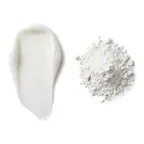 Zinc Oxide
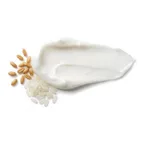 Ceramide Np
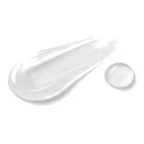 Sodium Hyaluronate
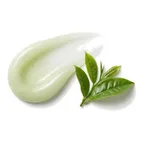 Camellia Sinensis Leaf Extract
 Artemisia Princeps Leaf Extract
Average
- AverageOily Skin Fit
- AverageEffectiveness
- HighSafety
Works for oily acne-prone skin; other sunscreens fit it better.
- Clinical, Cosmetic and Investigational Dermatology, 2017
- International Journal of Biological Macromolecules, 2025
This fit is calculated for the concerns frequently associated with oily acne-prone skin: shine, breakouts, blemishes, and enlarged pores. For scores and recommendations based on your full skin profile, including your 12D face scan results and any goals or preferences you have, please use the Lovi app.
Updated How the Fit score works
Lovi Assistant explains
- Offers moderate suitability for your oily skin, as glycerin and sodium hyaluronate provide essential hydration without exacerbating oiliness, though it lacks strong oil-controlling ingredients for your primary concerns of acne, blemishes, and breakouts.
- The inclusion of zinc oxide and titanium dioxide ensures excellent broad-spectrum sun protection, a key benefit for overall skin health.
- The safety profile is excellent, with no risks of irritation for your oily skin due to the absence of prohibited or harsh ingredients.
How to apply
- Use your moisturizing sunscreen every morning. Reapply throughout the day if you are outside.
- Apply this moisturizing sunscreen as the final step of your morning routine after your moisturizer.
- Gently smooth a nickel-sized amount over your face and neck, avoiding harsh rubbing to keep oily areas calm.
- Apply this moisturizing sunscreen on clean, dry skin to ensure even coverage and protection.
- Avoid getting the product into your eyes and do a patch test before your first use.
People Say
★4.6Overall rating based on 1.0k+ reviewsA high number of reviews mention its hydrating texture and fragrance-free formula. A significant portion of users note a visible white cast, especially on darker skin tones, and some find it greasy on oily skin.
Highlights
Gentle & non-irritating Often Mentioned
- “Doesn't sting eyes”
- “Calms redness”
- “Safe for baby”
Moisturizing texture Often Mentioned
- “hydrating like lotion”
- “good for dry skin”
- “skips moisturizer step”
- “creamy consistency”
Visible white cast Often Mentioned
- “Ghostly appearance”
- “not for dark skin”
- “takes forever to blend”
- “leaves white film”
Fragrance-free Sometimes Noted
- “No weird smell”
- “scentless”
- “great for sensitive nose”
- “no chemical odor”
Good value & size Sometimes Noted
- “Large 75ml tube”
- “lasts a long time”
- “affordable price”
- “generous amount”
Nice finish Sometimes Noted
- “Semi-matte finish”
- “not sticky”
- “glowy but not oily”
- “sits well under makeup”
Greasy on oily skin Sometimes Noted
- “Too shiny”
- “feels heavy”
- “makes face oily”
- “clogs pores slightly”
Eye irritation Rarely Noted
- “Stung my eyes”
- “watery eyes”
- “migrates into eyes”
- “burns slightly”
Reformulation issues Rarely Noted
- “New formula differs”
- “contains chemical filters now”
- “miss the old version”
- “less mineral-heavy”
Thick consistency Rarely Noted
- “Hard to spread”
- “takes work to rub in”
- “feels dense”
- “drags on skin”
Sources: lovi.care, iherb.com, stylekorean.com, yesstyle.com, reddit.com, skinsort.com, and more
Questions and answers
How well does Pyunkang Yul ATO Mild Sun Cream work for oily acne-prone skin?
Pyunkang Yul ATO Mild Sun Cream works moderately well for oily acne-prone skin, providing essential hydration without extra oiliness, though other options fit it better. This type of skin needs lightweight, non-greasy hydration and targeted blemish-fighting ingredients that clear pores while keeping the skin calm and balanced.
Clinical, Cosmetic and Investigational Dermatology, 2017Journal of Controlled Release, 2025
Which ingredients make this cream a good fit for oily acne-prone skin?
Glycerin and sodium hyaluronate make this cream a good fit by giving your oily skin essential hydration without extra oiliness. A sunscreen for oily acne-prone skin also needs lightweight textures, oil-controlling ingredients, and pore-clearing agents to target breakouts.
What does Zinc Oxide do for oily acne-prone skin?
Zinc oxide helps calm oily, acne-prone skin by reducing redness and targeting the bacteria that cause breakouts. It may also help decrease excess oil while remaining gentle, making it less likely to cause peeling or dryness than some harsher treatments.
What do Ceramides do for oily acne-prone skin?
For oily acne-prone skin, ceramides help repair the skin barrier to keep it calm and smooth while reducing dryness and irritation from acne treatments. Using ceramides in your routine also helps minimize redness and keeps moisture balanced without clogging pores.
Journal of Cosmetic Dermatology, 2026Journal of Drugs in Dermatology, 2023
Where does this cream go in a skincare routine for oily acne-prone skin?
This moisturizing sunscreen goes last in your morning routine, right after your moisturizer. Oily, acne-prone skin needs a sunscreen with strong oil-controlling ingredients and soothing plant extracts to help keep blemishes under control.
Can I use this cream with retinol, and in what order?
You can use this moisturizing SPF in the morning after applying your retinol routine. Using a soothing, barrier-supporting moisturizer helps reduce the dryness and irritation that often come with retinol use.
How often should I use this cream?
You can use this moisturizing spf daily in your morning routine to protect your skin and provide essential hydration without adding extra oiliness. Oily acne-prone skin often needs products with strong oil-controlling ingredients and blemish-fighting actives to fully address breakouts.
Clinical, Cosmetic and Investigational Dermatology, 2017Journal of Controlled Release, 2025
Can this cream clog pores, cause breakouts or purging for oily acne-prone skin?
This cream is unlikely to irritate your skin or cause purging, but it can feel greasy and may not control breakouts well on oily skin. Oily acne-prone skin needs lightweight, oil-balancing ingredients and blemish-fighting additions to keep pores clear.
Is this cream fragrance-free and alcohol-free?
Yes, it has no fragrance and no drying alcohol.
What the research says
A single application of a moisturizing fluid containing hyaluronic acid 1%, glycerin 5%, and Centella asiatica stem cells extract significantly increased skin hydration by 29% and reduced transepidermal water loss at 24 hours compared to baseline and an untreated control site in twenty healthy women.
Clinical, Cosmetic and Investigational Dermatology, 2017Hyaluronic acid-grafted titanium dioxide nanoparticles increased SPF from 13.3 to 19.1 while demonstrating low photocatalytic activity, exceptional thermal stability with >95% SPF retention, enhanced moisturization with >80% hydration retention, and minimal cytotoxicity with 88.5% cell viability in HaCaT keratinocytes compared to unmodified nanoparticles.
International Journal of Biological Macromolecules, 2025Replacing microsized titanium dioxide and zinc oxide with nanoparticles in sunscreens eliminates opaqueness and alters UV protection balance while inducing (photo)cyto- and genotoxicity and penetrating viable skin layers during long-term exposures.
Nanotechnology, Science and Applications, 2011Biomimetic hyaluronic acid-stabilized zinc oxide nanoparticles selectively inhibited C. acnes, outperformed erythromycin in preclinical acne models, and safely reduced acne lesions and redness in a clinical trial.
Journal of Controlled Release, 2025Topical 0.5% hyaluronic-ZnO nanogel applied twice daily reduced inflammatory-lesion counts by 58% at week four in human subjects compared to baseline without causing erythema.
Biomedicines, 2025Daily use of a deep cleansing gel containing salicylic acid 2%, zinc gluconate 0.2% and lipohydroxy acid 0.05% significantly reduced total lesion count by 56.3% after 84 days in 35 subjects with mild to moderate truncal acne.
Clinical, Cosmetic and Investigational Dermatology, 2023Topical zinc oxide nanogels formulated using Dendrobium anosmum showed greater effectiveness against Gram-positive acne-causing bacteria compared to chemogenic nanoparticles.
Molecules, 2023Ceramide and niacinamide-containing moisturizer combined with anti-acne treatment significantly improved non-inflammatory, inflammatory, and total acne lesions compared to hydrophilic cream in 40 patients with mild to moderate acne vulgaris after 8 weeks.
Journal of Cosmetic Dermatology, 2024Topical application of a pseudo-ceramide-containing spray improved stratum corneum water content, transepidermal water loss, cell area, and scaling score, and normalized the ceramide profile in patients with dry and sensitive skin compared to a control spray.
Journal of Cosmetic Dermatology, 2025Topical application of 0.1% hyaluronic acid formulations of different molecular weights led to significant improvements in skin hydration and elasticity, with low-molecular-weight formulations also significantly reducing wrinkle depth in seventy-six female subjects compared to a vehicle control.
Journal of Drugs in Dermatology, 2011Topical hyaluronic acid serum used twice daily by 40 females with facial photoaging produced an immediate 134% increase in skin hydration, a sustained 55% increase at week 6, and significant improvements in smoothness, plumping, fine lines, wrinkles, and global appearance without causing irritation.
Dermatology and Therapy, 2021A topical antioxidant serum significantly reduced air pollution-induced skin pigmentation and proinflammatory gene expression ex vivo, and improved skin aging signs in 40 healthy adult females after 90 days of daily use.
Journal of Cosmetic Dermatology, 2022Topically formulated tea polyphenols show some benefit in reducing sebum secretion and treating acne vulgaris compared to baseline or control.
Antioxidants, 2016Topical application of tannase-converted green tea extract (TGE) significantly improved skin wrinkle indices and self-assessed wrinkle reduction compared to normal green tea extract (NGE) in human subjects over 8 weeks.
Journal of Cosmetic Dermatology, 2013An anti-acne hydrogel containing Aloe barbadensis, Garcinia mangostana, and Camellia sinensis extracts showed superior antiacne and antiblotch activities compared to 1% clindamycin gel in sixty subjects with mild-moderate acne.
Clinical, Cosmetic and Investigational Dermatology, 2019
Why other sunscreens fit oily acne-prone skin better
Malaysian thermal spring water as an adjunct to standard acne therapy improved skin hydration, reduced dryness and stinging, enhanced overall tolerability, and improved the acne disability index in patients with mild to moderate acne.
The Medical Journal of Malaysia, 2024A cream combining propolis, tea tree oil, and Aloe vera reduced erythema scars, acne severity index, and total lesion count better than erythromycin cream in sixty patients with mild to moderate acne vulgaris compared to placebo.
Clinical Pharmacology, 2018
Ingredients
Water, Zinc Oxide, Cyclopentasiloxane, Homosalate, Butyloctyl Salicylate, Propanediol, Ethylhexyl Salicylate, Propylheptyl Caprylate, Polyglyceryl-4 Diisostearate Polyhydroxystearate Sebacate, Titanium Dioxide, Disteardimonium Hectorite, Polyglyceryl-3 Polydimethylsiloxyethyl Dimethicone, Magnesium Sulfate, Phenyl Trimethicone, 1,2-Hexanediol, Polymethylsilsesquioxane, Acrylates Dimethicone Copolymer, Triethoxycaprylylsilane, Stearic Acid, Aluminum Hydroxide, Glyceryl Caprylate, Caprylyl Glycol, Ethylhexylglycerin, Tocopherol, Ceramide Np, Sodium Hyaluronate, Butylene Glycol, Dipropylene Glycol, Glycerin, Camellia Sinensis Leaf Extract, Artemisia Princeps Leaf Extract, Ulmus Davidiana Root Extract, Xanthium Strumarium Fruit Extract, Salicornia Herbacea Extract, Zingiber Officinale Root Extract, Lonicera Japonica Flower Extract Honeysuckle Flower Extract, Glycyrrhiza Glabra Root Extract Licorice Root Extract, Poncirus Trifoliata Fruit Extract, Sophora Angustifolia Root Extract, Allium Sativum Bulb Extract
Behind this fit score
Lovi calculates every fit score from the full ingredient list with brand-independent rules our dermatologists and cosmetic chemists build and review, and personalizes every pick with AI trained on the real results of millions of users. Lovi trains its fit score models on a proprietary dataset built from more than 10,000 expert-labeled products and more than 100,000 simulated examples, following an internally consistent methodology presented at Cosmoprof, AMWC, and Skin of Color Update.
-

Co-founder, Medical Director
Cosmetic chemist, cosmetologist, aesthetic products developer
-

Co-founder, CEO and CTO
PhD in computer science, 3x US patent holder, ex-Google, ex-Yandex
-

Dr. Sofía Perea Pérez, MD, MSc
Medical Board
Aesthetic medicine practitioner, MSc in Longevity and Anti-Aging Medicine
-

Medical Board
Specialist dermatologist, MBBS, MD, IFAAD
-

Medical Board
Cosmetic chemist, SCS, IFSCC member
-

Medical Board, Medical Advisor
Dermatology MD
-

Elina Nazarenko, MD
Medical Board
Dermatology and diagnostic consultant
-

Victoria Derkova, MS
Medical Board
Cosmetic chemist, cosmetic development technologist


How does it fit your skin?
Scan your face, then any product: Lovi shows how well it fits you and what fits even better.