
Pursonic Vitamin C Serum

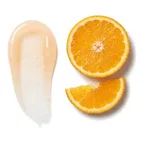 Ascorbic Acid
 Sodium Hyaluronate
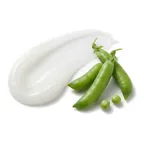 Niacinamide
 Glycerin
Ascorbic acid, niacinamide, and glycerin brighten skin and hold in water, so it suits most skin types. For skin that needs blemish care, serums with zinc and salicylic acid get higher fit scores.
Each fit is calculated for the concerns frequently associated with that skin type. For scores and recommendations based on your full skin profile, including your 12D face scan results and goals, use the Lovi app.
Updated How the Fit score works
Where it fits best and least
Best fit High
Oily Skin, Dry Skin, Combination Skin, Sensitive Skin, Oily Acne-Prone Skin
One of the best serums for oily skin.
- Highly suitable for your oily skin as Ascorbic Acid and Niacinamide help control sebum production and brighten your complexion, addressing your oily shine.
Lowest fit Average
Acne-Prone Skin, Skin with Dark Spots, Mature Skin, Dry Sensitive Skin
Works for acne-prone skin; other serums fit it better.
- Offers moderate brightening and evening of skin tone for your combination skin, as Ascorbic Acid and Niacinamide provide antioxidant and anti-inflammatory effects beneficial for acne and blemishes.
How to apply
- Apply this serum PM, starting 3×/week and working up to daily use as your skin adjusts.
- Place the serum after cleansing and toner, but right before your moisturizer.
- Gently press 2-3 drops of the serum into your skin and let it absorb for a minute.
- Apply the serum on slightly damp skin to help lock in extra moisture.
- Avoid the eye area and do a patch test before your first use.
Questions and answers
What makes Pursonic Vitamin C Serum a great fit for oily skin?
Pursonic Vitamin C Serum is a great fit for oily skin because Ascorbic Acid and Niacinamide help control excess oil and brighten your complexion while soothing ingredients like Aloe Barbadensis and Camellia Sinensis extract calm your skin. It is unlikely to cause irritation due to its gentle, soothing formula.
Carcinogenesis, 2001Journal of the American Academy of Dermatology, 2001
How well does Pursonic Vitamin C work for acne-prone skin?
Pursonic Vitamin C Serum works moderately well for acne-prone skin, offering some brightening and calming effects, though other products fit this skin better. An ideal treatment for acne-prone skin needs soothing and balancing ingredients like niacinamide, propolis, and zinc PCA to provide hydration while controlling oiliness.
The British Journal of Dermatology, 2002Journal of Cosmetic Dermatology, 2020
How well does Pursonic Vitamin C Serum work for skin with dark spots?
Pursonic Vitamin C Serum works moderately well for dark spots by providing mild brightening and antioxidant benefits with ascorbic acid and niacinamide. A treatment for this skin needs a high-performing blend of potent brightening ingredients and proven antioxidants to tackle stubborn dark spots more effectively.
The British Journal of Dermatology, 2002Journal of Cosmetic Dermatology, 2020
Can I use this serum with retinol, and in what order?
You can use this serum with retinol by applying this treatment first and then following with your retinol product, or by using them on alternate nights to keep your skin calm. This helps you get the brightening benefits of the serum while minimizing any likelihood of extra dryness or discomfort from combining active ingredients.
How often should I use this serum?
This treatment fits well into your routine in the evening, used in the PM steps after cleansing. It is unlikely to cause irritation and helps control oily shine safely.
Is this serum fragrance-free and alcohol-free?
Yes, it has no fragrance and no drying alcohol.
What makes Pursonic Vitamin C Serum a great fit for dry skin?
Pursonic Vitamin C Serum is a great fit for dry skin because it combines ascorbic acid and niacinamide to brighten your skin while sodium hyaluronate and glycerin provide essential hydration. It also includes soothing aloe extract and vitamin E to support overall skin health without causing irritation.
How well does Pursonic Vitamin C work for dry sensitive skin?
Pursonic Vitamin C Serum works moderately well for your dry sensitive skin, providing hydration and brightening while soothing extracts help keep irritation low. To fit this skin type even better, a treatment needs extra moisturizing ingredients, ceramides, and a skin-safe formula that builds up the moisture barrier without any risk of irritation.
Clinical, Cosmetic and Investigational Dermatology, 2017The British Journal of Dermatology, 2002
How well does Pursonic Vitamin C Serum work for mature skin?
This serum works moderately well for mature skin by helping brighten tone, smooth fine lines, and support hydration with antioxidants and moisturizers. However, mature skin needs a product that is exceptionally safe with no irritation risk, highly effective at targeting wrinkles, and packed with potent antioxidants, peptides, and humectants to improve elasticity and deliver optimal anti-aging results.
The British Journal of Dermatology, 2002Journal of Cosmetic Dermatology, 2020
What makes Pursonic Vitamin C Serum a great fit for combination skin?
Pursonic Vitamin C Serum is a great fit because Ascorbic Acid and Niacinamide help manage oily shine while brightening and evening out your skin tone. It also provides soothing antioxidant protection and hydration that keeps your skin smooth without causing irritation.
The British Journal of Dermatology, 2002Dermatologic Therapy, 2022
What makes Pursonic Vitamin C Serum a great fit for sensitive skin?
Pursonic Vitamin C Serum is a great fit because ascorbic acid and niacinamide calm redness while evening your skin tone. It is safe for sensitive skin with soothing aloe and green tea extracts that help minimize irritation.
Journal of the American Academy of Dermatology, 2001Journal of Cosmetic Dermatology, 2008
What makes Pursonic Vitamin C Serum a great fit for oily acne-prone skin?
Pursonic Vitamin C Serum is a great fit because ascorbic acid and niacinamide help control oil and target breakouts, while green tea and aloe extracts help calm redness and irritation. It is very suitable and safe for this skin type because it leaves out harsh ingredients.
Journal of the American Academy of Dermatology, 2001Clinical Pharmacology, 2018
What the research says
Topical application of 5% vitamin C cream significantly improved global clinical scores, increased skin microrelief density, and induced elastic tissue repair in photoaged skin compared to excipient control in healthy female volunteers.
Experimental Dermatology, 2003Topical application of VC-IP cream twice daily for 8 weeks reduces periorbital wrinkles in female subjects compared to a placebo cream.
Journal of Cosmetic Dermatology, 2022Topical treatment with 5% vitamin C and 0.1% madecassoside significantly improved clinical scores for wrinkles, suppleness, firmness, roughness, and skin hydration, along with functional and structural remodeling of the elastic fiber network in 20 female volunteers with photoaged skin after 6 months compared to baseline.
Experimental Dermatology, 2008Topical application of 0.1% hyaluronic acid formulations of different molecular weights led to significant improvements in skin hydration and elasticity, with low-molecular-weight formulations also significantly reducing wrinkle depth in seventy-six female subjects compared to a vehicle control.
Journal of Drugs in Dermatology, 2011Topical hyaluronic acid serum used twice daily by 40 females with facial photoaging produced an immediate 134% increase in skin hydration, a sustained 55% increase at week 6, and significant improvements in smoothness, plumping, fine lines, wrinkles, and global appearance without causing irritation.
Dermatology and Therapy, 2021A topical antioxidant serum significantly reduced air pollution-induced skin pigmentation and proinflammatory gene expression ex vivo, and improved skin aging signs in 40 healthy adult females after 90 days of daily use.
Journal of Cosmetic Dermatology, 2022Topical nicotinamide prevented solar-simulated UV-induced immunosuppression in healthy volunteers, and men experienced immunosuppression at solar-simulated UV doses three times lower than those required for women.
The Journal of Investigative Dermatology, 2008Topical 5% niacinamide applied twice daily for 12 weeks reduced fine lines and wrinkles, hyperpigmented spots, red blotchiness, and skin sallowness, and improved skin elasticity compared to vehicle control in 50 female white subjects with facial photoaging.
Dermatologic Surgery, 2005Topical 2% niacinamide significantly decreased sebum excretion rate in Japanese individuals and casual sebum levels in Caucasian individuals compared to placebo or baseline.
Journal of Cosmetic and Laser Therapy, 2006A single application of a moisturizing fluid containing hyaluronic acid 1%, glycerin 5%, and Centella asiatica stem cells extract significantly increased skin hydration by 29% and reduced transepidermal water loss at 24 hours compared to baseline and an untreated control site in twenty healthy women.
Clinical, Cosmetic and Investigational Dermatology, 2017The emollient V0034CR significantly reduced TEWL compared to vehicle and vehicle plus glycerol, and significantly increased corneometry scores compared to vehicle and vehicle plus petrolatum in healthy volunteers with dry skin, demonstrating combined barrier function improvement from petrolatum and hydration improvement from glycerol.
Journal of Cosmetic Dermatology, 2020Ten days of treatment with a cream containing 20% glycerin significantly increased skin hydration measured by corneometer values in 17 healthy volunteers compared to a placebo cream, but showed no influence on transepidermal water loss or skin sensitivity to an irritating surfactant.
International Journal of Cosmetic Science, 2001A topical serum containing vitamin C, vitamin E, and raspberry leaf cell culture extract improved skin color, elasticity, radiance, smoothness, scaliness, and wrinkles compared to the untreated contralateral side in fifty female volunteers.
Journal of Cosmetic Dermatology, 2020Application of green tea extracts on normal human skin resulted in dose-dependent inhibition of UV-evoked erythema, reduced sunburn cells, protected Langerhans cells, and decreased UV-induced DNA damage compared to untreated UV-exposed skin.
Journal of the American Academy of Dermatology, 2001Topical application of (-)-epigallocatechin-3-gallate (EGCG) to human skin before UV irradiation decreases UV-induced production of hydrogen peroxide by 68-90% and nitric oxide by 30-100%, inhibits leukocyte infiltration and lipid peroxidation by 41-84%, and restores glutathione levels and glutathione peroxidase activity compared to UV exposure alone.
Carcinogenesis, 2001Niacinamide significantly decreased hyperpigmentation and increased skin lightness compared with vehicle alone after 4 weeks of use in women by inhibiting melanosome transfer.
The British Journal of Dermatology, 2002Niacinamide/glycerin body moisturizers provided better rapid and prolonged improvement of cosmetic xerosis through functional improvement of stratum corneum barrier function compared to no treatment and conventional moisturizers in female subjects.
Journal of Drugs in Dermatology, 2012Treatment with 14% ferulic acid and 12% l-ascorbic acid significantly reduced pigmentation and erythema while improving hydration and elasticity in 20 women with photoaged skin, with neither acid proving definitively more effective overall though ascorbic acid showed slightly greater skin lightening.
Dermatologic Therapy, 2022Topical vitamin C effectively treats uneven and wrinkled skin while providing depigmenting properties in patients with melasma and photoaging compared to baseline or placebo.
Journal of Cosmetic Dermatology, 2023Daily use of multi-weight hyaluronic acid plus antioxidant complex-based topical formulations significantly improved skin moisturization within 30 minutes and reduced dryness, roughness, fine lines, and wrinkles as early as two weeks compared to baseline.
The Journal of Clinical and Aesthetic Dermatology, 2024Vitamin C is widely used as a depigmenting agent in dermatology, though limited studies evaluate its use for gingival depigmentation.
Journal of Oral and Maxillofacial Pathology, 2020Chitosan-based hydrogels modified with Aloe vera juice exhibited higher swelling ability, 23% higher elongation, lower surface roughness, and no cytotoxicity against L929 murine fibroblasts with over 95% cell viability.
Materials, 2020Pretreatment with a topical antioxidant mixture of vitamin C, ferulic acid, and phloretin attenuated ultraviolet-induced sunburn cell formation, thymine dimer formation, matrix metalloproteinase-9 expression, p53 protein expression, and the suppression of CD1a-expressing Langerhans cells in human skin compared to vehicle control.
Journal of Cosmetic Dermatology, 2008A cream combining propolis, tea tree oil, and Aloe vera reduced erythema scars, acne severity index, and total lesion count better than erythromycin cream in sixty patients with mild to moderate acne vulgaris compared to placebo.
Clinical Pharmacology, 2018Small extracellular vesicles derived from Aloe vera peels exhibited antioxidant activity, reduced intracellular ROS levels, enhanced human skin cell migration, and upregulated antioxidant-related gene expression in H2O2-treated human keratinocytes.
Tissue Engineering and Regenerative Medicine, 2021Aloe vera-derived exosome-like nanoparticles isolated from gel and rind mitigate skin photoaging and alleviate UV-induced oxidative stress and DNA damage through the Nrf2/ARE pathway in in vitro and in vivo models.
International Journal of Nanomedicine, 2025
Ingredients
Water, Ascorbic Acid, Sodium Hyaluronate, Glycerin, Niacinamide, Tocopherol Vitamin E, Ferulic Acid, Aloe Barbadensis Extract, Camellia Sinensis Extract, Panthenol Vitamin B5, Citric Acid, Phenoxyethanol, Ethylhexylglycerin
Behind these fit scores
Lovi calculates every fit score from the full ingredient list with brand-independent rules our dermatologists and cosmetic chemists build and review, and personalizes every pick with AI trained on the real results of millions of users. Lovi trains its fit score models on a proprietary dataset built from more than 10,000 expert-labeled products and more than 100,000 simulated examples, following an internally consistent methodology presented at Cosmoprof, AMWC, and Skin of Color Update.
-

Co-founder, Medical Director
Cosmetic chemist, cosmetologist, aesthetic products developer
-

Co-founder, CEO and CTO
PhD in computer science, 3x US patent holder, ex-Google, ex-Yandex
-

Dr. Sofía Perea Pérez, MD, MSc
Medical Board
Aesthetic medicine practitioner, MSc in Longevity and Anti-Aging Medicine
-

Medical Board
Specialist dermatologist, MBBS, MD, IFAAD
-

Medical Board
Cosmetic chemist, SCS, IFSCC member
-

Medical Board, Medical Advisor
Dermatology MD
-

Elina Nazarenko, MD
Medical Board
Dermatology and diagnostic consultant
-

Victoria Derkova, MS
Medical Board
Cosmetic chemist, cosmetic development technologist


How does it fit your skin?
Scan your face, then any product: Lovi shows how well it fits you and what fits even better.