PCA SKIN Vitamin B3 Brightening Serum for combination skin

 Niacinamide
 Glycerin
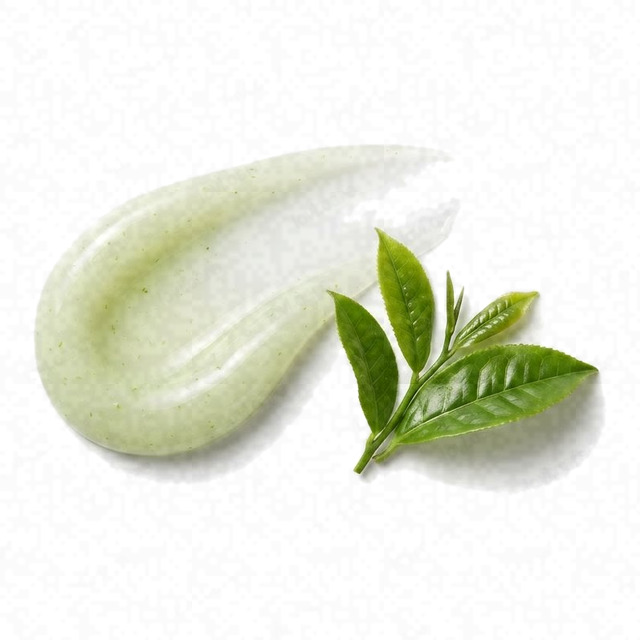 Camellia Sinensis Leaf Extract
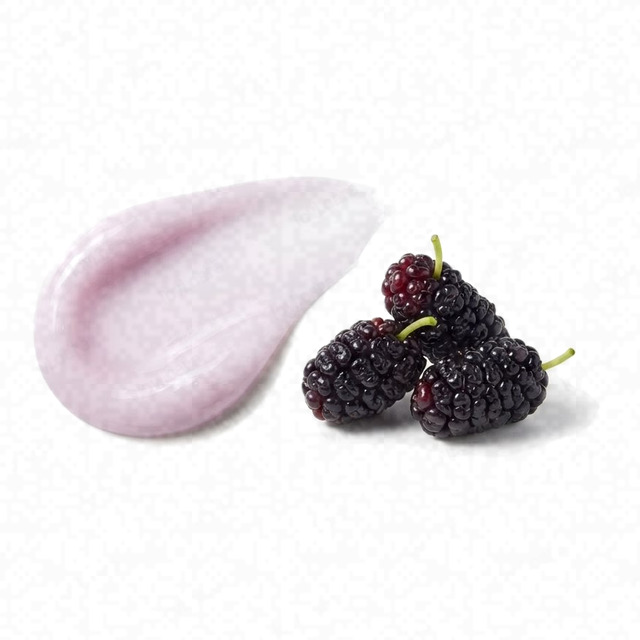 Morus Alba Leaf Extract
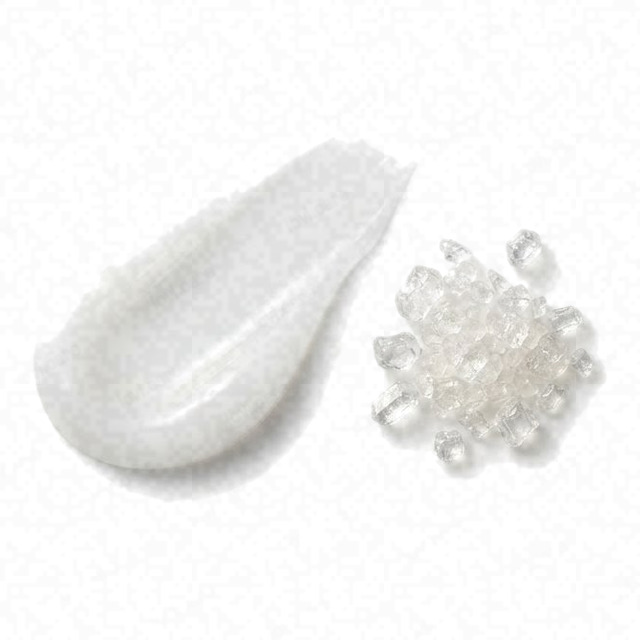 Oligopeptide-51
Average
- HighCombination Skin Fit
- AverageEffectiveness
- HighSafety
Works for combination skin; other serums fit it better.
This fit is calculated for the concerns frequently associated with combination skin: an oily T-zone, enlarged pores, and dry cheeks. For scores and recommendations based on your full skin profile, including your 12D face scan results and any goals or preferences you have, please use the Lovi app.
Page built Nov 8, 2026How the Fit score works
Lovi Assistant explains
- Offers moderate brightening for your combination skin, as niacinamide and sodium ascorbate work to even skin tone, though glycerin and dimethicone provide hydration and emollience that are less relevant to your oily shine concerns.
- The serum is highly suitable for combination skin due to niacinamide's seboregulation and glycerin's humectant properties, offering general skincare benefits.
- The product has a good safety profile with no risks of irritation for your combination skin, as it lacks prohibited or harsh ingredients.
How to apply
- Use your serum as part of your PM routine. Start using it 3 times a week and move to daily use if your skin likes it.
- Apply the serum after cleansing and toner, and right before your moisturizer.
- Gently press 2-3 drops of the serum into your skin and wait a minute ⏳for it to soak in.
- Apply the serum on clean and dry skin since your skin is not sensitive.
- Always do a patch test before using the serum for the first time, and avoid the eye area .
People Say
★4.6Overall rating based on 400+ reviewsUsers frequently praise this serum for its ability to brighten skin and fade dark spots, often noting its gentle formulation suitable for sensitive or acne-prone skin. Many report a radiant complexion and improved skin barrier health. Some users mention that results can be gradual and require consistent, long-term use to become noticeable.
Highlights
Effective brightening Mostly Mentioned
- “lightened dark patches”
- “evened out my skin tone”
- “gave me a nice glow”
- “reduced redness significantly”
Gentle, non-irritating Often Mentioned
- “great for sensitive skin”
- “didn't cause breakouts”
- “no stinging or burning”
Lightweight texture Often Mentioned
- “soaks in immediately”
- “non-greasy feel”
- “layers well under makeup”
- “feels like a burst of water”
Hydrating, barrier support Sometimes Noted
- “leaves skin soft”
- “strengthens moisture barrier”
- “hydrating but not heavy”
- “plumps the skin”
High price point Sometimes Noted
- “very expensive”
- “pricey for the size”
- “wish it was cheaper”
- “investment skincare product”
Slow results Rarely Noted
- “no noticeable difference after 2 months”
- “takes a long time to work”
- “didn't see significant changes”
- “expected more for the price”
Texture preferences Rarely Noted
- “wished it was thicker”
- “not hydrating enough for very dry skin”
- “runny consistency”
Sources: lovi.care, dermstore.com, pcaskin.com, lovelyskin.com, adorebeauty.com.au, bluemercury.com, and more
Questions and answers
How well does Vitamin B3 Brightening Serum work for combination skin?
Which ingredients make this serum a good fit for combination skin?
Niacinamide and sodium ascorbate help even your skin tone, while glycerin provides hydration. For combination skin, treatments like this need ingredients such as niacinamide and zinc PCA to manage oily shine without irritation.
The British Journal of Dermatology, 2002Skin Research and Technology, 2009
What does Niacinamide do for combination skin?
Niacinamide helps balance oily areas by reducing excess shine and pore size while keeping dry patches hydrated and smooth. It also works to calm redness and even out skin tone, making it very suitable for combination skin.
What does Glycerin do for combination skin?
Glycerin helps keep combination skin soft and smooth by pulling moisture in and keeping it there. It improves hydration and supports your skin barrier, which is unlikely to cause irritation.
The British Journal of Dermatology, 2008Clinical, Cosmetic and Investigational Dermatology, 2017
Where does this serum go in a skincare routine for combination skin?
This serum goes in your evening routine, applied after cleansing and before moisturizing. Putting treatments in the evening keeps things simple and adds safety around sun exposure, though some can also be used in the morning.
Can I use this serum with retinol, and in what order?
You can use this serum with retinol, applying the treatment first and following with your retinol. Because this product has a safe profile with no harsh ingredients, it is unlikely to cause irritation when layered.
How often should I use this serum?
This serum works well in your evening routine once a day or a few times a week, as niacinamide and other active ingredients help even out skin tone. Combination skin typically needs a treatment with lightweight hydrators and oil-balancing ingredients that brighten without adding heavy shine.
The British Journal of Dermatology, 2002Skin Research and Technology, 2009
Can this serum clog pores, cause breakouts or purging for combination skin?
This serum is unlikely to clog pores or cause breakouts for combination skin because it has a safe formula with no harsh or heavy ingredients that typically cause irritation. It helps balance your skin while keeping it comfortable without adding unwanted greasy shine.
Is this serum fragrance-free and alcohol-free?
Yes, it has no fragrance and no drying alcohol.
What the research says
Niacinamide significantly decreased hyperpigmentation and increased skin lightness compared with vehicle alone after 4 weeks of use in women by inhibiting melanosome transfer.
The British Journal of Dermatology, 2002Topical 10% sodium ascorbate significantly reduced the change in erythema index compared to vehicle in fourteen subjects with dark circles of the lower eyelids over 6 months.
Skin Research and Technology, 2009A single application of a moisturizing fluid containing hyaluronic acid 1%, glycerin 5%, and Centella asiatica stem cells extract significantly increased skin hydration by 29% and reduced transepidermal water loss at 24 hours compared to baseline and an untreated control site in twenty healthy women.
Clinical, Cosmetic and Investigational Dermatology, 2017Topical post-laser application of human adipocyte-derived mesenchymal stem cell media combined with niacinamide significantly improved wrinkle index, melanin index, patient satisfaction, and investigator esthetic improvement scores compared to vehicle cream in patients with aging skin.
Journal of Cosmetic Dermatology, 2021Topical nicotinamide prevented solar-simulated UV-induced immunosuppression in healthy volunteers, and men experienced immunosuppression at solar-simulated UV doses three times lower than those required for women.
The Journal of Investigative Dermatology, 2008Topical 5% niacinamide applied twice daily for 12 weeks reduced fine lines and wrinkles, hyperpigmented spots, red blotchiness, and skin sallowness, and improved skin elasticity compared to vehicle control in 50 female white subjects with facial photoaging.
Dermatologic Surgery, 2005The emollient V0034CR significantly reduced TEWL compared to vehicle and vehicle plus glycerol, and significantly increased corneometry scores compared to vehicle and vehicle plus petrolatum in healthy volunteers with dry skin, demonstrating combined barrier function improvement from petrolatum and hydration improvement from glycerol.
Journal of Cosmetic Dermatology, 2020Ten days of treatment with a cream containing 20% glycerin significantly increased skin hydration measured by corneometer values in 17 healthy volunteers compared to a placebo cream, but showed no influence on transepidermal water loss or skin sensitivity to an irritating surfactant.
International Journal of Cosmetic Science, 2001Niacinamide/glycerin body moisturizers provided better rapid and prolonged improvement of cosmetic xerosis through functional improvement of stratum corneum barrier function compared to no treatment and conventional moisturizers in female subjects.
Journal of Drugs in Dermatology, 2012Topical green tea extract significantly improved clinical symptoms, tear breakup times, and meibomian gland health compared to standard treatment in patients with dry eye and Meibomian Gland Dysfunction.
Journal of Clinical and Diagnostic Research, 2017Topical low-dose green tea extract reduces UVB-induced p53 expression and apoptosis in human skin keratinocytes compared to placebo.
Experimental Dermatology, 2009An anti-acne hydrogel containing Aloe barbadensis, Garcinia mangostana, and Camellia sinensis extracts showed superior antiacne and antiblotch activities compared to 1% clindamycin gel in sixty subjects with mild-moderate acne.
Clinical, Cosmetic and Investigational Dermatology, 2019Topical application of a 2% cream containing combined fruit extracts for 56 days significantly reduced wrinkle depth by 11.5%, length by 10.07%, and area by 29.55% in 21 female subjects compared to a placebo.
Clinical, Cosmetic and Investigational Dermatology, 2015Plant Milking technology applied to Morus alba L. produced an extract enriched in prenylated compounds with an 18-fold increase compared to commercial root extract and confirmed wrinkle reduction benefits in aged women.
Molecules, 2020Morus alba root extract enhanced proliferation and up-regulated keratin expression and CXCL12/CXCR4 signaling in primary cell and skin explant cultures.
Phytotherapy Research, 2015
Ingredients
Water, Glycerin, Dimethicone, Niacinamide, Butylene Glycol, Diphenylsiloxy Phenyl Trimethicone, Microcrystalline Cellulose, Peg-9 Polydimethylsiloxyethyl Dimethicone, Polymethylsilsesquioxane, Dimethicone Peg-10 15 Crosspolymer, Phenoxyethanol, Sodium Chloride, Dimethicone Phenyl Vinyl Dimethicone Crosspolymer, Sodium Citrate, Caprylyl Glycol, Disodium Edta, Cellulose Gum, Chlorphenesin, Camellia Sinensis Leaf Extract, Morus Alba Leaf Extract, Oligopeptide-51, Dicrateria Rotunda Oil, Ruttnera Lamellosa Oil, Lecithin, Sodium Ascorbate
Behind this fit score
Lovi calculates every fit score from the full ingredient list with brand-independent rules our dermatologists and cosmetic chemists build and review, and personalizes every pick with AI trained on the real results of millions of users. Lovi trains its fit score models on a proprietary dataset built from more than 10,000 expert-labeled products and more than 100,000 simulated examples, following an internally consistent methodology presented at Cosmoprof, AMWC, and Skin of Color Update.
-

Co-founder, Medical Director
Cosmetic chemist, cosmetologist, aesthetic products developer
-

Co-founder, CEO and CTO
PhD in computer science, 3x US patent holder, ex-Google, ex-Yandex
-

Dr. Sofía Perea Pérez, MD, MSc
Medical Board
Aesthetic medicine practitioner, MSc in Longevity and Anti-Aging Medicine
-

Medical Board
Specialist dermatologist, MBBS, MD, IFAAD
-

Medical Board
Cosmetic chemist, SCS, IFSCC member
-

Medical Board, Medical Advisor
Dermatology MD
-

Elina Nazarenko, MD
Medical Board
Dermatology and diagnostic consultant
-

Victoria Derkova, MS
Medical Board
Cosmetic chemist, cosmetic development technologist


How does it fit your skin?
Scan your face, then any product: Lovi shows how well it fits you and what fits even better.