
NATURIUM Vitamin C Super Serum Plus

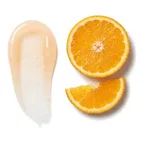 Ascorbic Acid
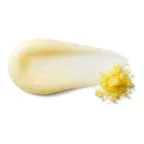 Retinol
 Sodium Hyaluronate
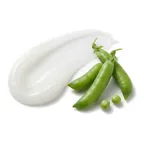 Niacinamide
 Salicylic Acid
Vitamin C, niacinamide, and salicylic acid brighten skin and control oil, so it suits combination skin best. For skin that needs soothing, serums with panthenol and madecassoside get higher fit scores. Where to buy in the Netherlands: Amazon.nl, €114.04.
Each fit is calculated for the concerns frequently associated with that skin type. For scores and recommendations based on your full skin profile, including your 12D face scan results and goals, use the Lovi app.
Updated How the Fit score works
Where it fits best and least
Best fit Superior
One of the best serums for combination skin.
- Excellent suitability for your combination skin and oily shine concerns is provided by niacinamide and salicylic acid, which effectively target oil control and pore refinement. Ascorbic acid further enhances brightening and smoothing, promoting an even skin tone and texture.
Lowest fit Low
A weak match for dry skin.
- Offers moderate suitability for your dry skin due to the presence of glycerin and sodium hyaluronate for humectant action, but lacks sufficient emollient and occlusive ingredients for optimal hydration.
Other skin types
Buy online

Prices checked 22 Nov 2026
The Lovi Fit is the same in every country; only the stores and prices differ, and the ones here are for the Netherlands.
How to apply
- Apply this serum PM, starting 3×/week and working up to daily use as your skin adjusts.
- Place the serum after cleansing and toner, but right before your moisturizer.
- Gently press 2-3 drops of the serum into your skin and let it absorb for a minute.
- Apply the serum on slightly damp skin to help lock in extra moisture.
- Avoid the eye area and do a patch test before your first use.
People Say
★4.6Overall rating based on 600+ reviewsUsers frequently praise this serum for its ability to multitask, effectively smoothing skin texture and brightening the complexion. While many report a noticeable glow and reduced breakouts, those with sensitive skin occasionally experience dryness or irritation.
Highlights
Improves skin texture Mostly Mentioned
- “skin felt smoother”
- “baby smooth”
- “texture drastically improved”
- “softens rough patches”
Brightens complexion Often Mentioned
- “noticeable glow”
- “faded dark spots”
- “skin looks radiant”
- “helped with dullness”
Non-sticky formula Often Mentioned
- “absorbs quickly”
- “not greasy or tacky”
- “layers well”
- “lightweight consistency”
Convenient all-in-one Sometimes Noted
- “streamlined my routine”
- “great multitasking product”
- “don't have to layer”
- “simplifies skincare”
Reduces acne Sometimes Noted
- “less breakouts”
- “cleared up congestion”
- “preventive functions”
- “helped with sebum”
Poor dropper design Sometimes Noted
- “dropper is difficult”
- “hard to get product out”
- “cheaply made dropper”
- “struggle to dispense”
Can be drying Rarely Noted
- “need extra moisturizer”
- “too drying for daily use”
- “skin felt tight”
- “caused flaking”
Potential irritation Rarely Noted
- “caused redness”
- “stung upon application”
- “too strong for sensitive skin”
Unpleasant scent Rarely Noted
- “smells like hot dog water”
- “meaty scent”
- “weird smell”
- “scent is off-putting”
Sources: lovi.care, naturium.com, target.com, reddit.com, sephora.com.au, spacenk.com, and more
Questions and answers
What makes Naturium Vitamin C Super Serum Plus one of the best fits for combination skin?
This serum is a great fit for your combination skin because niacinamide and salicylic acid help control oil and refine pores while vitamin C brightens and smooths your skin tone. It also includes soothing aloe and vitamin E to keep your skin calm and lower the chance of irritation.
Journal of Cosmetic Dermatology, 2020Journal of Cosmetic Dermatology, 2022
What makes Naturium Vitamin C Super Serum Plus a great fit for oily skin?
This serum is a great fit because ascorbic acid and salicylic acid brighten your skin tone and clear out congested pores, while niacinamide helps control oil. It is very safe for oily skin, with no risk of irritation since it lacks harsh ingredients.
Journal of Cosmetic Dermatology, 2020BioMed Research International, 2020
How well does Naturium Vitamin C Super Serum Plus work for sensitive skin?
Naturium Vitamin C Super Serum Plus works moderately well for sensitive skin, as it provides some brightening and smoothing while remaining safe and gentle, though other treatments fit this skin type better. To work best for sensitive skin, a treatment of this type needs effective ingredients that calm redness and irritation while avoiding harsh components and posing no risk of unsuitability.
Journal of Cosmetic Dermatology, 2020Journal of Cosmetic Dermatology, 2022
Why is Naturium Vitamin C Super Serum Plus a weak match for dry skin?
This serum is a weak match for dry skin because it lacks enough rich moisturizing and sealing ingredients to lock in hydration. While it includes ingredients that draw in moisture, dry skin of this type needs rich softening ingredients, ceramides, and barrier-supporting nutrients to stay truly comfortable and soft.
Why is Naturium Vitamin C Super Serum a weak match for dry sensitive skin?
Naturium Vitamin C Super Serum Plus is a weak match for dry sensitive skin because its salicylic acid and ascorbic acid can irritate sensitive skin, and the formula lacks sufficient softening ingredients to fully address your dryness. A product of this type needs rich moisturizing and nourishing components that provide deep hydration and skin barrier support without any risk of irritation.
Is this serum fragrance-free and alcohol-free?
Yes, it has no fragrance and no drying alcohol.
What makes Naturium Vitamin C Super Serum Plus a great fit for acne-prone skin?
Naturium Vitamin C Super Serum Plus is a great fit for acne-prone skin because it combines salicylic acid and niacinamide to help clear pores, calm breakouts, and balance oil. Ascorbic acid further helps smooth texture and even out skin tone, while sodium hyaluronate and glycerin keep skin comfortably hydrated.
Clinical, Cosmetic and Investigational Dermatology, 2017Journal of Cosmetic Dermatology, 2024
How well does Naturium Vitamin C Super Serum Plus work for mature skin?
This serum works moderately well for mature skin because it offers some brightening and smoothing, but it does not directly target your main concern of wrinkles and fine lines. A treatment for mature skin needs high-quality anti-aging ingredients that specifically target wrinkles, improve elasticity, and provide optimal moisture retention.
Journal of Cosmetic Dermatology, 2022Journal of Cosmetic Dermatology, 2020
What makes Naturium Vitamin C Super Serum Plus a great fit for skin with dark spots?
This serum is a great fit for skin with dark spots because it contains ascorbic acid and salicylic acid, which brighten the skin and smooth its texture to help even out your skin tone. It also has a very safe formula that is unlikely to cause irritation.
Journal of Cosmetic Dermatology, 2020Journal of Cosmetic Dermatology, 2023
What makes Naturium Vitamin C Super Serum Plus a great fit for oily acne-prone skin?
Naturium Vitamin C Super Serum Plus is a great fit because ascorbic acid and salicylic acid brighten your skin tone and clear out pores, while niacinamide helps control oil to target breakouts. It is safe and poses no irritation risks for your skin type.
Journal of Cosmetic Dermatology, 2020BioMed Research International, 2020
What the research says
A topical antioxidant serum significantly reduced air pollution-induced skin pigmentation and proinflammatory gene expression ex vivo, and improved skin aging signs in 40 healthy adult females after 90 days of daily use.
Journal of Cosmetic Dermatology, 2022Topical application of 5% vitamin C cream significantly improved global clinical scores, increased skin microrelief density, and induced elastic tissue repair in photoaged skin compared to excipient control in healthy female volunteers.
Experimental Dermatology, 2003Topical application of VC-IP cream twice daily for 8 weeks reduces periorbital wrinkles in female subjects compared to a placebo cream.
Journal of Cosmetic Dermatology, 2022Topical treatment with 5% vitamin C and 0.1% madecassoside significantly improved clinical scores for wrinkles, suppleness, firmness, roughness, and skin hydration, along with functional and structural remodeling of the elastic fiber network in 20 female volunteers with photoaged skin after 6 months compared to baseline.
Experimental Dermatology, 2008Topical bakuchiol 0.5% applied twice daily compared with retinol 0.5% applied daily significantly decreased wrinkle surface area and hyperpigmentation with no statistical difference between the compounds in 44 patients over 12 weeks, while retinol users reported more facial skin scaling and stinging.
The British Journal of Dermatology, 2019Topical 0.3% and 1% retinol comparably improved biomarkers of cutaneous photoageing in photoaged volunteers, while 0.3% retinol demonstrated better tolerance with fewer and milder adverse events compared to 1% retinol in a daily escalation regimen.
International Journal of Cosmetic Science, 2022Daily application of 0.3% and 0.5% retinol serums in 37 volunteers over 12 weeks reduced skin hyperpigmentation, unevenness, and wrinkles on both sides of the face, with the 0.5% concentration causing more frequent and intense skin irritation.
Skin Pharmacology and Physiology, 2020Topical application of 0.1% hyaluronic acid formulations of different molecular weights led to significant improvements in skin hydration and elasticity, with low-molecular-weight formulations also significantly reducing wrinkle depth in seventy-six female subjects compared to a vehicle control.
Journal of Drugs in Dermatology, 2011Topical hyaluronic acid serum used twice daily by 40 females with facial photoaging produced an immediate 134% increase in skin hydration, a sustained 55% increase at week 6, and significant improvements in smoothness, plumping, fine lines, wrinkles, and global appearance without causing irritation.
Dermatology and Therapy, 2021Topical nicotinamide prevented solar-simulated UV-induced immunosuppression in healthy volunteers, and men experienced immunosuppression at solar-simulated UV doses three times lower than those required for women.
The Journal of Investigative Dermatology, 2008Topical 5% niacinamide applied twice daily for 12 weeks reduced fine lines and wrinkles, hyperpigmented spots, red blotchiness, and skin sallowness, and improved skin elasticity compared to vehicle control in 50 female white subjects with facial photoaging.
Dermatologic Surgery, 2005Topical 2% niacinamide significantly decreased sebum excretion rate in Japanese individuals and casual sebum levels in Caucasian individuals compared to placebo or baseline.
Journal of Cosmetic and Laser Therapy, 2006A moisturizer containing licochalcone A, 1,2-decanediol, L-carnitine, and salicylic acid significantly reduced noninflammatory, inflammatory, and total acne lesion counts compared to a vehicle control in Thai patients during a 12-week maintenance phase.
BioMed Research International, 2020Treatment with 2% supramolecular salicylic acid hydrogel resulted in a regression and markedly improvement rate of 51.01% compared to 43.10% for Adapaline gel in patients with mild to moderate facial acne vulgaris, showing no significant difference in efficacy.
Journal of Cosmetic Dermatology, 2024Topical 5% benzoyl peroxide plus salicylic acid achieved the greatest lesion reduction at early 2 to 4 week time points compared to benzoyl peroxide, clindamycin, and combination benzoyl peroxide/clindamycin, while 5% benzoyl peroxide plus salicylic acid and combination benzoyl peroxide/clindamycin showed similar efficacy at 10 to 12 weeks in acne patients.
Journal of the American Academy of Dermatology, 2010A topical serum containing vitamin C, vitamin E, and raspberry leaf cell culture extract improved skin color, elasticity, radiance, smoothness, scaliness, and wrinkles compared to the untreated contralateral side in fifty female volunteers.
Journal of Cosmetic Dermatology, 2020Twice daily application of a multitargeted dermocosmetic cream provided comparable efficacy to benzoyl peroxide 5% gel in reducing inflammatory, non-inflammatory, and total lesions in 150 Caucasian subjects with mild-to-moderate acne over 56 days, while demonstrating superior skin tolerability.
Journal of Cosmetic Dermatology, 2024A single application of a moisturizing fluid containing hyaluronic acid 1%, glycerin 5%, and Centella asiatica stem cells extract significantly increased skin hydration by 29% and reduced transepidermal water loss at 24 hours compared to baseline and an untreated control site in twenty healthy women.
Clinical, Cosmetic and Investigational Dermatology, 2017Vitamin C is widely used as a depigmenting agent in dermatology, though limited studies evaluate its use for gingival depigmentation.
Journal of Oral and Maxillofacial Pathology, 2020The use of a salicylic acid-based dermocosmetic significantly reduces the needed quantity of benzoyl peroxide without impacting efficacy in mild to moderate acne, and as maintenance post-benzoyl peroxide allows a significant reduction of acne relapse compared to vehicle.
Journal of Drugs in Dermatology, 2023Daily use of multi-weight hyaluronic acid plus antioxidant complex-based topical formulations significantly improved skin moisturization within 30 minutes and reduced dryness, roughness, fine lines, and wrinkles as early as two weeks compared to baseline.
The Journal of Clinical and Aesthetic Dermatology, 2024Post-peel application of either topical tretinoin (0.25%) or retinol (0.25%) after a 30% salicylic acid peel effectively improves signs of photodamage compared to baseline in female subjects, with tretinoin performing slightly better than retinol in texture, roughness, and overall appearance at week 4.
Journal of Drugs in Dermatology, 2016A cream combining propolis, tea tree oil, and Aloe vera reduced erythema scars, acne severity index, and total lesion count better than erythromycin cream in sixty patients with mild to moderate acne vulgaris compared to placebo.
Clinical Pharmacology, 2018Treatment with 45% mandelic acid peel showed nearly equal overall efficacy as 30% salicylic acid peel in patients with mild-to-moderate facial acne vulgaris, but with fewer adverse effects.
Journal of Cosmetic Dermatology, 2020A nighttime topical antioxidant containing resveratrol, baicalin, and vitamin E significantly improved fine lines, wrinkles, firmness, elasticity, laxity, hyperpigmentation, radiance, roughness, and dermal thickness in subjects with mild to moderately photodamaged skin over 12 weeks.
Journal of Drugs in Dermatology, 2014Niacinamide significantly decreased hyperpigmentation and increased skin lightness compared with vehicle alone after 4 weeks of use in women by inhibiting melanosome transfer.
The British Journal of Dermatology, 2002Topical vitamin C effectively treats uneven and wrinkled skin while providing depigmenting properties in patients with melasma and photoaging compared to baseline or placebo.
Journal of Cosmetic Dermatology, 2023Treatment with a combination of niacinamide and hyaluronic acid improved skin aging signs and demonstrated a senomorphic effect by decreasing SASP and autocrine signaling genes in women.
Scientific Reports, 2024Glutathione amino acid precursors effectively increase cellular glutathione levels, reducing oxidative stress, ATP depletion, and DNA damage in human keratinocytes, clinical subjects, and ex vivo skin compared to controls.
Journal of the European Academy of Dermatology and Venereology, 2024A vitamin A palmitate and antioxidant-containing oil-based moisturizer improved fine lines, wrinkles, pigmentation, tone, texture, dryness, firmness, and clarity across various body sites compared to a no-treatment group over 12 weeks.
Journal of Cosmetic Dermatology, 2013
Ingredients
Water, Niacinamide, Propanediol, Glycerin, Cellulose Acetate Butyrate, Ascorbic Acid, Gold, Glutathione, Retinyl Palmitate, Sodium Hyaluronate, Tocopherol, Salicylic Acid, Aloe Barbadensis Leaf Juice, Tricaprylin, Caprylyl Glycol, Hydroxyethylcellulose, Tocopheryl Acetate, Pentaerythrityl Tetra-Di-T-Butyl Hydroxyhydrocinnamate, Glyceryl Polyacrylate, Carbomer, Potassium Sorbate, Hexylene Glycol, Sorbitol, Xanthan Gum, 1,2-Hexanediol, Citric Acid, Sodium Hydroxide, Disodium Phosphate, Polysorbate 60, Sodium Phosphate, Sodium Benzoate, Phenoxyethanol
Behind these fit scores
Lovi calculates every fit score from the full ingredient list with brand-independent rules our dermatologists and cosmetic chemists build and review, and personalizes every pick with AI trained on the real results of millions of users. Lovi trains its fit score models on a proprietary dataset built from more than 10,000 expert-labeled products and more than 100,000 simulated examples, following an internally consistent methodology presented at Cosmoprof, AMWC, and Skin of Color Update.
-

Co-founder, Medical Director
Cosmetic chemist, cosmetologist, aesthetic products developer
-

Co-founder, CEO and CTO
PhD in computer science, 3x US patent holder, ex-Google, ex-Yandex
-

Dr. Sofía Perea Pérez, MD, MSc
Medical Board
Aesthetic medicine practitioner, MSc in Longevity and Anti-Aging Medicine
-

Medical Board
Specialist dermatologist, MBBS, MD, IFAAD
-

Medical Board
Cosmetic chemist, SCS, IFSCC member
-

Medical Board, Medical Advisor
Dermatology MD
-

Elina Nazarenko, MD
Medical Board
Dermatology and diagnostic consultant
-

Victoria Derkova, MS
Medical Board
Cosmetic chemist, cosmetic development technologist


How does it fit your skin?
Scan your face, then any product: Lovi shows how well it fits you and what fits even better.