Mixa Urea Cica Repair for dry skin

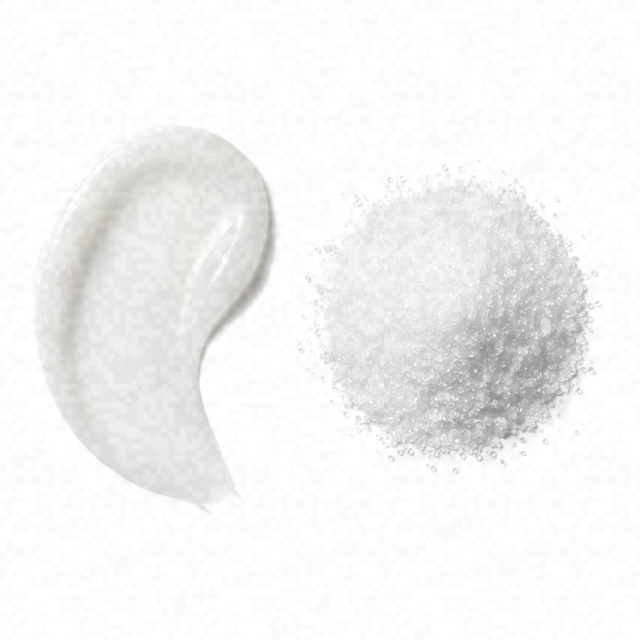 Urea
 Niacinamide
 Hyaluronic Acid
 Panthenol
 Allantoin
Superior
- SuperiorDry Skin Fit
- SuperiorEffectiveness
- HighSafety
One of the best moisturizers for dry skin.
- Clinical, Cosmetic and Investigational Dermatology, 2017
- The Journal of Dermatological Treatment, 2017
This fit is calculated for the concerns frequently associated with dry skin: flakiness, tightness, dehydration, fine lines, and wrinkles. For scores and recommendations based on your full skin profile, including your 12D face scan results and any goals or preferences you have, please use the Lovi app.
Page built Nov 8, 2026How the Fit score works
Lovi Assistant explains
- Excellent suitability for your dry skin is provided by glycerin, urea, and hyaluronic acid, which offer intense hydration and barrier repair to combat dryness and flakiness. Shea butter and panthenol further enhance emollient and soothing effects, creating a comfortable and resilient skin barrier.
- The formula is exceptionally safe for your dry skin, as it contains no harsh ingredients and includes urea and panthenol to actively soothe and prevent irritation.
- This product is perfectly aligned with your goal of addressing dry or flaky skin, delivering comprehensive moisturizing and barrier-strengthening benefits.
How to apply
- Could be used as part of your AM or PM routine. Start using it 3 times a week and work your way up to daily use.
- Apply your moisturizer after your toner and before your sunscreen in the morning. At night, use it as the final step after your serum.
- Gently press a small amount of the moisturizer into your skin. Avoid rubbing to keep your dry skin happy.
- Apply the moisturizer on slightly damp skin to help lock in extra hydration. This is great for soothing dry and flaky areas .
- Avoid the sensitive eye area and do a patch test before your first use .
Questions and answers
What makes Mixa Urea Cica Repair one of the best fits for dry skin?
Mixa Urea Cica Repair is one of the best fits for dry skin because its formula combines glycerin, urea, and hyaluronic acid to deliver intense hydration and repair the skin barrier. Shea butter and panthenol further soothe dry patches and help create a comfortable, resilient skin barrier without harsh ingredients.
Clinical, Cosmetic and Investigational Dermatology, 2017The Journal of Dermatological Treatment, 2017
Which ingredients make this cream a good fit for dry skin?
Glycerin, urea, and hyaluronic acid make this cream a great fit for dry skin by providing intense hydration and repairing the skin barrier to stop flakiness. Shea butter and panthenol also help calm the skin and keep it soft and comfortable.
Clinical, Cosmetic and Investigational Dermatology, 2017The Journal of Dermatological Treatment, 2017
What does Urea do for dry skin?
Urea helps dry skin by deeply boosting moisture, smoothing rough flakes, and repairing the outer skin barrier so it stays soft and comfortable. This ingredient is generally well-tolerated and safely improves hydration, scaling, and itching with regular use.
Dermatology and Therapy, 2021Journal of Drugs in Dermatology, 2016
What does Niacinamide do for dry skin?
Niacinamide helps dry skin by strengthening the skin barrier, increasing hydration, and reducing water loss. It supports ceramide production and helps keep the surface smooth and calm. This ingredient tends to be very well tolerated and is unlikely to irritate dry skin.
Journal of Cosmetic Dermatology, 2004Journal of Cosmetic Dermatology, 2026
Where does this cream go in a skincare routine for dry skin?
This moisturizing treatment goes in the evening routine after cleansing, or as a daytime moisturizer before sunscreen. Using a rich moisturizer helps lock in hydration and keeps dry skin feeling soft and comfortable.
The Journal of Dermatological Treatment, 2022Clinical, Cosmetic and Investigational Dermatology, 2017
Can I use this cream with retinol, and in what order?
You can use this cream with retinol by applying your retinol first and following it with this moisturizer to help calm the skin and keep it soft. Using a barrier-strengthening moisturizer like this one supports the skin and is unlikely to cause irritation during retinol use.
How often should I use this cream?
You can use this moisturizing treatment daily to keep dry skin soft, comfortable, and well-hydrated. Applying it regularly helps maintain a smooth skin barrier and is unlikely to cause irritation.
Can this cream clog pores, cause breakouts or purging for dry skin?
This cream is unlikely to clog pores or cause breakouts on dry skin, as it contains no harsh ingredients and is specifically designed to soothe and hydrate without irritation. It helps keep your skin comfortable and smooth while strengthening your protective barrier.
The Journal of Dermatological Treatment, 2017American Journal of Clinical Dermatology, 2002
Can I use this cream around the eyes or on my body?
You can safely use this moisturizing treatment on your body and around your eyes, as it features ingredients that deeply hydrate and soothe dry skin. Its gentle formula is well-suited to help relieve dryness and strengthen the skin barrier across various body areas without causing irritation.
Clinical, Cosmetic and Investigational Dermatology, 2017The Journal of Dermatological Treatment, 2017
Is this cream fragrance-free and alcohol-free?
Yes, it has no fragrance and no drying alcohol. Cetearyl alcohol is a fatty alcohol, which soften the skin.
What the research says
A single application of a moisturizing fluid containing hyaluronic acid 1%, glycerin 5%, and Centella asiatica stem cells extract significantly increased skin hydration by 29% and reduced transepidermal water loss at 24 hours compared to baseline and an untreated control site in twenty healthy women.
Clinical, Cosmetic and Investigational Dermatology, 2017A new topical panthenol-containing emollient significantly improved transepidermal water loss reduction, stratum corneum hydration, and intercellular lipid lamellae length compared with control in healthy subjects without negatively impacting bacterial viability.
The Journal of Dermatological Treatment, 2017Topical dexpanthenol acts as a moisturizer, improves stratum corneum hydration, accelerates wound healing and epidermal regeneration, reduces erythema, and improves symptoms of skin irritation compared to vehicle or no pretreatment.
American Journal of Clinical Dermatology, 2002A panthenol-enriched mask significantly decreased erythema and hyperpigmentation, increased sebum and stratum corneum moisture, and reduced transepidermal water loss compared to a saline dressing in 60 subjects undergoing facial laser treatment.
Journal of Cosmetic Dermatology, 2025Topical 40% urea cream achieved improvement in less time and showed superiority over 12% ammonium lactate lotion in skin roughness, fissure reduction, thickness, and dryness at day 14 in patients treated for moderate to severe xerosis.
American Journal of Clinical Dermatology, 2002Topical treatment with K101 achieved a significantly higher mycological cure rate compared to placebo in patients with ≤50% nail involvement (27.2% vs 10.4%), while showing early visible improvements in nail appearance and no safety issues.
Mycoses, 2012Topical post-laser application of human adipocyte-derived mesenchymal stem cell media combined with niacinamide significantly improved wrinkle index, melanin index, patient satisfaction, and investigator esthetic improvement scores compared to vehicle cream in patients with aging skin.
Journal of Cosmetic Dermatology, 2021Topical nicotinamide prevented solar-simulated UV-induced immunosuppression in healthy volunteers, and men experienced immunosuppression at solar-simulated UV doses three times lower than those required for women.
The Journal of Investigative Dermatology, 2008Topical 5% niacinamide applied twice daily for 12 weeks reduced fine lines and wrinkles, hyperpigmented spots, red blotchiness, and skin sallowness, and improved skin elasticity compared to vehicle control in 50 female white subjects with facial photoaging.
Dermatologic Surgery, 2005Topical application of 0.1% hyaluronic acid formulations of different molecular weights led to significant improvements in skin hydration and elasticity, with low-molecular-weight formulations also significantly reducing wrinkle depth in seventy-six female subjects compared to a vehicle control.
Journal of Drugs in Dermatology, 2011Topical application of hyaluronic acid in conjunction with free gingival graft significantly reduced donor site postoperative pain until day 7 compared to normal saline, with no significant differences in graft dimensions or patient satisfaction.
Clinical Oral Investigations, 2022Treatment with a hyaluronic acid-containing mouth rinse or topical gel led to significant lesion reduction, pain relief, and normalization of lesion color in adult patients with minor recurrent aphthous stomatitis, with the gel formulation showing an earlier healing onset at 3 days.
BMC Oral Health, 2019Moisturizer containing 5% panthenol, madecassoside, and copper-zinc-manganese decreased adverse reactions and downtime after ablative fractional carbon dioxide laser resurfacing with comparable efficacy to 0.02% triamcinolone acetonide cream in 20 subjects.
Journal of Cosmetic Dermatology, 2019Topical dexpanthenol formulated in lipophilic vehicles improved stratum corneum hydration and reduced transepidermal water loss compared to vehicle control in humans.
Arzneimittel-Forschung, 2000Hyaluronic acid, hyaluronic acid plus dexpanthenol, and isotonic saline nasal sprays all significantly improved dry nose symptoms over four weeks in 240 patients, with hyaluronic acid plus dexpanthenol providing superior nasal moisturisation compared to the other two.
Auris, Nasus, Larynx, 2020Topical gel containing chitosan, 0.2% chlorhexidine, allantoin and dexpanthenol did not improve postoperative comfort regarding swelling and pain, but improved the wound's aesthetic appearance following impacted lower third molar extraction compared to no gel.
Medicina Oral, Patologia Oral Y Cirugia Bucal, 2016A topical gel containing chitosan, chlorhexidine, allantoin, and dexpanthenol significantly reduced postoperative pain, trismus, swelling, and analgesic consumption, while improving wound healing after third molar surgery compared to a placebo.
Medicina Oral, Patologia Oral Y Cirugia Bucal, 2020An overnight patch containing Allium cepa extract and allantoin safely promotes scar healing after dermatologic surgery, resulting in significantly greater reductions in observer- and patient-assessed POSAS scores compared to no treatment.
Aesthetic Plastic Surgery, 2018
Ingredients
Water, Glycerin, Urea, Cetearyl Alcohol, Butyrospermum Parkii Butter Shea Butter, Caprylic Capric Triglyceride, Cetearyl Glucoside, Dimethicone, Panthenol, Allantoin, Hyaluronic Acid, Tocopherol, Phenoxyethanol, Ethylhexylglycerin, Carbomer, Sodium Hydroxide
Behind this fit score
Lovi calculates every fit score from the full ingredient list with brand-independent rules our dermatologists and cosmetic chemists build and review, and personalizes every pick with AI trained on the real results of millions of users. Lovi trains its fit score models on a proprietary dataset built from more than 10,000 expert-labeled products and more than 100,000 simulated examples, following an internally consistent methodology presented at Cosmoprof, AMWC, and Skin of Color Update.
-

Co-founder, Medical Director
Cosmetic chemist, cosmetologist, aesthetic products developer
-

Co-founder, CEO and CTO
PhD in computer science, 3x US patent holder, ex-Google, ex-Yandex
-

Dr. Sofía Perea Pérez, MD, MSc
Medical Board
Aesthetic medicine practitioner, MSc in Longevity and Anti-Aging Medicine
-

Medical Board
Specialist dermatologist, MBBS, MD, IFAAD
-

Medical Board
Cosmetic chemist, SCS, IFSCC member
-

Medical Board, Medical Advisor
Dermatology MD
-

Elina Nazarenko, MD
Medical Board
Dermatology and diagnostic consultant
-

Victoria Derkova, MS
Medical Board
Cosmetic chemist, cosmetic development technologist


How does it fit your skin?
Scan your face, then any product: Lovi shows how well it fits you and what fits even better.