
Medicube Red Erasing Cream

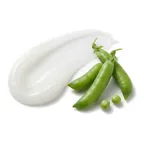 Niacinamide
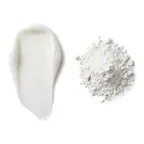 Zinc Oxide
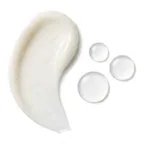 Squalane
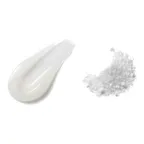 Adenosine
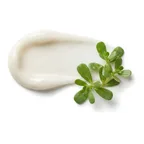 Purslane Extract
Niacinamide, squalane, and adenosine soothe, hydrate, and support the skin barrier, so it suits dry skin, sensitive skin, mature skin, and dry sensitive skin best.
Each fit is calculated for the concerns frequently associated with that skin type. For scores and recommendations based on your full skin profile, including your 12D face scan results and goals, use the Lovi app.
Updated How the Fit score works
Where it fits best and least
Best fit High
Dry Skin, Sensitive Skin, Mature Skin, Dry Sensitive Skin
A great choice for dry skin; a few moisturizers fit it even better.
- Offers excellent moisturizing and treatment for your dry or flaky skin, as glycerin and purslane extract provide deep hydration and soothing effects. Jojoba seed oil and squalane further support your skin barrier and combat dryness.
Lowest fit Average
Oily Skin, Combination Skin, Acne-Prone Skin, Skin with Dark Spots, Oily Acne-Prone Skin
Works for oily skin; other moisturizers fit it better.
- Offers moderate suitability for oily skin as zinc oxide provides mild astringent properties, while glycerin and purslane extract offer hydration and soothing effects.
How to apply
- Could be used as part of your AM and PM routine. Start using it 3 times a week and move to daily use if your skin likes it.
- Apply this moisturizer after your cleanser and toner, right before your morning SPF.
- Gently press a small amount of the moisturizer into your skin. Avoid rubbing it too hard so it absorbs nicely.
- For the best moisture, you can apply it when your skin is slightly damp. This helps your skin stay soft and happy.
- Remember to avoid the eye area when applying. Always do a patch test before your first use.
People Say
★4.7Overall rating based on 3.1k+ reviewsBased on a very large amount of data, this barrier cream is highly praised by users with acne-prone and sensitive skin for its ability to fade stubborn acne scars and calm redness over time. Its thick, paste-like consistency and significant white cast make it strictly a nighttime treatment for most, as it can be difficult to layer under makeup.
Highlights
Fades acne scars Mostly Mentioned
- “helped fade my scars”
- “scars became noticeably lighter”
- “significant improvement in pigmentation”
Strong white cast Mostly Mentioned
- “leaves a white cast”
- “whitins skin as much as sunscreen”
- “severe white cast”
Reduces redness Often Mentioned
- “calmed skin”
- “reduces redness”
- “inflammation has calmed down”
Thick/sticky texture Often Mentioned
- “thick and heavy”
- “feels sticky”
- “texture feels like an ointment”
Non-irritating Sometimes Noted
- “no irritation at all”
- “suits my acne sensitive prone skin”
- “mild and soothing”
Strengthens barrier Sometimes Noted
- “good for the barrier”
- “skin barrier has improved”
- “protect skin by forming a moisture barrier”
Pills under makeup Sometimes Noted
- “makeup won't set properly”
- “notice some pilling”
- “difficult to spread”
Hard to remove Rarely Noted
- “stubborn to remove”
- “difficult to wash off”
- “residue left behind”
Sources: lovi.care, yesstyle.com, oliveyoung.com, stylekorean.com, medicube.us, hwahae.co.kr, and more
Questions and answers
What makes Medicube Red Erasing Cream a great fit for dry skin?
Medicube Red Erasing Cream is a great fit because glycerin and purslane extract provide deep hydration and soothing effects, while squalane and jojoba seed oil support your skin barrier and combat dryness. Niacinamide and tomato extract also help improve your skin tone and texture.
How well does Medicube Red Erasing Cream work for oily skin?
Medicube Red Erasing Cream offers moderate suitability for oily skin, providing mild oil control and soothing hydration without irritation, though an average fit means it works while other products fit better. To truly excel on oily skin, a moisturizer of this type needs stronger oil-regulating ingredients paired with peptides and lightweight hydrating agents that maintain a fresh texture without adding excess oil.
Can I use this cream with retinol, and in what order?
You can use this cream alongside retinol by applying the retinol first and following it with this moisturizer. This routine helps keep your skin comfortable and smooth while supporting your skin barrier against dryness.
Is this cream fragrance-free and alcohol-free?
Yes, it has no fragrance and no drying alcohol.
What makes Medicube Red Erasing Cream a great fit for sensitive skin?
Medicube Red Erasing Cream is a great fit for sensitive skin because it uses niacinamide and purslane extract to calm redness and repair the skin barrier. Glycerin provides gentle moisture while the formula completely lacks harsh ingredients, which helps prevent any irritation.
How well does Medicube Red Erasing Cream work for combination skin?
This cream works moderately well for combination skin because niacinamide helps balance oil and glycerin provides hydration, though it may not fully control shine in every area. A moisturizer for this skin type needs targeted brightening and hydrating ingredients that reduce oily shine without causing irritation or heaviness.
What makes Medicube Red Erasing Cream a great fit for mature skin?
Medicube Red Erasing Cream is a great fit for mature skin because adenosine helps smooth fine lines and wrinkles, while niacinamide and purslane extract calm the skin with antioxidants. Glycerin and jojoba seed oil keep the skin comfortable and hydrated.
International Journal of Cosmetic Science, 2018International Journal of Molecular Sciences, 2026
How well does Medicube Red Erasing Cream work for acne-prone skin?
Medicube Red Erasing Cream is an average fit for acne-prone skin because, while it provides safe hydration and calms the skin, it lacks targeted ingredients like salicylic acid or benzoyl peroxide for breakouts. To work best for this skin type, a moisturizing treatment needs targeted blemish-fighting ingredients alongside soothing extracts and lightweight hydrators that keep the skin clear and balanced.
What makes Medicube Red Erasing Cream a great fit for dry sensitive skin?
Medicube Red Erasing Cream is a great fit for your dry sensitive skin because glycerin and jojoba seed oil keep you hydrated and soft, while squalane strengthens your skin barrier to stop dryness and flaking. Niacinamide also helps improve your overall skin tone and texture without any harsh or irritating ingredients.
How well does Medicube Red Erasing Cream work for skin with dark spots?
This cream is an average fit for skin with dark spots because it supports hydration and skin barrier health, but it lacks specialized ingredients to effectively target your pigmentation concerns. A moisturizing treatment for skin with dark spots needs effective brightening ingredients that align with your pigmentation goals alongside moisturizing agents.
How well does Medicube Red Erasing Cream work for oily acne-prone skin?
Medicube Red Erasing Cream offers moderate suitability for oily acne-prone skin, providing mild calming and oil-balancing effects that support your routine without directly tackling main breakouts. A moisturizing treatment for this skin needs powerful hydrating and repairing ingredients, lightweight textures free of heavy oils, and ingredients that support the skin barrier without clogging pores.
What the research says
A single application of a moisturizing fluid containing hyaluronic acid 1%, glycerin 5%, and Centella asiatica stem cells extract significantly increased skin hydration by 29% and reduced transepidermal water loss at 24 hours compared to baseline and an untreated control site in twenty healthy women.
Clinical, Cosmetic and Investigational Dermatology, 2017Facial masks containing low-temperature extracted Portulaca oleracea protect sensitive skin from photothermal stimulation and improve skin barrier function during photorejuvenation.
Cutaneous and Ocular Toxicology, 2025Topical nicotinamide prevented solar-simulated UV-induced immunosuppression in healthy volunteers, and men experienced immunosuppression at solar-simulated UV doses three times lower than those required for women.
The Journal of Investigative Dermatology, 2008Topical 5% niacinamide applied twice daily for 12 weeks reduced fine lines and wrinkles, hyperpigmented spots, red blotchiness, and skin sallowness, and improved skin elasticity compared to vehicle control in 50 female white subjects with facial photoaging.
Dermatologic Surgery, 2005Topical 2% niacinamide significantly decreased sebum excretion rate in Japanese individuals and casual sebum levels in Caucasian individuals compared to placebo or baseline.
Journal of Cosmetic and Laser Therapy, 2006Topical 0.5% hyaluronic-ZnO nanogel applied twice daily reduced inflammatory-lesion counts by 58% at week four in human subjects compared to baseline without causing erythema.
Biomedicines, 2025Daily use of a deep cleansing gel containing salicylic acid 2%, zinc gluconate 0.2% and lipohydroxy acid 0.05% significantly reduced total lesion count by 56.3% after 84 days in 35 subjects with mild to moderate truncal acne.
Clinical, Cosmetic and Investigational Dermatology, 2023Topical zinc oxide nanogels formulated using Dendrobium anosmum showed greater effectiveness against Gram-positive acne-causing bacteria compared to chemogenic nanoparticles.
Molecules, 2023Application of fullerene-C60 dissolved in squalane cream twice daily for 8 weeks significantly enhanced skin moisture and reduced wrinkle formation compared to placebo in 23 Japanese women without severe side effects.
Journal of Nanoscience and Nanotechnology, 2010Squalane at 0.005-0.015% counteracts UVA-induced oxidative stress, inflammation, and collagen metabolism inhibition while stimulating fibroblast migration in human dermal fibroblasts.
Molecules, 2025Plant-derived squalane protected human dermal fibroblasts against UVA-induced damage by counteracting ROS formation, suppressing apoptosis-related proteins p53, caspase-3, caspase-9, and PARP, and restoring the pro-survival p-Akt/mTOR pathway.
Antioxidants, 2025Topical application of a disodium adenosine monophosphate-based formulation reduced wrinkles and hyperpigmentation while improving hydration, barrier function, skin lifting, and epidermal turnover in female participants.
International Journal of Molecular Sciences, 2026Adenosine and cordycepin stimulate the Wnt/beta-catenin signaling pathway through adenosine receptor and PKA activation, promoting cell proliferation, migration, and growth factor secretion in cultured dermal fibroblasts.
International Journal of Molecular Sciences, 2021Topical application of the A2BAR agonist BAY60-6583 prevented TPA-induced inflammation, hyperproliferation, and acanthosis while normalizing epidermal barrier protein expression in a murine model of epidermal hyperplasia, effects that were reversed by the selective antagonist PSB-1115.
Biomedicine & Pharmacotherapy = Biomedecine & Pharmacotherapie, 2024Oleracone C attenuates UVB-induced photoaging in human keratinocytes by reducing intracellular ROS and MMP expression while restoring type I procollagen production through MAPK and TGF-beta/Smad pathways.
International Journal of Cosmetic Science, 2023Solvent-partitioned fractions and isolated homoisoflavonoids from Portulaca oleracea L. suppressed ROS generation, activated antioxidant enzymes via the Nrf-2 pathway, down-regulated MMPs, and increased type I procollagen production in UVB-stressed human keratinocytes.
Journal of Food Biochemistry, 2019Portulaca oleracea extracts protect human keratinocytes and fibroblasts against UVB-induced apoptosis.
Experimental Dermatology, 2014Niacinamide significantly decreased hyperpigmentation and increased skin lightness compared with vehicle alone after 4 weeks of use in women by inhibiting melanosome transfer.
The British Journal of Dermatology, 2002Topical lycopene-based emulgel significantly enhanced skin hydration and elasticity while reducing erythema, melanin, and sebum contents in human volunteers compared to a placebo formulation over 12 weeks.
European Journal of Pharmaceutics and Biopharmaceutics, 2022Adenosine-loaded dissolving microneedle patches showed similar or better efficacy on skin wrinkles, dermal density, elasticity, and hydration compared to adenosine cream in 22 female subjects.
International Journal of Cosmetic Science, 2018Treatment with a combination of niacinamide and hyaluronic acid improved skin aging signs and demonstrated a senomorphic effect by decreasing SASP and autocrine signaling genes in women.
Scientific Reports, 2024Topical application of a vitamin C-squalene bioconjugate significantly increased epidermal thickness, type III collagen production, and glycosaminoglycans production in human skin explants compared to free vitamin C and vitamin C-palmitate.
Scientific Reports, 2020Topical application of the adenosine A2A receptor agonist CGS-21680 prevents phorbol-induced epidermal hyperplasia and inflammation in mice by reducing inflammatory cell infiltration, inflammatory mediators, and hyperproliferative markers while promoting dermal fibroblast proliferation.
Experimental Dermatology, 2014Topical application of jojoba wax reduced LPS-induced secretion of IL-6, IL-8, and TNFα by approximately 30% and increased the synthesis of pro-collagen III and hyaluronic acid compared to untreated skin in an ex-vivo human skin organ culture model.
Frontiers in Pharmacology, 2024Biomimetic hyaluronic acid-stabilized zinc oxide nanoparticles selectively inhibited C. acnes, outperformed erythromycin in preclinical acne models, and safely reduced acne lesions and redness in a clinical trial.
Journal of Controlled Release, 2025
Ingredients
Water, Zinc Oxide, Cyclopentasiloxane, Caprylic Capric Triglyceride, Glycerin, Isodecyl Neopentanoate, Cyclohexasiloxane, Diethylhexyl Carbonate, Quaternium-18 Bentonite, Peg-10 Dimethicone, Butylene Glycol, Niacinamide, Beeswax, Sodium Chloride, Sorbitan Sesquioleate, 1,2-Hexanediol, Vinyl-Dimethicone-Methicone-Silsesquioxane-Crosspolymer, Purslane Extract, Triethoxycaprylyl Silane, Dimethicone Vinyl Dimethicone Crosspolymer, Caprylyl Glycol, Chlorphenesin, Adenosine, Jojoba Seed Oil, Squalane, Tomato Extract
Behind these fit scores
Lovi calculates every fit score from the full ingredient list with brand-independent rules our dermatologists and cosmetic chemists build and review, and personalizes every pick with AI trained on the real results of millions of users. Lovi trains its fit score models on a proprietary dataset built from more than 10,000 expert-labeled products and more than 100,000 simulated examples, following an internally consistent methodology presented at Cosmoprof, AMWC, and Skin of Color Update.
-

Co-founder, Medical Director
Cosmetic chemist, cosmetologist, aesthetic products developer
-

Co-founder, CEO and CTO
PhD in computer science, 3x US patent holder, ex-Google, ex-Yandex
-

Dr. Sofía Perea Pérez, MD, MSc
Medical Board
Aesthetic medicine practitioner, MSc in Longevity and Anti-Aging Medicine
-

Medical Board
Specialist dermatologist, MBBS, MD, IFAAD
-

Medical Board
Cosmetic chemist, SCS, IFSCC member
-

Medical Board, Medical Advisor
Dermatology MD
-

Elina Nazarenko, MD
Medical Board
Dermatology and diagnostic consultant
-

Victoria Derkova, MS
Medical Board
Cosmetic chemist, cosmetic development technologist


How does it fit your skin?
Scan your face, then any product: Lovi shows how well it fits you and what fits even better.