Mario Badescu Drying Patch for combination skin

 Salicylic Acid
 Sodium Hyaluronate
 Niacinamide
 Ascorbic Acid
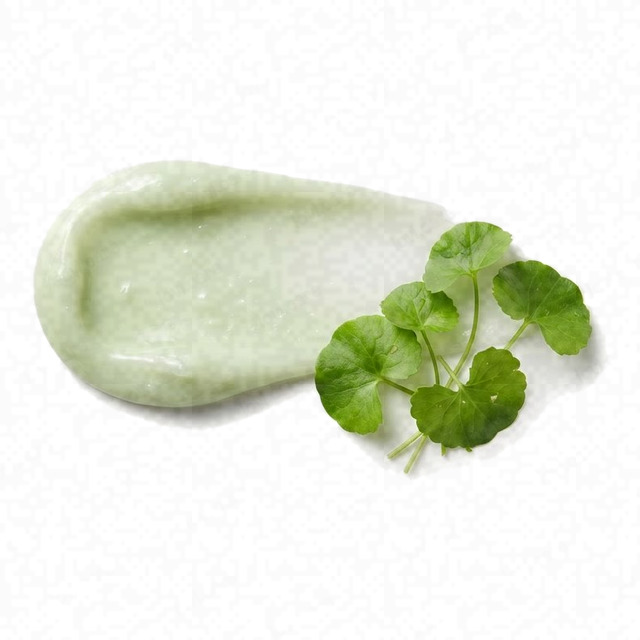 Centella Asiatica Extract
High
- HighCombination Skin Fit
- HighEffectiveness
- HighSafety
A great choice for combination skin; a few serums fit it even better.
This fit is calculated for the concerns frequently associated with combination skin: an oily T-zone, enlarged pores, and dry cheeks. For scores and recommendations based on your full skin profile, including your 12D face scan results and any goals or preferences you have, please use the Lovi app.
Page built Nov 8, 2026How the Fit score works
Lovi Assistant explains
- Highly suitable for your combination skin, this product effectively reduces oily shine and blemishes with salicylic acid and niacinamide, which help to regulate oil production and clear pores.
- Centella Asiatica Extract and Melaleuca Alternifolia Tree Extract further support blemish reduction and provide soothing benefits for your skin.
- The safety profile is excellent, with no risks of irritation due to the absence of harsh ingredients and the presence of soothing components.
How to apply
- Use your serum as part of your PM routine. Start using it 3 times a week and move to daily use if your skin likes it.
- Apply the serum after cleansing and toner, and right before your moisturizer.
- Gently press 2-3 drops of the serum into your skin and wait a minute ⏳for it to soak in.
- Apply the serum on clean and dry skin since your skin is not sensitive.
- Always do a patch test before using the serum for the first time, and avoid the eye area .
People Say
★4.1Overall rating based on 300+ reviewsThe Mario Badescu Drying Patch is highly effective for shrinking and flattening small blemishes overnight, especially for those with oily or combination skin. Users frequently praise its discreet, thin design that can be worn under makeup. However, some reviewers note that it does not function as a traditional hydrocolloid patch and may not be as effective for deep or cystic acne, with a moderate number of users reporting limited effectiveness or expecting different results.
Highlights
Fast-acting results Mostly Mentioned
- “Shrinking blemishes overnight”
- “Works wonders quickly”
- “Flattening by morning”
Discreet/Invisible Often Mentioned
- “Virtually invisible”
- “Can wear under makeup”
- “Unseen throughout the day”
Easy to use Often Mentioned
- “Simple application process”
- “Peel, stick, and relax”
- “Convenient for on-the-go”
Reduces redness Sometimes Noted
- “Calms redness and irritation”
- “Niacinamide helps redness”
- “Visibly balances skin”
Limited effectiveness Sometimes Noted
- “Didn't work at all”
- “Less noticeable changes”
- “Useless for my skin”
Not hydrocolloid Sometimes Noted
- “Doesn't pull gunk out”
- “Expecting hydrocolloid effects”
- “Not for drawing impurities”
Price/Value Rarely Noted
- “Not worth the price”
- “Wish more in pack”
- “Expensive for quantity”
Skin irritation Rarely Noted
- “Caused red patches”
- “Burned my face”
- “Mild skin reaction”
Sources: lovi.care, sephora.com, ulta.com, walmart.com, mariobadescu.com, cultbeauty.com, and more
Questions and answers
What makes Mario Badescu Drying Patch a great fit for combination skin?
This product is a great fit for your combination skin because it helps reduce oily shine and blemishes using salicylic acid and niacinamide to clear pores, while centella asiatica extract and tea tree oil soothe the skin.
Indian Journal of Dermatology, Venereology and Leprology, 2007Indian Journal of Pharmaceutical Sciences, 2016
Which ingredients make this patch a good fit for combination skin?
Salicylic acid and niacinamide make this patch a great fit for your combination skin because they help to regulate oil production and clear pores, reducing oily shine and blemishes. Centella asiatica extract and tea tree oil further support blemish reduction and provide soothing benefits, with an excellent safety profile that is unlikely to cause irritation.
BioMed Research International, 2020Indian Journal of Dermatology, Venereology and Leprology, 2007
What does Salicylic Acid do for combination skin?
Salicylic acid helps clear clogged pores and balance oily areas while remaining gentle enough for dry spots on combination skin. It reduces breakouts and oiliness effectively with a low likelihood of irritation.
Journal of Cosmetic Dermatology, 2024Journal of Drugs in Dermatology, 2023
What does Hyaluronic Acid do for combination skin?
Hyaluronic acid is a great fit for combination skin because it quenches dry areas with a boost of hydration while keeping oily zones balanced. Regular use helps smooth out fine lines and makes your skin feel soft and plump without causing irritation.
Dermatology and Therapy, 2021Journal of Drugs in Dermatology, 2011
Where does it go in a skincare routine for combination skin?
This treatment goes in your evening routine, applied after cleansing and before moisturizing. You can use it once a week to start, and then more often if your skin tolerates it well.
Can I use this patch with retinol, and in what order?
You can use this treatment alongside retinol by applying the patch after your retinol absorbs, or on alternate nights to keep your skin calm. This helps you target blemishes effectively while avoiding extra irritation.
How often should I use it?
You can use this treatment in your evening routine, applying it once a week at first and carefully using it more often if your skin tolerates it well. It is unlikely to cause irritation due to its gentle, soothing ingredients.
Indian Journal of Dermatology, Venereology and Leprology, 2007Indian Journal of Pharmaceutical Sciences, 2016
Can this patch clog pores, cause breakouts or purging for combination skin?
This patch is a great fit for your combination skin because salicylic acid and niacinamide help clear pores and reduce oily shine without clogging them. It has an excellent safety profile with soothing ingredients that mean it is unlikely to cause irritation or breakouts.
Is it fragrance-free and alcohol-free?
Yes, it has no fragrance and no drying alcohol.
What the research says
A moisturizer containing licochalcone A, 1,2-decanediol, L-carnitine, and salicylic acid significantly reduced noninflammatory, inflammatory, and total acne lesion counts compared to a vehicle control in Thai patients during a 12-week maintenance phase.
BioMed Research International, 2020Topical 5% tea tree oil gel significantly improved total acne lesions and acne severity index compared to placebo in 60 patients with mild to moderate acne vulgaris, showing 3.55 times and 5.75 times greater efficacy respectively.
Indian Journal of Dermatology, Venereology and Leprology, 2007Cosmetic formulations containing 5% Centella asiatica extract showed the best efficacy in improving skin moisture and decreasing transepidermal water loss, while also exhibiting antiinflammatory properties in 25 volunteers compared to baseline measurements.
Indian Journal of Pharmaceutical Sciences, 2016Co-delivery of paeonol and madecassoside via nanoemulsions improved transdermal delivery, promoted barrier repair proteins, inhibited inflammatory cytokine secretion in cellular and 3D models, and reduced transepidermal water loss and acne in human facial skin compared to free components.
Molecules, 2023Topical treatment of nicotinamide, alone or in combination with other active ingredients, reduces the progression of skin aging and hyperpigmentation in clinical trials while being well tolerated.
Antioxidants, 2021Cryotherapy with liquid nitrogen achieved a higher cure rate (39%) than salicylic acid (24%) and a wait-and-see approach (16%) for cutaneous warts at 13 weeks in primary care patients.
CMAJ, 2010Treatment with 2% supramolecular salicylic acid hydrogel resulted in a regression and markedly improvement rate of 51.01% compared to 43.10% for Adapaline gel in patients with mild to moderate facial acne vulgaris, showing no significant difference in efficacy.
Journal of Cosmetic Dermatology, 2024Topical 5% benzoyl peroxide plus salicylic acid achieved the greatest lesion reduction at early 2 to 4 week time points compared to benzoyl peroxide, clindamycin, and combination benzoyl peroxide/clindamycin, while 5% benzoyl peroxide plus salicylic acid and combination benzoyl peroxide/clindamycin showed similar efficacy at 10 to 12 weeks in acne patients.
Journal of the American Academy of Dermatology, 2010Topical application of 0.1% hyaluronic acid formulations of different molecular weights led to significant improvements in skin hydration and elasticity, with low-molecular-weight formulations also significantly reducing wrinkle depth in seventy-six female subjects compared to a vehicle control.
Journal of Drugs in Dermatology, 2011Topical application of hyaluronic acid in conjunction with free gingival graft significantly reduced donor site postoperative pain until day 7 compared to normal saline, with no significant differences in graft dimensions or patient satisfaction.
Clinical Oral Investigations, 2022Treatment with a hyaluronic acid-containing mouth rinse or topical gel led to significant lesion reduction, pain relief, and normalization of lesion color in adult patients with minor recurrent aphthous stomatitis, with the gel formulation showing an earlier healing onset at 3 days.
BMC Oral Health, 2019Topical post-laser application of human adipocyte-derived mesenchymal stem cell media combined with niacinamide significantly improved wrinkle index, melanin index, patient satisfaction, and investigator esthetic improvement scores compared to vehicle cream in patients with aging skin.
Journal of Cosmetic Dermatology, 2021Topical nicotinamide prevented solar-simulated UV-induced immunosuppression in healthy volunteers, and men experienced immunosuppression at solar-simulated UV doses three times lower than those required for women.
The Journal of Investigative Dermatology, 2008Topical 5% niacinamide applied twice daily for 12 weeks reduced fine lines and wrinkles, hyperpigmented spots, red blotchiness, and skin sallowness, and improved skin elasticity compared to vehicle control in 50 female white subjects with facial photoaging.
Dermatologic Surgery, 2005Topical application of 5% vitamin C cream significantly improved global clinical scores, increased skin microrelief density, and induced elastic tissue repair in photoaged skin compared to excipient control in healthy female volunteers.
Experimental Dermatology, 2003Ascorbic acid 2-glucoside gel significantly reduced gingival melanin pigmentation after 4 weeks compared to placebo in 73 subjects with symmetric pigmentation.
Journal of Periodontology, 2009Topical application of VC-IP cream twice daily for 8 weeks reduces periorbital wrinkles in female subjects compared to a placebo cream.
Journal of Cosmetic Dermatology, 2022Topical application of 0.05% w/w ECa 233 gel reduced erythema index by 0.03 U and improved early crusting and general wound appearance compared to placebo in thirty individuals undergoing facial laser resurfacing.
Journal of Alternative and Complementary Medicine, 2020A single application of a moisturizing fluid containing hyaluronic acid 1%, glycerin 5%, and Centella asiatica stem cells extract significantly increased skin hydration by 29% and reduced transepidermal water loss at 24 hours compared to baseline and an untreated control site in twenty healthy women.
Clinical, Cosmetic and Investigational Dermatology, 2017Moisturizer containing 5% panthenol, madecassoside, and copper-zinc-manganese decreased adverse reactions and downtime after ablative fractional carbon dioxide laser resurfacing with comparable efficacy to 0.02% triamcinolone acetonide cream in 20 subjects.
Journal of Cosmetic Dermatology, 2019
Ingredients
Acrylates Copolymer, 1,2-Hexanediol, Sodium Polyacrylate, Butylene Glycol, Pvp, C13-14 Isoparaffin, Niacinamide, Water, Salicylic Acid, Centella Asiatica Extract, Phenoxyethanol, Caprylyl Capryl Glucoside, Sodium Hyaluronate, Tetrahexyldecyl Ascorbate, Laureth-7, Melaleuca Alternifolia Tree Extract, Phytosphingosine, Madecassoside
Behind this fit score
Lovi calculates every fit score from the full ingredient list with brand-independent rules our dermatologists and cosmetic chemists build and review, and personalizes every pick with AI trained on the real results of millions of users. Lovi trains its fit score models on a proprietary dataset built from more than 10,000 expert-labeled products and more than 100,000 simulated examples, following an internally consistent methodology presented at Cosmoprof, AMWC, and Skin of Color Update.
-

Co-founder, Medical Director
Cosmetic chemist, cosmetologist, aesthetic products developer
-

Co-founder, CEO and CTO
PhD in computer science, 3x US patent holder, ex-Google, ex-Yandex
-

Dr. Sofía Perea Pérez, MD, MSc
Medical Board
Aesthetic medicine practitioner, MSc in Longevity and Anti-Aging Medicine
-

Medical Board
Specialist dermatologist, MBBS, MD, IFAAD
-

Medical Board
Cosmetic chemist, SCS, IFSCC member
-

Medical Board, Medical Advisor
Dermatology MD
-

Elina Nazarenko, MD
Medical Board
Dermatology and diagnostic consultant
-

Victoria Derkova, MS
Medical Board
Cosmetic chemist, cosmetic development technologist


How does it fit your skin?
Scan your face, then any product: Lovi shows how well it fits you and what fits even better.