LilyAna Naturals Retinol Cream for combination skin

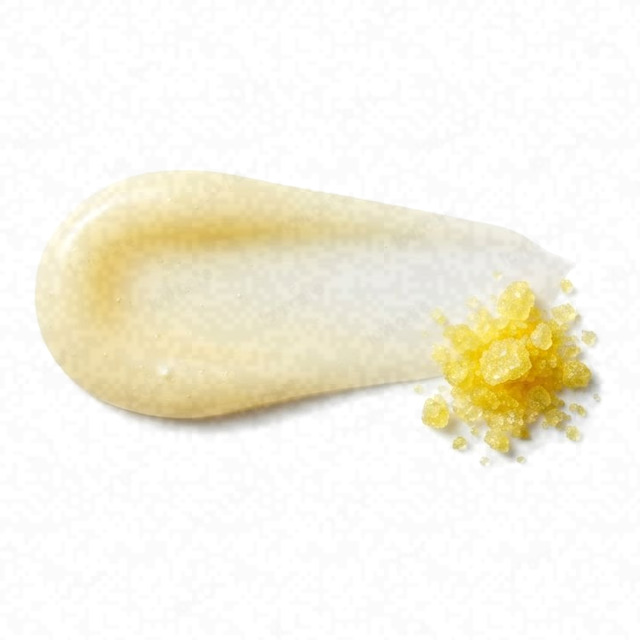 Retinol
 Sodium Hyaluronate
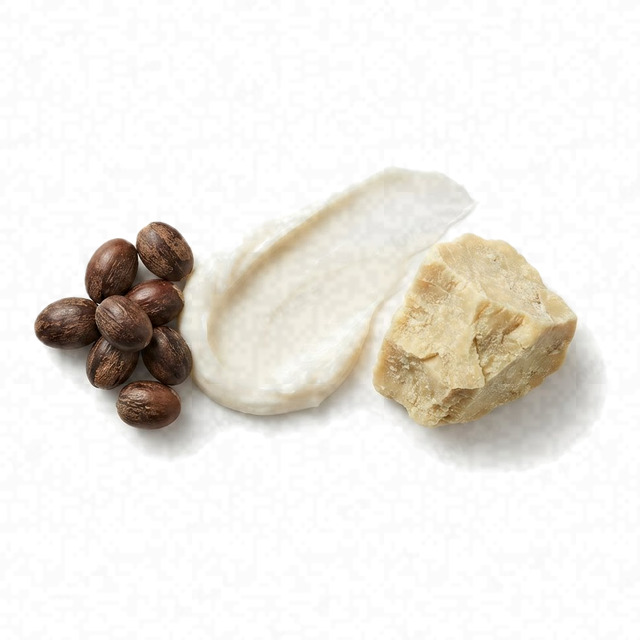 Shea Butter
 Vitamin E
 Aloe Barbadensis
Average
- AverageCombination Skin Fit
- AverageEffectiveness
- HighSafety
Works for combination skin; other moisturizers fit it better.
This fit is calculated for the concerns frequently associated with combination skin: an oily T-zone, enlarged pores, and dry cheeks. For scores and recommendations based on your full skin profile, including your 12D face scan results and any goals or preferences you have, please use the Lovi app.
Page built Nov 8, 2026How the Fit score works
Lovi Assistant explains
- Offers moderate suitability for your combination skin as retinol helps regulate desquamation and aloe barbadensis leaf juice provides hydration, though stronger sebum-regulating ingredients would be beneficial for your oily shine.
- The inclusion of sodium hyaluronate and helianthus annuus seed oil offers excellent moisturizing benefits, supporting overall skin health.
- The product is safe for your combination skin, with no risks of irritation due to the absence of harsh ingredients and the presence of soothing components like camellia sinensis leaf extract.
How to apply
- Use this moisturizer in your AM and PM routine every day to control shine. Always pair with SPF in the morning.
- Apply this moisturizer after your cleanser and toner, right before your morning SPF.
- Gently press a small amount of the moisturizer into your skin and avoid harsh rubbing. Let it ⏳absorb for a minute.
- Apply the moisturizer on slightly damp skin to help it lock in moisture better. This keeps your combination skin balanced.
- Avoid the eye area when applying the moisturizer. Do a patch test before your first use.
People Say
★4.9Overall rating based on 30.0k+ reviewsBased on a very large amount of data, this product is highly praised for its gentle and hydrating formula that effectively improves skin texture, softens fine lines, and promotes a more youthful, radiant complexion. It is frequently noted for being suitable for various skin types, including sensitive, dry, and acne-prone skin, by providing anti-aging benefits without the harsh irritation often associated with retinol products. Some users have reported issues with the pump dispenser, while a low number of reviews mention limited anti-aging results or mixed feelings about the scent.
Highlights
Gentle formula Mostly Mentioned
- “No redness or dryness”
- “Great for sensitive skin”
- “Non-irritating formula”
Hydrating feel Often Mentioned
- “Very moisturizing feel”
- “Leaves skin supple”
- “Not drying at all”
Improves texture Often Mentioned
- “Skin feels so smooth”
- “Noticeably softer skin”
- “Improved skin texture”
Reduces lines Sometimes Noted
- “Softened forehead lines”
- “Less visible wrinkles”
- “Smoothed out lines”
Faulty pump Sometimes Noted
- “Dispenser is horrible”
- “Pump got stuck”
- “Pumps out too much”
Limited anti-aging Rarely Noted
- “Not effective on wrinkles”
- “Lack of visible results”
- “Minimal change”
Scent issues Rarely Noted
- “Mixed feelings about scent”
- “Unpleasant smell”
- “Prefer no scent”
Sources: lovi.care, lilyananaturals.com, walmart.com, whatsinmyjar.com, misumiskincare.com, tenereteam.com, and more
Questions and answers
How well does LilyAna Naturals Retinol Cream work for combination skin?
LilyAna Naturals Retinol Cream works moderately well for your combination skin because retinol helps smooth the surface while aloe keeps you hydrated. However, a product of this type needs stronger oil-balancing ingredients to properly manage oily shine.
Which ingredients make this cream a good fit for combination skin?
Retinol and aloe barbadensis leaf juice help moderate your skin, while sodium hyaluronate and helianthus annuus seed oil provide great moisture. A product of this type needs stronger ingredients to control oily shine for your combination skin.
Dermatologic Therapy, 2022Journal of Pharmacy & Pharmaceutical Sciences, 2015
What does Retinol do for combination skin?
Retinol helps smooth fine lines, even out skin tone, and improve firmness in combination skin. It works by encouraging faster skin renewal and boosting collagen, though it may occasionally cause mild dryness or scaling while your skin adjusts.
Archives of Dermatology, 2007The British Journal of Dermatology, 2019
What does Hyaluronic Acid do for combination skin?
Hyaluronic acid is a great fit for combination skin because it quenches dry areas with a boost of hydration while keeping oily zones balanced. Regular use helps smooth out fine lines and makes your skin feel soft and plump without causing irritation.
Dermatology and Therapy, 2021Journal of Drugs in Dermatology, 2011
Where does it go in a skincare routine for combination skin?
This treatment goes in the evening routine after cleansing and before moisturizing, which keeps things simple and protects your skin around sun exposure. A product of this type needs stronger sebum-regulating ingredients to better manage oily shine on combination skin.
Can I use this cream with vitamin C, and in what order?
You can use this cream in your evening routine, but you should apply vitamin C in the morning and this retinol treatment at night to avoid irritation. Combination skin of this type needs stronger sebum-regulating ingredients to help manage oily shine while keeping the skin balanced.
How often should I use it?
You can use this treatment in your evening routine, applying it after cleansing and toning. Combination skin of this type needs stronger ingredients to control oily shine.
Can this cream clog pores, cause breakouts or purging for combination skin?
This cream is unlikely to clog pores or cause breakouts on combination skin because it has soothing ingredients like green tea leaf extract and no harsh ingredients. However, because it contains retinol, it may cause mild purging when you first start using it. Combination skin works best with stronger oil-controlling ingredients to manage oily shine.
Can I use it around the eyes or on my body?
You can use this moisturizing treatment around your eyes and on your body, as it has a safe makeup and is gentle on thin skin. Regular application may help smooth fine lines and improve skin texture in sensitive areas without causing irritation or peeling.
European Journal of Pharmaceutics and Biopharmaceutics, 2014Polymers, 2023
Is this cream fragrance-free and alcohol-free?
It has no fragrance and contains drying alcohol (alcohol).
What the research says
Topical hyaluronic acid filler serum combined with Botulinum toxin type A lengthened the duration of the toxin's effect in reducing wrinkles compared to Botulinum toxin type A alone.
Dermatologic Therapy, 2022Hyaluronic acid extracts are safe and efficacious products for skin repair when used in tissue regeneration alone or in combination with herbal or Western medicine.
Journal of Pharmacy & Pharmaceutical Sciences, 2015Optimized transfersomes loaded with epigallocatechin-3-gallate and hyaluronic acid increased cell viability while reducing lipid peroxidation, intracellular ROS, and MMP expression in HaCaT cells, and exhibited higher skin permeation and deposition compared to plain EGCG.
Drug Delivery, 2017Topical 0.4% retinol significantly increased epidermal thickness, dermal vascularity, and extracellular matrix production by stimulating keratinocyte proliferation, endothelial cell proliferation, and fibroblast activation in naturally aged human skin compared to vehicle.
International Journal of Cosmetic Science, 2017Topical bakuchiol 0.5% applied twice daily compared with retinol 0.5% applied daily significantly decreased wrinkle surface area and hyperpigmentation with no statistical difference between the compounds in 44 patients over 12 weeks, while retinol users reported more facial skin scaling and stinging.
The British Journal of Dermatology, 2019Silicone particles encapsulating retinol increased its half-life by 9-fold and yielded 12-23% lower skin irritation in human subjects compared to Microsponge particles while maintaining biological activity.
Journal of Controlled Release, 2018Topical application of 0.1% hyaluronic acid formulations of different molecular weights led to significant improvements in skin hydration and elasticity, with low-molecular-weight formulations also significantly reducing wrinkle depth in seventy-six female subjects compared to a vehicle control.
Journal of Drugs in Dermatology, 2011Topical application of hyaluronic acid in conjunction with free gingival graft significantly reduced donor site postoperative pain until day 7 compared to normal saline, with no significant differences in graft dimensions or patient satisfaction.
Clinical Oral Investigations, 2022Treatment with a hyaluronic acid-containing mouth rinse or topical gel led to significant lesion reduction, pain relief, and normalization of lesion color in adult patients with minor recurrent aphthous stomatitis, with the gel formulation showing an earlier healing onset at 3 days.
BMC Oral Health, 2019A combination cream of stimu-tex AS and saccharide isomerate reduced erythema, increased skin capacitance, and reduced transepidermal water loss compared to placebo in 20 subjects after fractional CO2 laser procedure without causing serious adverse events.
Lasers in Medical Science, 2025A skin barrier restoring cream with shea butter, silkflo, and vitamin E increased type I procollagen synthesis, enhanced antioxidant enzyme activity, decreased reactive oxygen species generation, and promoted hyaluronic acid production in H2O2-stimulated human keratinocyte cells compared to untreated cells.
International Journal of Cosmetic Science, 2025Topical application of an antioxidant serum containing 15% ascorbic acid, 0.5% ferulic acid, and 1% tocopherol prevented particulate matter-induced degradation of extracellular matrix components, inflammation, and oxidative stress in the skin of 15 female volunteers compared to untreated controls.
Journal of Cosmetic Dermatology, 2025Dermatological products containing d-alpha tocopheryl acetate showed non-comedogenic potential with less than a 50% increase in microcomedones in 12 healthy male subjects compared to octyl palmitate.
Contemporary Clinical Trials Communications, 2021Topical application of an antioxidant mix containing 15% ascorbic acid, 0.5% ferulic acid, and 1% tocopherol prevented PM and UV-induced skin barrier perturbation, lipid peroxidation, inflammatory markers, MMP9 activation, and Type I collagen loss in 15 healthy females compared to untreated exposed skin.
Journal of Cosmetic Dermatology, 2024A cream combining propolis, tea tree oil, and Aloe vera reduced erythema scars, acne severity index, and total lesion count better than erythromycin cream in sixty patients with mild to moderate acne vulgaris compared to placebo.
Clinical Pharmacology, 2018Topical aloe vera gel significantly accelerated split-thickness skin graft donor-site healing compared to placebo in 12 patients, but showed no significant difference in pain relief.
Plastic and Reconstructive Surgery, 2018Topical application of Aloe vera cream reduced postoperative pain at rest and during defecation, accelerated wound healing at two weeks, and decreased analgesic requirements in patients after open hemorrhoidectomy compared to placebo.
Journal of Alternative and Complementary Medicine, 2010
Ingredients
Aloe Barbadensis Leaf Juice, Water, Isopropyl Palmitate, Helianthus Annuus Seed Oil Sunflower Seed Oil, Glyceryl Stearate, Cetyl Alcohol, Cassia Angustifolia Polysaccharide Seed Extract, Stearic Acid, Glycerin, Jojoba Seed Oil, Phenoxyethanol, Pentylene Glycol, Tocopheryl Acetate, Caesalpinia Spinosa Gum Sodium Hyaluronate Gum, Butyrospermum Parkii Butter Shea Butter, Panthenol, Xanthan Gum, Polysorbate 20, Camellia Sinensis Leaf Extract, Ethylhexylglycerin, Alcohol, Retinol, Lecithin, Willow Bark Extract, Equisetum Arvense Extract, Dandelion Extract, Centella Asiatica Extract, Geranium Extract
Behind this fit score
Lovi calculates every fit score from the full ingredient list with brand-independent rules our dermatologists and cosmetic chemists build and review, and personalizes every pick with AI trained on the real results of millions of users. Lovi trains its fit score models on a proprietary dataset built from more than 10,000 expert-labeled products and more than 100,000 simulated examples, following an internally consistent methodology presented at Cosmoprof, AMWC, and Skin of Color Update.
-

Co-founder, Medical Director
Cosmetic chemist, cosmetologist, aesthetic products developer
-

Co-founder, CEO and CTO
PhD in computer science, 3x US patent holder, ex-Google, ex-Yandex
-

Dr. Sofía Perea Pérez, MD, MSc
Medical Board
Aesthetic medicine practitioner, MSc in Longevity and Anti-Aging Medicine
-

Medical Board
Specialist dermatologist, MBBS, MD, IFAAD
-

Medical Board
Cosmetic chemist, SCS, IFSCC member
-

Medical Board, Medical Advisor
Dermatology MD
-

Elina Nazarenko, MD
Medical Board
Dermatology and diagnostic consultant
-

Victoria Derkova, MS
Medical Board
Cosmetic chemist, cosmetic development technologist


How does it fit your skin?
Scan your face, then any product: Lovi shows how well it fits you and what fits even better.