La Roche-Posay Mela B3 Brightening Micro-Peeling Gel for sensitive skin

 Niacinamide
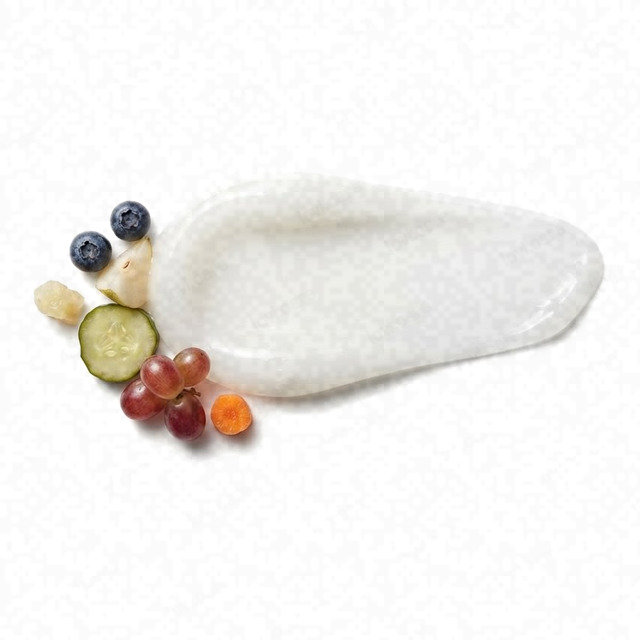 Pha Polyhydroxy Acid
 Glycerin
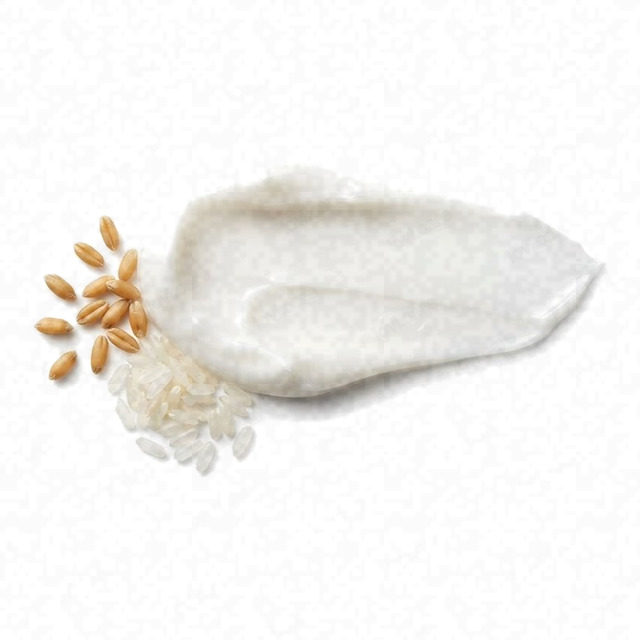 Ceramide Np
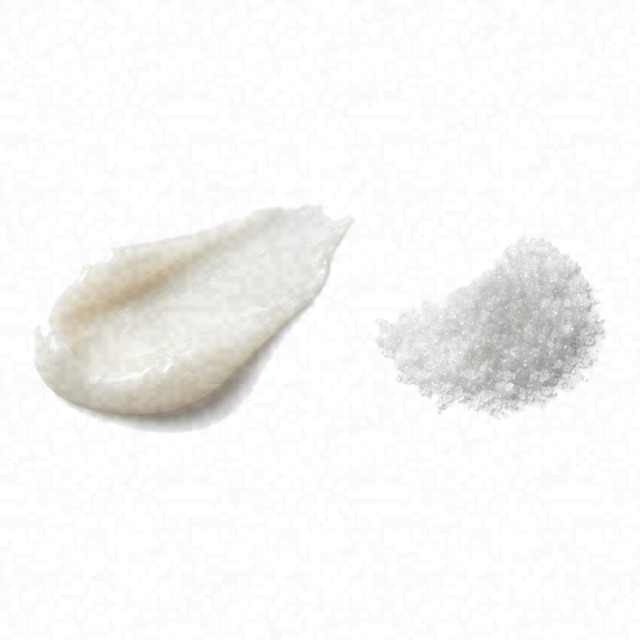 2-Mercaptonicotinoyl Glycine
High
- HighNormal Skin Fit
- HighEffectiveness
- HighSafety
One of the best products for sensitive skin.
This fit is calculated for the concerns frequently associated with sensitive skin: redness, stinging, and reactions to new products. For scores and recommendations based on your full skin profile, including your 12D face scan results and any goals or preferences you have, please use the Lovi app.
Page built Nov 8, 2026How the Fit score works
Lovi Assistant explains
- Offers excellent exfoliation for your normal skin due to gluconolactone and citric acid, which smooth texture and provide mild chemical exfoliation for redness and irritation.
- Niacinamide and ceramides further support your skin barrier and offer mild keratolytic action, enhancing overall skin health.
- The formulation is safe for your sensitive skin, as it lacks harsh ingredients and minimizes irritation risks.
How to apply
- Use your exfoliant PM once a week to help with redness and irritation. Start slowly and only increase frequency if your skin feels happy and comfortable.
- Apply the exfoliant after cleansing and toner , but always before your moisturizer . This ensures the product absorbs properly into the skin.
- Gently press 2-3 drops of the exfoliant into your skin without rubbing . Let it absorb for a minute before moving on.
- Since your skin is sensitive , apply the exfoliant on completely dry skin for the best tolerance. This helps prevent any extra stinging or discomfort.
- Always do a patch test before your first use and avoid the delicate eye area .
People Say
★4.6Overall rating based on 800+ reviewsUsers with hyperpigmentation and dullness frequently praise this cleanser for its ability to gently exfoliate and smooth skin texture without stripping moisture. While many report a brighter, more radiant complexion, a subset of users with stubborn dark spots found it ineffective or were put off by its fragrance and residual film.
Highlights
Gentle and non-drying Mostly Mentioned
- “cleans without stripping”
- “no tight feeling”
- “gentle on sensitive skin”
- “skin feels soft”
Pleasant usage experience Often Mentioned
- “foams up well”
- “feels refreshing”
- “little goes a long way”
- “luxurious lather”
Smoothes skin texture Often Mentioned
- “skin feels smoother”
- “soft to the touch”
- “helps with texture”
- “gentle exfoliation”
Brightens complexion Sometimes Noted
- “skin looks brighter”
- “radiant glow”
- “tone looks more uniform”
- “less opaque”
Ineffective on spots Sometimes Noted
- “did nothing”
- “no difference visible”
- “dark spots remained”
- “0/10 results”
Caused irritation Rarely Noted
- “did not suit skin”
- “caused breakouts”
- “skin felt sensitized”
- “redness after use”
Leaves a film Rarely Noted
- “leaves weird film”
- “sticky residue”
- “feels like a coating”
- “hard to rinse”
Strong fragrance Rarely Noted
- “fragranced trash”
- “smell is overpowering”
- “dislike the scent”
- “too much perfume”
Sources: lovi.care, laroche-posay.ca, laroche-posay.co.uk, lovelyskin.com, skinmiles.com, reddit.com, and more
Questions and answers
What makes Mela B3 Brightening Micro-Peeling Gel a great fit for sensitive skin?
La Roche-Posay Mela B3 Brightening Micro-Peeling Gel is a great fit for sensitive skin because it gently smooths texture using mild acids while avoiding harsh ingredients that trigger irritation. Niacinamide and ceramides help support your skin barrier for a calm, comfortable feel.
Which ingredients make this exfoliant a good fit for sensitive skin?
Gluconolactone and citric acid make this exfoliant a good fit by gently smoothing texture while minimizing irritation risks on sensitive skin. Niacinamide and ceramides further support your skin barrier to keep your face feeling calm and comfortable.
What does Niacinamide do for sensitive skin?
Niacinamide helps calm sensitive skin by strengthening the skin barrier and reducing redness and irritation. It is very well tolerated and may improve overall comfort and resilience with regular use.
What does Polyhydroxy Acid do for sensitive skin?
Polyhydroxy Acid helps smooth and soften sensitive skin while keeping irritation very low because it is extremely gentle and well tolerated. It provides anti-aging benefits similar to stronger acids while helping maintain your skin barrier without stinging.
Where does this exfoliant go in a skincare routine for sensitive skin?
This exfoliant fits into an evening routine, starting at once a week because it helps smooth texture safely without irritation. It is unlikely to cause trouble on sensitive skin since it leaves out harsh ingredients and includes gentle components like niacinamide and glycerin.
Can I use this exfoliant with retinol, and in what order?
You can use this exfoliant in your evening routine, but it is best to alternate nights with your retinol to prevent irritation. This formula features gentle ingredients like polyhydroxy acid and niacinamide that help smooth texture while keeping your skin calm.
How often should I use this exfoliant?
Start by using this exfoliant once a week in your evening routine, and carefully use it more often only if your skin tolerates it well. This gradual approach helps smooth texture while minimizing irritation risks for sensitive skin.
Can this exfoliant clog pores, cause breakouts or purging for sensitive skin?
This gentle exfoliant is a great fit for sensitive skin and is unlikely to clog pores or cause irritation, as it uses mild polyhydroxy acids and soothing ingredients that keep your skin calm and smooth.
Is this exfoliant fragrance-free and alcohol-free?
It has no drying alcohol and contains fragrance (parfum).
What the research says
A polyhydroxy acid skin care regimen provided antiaging benefits comparable to an alpha-hydroxyacid regimen while demonstrating enhanced mildness and better tolerance in subjects.
Cutis, 2004Combining 10% gluconolactone chemical peeling with oxybrasion or microneedle mesotherapy increased skin hydration and decreased sebum, pH, and TEWL in twenty-one Caucasian women, with no significant differences between the two methods.
Skin Research and Technology, 2023Lactobionic acid produced better skin performance with a lack of skin irritation and barrier impairment compared to glycolic acid in 77 healthy volunteers.
Journal of Cosmetic Dermatology, 2010Topical post-laser application of human adipocyte-derived mesenchymal stem cell media combined with niacinamide significantly improved wrinkle index, melanin index, patient satisfaction, and investigator esthetic improvement scores compared to vehicle cream in patients with aging skin.
Journal of Cosmetic Dermatology, 2021Topical nicotinamide prevented solar-simulated UV-induced immunosuppression in healthy volunteers, and men experienced immunosuppression at solar-simulated UV doses three times lower than those required for women.
The Journal of Investigative Dermatology, 2008Topical 5% niacinamide applied twice daily for 12 weeks reduced fine lines and wrinkles, hyperpigmented spots, red blotchiness, and skin sallowness, and improved skin elasticity compared to vehicle control in 50 female white subjects with facial photoaging.
Dermatologic Surgery, 2005A single application of a moisturizing fluid containing hyaluronic acid 1%, glycerin 5%, and Centella asiatica stem cells extract significantly increased skin hydration by 29% and reduced transepidermal water loss at 24 hours compared to baseline and an untreated control site in twenty healthy women.
Clinical, Cosmetic and Investigational Dermatology, 2017The emollient V0034CR significantly reduced TEWL compared to vehicle and vehicle plus glycerol, and significantly increased corneometry scores compared to vehicle and vehicle plus petrolatum in healthy volunteers with dry skin, demonstrating combined barrier function improvement from petrolatum and hydration improvement from glycerol.
Journal of Cosmetic Dermatology, 2020Ten days of treatment with a cream containing 20% glycerin significantly increased skin hydration measured by corneometer values in 17 healthy volunteers compared to a placebo cream, but showed no influence on transepidermal water loss or skin sensitivity to an irritating surfactant.
International Journal of Cosmetic Science, 2001Treatment with 2-mercaptonicotinoyl glycine (2-MNG) significantly reduced immediate darkening and inhibited new melanin production in subjects with melanin-rich skin compared to vehicle controls.
Journal of Cosmetic Dermatology, 20242-mercaptonicotinoyl glycine 0.5% ranked first with a high probability of immediate and persistent efficacy against UV daylight-induced pigmentation compared with 13 other reference molecules in women with skin phototype III.
Journal of the European Academy of Dermatology and Venereology, 2024Topical 2-mercaptonicotinoyl glycine (0.5% or 1%) significantly decreased high energy visible light-induced pigmentation compared to vehicle in 58 individuals with Fitzpatrick Phototype III or IV, whereas ascorbic acid 7% showed no efficacy.
Frontiers in Pharmacology, 2025
Ingredients
Water, Glycerin, Coco-Betaine, Propanediol, Sodium Cocoyl Glycinate, Peg-120 Methyl Glucose Dioleate, Sodium Hydroxide, Sodium Chloride, Citric Acid, Gluconolactone, Ceramide Np, Niacinamide, 2-Mercaptonicotinoyl Glycine, Sodium Thiosulfate, Disodium Edta, Capryloyl Glycine, Caprylyl Glycol, Trisodium Ethylenediamine Disuccinate, Pentylene Glycol, Acrylates Copolymer, Tocopherol, Tocopheryl Acetate, Parfum
Behind this fit score
Lovi calculates every fit score from the full ingredient list with brand-independent rules our dermatologists and cosmetic chemists build and review, and personalizes every pick with AI trained on the real results of millions of users. Lovi trains its fit score models on a proprietary dataset built from more than 10,000 expert-labeled products and more than 100,000 simulated examples, following an internally consistent methodology presented at Cosmoprof, AMWC, and Skin of Color Update.
-

Co-founder, Medical Director
Cosmetic chemist, cosmetologist, aesthetic products developer
-

Co-founder, CEO and CTO
PhD in computer science, 3x US patent holder, ex-Google, ex-Yandex
-

Dr. Sofía Perea Pérez, MD, MSc
Medical Board
Aesthetic medicine practitioner, MSc in Longevity and Anti-Aging Medicine
-

Medical Board
Specialist dermatologist, MBBS, MD, IFAAD
-

Medical Board
Cosmetic chemist, SCS, IFSCC member
-

Medical Board, Medical Advisor
Dermatology MD
-

Elina Nazarenko, MD
Medical Board
Dermatology and diagnostic consultant
-

Victoria Derkova, MS
Medical Board
Cosmetic chemist, cosmetic development technologist


How does it fit your skin?
Scan your face, then any product: Lovi shows how well it fits you and what fits even better.