innisfree Green Tea Seed Serum for acne-prone skin

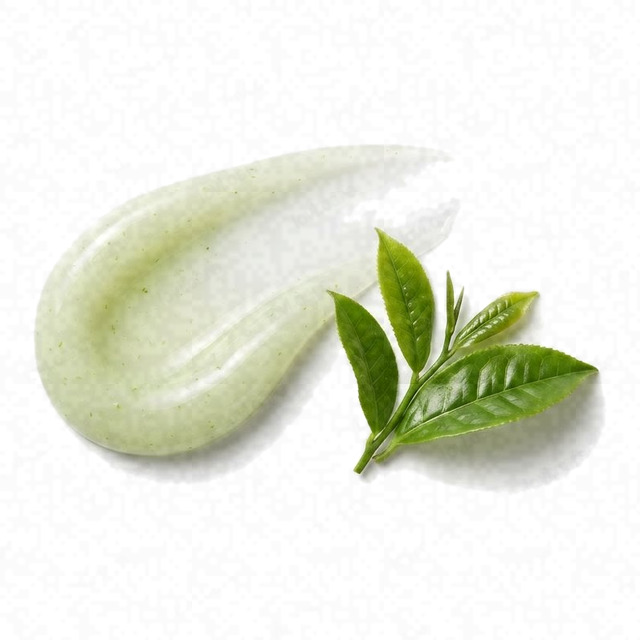 Camellia Sinensis Extract
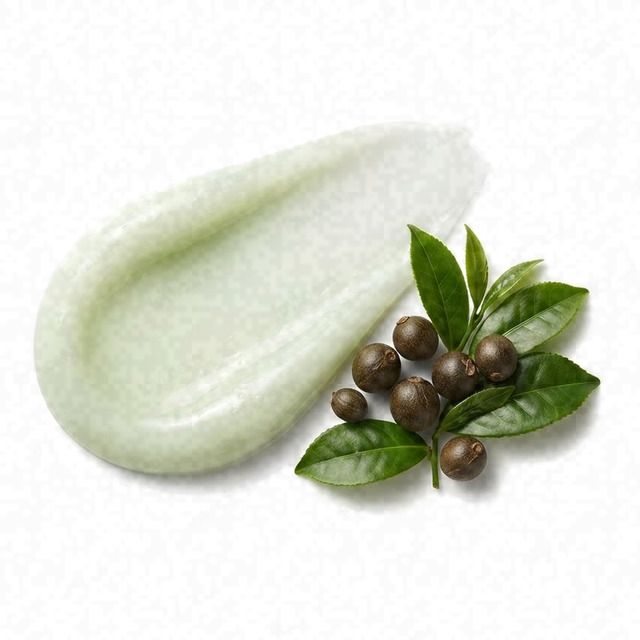 Camellia Sinensis Seed Oil
 Niacinamide
 Sodium Hyaluronate
 Squalane
High
- HighCombination Skin Fit
- HighEffectiveness
- ExcellentSafety
A great choice for acne-prone skin; a few moisturizers fit it even better.
This fit is calculated for the concerns frequently associated with acne-prone skin: breakouts, blackheads, and post-acne marks. For scores and recommendations based on your full skin profile, including your 12D face scan results and any goals or preferences you have, please use the Lovi app.
Page built Nov 8, 2026How the Fit score works
Lovi Assistant explains
- Highly suitable for your combination skin, this serum features niacinamide and saccharide isomerate to provide excellent humectant action and support barrier repair, addressing your concerns with acne, blemishes, and breakouts.
- Glycerin and Camellia Sinensis Leaf Extract further contribute to moisturizing and smoothing your skin's texture, enhancing its overall appearance.
- The safety profile is excellent, with no risks of irritation due to the absence of harsh ingredients and the presence of soothing components like Camellia Sinensis Leaf Extract and Niacinamide.
How to apply
- Use your moisturizer twice a day in your AM and PM routines. Apply it daily to help keep breakouts under control.
- Apply after your cleanser and toner, and make sure to use your SPF right after in the morning.
- Gently spread a small amount of moisturizer over your face using soft motions. Let it absorb into the skin for a minute before getting dressed or applying makeup.
- Apply on slightly damp skin to help lock in extra moisture. This keeps your combination skin balanced without feeling heavy.
- Avoid the eye area and do a patch test before your first use. Stop using if you feel any irritation.
People Say
★4.5Overall rating based on 1.0k+ reviewsBased on a very large amount of data, this lightweight, watery serum is widely praised for its ability to provide instant hydration without leaving a greasy residue, making it ideal for oily, combination, and dehydrated skin types. However, users with sensitive or very dry skin frequently find it insufficient or irritating due to the presence of fragrance and alcohol.
Highlights
Lightweight, fast absorbing Mostly Mentioned
- “Absorbs almost instantly”
- “Watery texture that sinks right in”
- “Doesn't leave skin feeling greasy or oily”
Good for oily/combo Often Mentioned
- “Perfect for my oily t-zone”
- “Hydrates without clogging pores”
- “Balances oil levels nicely”
Hydrating, plumping Often Mentioned
- “Instantly replenishes moisture”
- “Leaves skin soft and glowing”
- “Helps with that dry tight feeling”
Strong fragrance Often Mentioned
- “Scent hits you in the face”
- “Too perfumey for skincare”
- “Smell is overpowering and lingers”
Layers well Sometimes Noted
- “Great under makeup”
- “Layers nicely with other serums”
- “No pilling under sunscreen”
Pleasant scent Sometimes Noted
- “Smells fresh and spa-like”
- “Refreshing green tea scent”
- “Love the citrusy floral fragrance”
Contains alcohol Sometimes Noted
- “Can be drying due to alcohol”
- “Stung my sensitive skin”
- “Avoid if you have a damaged barrier”
Not moisturizing enough Sometimes Noted
- “Need a thick cream on top”
- “Disappeared into my dry skin with no effect”
- “Not enough for winter months”
Caused breakouts Rarely Noted
- “Woke up with small whiteheads”
- “Caused redness and flushing”
- “Broke me out after a week”
Sources: lovi.care, iherb.com, spacenk.com, yesstyle.com, reddit.com, sephora.co.uk, and more
Questions and answers
What makes innisfree Green Tea Seed Serum a great fit for acne-prone skin?
This serum is a great fit because it uses niacinamide and saccharide isomerate to keep acne-prone skin hydrated while helping repair its barrier. It also features soothing green tea extract and glycerin, which leave the skin calm and smooth without causing irritation.
The Journal of Dermatological Treatment, 2025Lasers in Medical Science, 2025
Which ingredients make this serum a good fit for acne-prone skin?
This serum is a great fit for your acne-prone skin because it features niacinamide, saccharide isomerate, glycerin, and green tea leaf extract. These ingredients help moisturize your skin, smooth its texture, and support barrier repair while keeping irritation unlikely.
The Journal of Dermatological Treatment, 2025Lasers in Medical Science, 2025
What does Green Tea Extract do for acne-prone skin?
Green tea extract helps calm acne-prone skin and reduces both inflammatory and non-inflammatory breakouts. It may also help lower excess oil production to keep your skin clearer.
Phytotherapy Research, 2021Archives of Dermatological Research, 2020
What does Camellia Sinensis Seed Oil do for acne-prone skin?
Camellia Sinensis Seed Oil is unlikely to cause irritation and may help soothe inflammation for acne-prone skin. However, since this is a rich plant oil, acne-prone skin generally needs lightweight formulas packed with soothing and balancing ingredients rather than heavy oils.
Where does this serum go in a skincare routine for acne-prone skin?
This serum goes in the evening routine as a treatment step after cleansing and before moisturizing, which keeps it simple and safe around sun exposure. It helps calm and smooth acne-prone skin with a very low likelihood of irritation.
Can I use it with retinol, and in what order?
You can use this serum with retinol, applying the serum first to help calm and hydrate your skin before using retinol. Using a barrier-supporting moisturizer alongside retinoids is unlikely to cause irritation and may help reduce dryness and flaking.
How often should I use this serum?
You can use this serum in the evening as part of your daily routine, and some people may also use it in the morning or twice a day. Daily application helps keep your skin moisturized and supports skin barrier repair.
Can it clog pores, cause breakouts or purging for acne-prone skin?
This serum is a great fit for acne-prone skin because it contains niacinamide and green tea extract to help calm breakouts and support skin barrier repair. It is unlikely to cause irritation due to its very safe makeup, though a few reviewers have occasionally reported breakouts.
Can I use this serum around the eyes or on my body?
Yes, you can use this moisturizing treatment around the eyes and on the body because its gentle formula is well tolerated by delicate areas. The skin on the body and around the eyes may benefit from its soothing and hydrating ingredients without the risk of irritation.
Is it fragrance-free and alcohol-free?
It contains fragrance (parfum, linalool, and limonene) and drying alcohol (alcohol denat).
What the research says
A novel moisturizer containing saccharide isomerate accelerates skin barrier recovery, improves hydration, reduces erythema, and alleviates discomfort compared to a control moisturizer following intense pulsed light treatment in subjects with skin aging.
The Journal of Dermatological Treatment, 2025A combination cream of stimu-tex AS and saccharide isomerate reduced erythema, increased skin capacitance, and reduced transepidermal water loss compared to placebo in 20 subjects after fractional CO2 laser procedure without causing serious adverse events.
Lasers in Medical Science, 2025Topical application of (-)-epigallocatechin-3-gallate (EGCG) to human skin before UV irradiation decreases UV-induced production of hydrogen peroxide by 68-90% and nitric oxide by 30-100%, inhibits leukocyte infiltration and lipid peroxidation by 41-84%, and restores glutathione levels and glutathione peroxidase activity compared to UV exposure alone.
Carcinogenesis, 2001Application of green tea extracts on normal human skin resulted in dose-dependent inhibition of UV-evoked erythema, reduced sunburn cells, protected Langerhans cells, and decreased UV-induced DNA damage compared to untreated UV-exposed skin.
Journal of the American Academy of Dermatology, 2001Topical green tea extract significantly improved clinical symptoms, tear breakup times, and meibomian gland health compared to standard treatment in patients with dry eye and Meibomian Gland Dysfunction.
Journal of Clinical and Diagnostic Research, 2017Topical low-dose green tea extract reduces UVB-induced p53 expression and apoptosis in human skin keratinocytes compared to placebo.
Experimental Dermatology, 2009An anti-acne hydrogel containing Aloe barbadensis, Garcinia mangostana, and Camellia sinensis extracts showed superior antiacne and antiblotch activities compared to 1% clindamycin gel in sixty subjects with mild-moderate acne.
Clinical, Cosmetic and Investigational Dermatology, 2019Tea seed oil makeup remover successfully removed foundation and eyeliner without causing skin irritation in 20 human volunteers, with the 60% formulation showing superior foundation removal compared to other formulations and an olive oil benchmark.
Annales Pharmaceutiques Francaises, 2017Tea seed oil loaded nanostructured lipid carriers prepared with a combination of surfactants (NLC-C) showed significantly greater nontoxicity and hair growth-stimulating effects on human follicle dermal papilla cells compared to intact oil, while improving the sensory and diffusion properties of the hair serum.
Pharmaceutics, 2022Topical post-laser application of human adipocyte-derived mesenchymal stem cell media combined with niacinamide significantly improved wrinkle index, melanin index, patient satisfaction, and investigator esthetic improvement scores compared to vehicle cream in patients with aging skin.
Journal of Cosmetic Dermatology, 2021Topical nicotinamide prevented solar-simulated UV-induced immunosuppression in healthy volunteers, and men experienced immunosuppression at solar-simulated UV doses three times lower than those required for women.
The Journal of Investigative Dermatology, 2008Topical 5% niacinamide applied twice daily for 12 weeks reduced fine lines and wrinkles, hyperpigmented spots, red blotchiness, and skin sallowness, and improved skin elasticity compared to vehicle control in 50 female white subjects with facial photoaging.
Dermatologic Surgery, 2005Topical application of 0.1% hyaluronic acid formulations of different molecular weights led to significant improvements in skin hydration and elasticity, with low-molecular-weight formulations also significantly reducing wrinkle depth in seventy-six female subjects compared to a vehicle control.
Journal of Drugs in Dermatology, 2011Topical application of hyaluronic acid in conjunction with free gingival graft significantly reduced donor site postoperative pain until day 7 compared to normal saline, with no significant differences in graft dimensions or patient satisfaction.
Clinical Oral Investigations, 2022Treatment with a hyaluronic acid-containing mouth rinse or topical gel led to significant lesion reduction, pain relief, and normalization of lesion color in adult patients with minor recurrent aphthous stomatitis, with the gel formulation showing an earlier healing onset at 3 days.
BMC Oral Health, 2019Squalane at 0.005-0.015% counteracts UVA-induced oxidative stress, inflammation, and collagen metabolism inhibition while stimulating fibroblast migration in human dermal fibroblasts.
Molecules, 2025Plant-derived squalane protected human dermal fibroblasts against UVA-induced damage by counteracting ROS formation, suppressing apoptosis-related proteins p53, caspase-3, caspase-9, and PARP, and restoring the pro-survival p-Akt/mTOR pathway.
Antioxidants, 2025
Ingredients
Water, Propanediol, Glycerin, Alcohol Denat, 1,2-Hexanediol, Trehalose, Niacinamide, Betaine, Saccharide Isomerate, Camellia Sinensis Seed Oil, Cetearyl Olivate, Hydrogenated Lecithin, Sorbitan Olivate, Acrylates C10-30 Alkyl Acrylate Crosspolymer, Lactobacillus Lysate Ferment, Butylene Glycol, Squalane, Panthenol, Hydroxyethyl Acrylate Sodium Acryloyldimethyl Taurate Copolymer, Tromethamine, Allantoin, Ceratonia Siliqua Gum, Ethylhexylglycerin, Disodium Edta, Parfum, Dipotassium Glycyrrhizate, Camellia Sinensis Leaf Extract, Sodium Hyaluronate, Dextrin, Theobroma Cacao Extract, Ethyl Ascorbyl Ether, Sorbitan Isostearate, Sodium Citrate, Citric Acid, Linalool, Limonene, Poloxamer 235, Sucrose, Lactic Acid, Epigallocatechin Gallate, Ethoxydiglycol, Tocophersolan, Poloxamer 338, Hydrolyzed Hyaluronic Acid, Sodium Hyaluronate Crosspolymer, Caprylyl Glycol, Sodium Acetylated Hyaluronate
Behind this fit score
Lovi calculates every fit score from the full ingredient list with brand-independent rules our dermatologists and cosmetic chemists build and review, and personalizes every pick with AI trained on the real results of millions of users. Lovi trains its fit score models on a proprietary dataset built from more than 10,000 expert-labeled products and more than 100,000 simulated examples, following an internally consistent methodology presented at Cosmoprof, AMWC, and Skin of Color Update.
-

Co-founder, Medical Director
Cosmetic chemist, cosmetologist, aesthetic products developer
-

Co-founder, CEO and CTO
PhD in computer science, 3x US patent holder, ex-Google, ex-Yandex
-

Dr. Sofía Perea Pérez, MD, MSc
Medical Board
Aesthetic medicine practitioner, MSc in Longevity and Anti-Aging Medicine
-

Medical Board
Specialist dermatologist, MBBS, MD, IFAAD
-

Medical Board
Cosmetic chemist, SCS, IFSCC member
-

Medical Board, Medical Advisor
Dermatology MD
-

Elina Nazarenko, MD
Medical Board
Dermatology and diagnostic consultant
-

Victoria Derkova, MS
Medical Board
Cosmetic chemist, cosmetic development technologist


How does it fit your skin?
Scan your face, then any product: Lovi shows how well it fits you and what fits even better.