Hero Cosmetics Mighty Patch Invisible+ for oily acne-prone skin

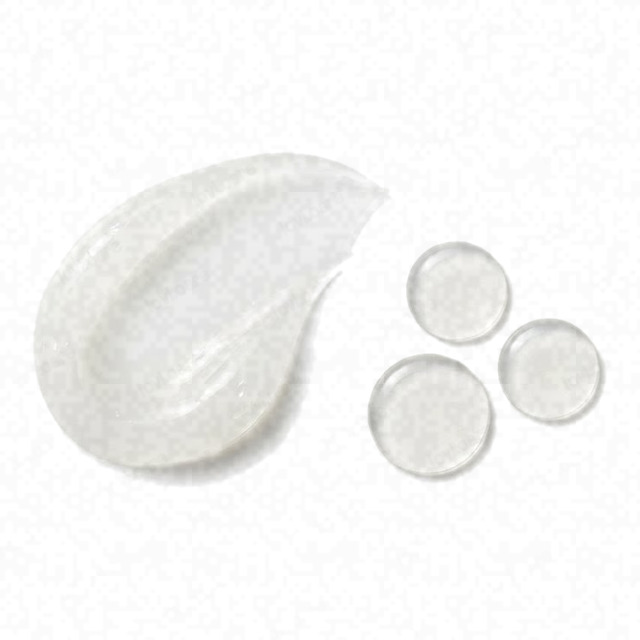 Hydrocolloid
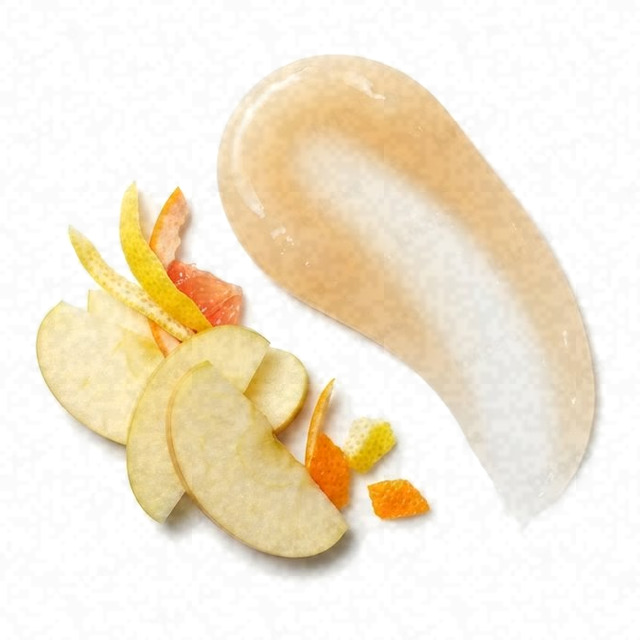 Pectin May Not Be Suitable For Those Allergic
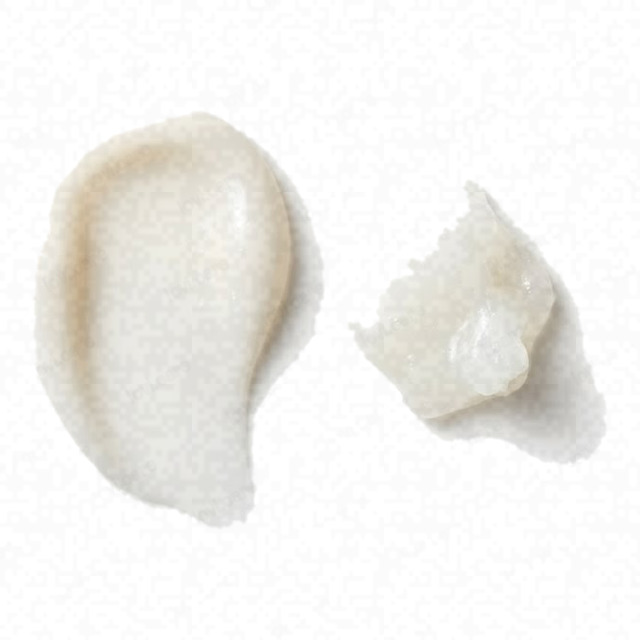 Rubber May Not Be Suitable For Those Allergic
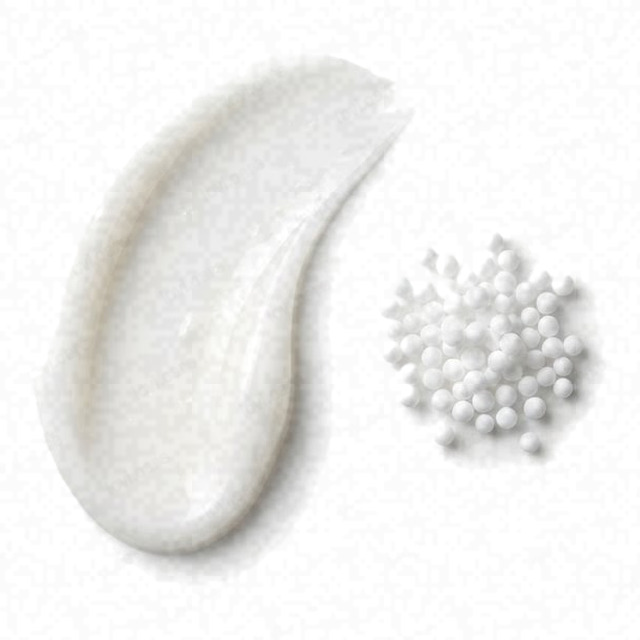 Latex-Free Formulation
Average
- AverageOily Skin Fit
- AverageEffectiveness
- HighSafety
Works for oily acne-prone skin; other serums fit it better.
This fit is calculated for the concerns frequently associated with oily acne-prone skin: shine, breakouts, blemishes, and enlarged pores. For scores and recommendations based on your full skin profile, including your 12D face scan results and any goals or preferences you have, please use the Lovi app.
Page built Nov 8, 2026How the Fit score works
Lovi Assistant explains
- Offers moderate suitability for your oily skin as the hydrocolloid effectively absorbs excess sebum and protects blemishes, though it lacks specialized ingredients for comprehensive oil control.
- While the hydrocolloid provides general skincare benefits like hydration and protection, these are mostly supportive and not directly targeting your acne, blemishes, and breakouts.
- The product is safe for your oily skin, with no risks of irritation due to the absence of prohibited or harsh ingredients.
How to apply
- Could be used as part of your PM routine. Start 3 times a week and build up to daily use if your skin tolerates it well.
- Apply your serum after cleansing and toning, but before putting on your moisturizer.
- Gently press 2 to 3 drops of the serum into your skin and let it absorb for a minute.
- Apply the serum on clean, dry skin to help manage your blemishes safely.
- Do a patch test before your first use and avoid the delicate eye area.
People Say
★4.8Overall rating based on 1.6k+ reviewsBased on a very large amount of data, users consistently praise the patch for being exceptionally thin and matte, making it effective for daytime use to conceal and treat active whiteheads without being noticeable. While highly effective at absorbing "gunk" and flattening ruptured pimples overnight, it is less effective on deep, cystic, or non-ruptured acne.
Highlights
Effective extraction Mostly Mentioned
- “Sucks out gunk”
- “satisfying white spot”
- “flattens pimples overnight”
- “reduces redness”
- “speeds up healing”
Virtually undetectable Mostly Mentioned
- “Whisper-thin”
- “seamlessly tapered edges”
- “blends into skin”
- “matte finish”
- “invisible on Zoom”
Prevents picking Often Mentioned
- “Stops me from touching”
- “protective barrier”
- “keeps bacteria out”
- “prevents scarring”
- “shields from makeup”
Limited effectiveness Often Mentioned
- “Useless on cystic acne”
- “needs a whitehead”
- “didn't work on blind pimples”
- “requires popped zit”
- “no effect on blackheads”
Gentle on skin Sometimes Noted
- “Non-irritating”
- “good for sensitive skin”
- “no harsh chemicals”
- “pain-free removal”
- “doesn't dry skin”
Strong adhesion Sometimes Noted
- “Stays on all day”
- “doesn't budge”
- “survives sleeping”
- “sticks through sweat”
- “comfortable to wear”
High price point Sometimes Noted
- “Expensive per patch”
- “pricier than original”
- “not enough for the price”
- “cost adds up”
- “luxury price point”
Inconsistent quality Rarely Noted
- “Recent batch shiny”
- “changed formula”
- “stiff plastic feel”
- “residue left behind”
- “quality declined”
Size limitations Rarely Noted
- “Too small for clusters”
- “need more large sizes”
- “tiny dots are hard to handle”
- “hard to peel off backing”
- “easy to lose”
Visibility issues Rarely Noted
- “Shiny under light”
- “visible on dark skin”
- “makeup looks cakey over it”
- “white spot is obvious”
- “edges can lift”
Sources: lovi.care, ulta.com, target.com, amazon.com, herocosmetics.us, skinsort.com, and more
Questions and answers
How well does Mighty Patch Invisible+ work for oily acne-prone skin?
This patch works moderately well for your oily skin because the hydrocolloid absorbs excess oil and protects blemishes, though it lacks specialized ingredients to directly target acne. It is safe and unlikely to cause irritation, but treatments for this skin need ingredients like niacinamide, propolis, benzoyl peroxide, or Vitamin C to better control oil and treat breakouts.
Which ingredients make this patch a good fit for oily acne-prone skin?
Hydrocolloid and pectin make this patch a good fit for oily acne-prone skin by absorbing excess oil and protecting blemishes while keeping skin safe from irritation. However, an acne treatment for this skin needs ingredients like niacinamide, propolis, benzoyl peroxide, or Vitamin C to actively target breakouts and control oil.
What does Hydrocolloid do for oily acne-prone skin?
Hydrocolloid helps calm oily acne-prone skin by reducing overall acne severity, inflammation, redness, oiliness, dark spots, and sebum levels. It provides an effective covering that supports healing and protects the skin.
What does Pectin do for oily acne-prone skin?
Pectin helps keep oily acne-prone skin protected by creating a gentle, breathable layer on the surface that supports healing and delivers active ingredients steadily. To truly care for this skin type, products need soothing, lightweight ingredients that calm irritation and balance oil without clogging pores.
Materials Science & Engineering. C, Materials for Biological Applications, 2019
Where does this patch go in a skincare routine for oily acne-prone skin?
This patch goes in the evening routine after cleansing and before moisturizing, though it works only moderately well for oily acne-prone skin because it lacks specialized ingredients for oil control. Oily acne-prone skin needs targeted active ingredients to effectively manage blemishes and breakouts along with oil-balancing components.
Can I use this patch with retinol, and in what order?
You can use this patch with retinol by applying the retinol first and placing the patch over clean, dry skin after the retinol has fully absorbed. This patch is unlikely to cause irritation when combined with retinol, though products designed for oily acne-prone skin often need specialized ingredients for oil control and blemish targeting.
How often should I use this patch?
Apply this patch in the evening as part of your routine to protect blemishes and absorb excess oil, while avoiding it if you are allergic to pectin or rubber. Oily acne-prone skin needs a treatment that also includes targeted oil-control ingredients and active blemish fighters to properly manage breakouts.
Can this patch clog pores, cause breakouts or purging for oily acne-prone skin?
This patch is unlikely to clog pores or cause breakouts on oily skin, as it has a safe formula without harsh ingredients. However, because it lacks specialized ingredients for oil control, oily acne-prone skin often needs products with dedicated blemish-fighting ingredients and oil-balancing agents.
What the research says
Daily application of hydrocolloid dressing completely prevented nasogastric tube-related pressure injuries, whereas skin care interventions showed no significant preventive effect compared to the control group in intensive care unit patients.
Journal of Tissue Viability, 2024Hydration of scars for 2 months resulted in significantly reduced itching, somewhat reduced pain, and increased pliability by 10% for both hydrocolloid dressing and moisturizer treatments in patients with keloids or hypertrophic scars, with no change in physical parameters.
Dermatologic Surgery, 1996Adjunctive hydrocolloid dressing with 0.1% mometasone furoate cream significantly increased treatment efficacy and cost-effectiveness compared to topical steroid alone in patients with moderate to severe lichen simplex chronicus.
Skin Health and Disease, 2023Cell-instructive pectin hydrogels crosslinked via thiol-norbornene photo-click chemistry support dermal fibroblast encapsulation and keratinocyte adhesion to form a compact epidermis mimicking native skin architecture.
Acta Biomaterialia, 2018Topical application of allantoin-enriched pectin hydrogel improves wound contraction, reducing total healing time by around 71.43% and reaching total wound closure in 15 days in a rat model.
International Journal of Molecular Sciences, 2023Loading manuka honey polar fraction into pectin/chitosan glutamate/hyaluronic acid mini-capsules increased cell proliferation compared to unloaded capsules, exhibited antimicrobial activity against Staphylococcus aureus and Streptococcus pyogenes, and improved wound healing in a rat wound model.
International Journal of Pharmaceutics, 2017A biocompatible anti-aging face mask prepared with curcumin and natural rubber preserved antioxidant activity, showed safe cytotoxicity and hemolysis profiles, and released curcumin effectively.
International Journal of Biological Macromolecules, 2023Natural latex serum stimulated keratinocyte migration/proliferation in vitro and significantly accelerated wound healing with higher re-epithelialization and reduced crust thickness in rats compared to saline or an antiseptic solution.
Anais Brasileiros de Dermatologia, 2020The Hancornia speciosa latex biomembrane is non-toxic to fibroblast cells and stimulates inflammatory cells, angiogenesis, and collagenesis, improving the quality of skin healing in mice.
Journal of Biomedical Materials Research. Part B, Applied Biomaterials, 2021Topical silicone gel significantly reduced scar pigmentation, height, and pliability scores postoperatively compared with placebos or no treatment in patients, while showing comparable efficacy to silicone gel sheets and other non-silicone topical treatments.
International Wound Journal, 2020Silicone particles encapsulating retinol increased its half-life by 9-fold and yielded 12-23% lower skin irritation in human subjects compared to Microsponge particles while maintaining biological activity.
Journal of Controlled Release, 2018Silicone gel sheeting may result in a slight reduction in pain compared with no treatment and a slight reduction in scar severity compared with topical onion extract in people with hypertrophic scars, but the certainty of evidence is low to very low.
The Cochrane Database of Systematic Reviews, 2021
Why other serums fit oily acne-prone skin better
Adapalene 0.1%-benzoyl peroxide 2.5% fixed-dose combination gel provided significantly greater, synergistic efficacy and a faster onset of action compared with the vehicle, adapalene monotherapy, and benzoyl peroxide monotherapy in patients with acne vulgaris.
The British Journal of Dermatology, 2009Topical benzoyl peroxide 5% gel treatment improved acne severity, sebum, stratum corneum hydration, and transepidermal water loss, while significantly reducing microbial diversity and the prevalence of Cutibacterium in 33 patients with acne vulgaris.
Dermatologic Therapy, 2022A cream combining propolis, tea tree oil, and Aloe vera reduced erythema scars, acne severity index, and total lesion count better than erythromycin cream in sixty patients with mild to moderate acne vulgaris compared to placebo.
Clinical Pharmacology, 2018
Ingredients
Hydrocolloid, May Not Be Suitable For People Who Are Allergic To Pectin, Rubber, Latex-Free
Behind this fit score
Lovi calculates every fit score from the full ingredient list with brand-independent rules our dermatologists and cosmetic chemists build and review, and personalizes every pick with AI trained on the real results of millions of users. Lovi trains its fit score models on a proprietary dataset built from more than 10,000 expert-labeled products and more than 100,000 simulated examples, following an internally consistent methodology presented at Cosmoprof, AMWC, and Skin of Color Update.
-

Co-founder, Medical Director
Cosmetic chemist, cosmetologist, aesthetic products developer
-

Co-founder, CEO and CTO
PhD in computer science, 3x US patent holder, ex-Google, ex-Yandex
-

Dr. Sofía Perea Pérez, MD, MSc
Medical Board
Aesthetic medicine practitioner, MSc in Longevity and Anti-Aging Medicine
-

Medical Board
Specialist dermatologist, MBBS, MD, IFAAD
-

Medical Board
Cosmetic chemist, SCS, IFSCC member
-

Medical Board, Medical Advisor
Dermatology MD
-

Elina Nazarenko, MD
Medical Board
Dermatology and diagnostic consultant
-

Victoria Derkova, MS
Medical Board
Cosmetic chemist, cosmetic development technologist


How does it fit your skin?
Scan your face, then any product: Lovi shows how well it fits you and what fits even better.