doTERRA Facial Cleanser for combination skin

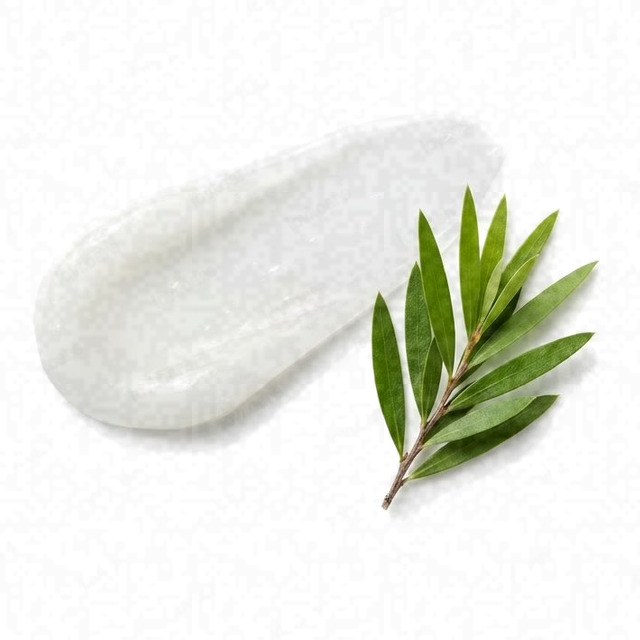 Melaleuca Alternifolia Tree Oil Leaf
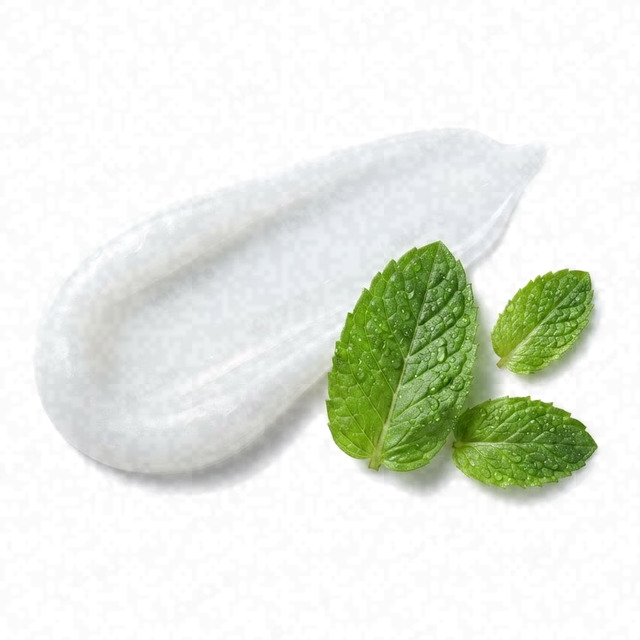 Peppermint Oil
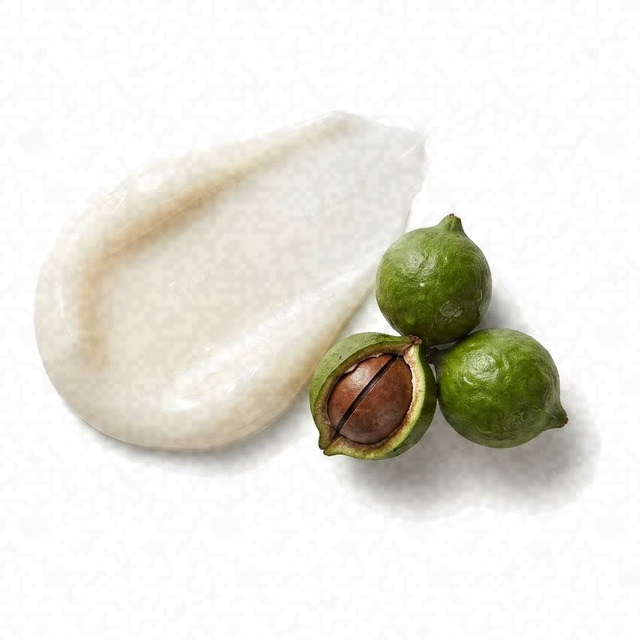 Macadamia Ternifolia Seed Oil
 Glycerin
 Sodium Cocoyl Isethionate
Average
- HighCombination Skin Fit
- AverageEffectiveness
- HighSafety
Works for combination skin; other cleansers fit it better.
This fit is calculated for the concerns frequently associated with combination skin: an oily T-zone, enlarged pores, and dry cheeks. For scores and recommendations based on your full skin profile, including your 12D face scan results and any goals or preferences you have, please use the Lovi app.
Page built Nov 8, 2026How the Fit score works
Lovi Assistant explains
- Offers moderate cleansing for your combination skin, as Sodium Cocoyl Isethionate and Quillaja Saponaria Bark Extract effectively remove impurities, while Melaleuca Alternifolia Tree Oil provides some benefit for oily shine.
- Glycerin and Sodium PCA offer humectant action, and Macadamia Ternifolia Seed Oil provides emollient benefits, contributing to overall skin hydration and balance for your combination skin type.
- The product is safe for your combination skin, with no risks of irritation due to the absence of prohibited or harsh ingredients.
How to apply
- Use this cleanser AM and PM as part of your daily routine. Start 3×/week and build up to daily use if your skin tolerates it well.
- Apply this cleanser as the very first step in your morning routine and right after your pre-cleanser in the evening.
- Gently massage a small amount of cleanser onto your skin using circular motions. Rinse thoroughly with lukewarm water.
- For the best results , apply the cleanser directly onto slightly damp skin to help lift away excess oil.
- Avoid the immediate eye area and do a patch test before your first use to check for any sensitivity.
Questions and answers
How well does doTERRA Facial Cleanser work for combination skin?
doTERRA Facial Cleanser works moderately well for combination skin by using Sodium Cocoyl Isethionate and Quillaja Saponaria Bark Extract to clean impurities and Melaleuca Alternifolia Tree Oil to help with oily shine. Glycerin and Sodium PCA add hydration while Macadamia Ternifolia Seed Oil softens dry areas, but a product of this type needs a more comprehensive blend of hydrating ingredients and beneficial extracts to fully balance both oily and dry zones without leaving gaps in care.
Which ingredients make this cleanser a good fit for combination skin?
Sodium Cocoyl Isethionate and Quillaja Saponaria Bark Extract help wash away impurities while Melaleuca Alternifolia Tree Oil helps tame oily shine. Glycerin and Sodium PCA keep skin hydrated, and Macadamia Ternifolia Seed Oil helps keep dry and oily zones balanced.
What does Tea Tree Oil do for combination skin?
Tea tree oil helps balance combination skin by decreasing excess oil and targeting blemishes without making dry areas worse. It is unlikely to cause irritation when used properly, and helps keep skin clear by fighting blemish-causing bacteria.
International Journal of Cosmetic Science, 2022Clinical Microbiology Reviews, 2006
What does Peppermint Oil do for combination skin?
Peppermint oil is unlikely to be a good fit for combination skin because its strong cooling and stimulating properties may easily upset sensitive areas and trigger irritation. Combination skin needs gentle, balanced care with soothing ingredients and lightweight hydration that treats dry and oily zones without causing redness.
Where does this cleanser go in a skincare routine for combination skin?
This cleanser goes in the morning and evening routine as the first or second step, right after a makeup remover at night. A cleanser of this type for combination skin needs gentle cleansing agents like sodium cocoyl isethionate, plus hydrating ingredients like glycerin and soothing oils to balance dry and oily areas without irritation.
Can I use this cleanser with retinol, and in what order?
You can use this cleanser with retinol by washing your face with it first before applying your retinol treatment. This cleanser is unlikely to cause irritation on your combination skin, but combination skin often needs added barrier support and balanced hydration to keep dry areas smooth while managing oily shine during retinol use.
How often should I use this cleanser?
You can use this cleanser twice a day in your morning and evening routines. A consistent routine using a mild cleanser helps improve overall skin condition while being gentle enough to avoid irritation.
Can this cleanser clog pores, cause breakouts or purging for combination skin?
This cleanser is unlikely to clog pores or cause breakouts for your combination skin, as it contains gentle cleansing ingredients that wash away impurities safely without harsh effects. To keep combination skin clear and balanced, a cleanser of this type needs mild purifying ingredients and light hydration like glycerin and macadamia seed oil.
Can I use this cleanser around the eyes or on my body?
You can use this cleanser on your body, but you should keep it away from the thin skin around your eyes to prevent irritation. To work better for combination skin, a cleanser of this type needs gentle ingredients that deeply hydrate dry areas while controlling oil without stripping moisture.
Is this cleanser fragrance-free and alcohol-free?
It has no drying alcohol and contains fragrance (benzyl alcohol and limonene). Cetearyl alcohol is a fatty alcohol, which soften the skin.
What the research says
A single application of a moisturizing fluid containing hyaluronic acid 1%, glycerin 5%, and Centella asiatica stem cells extract significantly increased skin hydration by 29% and reduced transepidermal water loss at 24 hours compared to baseline and an untreated control site in twenty healthy women.
Clinical, Cosmetic and Investigational Dermatology, 2017Sodium cocoyl isethionate micelles are too large to penetrate stratum corneum aqueous pores, resulting in significant steric hindrance that prevents skin barrier perturbation and explains its skin mildness.
Journal of Cosmetic Science, 2007A cream combining propolis, tea tree oil, and Aloe vera reduced erythema scars, acne severity index, and total lesion count better than erythromycin cream in sixty patients with mild to moderate acne vulgaris compared to placebo.
Clinical Pharmacology, 2018Tea tree oil nanoemulsion containing adapalene gel demonstrated significantly greater reductions in total, inflammatory, and non-inflammatory acne lesions as well as acne severity index compared to adapalene marketed gel in 100 patients with acne vulgaris over 12 weeks.
Archives of Dermatological Research, 2022Topical 5% tea tree oil gel significantly improved total acne lesions and acne severity index compared to placebo in 60 patients with mild to moderate acne vulgaris, showing 3.55 times and 5.75 times greater efficacy respectively.
Indian Journal of Dermatology, Venereology and Leprology, 2007Topical application of menthol-based cooling gel decreased intramuscular temperature by 1.9 °C and increased cutaneous blood flow by 0.3 ml/min in healthy males compared to placebo gel.
International Journal of Sports Physical Therapy, 2018Cooling skin temperature or applying topical menthol reduced histamine-induced itch intensity and flare diameters in healthy male volunteers.
Neuroscience Letters, 1995Topical 3.5% menthol gel decreased pain perception and resulted in 116.9% higher tetanic force compared to ice in 16 subjects with delayed onset muscle soreness.
International Journal of Sports Physical Therapy, 2012The emollient V0034CR significantly reduced TEWL compared to vehicle and vehicle plus glycerol, and significantly increased corneometry scores compared to vehicle and vehicle plus petrolatum in healthy volunteers with dry skin, demonstrating combined barrier function improvement from petrolatum and hydration improvement from glycerol.
Journal of Cosmetic Dermatology, 2020Ten days of treatment with a cream containing 20% glycerin significantly increased skin hydration measured by corneometer values in 17 healthy volunteers compared to a placebo cream, but showed no influence on transepidermal water loss or skin sensitivity to an irritating surfactant.
International Journal of Cosmetic Science, 2001Niacinamide/glycerin body moisturizers provided better rapid and prolonged improvement of cosmetic xerosis through functional improvement of stratum corneum barrier function compared to no treatment and conventional moisturizers in female subjects.
Journal of Drugs in Dermatology, 2012
Ingredients
Water, Sodium Cocoyl Isethionate, Stearic Acid, Glycerin, Glyceryl Stearate Se, Cetearyl Alcohol, Benzyl Alcohol, Xanthan Gum, Macadamia Ternifolia Seed Oil, Melaleuca Alternifolia Tree Oil Leaf, Peppermint Oil, Acrylates C10-30 Alkyl Acrylate Crosspolymer, Chlorphenesin, Sodium Benzoate, Sodium Phytate, Dehydroacetic Acid, Sodium Pca, Tocopherol, Citric Acid, Potassium Hydroxide, Quillaja Saponaria Bark Extract, Yucca Filamentosa Root Extract, Limonene
Behind this fit score
Lovi calculates every fit score from the full ingredient list with brand-independent rules our dermatologists and cosmetic chemists build and review, and personalizes every pick with AI trained on the real results of millions of users. Lovi trains its fit score models on a proprietary dataset built from more than 10,000 expert-labeled products and more than 100,000 simulated examples, following an internally consistent methodology presented at Cosmoprof, AMWC, and Skin of Color Update.
-

Co-founder, Medical Director
Cosmetic chemist, cosmetologist, aesthetic products developer
-

Co-founder, CEO and CTO
PhD in computer science, 3x US patent holder, ex-Google, ex-Yandex
-

Dr. Sofía Perea Pérez, MD, MSc
Medical Board
Aesthetic medicine practitioner, MSc in Longevity and Anti-Aging Medicine
-

Medical Board
Specialist dermatologist, MBBS, MD, IFAAD
-

Medical Board
Cosmetic chemist, SCS, IFSCC member
-

Medical Board, Medical Advisor
Dermatology MD
-

Elina Nazarenko, MD
Medical Board
Dermatology and diagnostic consultant
-

Victoria Derkova, MS
Medical Board
Cosmetic chemist, cosmetic development technologist


How does it fit your skin?
Scan your face, then any product: Lovi shows how well it fits you and what fits even better.