Derma E Vitamin C Glow Face Oil for skin with dark spots

 Ascorbic Acid
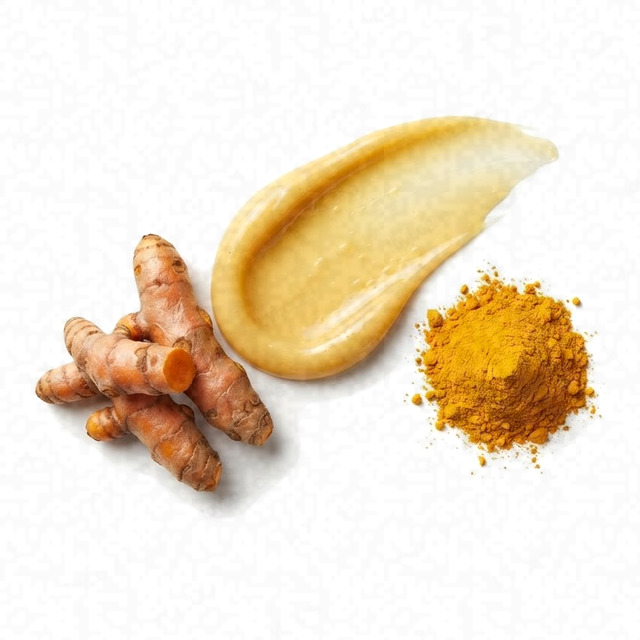 Curcuma Longa
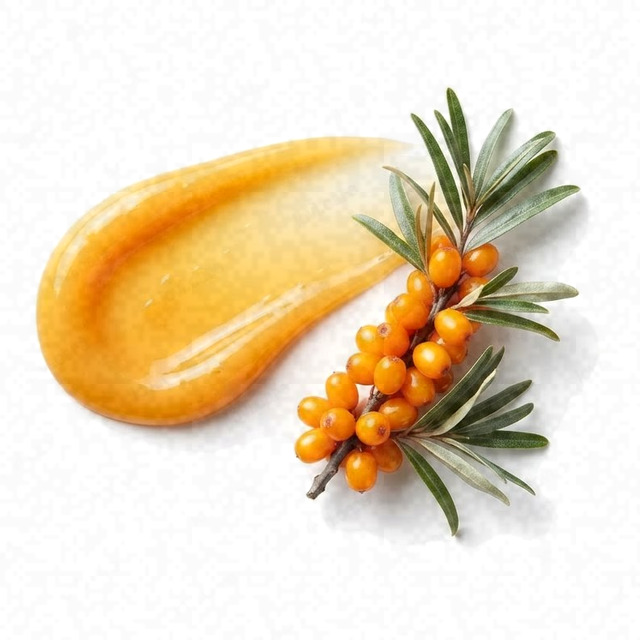 Hippophae Rhamnoides
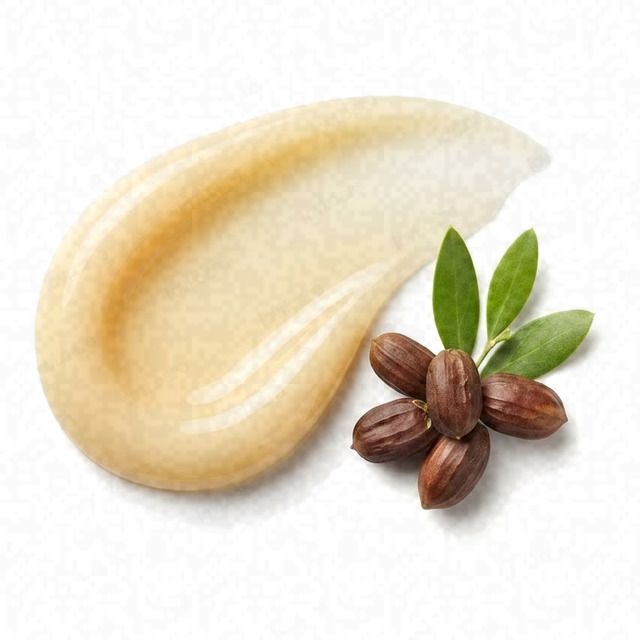 Jojoba Oil
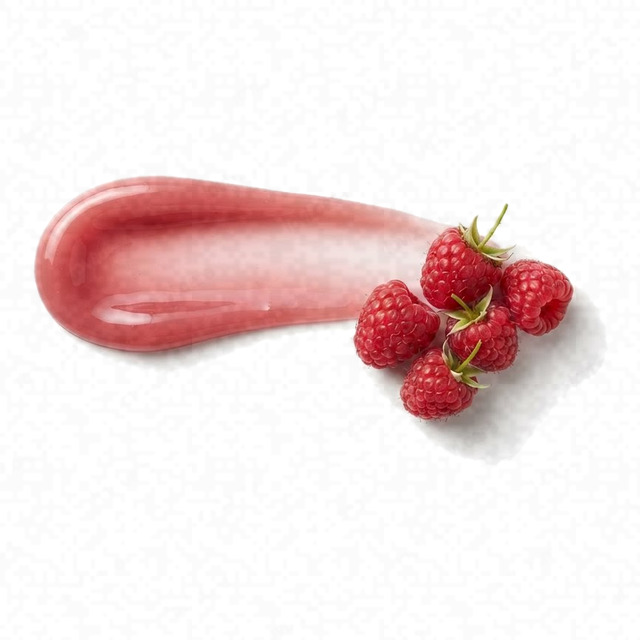 Raspberry
High
- AverageNormal Skin Fit
- HighEffectiveness
- HighSafety
One of the best moisturizers for skin with dark spots.
This fit is calculated for the concerns frequently associated with dark spots: hyperpigmentation, sun spots, and uneven skin tone. For scores and recommendations based on your full skin profile, including your 12D face scan results and any goals or preferences you have, please use the Lovi app.
Page built Nov 8, 2026How the Fit score works
Lovi Assistant explains
- Offers moderate brightening for your pigmentation and normal skin, as Tetrahexyldecyl Ascorbate and Helianthus Annuus Seed Oil provide hydrating and evening skin tone benefits. Jojoba Seed Oil offers emollient action, but the formula lacks sufficient humectants for optimal hydration.
- The product is safe for your normal skin due to the absence of prohibited or harsh ingredients, ensuring no risks of irritation.
- It provides relevant skincare benefits for your pigmentation by utilizing Tetrahexyldecyl Ascorbate for moderate brightening effects.
How to apply
- Could be used as part of your AM and PM routine. Start using it 3 times a week and move to daily use if your skin likes it.
- Apply this moisturizer after your cleanser and toner, right before your morning SPF.
- Gently press a small amount of the moisturizer into your skin. Avoid rubbing it too hard so it absorbs nicely.
- For the best moisture, you can apply it when your skin is slightly damp. This helps your skin stay soft and happy.
- Remember to avoid the eye area when applying. Always do a patch test before your first use.
People Say
★4.6Overall rating based on 300+ reviewsThis face oil is highly praised for its lightweight, non-greasy formula that provides instant hydration and a subtle, luminous glow. It is frequently noted for being gentle enough for sensitive and acne-prone skin while effectively helping to brighten dullness, even out skin tone, and soften the appearance of fine lines.
Highlights
Brightens skin tone Mostly Mentioned
- “Helps keep skin bright”
- “fades hyperpigmentation”
- “improves radiance”
Adds natural glow Often Mentioned
- “Gorgeous ethereal luminizing glow”
- “subtle radiance”
- “instant luminosity”
Gentle on sensitive Often Mentioned
- “Works for sensitive skin”
- “no irritation”
- “soothes redness”
Lightweight, non-greasy Often Mentioned
- “Absorbs quickly”
- “not sticky”
- “melts into skin”
Pleasant citrus scent Sometimes Noted
- “Light citrusy aroma”
- “smells so good”
- “pleasant scent”
Mica settling Sometimes Noted
- “Shimmer settles at bottom”
- “needs thorough shaking”
- “uneven distribution”
Packaging issues Rarely Noted
- “Difficult to separate”
- “slippery bottle”
- “messy application”
Slow absorption Rarely Noted
- “Wish it absorbed quicker”
- “slightly tacky feeling”
- “takes time to sink in”
Subtle results Rarely Noted
- “Not a miracle”
- “didn't notice huge difference”
- “just okay”
Sources: lovi.care, walmart.com, iherb.com, dermae.com, lolassecretbeautyblog.com, imagebeauty.com, and more
Questions and answers
What makes Derma E Vitamin C Glow Face Oil a great fit for skin with dark spots?
Derma E Vitamin C Glow Face Oil is a great fit for skin with dark spots because it uses tetrahexyldecyl ascorbate to brighten dark spots and even out your skin tone while keeping your skin soft and smooth. It is also safe for normal skin and is unlikely to cause irritation.
Which ingredients make this oil a good fit for skin with dark spots?
Tetrahexyldecyl Ascorbate, Jojoba Oil, and sunflower seed oil make this oil a good fit by helping brighten dark spots while keeping normal skin hydrated and smooth. Clinical studies show that similar vitamin C oils and plant oils help improve skin tone and reduce pigmentation.
What does Vitamin C do for skin with dark spots?
Vitamin C helps fade dark spots and brightens uneven skin. It works by slowing down pigment production and boosting overall skin clarity.
What does Turmeric do for skin with dark spots?
Turmeric helps fade dark spots and brightens uneven skin. It works by slowing down pigment production in the skin.
Artificial Cells, Nanomedicine, and Biotechnology, 2018Journal of Liposome Research, 2022
Where does this oil go in a skincare routine for skin with dark spots?
This oil goes in your evening routine as a treatment step after cleansing and before moisturizing, though some people may also use it in the morning. It helps brighten dark spots while keeping your skin soft and smooth, and it is unlikely to cause irritation.
Can I use this oil with retinol, and in what order?
You can use this oil with retinol by applying the oil after your retinol treatment to help lock in moisture. This combination is generally well tolerated because the oil lacks harsh ingredients, helping to keep your skin calm while you treat dark spots.
How often should I use this oil?
Use this treatment in the evening as part of your routine for dark spots. It helps brighten your skin and is unlikely to cause irritation.
Can this oil clog pores, cause breakouts or purging for skin with dark spots?
This oil is unlikely to clog pores or cause breakouts for skin with dark spots because it is free of harsh ingredients and has a very safe profile. It may help smooth and brighten your skin without causing irritation.
Can I use this oil around the eyes or on my body?
You can use this moisturizing treatment around your eyes or on your body because it is safe and free of harsh ingredients that could cause irritation. It helps brighten dark spots with tetrahexyldecyl ascorbate and leaves skin feeling soft and smooth with nourishing plant oils.
Is this oil fragrance-free and alcohol-free?
Yes, it has no fragrance and no drying alcohol.
What the research says
A topical serum containing vitamin C, vitamin E, and raspberry leaf cell culture extract improved skin color, elasticity, radiance, smoothness, scaliness, and wrinkles compared to the untreated contralateral side in fifty female volunteers.
Journal of Cosmetic Dermatology, 2020A 3-in-1 anti-aging topical night serum-in-oil applied once daily decreased wrinkles by 11%, increased skin firmness by 8%, reduced redness by 70%, and improved overall skin quality and complexion in 103 female subjects over 28 to 84 days compared to baseline.
Journal of Cosmetic Dermatology, 2019Topical application of 5% vitamin C cream significantly improved global clinical scores, increased skin microrelief density, and induced elastic tissue repair in photoaged skin compared to excipient control in healthy female volunteers.
Experimental Dermatology, 2003Ascorbic acid 2-glucoside gel significantly reduced gingival melanin pigmentation after 4 weeks compared to placebo in 73 subjects with symmetric pigmentation.
Journal of Periodontology, 2009Topical application of VC-IP cream twice daily for 8 weeks reduces periorbital wrinkles in female subjects compared to a placebo cream.
Journal of Cosmetic Dermatology, 2022Topical application of curcumin or turmeric treats various skin conditions by leveraging antioxidant, anti-inflammatory, and antimicrobial properties.
Skin Pharmacology and Physiology, 2023Topical formulations of curcumin target oxidative damage and inflammation to improve wound healing in animal models.
Drug Discovery Today, 2017A curcumin-loaded spanlastic anti-aging gel utilizing formula F5 incorporated into 2% HPMC E50 demonstrated sustained release action, compatibility, and the ability to penetrate skin layers to a depth of about 112.5 um without signs of irritation.
Saudi Pharmaceutical Journal, 2024Topical application of a sea buckthorn fruit extract formulation significantly reduced skin sebum secretion in 10 healthy human volunteers compared to the control base over an 8-week period.
Journal of Pharmacy & Bioallied Sciences, 2010Topical emulsions containing Hippophae rhamnoides and Cassia fistula plant extracts significantly reduced skin sebum contents compared to placebo in patients with grade I and grade II acne vulgaris.
Postepy Dermatologii I Alergologii, 2014Topical application of a 5% Hippophae rhamnoides oil-in-water emulsion significantly improved skin hydration (p=0.0003) and transepidermal water loss (p=0.0087) compared to a placebo base formulation in 13 healthy male subjects over 84 days.
Pakistan Journal of Pharmaceutical Sciences, 2014Clay jojoba oil facial masks reduced total skin lesions by a mean of 54% after 6 weeks in 133 participants with acne-prone, lesioned skin and mild acne compared to baseline.
Forschende Komplementarmedizin, 2012Topical application of jojoba wax reduced LPS-induced secretion of IL-6, IL-8, and TNFα by approximately 30% and increased the synthesis of pro-collagen III and hyaluronic acid compared to untreated skin in an ex-vivo human skin organ culture model.
Frontiers in Pharmacology, 2024Topical jojoba oil application in male mice decreased exercise-induced pro-inflammatory gene expression (Il-1b and Il-6 in soleus, Il-1b in gastrocnemius) compared to untreated exercised mice.
Biomolecules, 2025Topical raspberry ketone increased dermal IGF-I production through sensory neuron activation, promoting hair growth and increasing skin elasticity in mice and humans.
Growth Hormone & IGF Research, 2008A liposoluble extract of Rubus idaeus cell cultures induced genes for skin hydration, stimulated ceramide production, increased extracellular matrix synthesis in cultured fibroblasts, and showed skin-hydrating capacity in vivo.
International Journal of Cosmetic Science, 2015Red raspberry extract protects human epidermal keratinocytes and nude mouse skin against UVB-induced damage by preventing cell death, wrinkling, scaling, tanning, water loss, and epidermal thickening, while reducing oxidative and inflammatory responses through the activation of antioxidant pathways and inhibition of inflammatory cascades.
Oxidative Medicine and Cellular Longevity, 2019
Ingredients
Caprylic Capric Triglyceride, Helianthus Annuus Seed Oil Sunflower Seed Oil, Neopentyl Glycol Diethylhexanoate, Tetrahexyldecyl Ascorbate, Jojoba Seed Oil, Rubus Idaeus Seed Oil Raspberry Seed Oil, Cranberry Seed Oil, Hippophae Rhamnoides Seed Oil, Curcuma Longa Oil Root, Zingiber Officinale Oil Root, Tocopheryl Acetate, Mica, Titanium Dioxide, Iron Oxides, Oils
Behind this fit score
Lovi calculates every fit score from the full ingredient list with brand-independent rules our dermatologists and cosmetic chemists build and review, and personalizes every pick with AI trained on the real results of millions of users. Lovi trains its fit score models on a proprietary dataset built from more than 10,000 expert-labeled products and more than 100,000 simulated examples, following an internally consistent methodology presented at Cosmoprof, AMWC, and Skin of Color Update.
-

Co-founder, Medical Director
Cosmetic chemist, cosmetologist, aesthetic products developer
-

Co-founder, CEO and CTO
PhD in computer science, 3x US patent holder, ex-Google, ex-Yandex
-

Dr. Sofía Perea Pérez, MD, MSc
Medical Board
Aesthetic medicine practitioner, MSc in Longevity and Anti-Aging Medicine
-

Medical Board
Specialist dermatologist, MBBS, MD, IFAAD
-

Medical Board
Cosmetic chemist, SCS, IFSCC member
-

Medical Board, Medical Advisor
Dermatology MD
-

Elina Nazarenko, MD
Medical Board
Dermatology and diagnostic consultant
-

Victoria Derkova, MS
Medical Board
Cosmetic chemist, cosmetic development technologist


How does it fit your skin?
Scan your face, then any product: Lovi shows how well it fits you and what fits even better.