Curology Formula for oily acne-prone skin

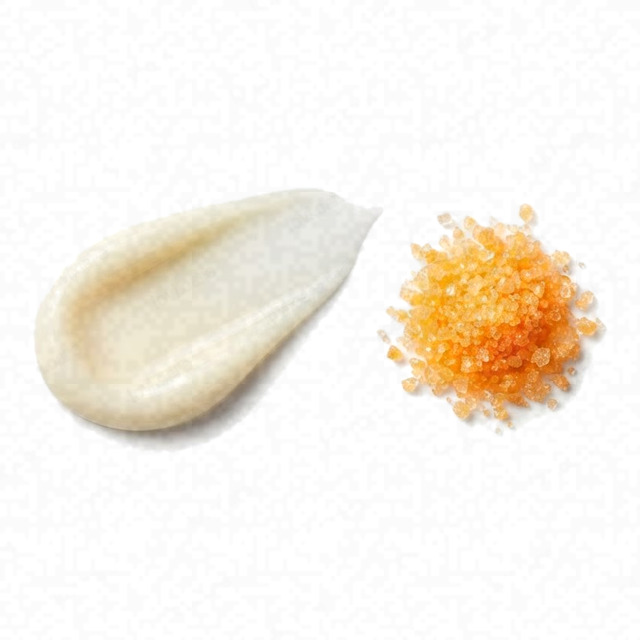 Tretinoin
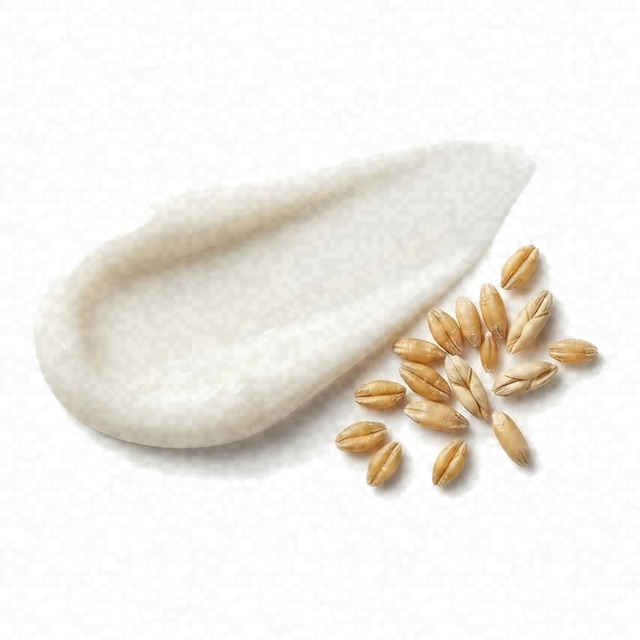 Azelaic Acid
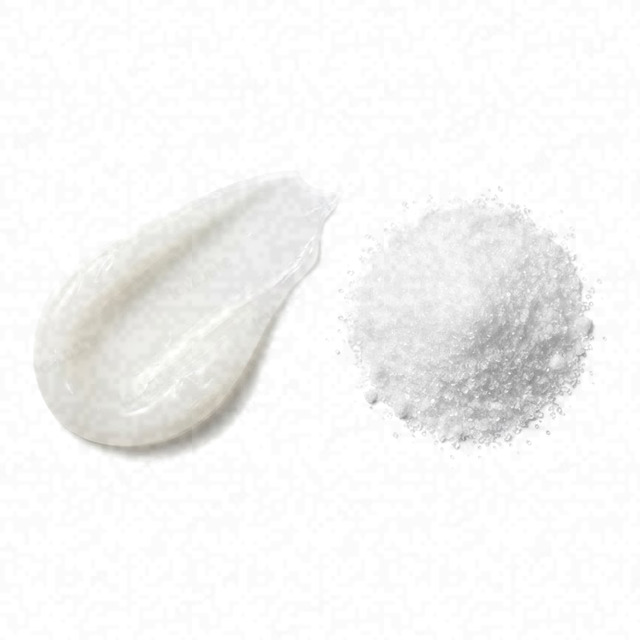 Clindamycin
High
- HighOily Skin Fit
- HighEffectiveness
- HighSafety
A great choice for oily acne-prone skin; a few serums fit it even better.
This fit is calculated for the concerns frequently associated with oily acne-prone skin: shine, breakouts, blemishes, and enlarged pores. For scores and recommendations based on your full skin profile, including your 12D face scan results and any goals or preferences you have, please use the Lovi app.
Page built Nov 8, 2026How the Fit score works
Lovi Assistant explains
- Highly suitable for your oily skin, tretinoin and azelaic acid offer excellent treatment for acne lesions and blemishes by providing moderate exfoliation and anti-inflammatory effects.
- Clindamycin further targets breakouts and oiliness, complementing the primary ingredients' actions.
- The formula is safe for your skin, with no risks of irritation due to the absence of prohibited or harsh ingredients.
How to apply
- Could be used as part of your PM routine. Start 3 times a week and build up to daily use if your skin tolerates it well.
- Apply your serum after cleansing and toning, but before putting on your moisturizer.
- Gently press 2 to 3 drops of the serum into your skin and let it absorb for a minute.
- Apply the serum on clean, dry skin to help manage your blemishes safely.
- Do a patch test before your first use and avoid the delicate eye area.
People Say
★4.2Overall rating based on 15.3k+ reviewsBased on a very large amount of data, users frequently report significant improvements in acne-prone skin, with reduced breakouts and smoother texture being common outcomes. Some users experience initial irritation or purging, and a smaller number encounter issues with subscription management or packaging. Overall satisfaction is high, particularly regarding the effectiveness for acne and skin texture improvement.
Highlights
Acne clearance Mostly Mentioned
- “Cleared my cystic and hormonal acne”
- “Only thing that worked in 10 years”
- “No more breakouts here”
- “Cystic acne is finally gone”
Improved texture Often Mentioned
- “Skin has gotten smoother”
- “Scars fade, texture smoothes out”
- “Got that glow back”
- “Confident to stop wearing foundation”
Simplified routine Sometimes Noted
- “Simplifies my nightly routine”
- “3 actives in one bottle”
- “Don't need extra serums”
- “Streamlined my skincare steps”
Telehealth access Sometimes Noted
- “Convenient to order from home”
- “No need to drive anywhere”
- “Easy to text a question”
- “Skips the pharmacy line”
Packaging problems Sometimes Noted
- “Pump stops coming out”
- “Bottles are deceptively large”
- “Dispenser takes multiple pumps”
- “Packaging feels cheap”
Subscription issues Sometimes Noted
- “Charged me after I cancelled”
- “Struggled to cancel subscription”
- “Hard to adjust shipment dates”
- “Billed while on hold”
Customer service Rarely Noted
- “Initial contact is unhelpful bot”
- “Hard to reach a human”
- “Generic copy-paste responses”
- “Support email is slow”
Skin reactions Rarely Noted
- “Caused a burning sensation”
- “Face began to break out”
- “Dryness and discoloration”
- “Ruined my moisture barrier”
Sources: lovi.care, influencer.com, trustpilot.com, highya.com, reddit.com, innerbody.com, and more
Questions and answers
What makes Curology Formula a great fit for oily acne-prone skin?
Curology Formula is a great fit because tretinoin and azelaic acid provide moderate exfoliation and calm inflammation to help clear blemishes on oily skin. Clindamycin also helps target breakouts and oiliness safely without harsh ingredients.
Pharmaceutics, 2021Archives of Dermatological Research, 2022
Which ingredients make this treatment a good fit for oily acne-prone skin?
Tretinoin, azelaic acid, and clindamycin make this treatment a great fit because they target breakouts and oiliness while offering moderate exfoliation and calming effects for your skin.
Pharmaceutics, 2021Archives of Dermatological Research, 2022
What does Tretinoin do for oily acne-prone skin?
Tretinoin helps clear breakouts and smooth oily skin by reducing acne lesions and oil production. It is well tolerated and improves overall skin texture with regular use, though it may cause initial dryness or redness.
Archives of Dermatological Research, 2022International Journal of Women's Dermatology, 2022
What does Azelaic Acid do for oily acne-prone skin?
Azelaic acid helps calm angry blemishes, clears out pores, and fades leftover dark marks on oily, acne-prone skin. It targets multiple root causes of breakouts by keeping bacteria in check and reducing swelling, which makes it very helpful for everyday management.
Where does this treatment go in a skincare routine for oily acne-prone skin?
This treatment goes in the evening routine, as treatments with active ingredients are placed then for simplicity and extra safety around sun exposure. It helps target breakouts and oiliness while keeping your skin calm, and is unlikely to cause irritation.
Can I use this treatment with niacinamide, and in what order?
You can use this treatment with niacinamide by applying niacinamide first in your routine and following it with this formula. Using them together helps calm your skin and target breakouts without increasing irritation.
American Family Physician, 2012Journal of Cosmetic Dermatology, 2024
How often should I use this treatment?
Use this treatment in the evening, starting once a week to see how your skin adjusts. If your skin feels comfortable and you see good results, you may carefully use it more often.
Journal of Cosmetic Dermatology, 2024Clinical, Cosmetic and Investigational Dermatology, 2023
Can this treatment clog pores, cause breakouts or purging for oily acne-prone skin?
This treatment is a great fit for oily acne-prone skin because tretinoin and azelaic acid help clear breakouts and blemishes while reducing oiliness. Skin reactions are unlikely since the formula lacks harsh ingredients, though active ingredients like tretinoin may sometimes cause initial purging as they work.
Pharmaceutics, 2021Archives of Dermatological Research, 2022
What the research says
Azelaic acid nanocrystal hydrogel 10% achieved a higher success rate and greater lesion reduction than azelaic acid cream 20% in patients with mild to moderate facial acne.
Pharmaceutics, 2021Tretinoin-loaded nano lipid carriers resulted in a significantly higher rate of decrease in acne lesions and greater reduction in porphyrin production compared to conventional tretinoin cream in patients with mild to moderate acne vulgaris.
Archives of Dermatological Research, 2022Application of 15% azelaic acid gel significantly reduced post-inflammatory erythema and hyperpigmentation, decreased hemoglobin and melanin content, improved quality of life, and contributed to acne improvement in patients with mild to moderate acne compared to placebo.
Dermatology and Therapy, 2024Once-daily fixed-dose clindamycin phosphate 1.2%/benzoyl peroxide 3.1%/adapalene 0.15% gel achieved superior treatment success (52.5%) and greater reductions in inflammatory and noninflammatory lesions compared to vehicle (8.1%) and dyad component gels in participants with moderate-to-severe acne over 12 weeks.
American Journal of Clinical Dermatology, 2022Topical clindamycin phosphate 1.2%/adapalene 0.15%/benzoyl peroxide 3.1% gel achieved significantly greater treatment success and lesion reductions compared to vehicle in participants with moderate-to-severe acne.
Journal of the American Academy of Dermatology, 2023A galenic compound containing essential oils and tretinoin demonstrated anti-acne efficacy and anti-inflammatory activity, significantly reducing papular erythema and retinoid-induced rashes compared to clindamycin-tretinoin gel in sixty volunteers over 30 days.
Clinical, Cosmetic and Investigational Dermatology, 2020Topical tretinoin improves clinical appearance of photoaging in terms of wrinkling, mottled hyperpigmentation, sallowness, and lentigines and is safe and well tolerated.
International Journal of Women's Dermatology, 2022Topical tretinoin daily application for 10 to 12 months produced an 80 percent increase in collagen I formation in photodamaged human skin compared with a 14 percent decrease with vehicle alone.
The New England Journal of Medicine, 1993Topical application of a dermocosmetic containing Myrtus communis extract and azelaic acid reduced acne relapses and helped maintain remission compared to a light moisturizing cream in adult females in the acne maintenance phase over 16 weeks.
Journal of the European Academy of Dermatology and Venereology, 2023Topical administration of 20% azelaic acid cream and 5% tranexamic acid solution comparably improved acne-related postinflammatory hyperpigmentation in patients with acne vulgaris, while tranexamic acid demonstrated a significantly better safety profile at week 4.
Journal of Research in Medical Sciences, 2023Azelaic acid 15% gel showed comparable efficacy to adapalene 0.1% gel in reducing lesions, severity, and Dermatology Life Quality Index in women with adult acne, with significantly lower dryness and scaling, and demonstrated superiority during maintenance compared to no further treatment.
Journal of the European Academy of Dermatology and Venereology, 2015Clindamycin-BPO 2.5% aqueous gel applied once daily provided statistically significant greater efficacy than individual active ingredients and vehicle in reducing inflammatory and noninflammatory lesions and acne severity in 2813 patients with moderate to severe acne vulgaris.
Journal of the American Academy of Dermatology, 2008Topical 4% nicotinamide and 1% clindamycin gels showed similar overall efficacy in reducing acne grade in patients with moderate inflammatory facial acne vulgaris over 8 weeks, with nicotinamide being more effective for oily skin and clindamycin for non-oily skin.
International Journal of Dermatology, 2013The incidence of gastrointestinal adverse events and colitis in patients exposed to topical clindamycin for acne vulgaris is extremely low across pharmacovigilance, retrospective, and clinical trial data.
The Journal of Dermatological Treatment, 2024
Ingredients
Behind this fit score
Lovi calculates every fit score from the full ingredient list with brand-independent rules our dermatologists and cosmetic chemists build and review, and personalizes every pick with AI trained on the real results of millions of users. Lovi trains its fit score models on a proprietary dataset built from more than 10,000 expert-labeled products and more than 100,000 simulated examples, following an internally consistent methodology presented at Cosmoprof, AMWC, and Skin of Color Update.
-

Co-founder, Medical Director
Cosmetic chemist, cosmetologist, aesthetic products developer
-

Co-founder, CEO and CTO
PhD in computer science, 3x US patent holder, ex-Google, ex-Yandex
-

Dr. Sofía Perea Pérez, MD, MSc
Medical Board
Aesthetic medicine practitioner, MSc in Longevity and Anti-Aging Medicine
-

Medical Board
Specialist dermatologist, MBBS, MD, IFAAD
-

Medical Board
Cosmetic chemist, SCS, IFSCC member
-

Medical Board, Medical Advisor
Dermatology MD
-

Elina Nazarenko, MD
Medical Board
Dermatology and diagnostic consultant
-

Victoria Derkova, MS
Medical Board
Cosmetic chemist, cosmetic development technologist


How does it fit your skin?
Scan your face, then any product: Lovi shows how well it fits you and what fits even better.