cocokind AHA Jelly Cleanser for acne-prone skin

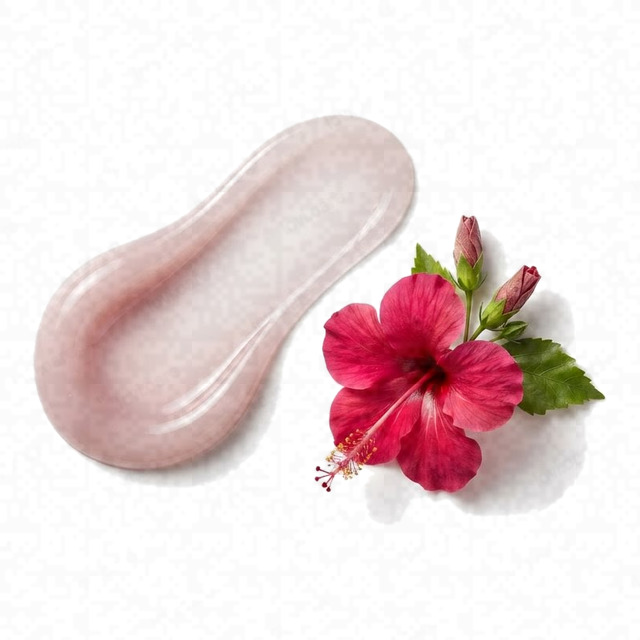 Hibiscus Aha Flower
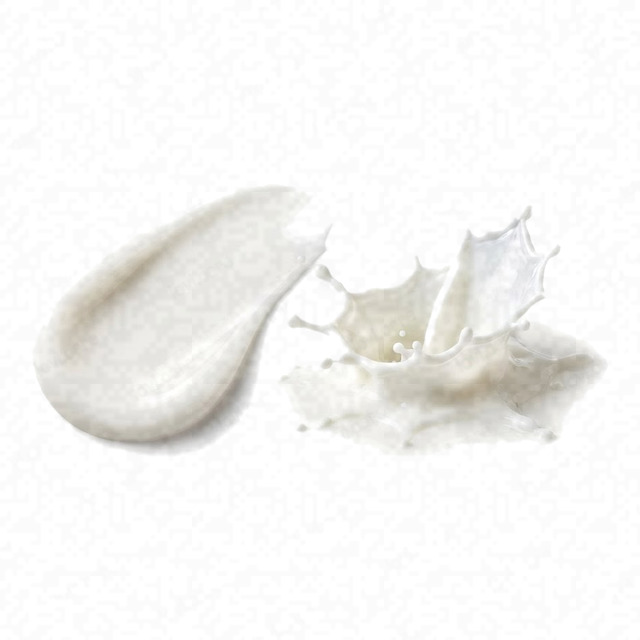 Lactic Acid
 Sodium Hyaluronate
 Glycerin
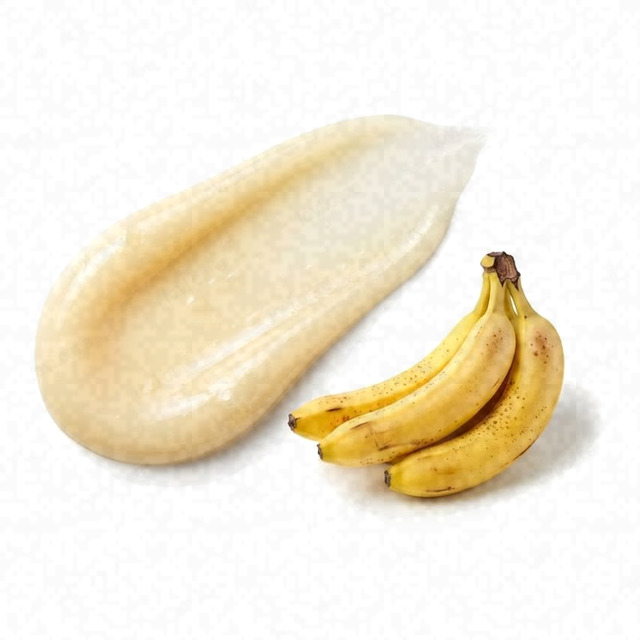 Musa Sapientum Extract
Superior
- SuperiorCombination Skin Fit
- HighEffectiveness
- ExcellentSafety
One of the best cleansers for acne-prone skin.
This fit is calculated for the concerns frequently associated with acne-prone skin: breakouts, blackheads, and post-acne marks. For scores and recommendations based on your full skin profile, including your 12D face scan results and any goals or preferences you have, please use the Lovi app.
Page built Nov 8, 2026How the Fit score works
Lovi Assistant explains
- Excellent suitability for your combination skin is provided by lactic acid, citric acid, and tartaric acid, which offer effective exfoliation and mild humectant action to address your acne and blemishes.
- Glycerin and hibiscus flower extract further support your skin by providing soothing effects and aiding in gentle resurfacing without causing irritation.
- The safety profile is excellent, with no risks of irritation due to the absence of harsh ingredients and the presence of soothing components.
How to apply
- Could be used as part of your AM and PM routine. Start using it 3 times a week and build up to daily use if your skin tolerates it.
- This cleanser is the first step in your morning routine and the second step after your pre-cleanser in the evening. Always follow up with a toner and moisturizer .
- Gently massage a small amount of the cleanser onto your face in circular motions. Avoid harsh rubbing to keep your skin calm.
- Apply the cleanser on slightly damp skin to help it work effectively against breakouts. Rinse thoroughly with lukewarm water .
- Avoid the immediate eye area and do a patch test before your first use to check for any sensitivity.
People Say
★4.2Overall rating based on 500+ reviewsThe cleanser is a gentle, hydrating option that effectively smooths skin texture and supports the skin barrier, making it ideal for sensitive skin types and beginners. While it is praised for its non-stripping formula, some users report mixed results regarding its ability to minimize pores and dislike its subtle, sometimes synthetic, scent.
Highlights
Gentle exfoliation Often Mentioned
- “Does a good job of gently exfoliating.”
- “Great for beginners who are new to exfoliating acids.”
- “Supports healthy cell turnover without stripping.”
Hydrating formula Often Mentioned
- “Adds so much hydration in a cleanser.”
- “Feels very light and hydrating on my skin.”
- “Leaves skin soft, smooth, and hydrated.”
Affordable price Sometimes Noted
- “Price point makes this cleanser even more amazing.”
- “Affordable clean skincare on a budget.”
Non-stripping feel Sometimes Noted
- “It's not a stripping cleanser.”
- “Leaves my skin feeling clean but not overly stripped.”
- “Maintains the skin barrier.”
Unpleasant scent Sometimes Noted
- “The smell of this face wash is also incredibly unpleasant.”
- “Not a huge fan of the scent.”
- “Slight synthetic scent.”
Limited pore results Rarely Noted
- “I do not think it minimizes the appearance of my pores.”
- “Wouldn't expect it to do much for breakouts.”
- “Less exfoliation than you would from an AHA serum.”
Potential irritation Rarely Noted
- “Since buying the updated bottle my skin has been irritated.”
- “Skin feels toned after and maybe a little bit tight.”
- “Contains coconut oil which causes terrible breakouts.”
Sources: lovi.care, cocokind.com, coconutsandkettlebells.com, homemadeinla.blog, estiebunny.com, organicbeautylover.com, and more
Questions and answers
What makes cocokind AHA Jelly Cleanser one of the best fits for acne-prone skin?
This cleanser is a great fit because lactic, citric, and tartaric acids gently clear away dead skin and blemishes while keeping your skin calm and hydrated. It has an excellent safety profile with soothing ingredients that help prevent irritation.
Journal of Cosmetic Dermatology, 2021Journal of Drugs in Dermatology, 2013
Which ingredients make this cleanser a good fit for acne-prone skin?
Lactic acid, citric acid, and tartaric acid make this cleanser a great fit by providing effective exfoliation to help manage acne and blemishes. Glycerin and hibiscus flower extract further support your skin by soothing it and helping with gentle resurfacing without causing irritation.
Journal of Cosmetic Dermatology, 2021Journal of Drugs in Dermatology, 2013
What does Hibiscus do for acne-prone skin?
Hibiscus helps calm and protect acne-prone skin while providing antioxidant benefits. This plant extract is unlikely to irritate your skin and may support a clear, smooth complexion.
Journal of the Medical Association of Thailand = Chotmaihet Thangphaet, 2010International Journal of Molecular Sciences, 2023
What does Lactic Acid do for acne-prone skin?
Lactic acid helps clear acne-prone skin by reducing both inflammatory and non-inflammatory lesions with regular topical use. It works well to smooth and calm the skin while managing breakouts safely over time.
Indian Journal of Dermatology, Venereology and Leprology, 2002
Where does this cleanser go in a skincare routine for acne-prone skin?
This cleanser goes in your morning and evening routine as the cleansing step before toners, treatments, and moisturizer. It helps manage blemishes and gently resurfaces the skin with lactic acid and fruit extracts while keeping irritation low.
Can I use this cleanser with retinol, and in what order?
Yes, you can use this cleanser in the same routine with retinol because its mild acids and soothing ingredients are very safe and unlikely to cause irritation. Use this cleanser first to wash your face, and apply your retinol afterward once your skin is dry.
How often should I use this cleanser?
This cleanser is a great fit for your acne-prone skin because lactic acid, citric acid, and tartaric acid help clear blemishes while keeping your skin calm and comfortable. You can start using it once a week as part of your routine, and if your skin tolerates it well and you see good results, you can carefully use it more often.
Can this cleanser clog pores, cause breakouts or purging for acne-prone skin?
This cleanser is an excellent fit for acne-prone skin because lactic acid, citric acid, and tartaric acid gently clear away dead skin cells without harshness. It also includes glycerin and hibiscus flower extract to soothe the skin and keep it calm.
Journal of Cosmetic Dermatology, 2021Journal of Drugs in Dermatology, 2013
Can I use this cleanser around the eyes or on my body?
You can use this cleanser on your body, but it is best to avoid the thin skin directly around the eyes where potent exfoliating acids may cause irritation. The gentle ingredients and mild resurfacing action that help clear acne-prone skin are generally too strong for the delicate eye area.
Is this cleanser fragrance-free and alcohol-free?
Yes, it has no fragrance and no drying alcohol.
What the research says
Daily treatment with a facial serum containing multiple acids reduced post-inflammatory hyperchromia lesion grade and number by 29.4% at 56 days, and decreased skin oiliness by 30.7% at 7 days in Brazilian patients with acne vulgaris.
Journal of Cosmetic Dermatology, 2021A novel composition containing salicylic acid, capryloyl salicylic acid, HEPES, glycolic acid, citric acid, and dioic acid showed similar tolerance and efficacy compared with clindamycin 1% and benzoyl peroxide 5% gel in subjects with acne vulgaris.
Journal of Drugs in Dermatology, 2013A single application of a moisturizing fluid containing hyaluronic acid 1%, glycerin 5%, and Centella asiatica stem cells extract significantly increased skin hydration by 29% and reduced transepidermal water loss at 24 hours compared to baseline and an untreated control site in twenty healthy women.
Clinical, Cosmetic and Investigational Dermatology, 2017Gluconolactone and tartaric acid significantly lower transepidermal water loss and erythema after sodium lauryl sulphate challenge compared to vehicle, untreated control, and glycolic acid in healthy subjects.
The British Journal of Dermatology, 1997Hibiscus syriacus ethanolic extract stimulated fibronectin and collagen synthesis, fibroblast contractility, and wound healing activity in human skin cells and explants, while increasing skin hydration gene expression.
BioMed Research International, 2017Polydeoxyribonucleotide derived from Hibiscus sabdariffa callus at 5 μg/mL promoted wound healing and upregulated related genes and proteins in human keratinocytes.
Biochemical and Biophysical Research Communications, 2024Water extracts from Roselle leaves and callus cells exhibited different biochemical components, transcriptome profiles, and effects on human skin cells, with the callus extract demonstrating anti-melanogenic, skin barrier, and antioxidant activities, while the plant extract affected angiogenesis, oxidation-reduction, and glycolysis.
International Journal of Molecular Sciences, 2023Application of a cream containing lactic acid 12% and pramoxine HCl 1% significantly improved skin dryness, hydration, and itch compared with a nontreated control in 24 women with a history of dry itchy skin.
Cutis, 2004Topical 12% ammonium lactate produced a significant sparing of epidermal and dermal atrophy induced by clobetasol propionate in human volunteers, without influencing the corticosteroid's bioavailability or antiinflammatory properties.
Journal of the American Academy of Dermatology, 1992A lactic acid/ceramide lotion significantly improved skin moisturization and desquamation compared to no treatment in women with dry, rough skin on the anterior shins.
The Journal of Clinical and Aesthetic Dermatology, 2020Topical application of 0.1% hyaluronic acid formulations of different molecular weights led to significant improvements in skin hydration and elasticity, with low-molecular-weight formulations also significantly reducing wrinkle depth in seventy-six female subjects compared to a vehicle control.
Journal of Drugs in Dermatology, 2011Topical application of hyaluronic acid in conjunction with free gingival graft significantly reduced donor site postoperative pain until day 7 compared to normal saline, with no significant differences in graft dimensions or patient satisfaction.
Clinical Oral Investigations, 2022Treatment with a hyaluronic acid-containing mouth rinse or topical gel led to significant lesion reduction, pain relief, and normalization of lesion color in adult patients with minor recurrent aphthous stomatitis, with the gel formulation showing an earlier healing onset at 3 days.
BMC Oral Health, 2019The emollient V0034CR significantly reduced TEWL compared to vehicle and vehicle plus glycerol, and significantly increased corneometry scores compared to vehicle and vehicle plus petrolatum in healthy volunteers with dry skin, demonstrating combined barrier function improvement from petrolatum and hydration improvement from glycerol.
Journal of Cosmetic Dermatology, 2020Ten days of treatment with a cream containing 20% glycerin significantly increased skin hydration measured by corneometer values in 17 healthy volunteers compared to a placebo cream, but showed no influence on transepidermal water loss or skin sensitivity to an irritating surfactant.
International Journal of Cosmetic Science, 2001Niacinamide/glycerin body moisturizers provided better rapid and prolonged improvement of cosmetic xerosis through functional improvement of stratum corneum barrier function compared to no treatment and conventional moisturizers in female subjects.
Journal of Drugs in Dermatology, 2012
Ingredients
Water, Glycerin, Betaine, Musa Sapientum Extract, Saccharomyces Ferment, Capryl Capramidopropyl Betaine, Arginine, Xanthan Gum, Polyglyceryl-6 Caprylate, Polyglyceryl-4 Caprate, Polyglyceryl-4 Cocoate, Polyglyceryl-6 Ricinoleate, Hibiscus Sabdariffa Flower Extract, Isoamyl Laurate, Sodium Chloride, Vitis Vinifera Fruit Extract Grape Fruit Extract, Sodium Hyaluronate, Lactic Acid, Phenylpropanol, Citric Acid, Tartaric Acid, Gluconic Acid
Behind this fit score
Lovi calculates every fit score from the full ingredient list with brand-independent rules our dermatologists and cosmetic chemists build and review, and personalizes every pick with AI trained on the real results of millions of users. Lovi trains its fit score models on a proprietary dataset built from more than 10,000 expert-labeled products and more than 100,000 simulated examples, following an internally consistent methodology presented at Cosmoprof, AMWC, and Skin of Color Update.
-

Co-founder, Medical Director
Cosmetic chemist, cosmetologist, aesthetic products developer
-

Co-founder, CEO and CTO
PhD in computer science, 3x US patent holder, ex-Google, ex-Yandex
-

Dr. Sofía Perea Pérez, MD, MSc
Medical Board
Aesthetic medicine practitioner, MSc in Longevity and Anti-Aging Medicine
-

Medical Board
Specialist dermatologist, MBBS, MD, IFAAD
-

Medical Board
Cosmetic chemist, SCS, IFSCC member
-

Medical Board, Medical Advisor
Dermatology MD
-

Elina Nazarenko, MD
Medical Board
Dermatology and diagnostic consultant
-

Victoria Derkova, MS
Medical Board
Cosmetic chemist, cosmetic development technologist


How does it fit your skin?
Scan your face, then any product: Lovi shows how well it fits you and what fits even better.