Cetaphil Redness Relieving Daily Facial Moisturizer SPF 40 for oily skin

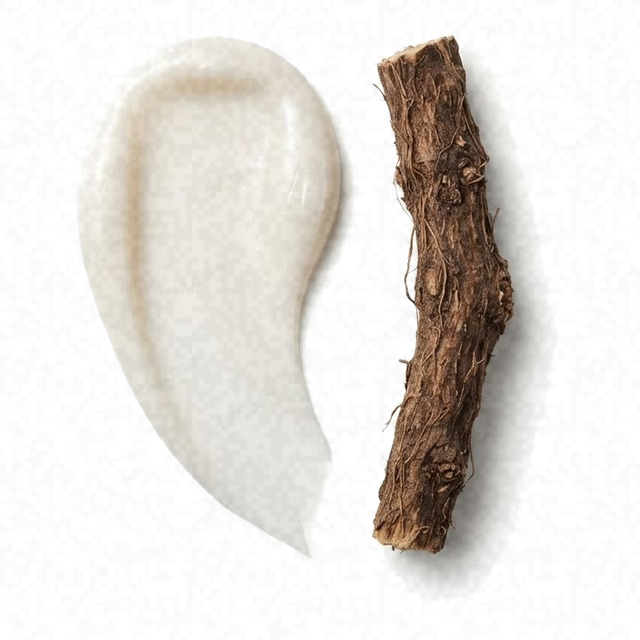 Allantoin
 Vitamin E
 Titanium Dioxide
 Zinc Oxide
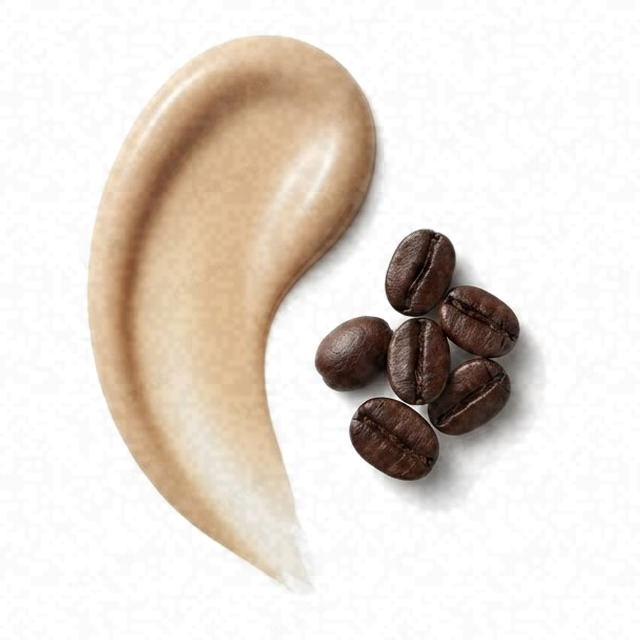 Caffeine
Average
- AverageOily Skin Fit
- AverageEffectiveness
- HighSafety
Works for oily skin; other sunscreens fit it better.
- Clinical, Cosmetic and Investigational Dermatology, 2017
- Medicina Oral, Patologia Oral Y Cirugia Bucal, 2016
This fit is calculated for the concerns frequently associated with oily skin: shine, enlarged pores, blackheads, and blemishes. For scores and recommendations based on your full skin profile, including your 12D face scan results and any goals or preferences you have, please use the Lovi app.
Page built Nov 8, 2026How the Fit score works
Lovi Assistant explains
- Offers moderate moisturizing and UV protection for your oily skin, with glycerin providing hydration and titanium dioxide and zinc oxide shielding against UV rays, though it lacks sufficient ingredients for optimal oil control.
- While allantoin offers some soothing benefits, the formula primarily provides general skincare support rather than directly addressing your main goal of managing oily shine.
- The product is safe for your oily skin, as it contains no harsh ingredients and carries no risk of irritation.
How to apply
- Use this moisturizing sunscreen daily in your AM routine. Reapply every two hours when exposed to direct sun.
- Apply this moisturizing sunscreen as the final step of your morning routine after your moisturizer.
- Smooth an even layer of the moisturizing sunscreen over your face and neck, avoiding harsh rubbing.
- Apply the moisturizing sunscreen onto clean, dry skin for the best protection and even coverage.
- Avoid the immediate eye area and discontinue use if any irritation occurs.
People Say
★4.1Overall rating based on 800+ reviewsThe tint is frequently reported to be too dark or orange for very fair complexions, and some users find the finish greasy or shiny.
Highlights
Light coverage Often Mentioned
- “replaces my foundation”
- “natural light coverage”
- “evens out skin tone”
- “good for no-makeup days”
Redness reduction Often Mentioned
- “tones down my redness”
- “neutralizes the appearance of redness”
- “calms my flushed skin”
Tint too dark Often Mentioned
- “turned my face orange”
- “too dark for fair skin”
- “looked like a bad spray tan”
- “oxidized to a dark color”
Mineral sun protection Sometimes Noted
- “love the mineral SPF”
- “great daily sun protection”
- “SPF 40 is a bonus”
- “protects without chemical filters”
Non-irritating formula Sometimes Noted
- “doesn't burn my eyes”
- “great for sensitive skin”
- “no stinging or irritation”
- “gentle on my face”
Difficult to blend Sometimes Noted
- “hard to spread”
- “streaky application”
- “sits on top of skin”
- “requires elbow grease to blend”
Greasy or shiny Sometimes Noted
- “leaves a greasy film”
- “too shiny for oily skin”
- “feels heavy and sticky”
- “makes me look oily”
Caused breakouts Rarely Noted
- “clogged my pores”
- “caused cystic acne”
- “broke me out immediately”
- “not for acne-prone skin”
Sources: lovi.care, walmart.com, cetaphil.com, iherb.com, skinsort.com, and more
Questions and answers
How well does Cetaphil Redness Relieving Daily Facial Moisturizer SPF 40 work for oily skin?
This moisturizer with SPF works moderately well for oily skin, offering basic hydration and sun protection, but it lacks ingredients to properly control oily shine. Oily skin needs products that provide hydration and sun protection without excess oiliness, maintain a non-greasy feel, and manage shine.
Which ingredients make this cream a good fit for oily skin?
Glycerin helps keep your oily skin hydrated, while titanium dioxide and zinc oxide shield against UV rays. However, because it lacks sufficient ingredients for optimal oil control and managing oily shine, a product of this type needs lightweight ingredients that address oily shine and manage excess oil without clogging pores.
What does Allantoin do for oily skin?
Allantoin helps calm oily skin and keeps it feeling soft and smooth by supporting skin healing and keeping irritation low. This ingredient works well for skin that gets easily bothered, helping it stay comfortable and balanced.
What does Vitamin E do for oily skin?
Vitamin E helps balance oily skin by reducing excess oil and calming redness. It is also unlikely to clog pores while helping to keep your skin smooth and properly hydrated.
Where does this cream go in a skincare routine for oily skin?
This cream goes in the morning routine as a moisturizer and SPF after your toner, though oily skin generally fits best with products that also provide strong oil control.
Can I use this cream with retinol, and in what order?
You can use this cream in the morning after applying your retinol, as it provides hydration and UV protection with minerals. It is unlikely to cause irritation on oily skin, but this skin type needs oil-controlling ingredients like niacinamide or salicylic acid to stay shine-free.
How often should I use this cream?
You can use this moisturizing spf every morning as part of your routine. It is safe for your oily skin and carries no risk of irritation, though an oily skin type also needs ingredients that help control shine.
Can this cream clog pores, cause breakouts or purging for oily skin?
This cream is unlikely to cause breakouts, as the product is safe and carries a low risk of irritation for oily skin. Reviewers occasionally complain about a greasy or shiny finish, so an oily skin type needs lightweight formulas with oil-controlling ingredients to stay balanced.
Is this cream fragrance-free and alcohol-free?
It has no drying alcohol and contains fragrance (benzyl alcohol).
What the research says
A single application of a moisturizing fluid containing hyaluronic acid 1%, glycerin 5%, and Centella asiatica stem cells extract significantly increased skin hydration by 29% and reduced transepidermal water loss at 24 hours compared to baseline and an untreated control site in twenty healthy women.
Clinical, Cosmetic and Investigational Dermatology, 2017Topical gel containing chitosan, 0.2% chlorhexidine, allantoin and dexpanthenol did not improve postoperative comfort regarding swelling and pain, but improved the wound's aesthetic appearance following impacted lower third molar extraction compared to no gel.
Medicina Oral, Patologia Oral Y Cirugia Bucal, 2016A topical gel containing chitosan, chlorhexidine, allantoin, and dexpanthenol significantly reduced postoperative pain, trismus, swelling, and analgesic consumption, while improving wound healing after third molar surgery compared to a placebo.
Medicina Oral, Patologia Oral Y Cirugia Bucal, 2020An overnight patch containing Allium cepa extract and allantoin safely promotes scar healing after dermatologic surgery, resulting in significantly greater reductions in observer- and patient-assessed POSAS scores compared to no treatment.
Aesthetic Plastic Surgery, 2018Topical application of an antioxidant serum containing 15% ascorbic acid, 0.5% ferulic acid, and 1% tocopherol prevented particulate matter-induced degradation of extracellular matrix components, inflammation, and oxidative stress in the skin of 15 female volunteers compared to untreated controls.
Journal of Cosmetic Dermatology, 2025Dermatological products containing d-alpha tocopheryl acetate showed non-comedogenic potential with less than a 50% increase in microcomedones in 12 healthy male subjects compared to octyl palmitate.
Contemporary Clinical Trials Communications, 2021Topical application of an antioxidant mix containing 15% ascorbic acid, 0.5% ferulic acid, and 1% tocopherol prevented PM and UV-induced skin barrier perturbation, lipid peroxidation, inflammatory markers, MMP9 activation, and Type I collagen loss in 15 healthy females compared to untreated exposed skin.
Journal of Cosmetic Dermatology, 2024Microfine titanium dioxide does not penetrate human skin when formulated in an oil-in-water emulsion with the pigment dispersed in the aqueous phase, compared to oily dispersions and liposomal encapsulation which allow deeper skin penetration.
International Journal of Cosmetic Science, 2000Replacing microsized titanium dioxide and zinc oxide with nanoparticles in sunscreens eliminates opaqueness and alters UV protection balance while inducing (photo)cyto- and genotoxicity and penetrating viable skin layers during long-term exposures.
Nanotechnology, Science and Applications, 2011Microfine zinc oxide and titanium dioxide do not penetrate the stratum corneum of porcine skin in vitro, indicating that their use in sunscreens does not pose a health risk from internal exposure.
Toxicology in Vitro, 2006Topical 0.5% hyaluronic-ZnO nanogel applied twice daily reduced inflammatory-lesion counts by 58% at week four in human subjects compared to baseline without causing erythema.
Biomedicines, 2025Nels cream achieved a similar reduction in inflammatory and noninflammatory lesion counts compared to 5% benzoyl peroxide in acne vulgaris patients, but caused significantly fewer side-effects such as peeling and dryness.
Clinical and Experimental Dermatology, 2000Topically applied coated and uncoated zinc oxide nanoparticles under flexing and massage are retained in the stratum corneum with no significant penetration into the viable epidermis and no cellular toxicity in human skin.
Nanomedicine, 2016A topical cosmetic slimming product containing tetrahydroxypropyl ethylenediamine, caffeine, carnitine, forskolin and retinol significantly reduced body circumferences and improved skin aspect compared with placebo in 78 women over 12 weeks.
International Journal of Cosmetic Science, 2011Topical sunscreen formulations containing caffeine combined with UV filters increased in vivo anti-UVB protection by approximately 25% and showed higher SPF values compared to caffeine-free sunscreen, while being well tolerated by the skin of healthy subjects.
Frontiers in Physiology, 2019Caffeine gel combined with choline geranate showed high skin permeation capacity and superior clinical results in cellulite treatment compared to caffeine gel without ionic liquid.
AAPS PharmSciTech, 2021
Ingredients
Titanium Dioxide, Zinc Oxide, Allantoin, Benzyl Alcohol, C12-15 Alkyl Benzoate, Caffeine, Caprylyl Methicone, Cetyl Diglyceryl Tris Trimethylsiloxy Silylethyl Dimethicone, Ci 77288, Dicaprylyl Carbonate, Dimethicone, Dipotassium Glycyrrhizate, Ethylhexylglycerin, Glycerin, Hydrogenated Lecithin, Iron Oxides, Isohexadecane, Magnesium Sulfate, Methylpropanediol, Silica, Tocopherol, Triethoxycaprylylsilane, Trisiloxane, Water
Behind this fit score
Lovi calculates every fit score from the full ingredient list with brand-independent rules our dermatologists and cosmetic chemists build and review, and personalizes every pick with AI trained on the real results of millions of users. Lovi trains its fit score models on a proprietary dataset built from more than 10,000 expert-labeled products and more than 100,000 simulated examples, following an internally consistent methodology presented at Cosmoprof, AMWC, and Skin of Color Update.
-

Co-founder, Medical Director
Cosmetic chemist, cosmetologist, aesthetic products developer
-

Co-founder, CEO and CTO
PhD in computer science, 3x US patent holder, ex-Google, ex-Yandex
-

Dr. Sofía Perea Pérez, MD, MSc
Medical Board
Aesthetic medicine practitioner, MSc in Longevity and Anti-Aging Medicine
-

Medical Board
Specialist dermatologist, MBBS, MD, IFAAD
-

Medical Board
Cosmetic chemist, SCS, IFSCC member
-

Medical Board, Medical Advisor
Dermatology MD
-

Elina Nazarenko, MD
Medical Board
Dermatology and diagnostic consultant
-

Victoria Derkova, MS
Medical Board
Cosmetic chemist, cosmetic development technologist


How does it fit your skin?
Scan your face, then any product: Lovi shows how well it fits you and what fits even better.