Biossance Squalane + Glycolic Renewal Mask for skin with dark spots

 Squalane
 Glycolic Acid
 Sodium Hyaluronate
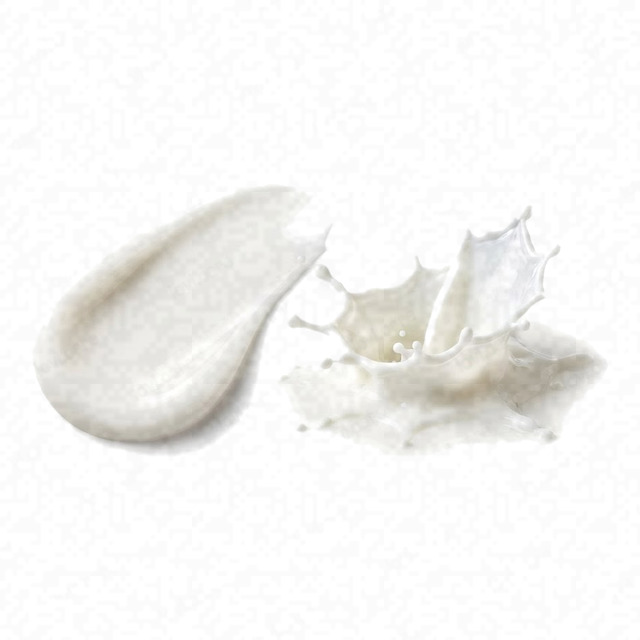 Lactic Acid
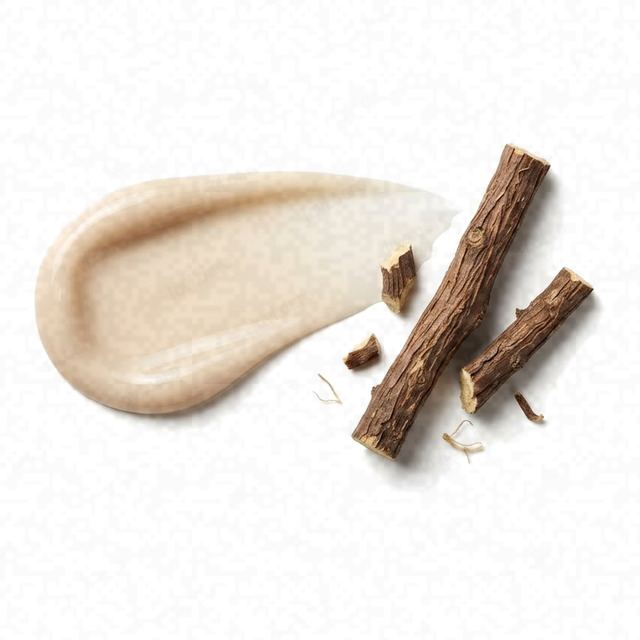 Licorice Root Extract
High
- HighNormal Skin Fit
- HighEffectiveness
- HighSafety
A great choice for skin with dark spots; a few cleansing masks fit it even better.
This fit is calculated for the concerns frequently associated with dark spots: hyperpigmentation, sun spots, and uneven skin tone. For scores and recommendations based on your full skin profile, including your 12D face scan results and any goals or preferences you have, please use the Lovi app.
Page built Nov 8, 2026How the Fit score works
Lovi Assistant explains
- Offers excellent exfoliating and smoothing texture for your normal skin due to the presence of glycolic acid and lactic acid, which promote skin renewal and address pigmentation concerns.
- Squalane provides emollient action, complementing the exfoliating ingredients to enhance desquamation regulation and maintain skin hydration.
- The formula is safe for your normal skin, as it lacks prohibited or harsh ingredients and carries no risk of irritation.
How to apply
- Use this cleansing mask once a week to start, and increase frequency only if your skin feels fine.
- Apply the cleansing mask in your weekly routine after the cleanser and enzyme powder, but before the hydrating toner.
- Spread an even layer over your face while carefully avoiding the delicate eye area.
- Apply the cleansing mask to clean and dry skin for the best and most comfortable results.
- Always do a patch test before your first use and avoid combining it with strong acids.
People Say
★4.5Overall rating based on 400+ reviewsThis mask is frequently described as a "facial in a tube" that provides an immediate glow and leaves skin feeling baby-soft. It is effective for dullness, fine lines, and congestion without causing dryness. A significant amount of recent feedback indicates the product is discontinued or out of stock.
Highlights
Smooth Texture Mostly Mentioned
- “baby-smooth complexion”
- “felt cleaner and smoother”
- “polished away rough patches”
Discontinued/Unavailable Mostly Mentioned
- “please bring it back”
- “so sad they stopped making it”
- “upset it's been discontinued”
Immediate Radiance Often Mentioned
- “immediate boost of radiance”
- “skin glowed right after”
- “instant gratification of glowing complexion”
Non-Drying Formula Often Mentioned
- “skin doesn't feel dry or tight”
- “felt nourished and moisturized”
- “hydrating despite the acid”
Gentle Exfoliation Sometimes Noted
- “gentle but effective”
- “didn't break me out”
- “non-abrasive mineral spheres”
Pore Minimizing Sometimes Noted
- “pores are minimised”
- “decrease in pore congestion”
- “cleaner pores”
Tingling Sensation Sometimes Noted
- “feel the tingle”
- “slightly stingy”
- “mildly tingly sensation”
Price Point Rarely Noted
- “price is quite hefty”
- “leaning to high price”
- “expensive but lasts ages”
Sensitizing Ingredients Rarely Noted
- “sensitizing ingredients”
- “rash or inflammation”
- “don't use post-shaving”
Sources: lovi.care, sephora.com, amazon.com, influenster.com, biossance.com, youtube.com, and more
Questions and answers
What makes Biossance Squalane + Glycolic Renewal Mask a great fit for skin with dark spots?
This mask is a great fit because it contains glycolic acid and lactic acid, which help renew the skin and address dark spots while smoothing your texture. Squalane works alongside these exfoliating ingredients to keep your skin hydrated.
Which ingredients make this mask a good fit for skin with dark spots?
Glycolic acid and lactic acid make this mask a great fit by promoting skin renewal to help fade dark spots. Licorice root extract further supports this by brightening the skin, while squalane and sodium hyaluronate keep your skin soft and hydrated.
What does Squalane do for skin with dark spots?
Squalane helps keep skin soft and smooth, but it is unlikely to directly fade dark spots on its own. For hyperpigmentation, this type of product needs added brightening ingredients like vitamin C or antioxidants to help even out skin tone.
What does Glycolic Acid do for skin with dark spots?
Glycolic acid helps fade dark spots and improves uneven skin tone by encouraging the shedding of pigmented surface cells. When used in treatments or peels alongside other brightening ingredients, it may further reduce the severity of stubborn discoloration.
Where does this mask go in a skincare routine for skin with dark spots?
This mask fits into your weekly routine as an exfoliating step. Start by using it once a week, and if your skin tolerates it well, you may carefully use it more often.
Can I use this mask with retinol, and in what order?
It is best to use this mask on nights when you are not applying retinol, as combining strong exfoliating acids and retinol may cause irritation. You can safely alternate them on different nights to help smooth your skin and fade dark spots without overwhelming it.
How often should I use this mask?
Start by using this mask once a week, and if your skin handles it well and you see good results, you can carefully use it more often. This gentle approach helps prevent irritation while effectively smoothing your skin and addressing dark spots.
Can this mask clog pores, cause breakouts or purging for skin with dark spots?
This mask is unlikely to clog pores or cause breakouts for your skin with dark spots because it is free of heavy, pore-clogging ingredients. The exfoliating acids in the formula help clear dead skin cells, which may occasionally lead to mild initial purging as your skin renews itself.
Is this mask fragrance-free and alcohol-free?
It has no drying alcohol and contains fragrance (limonene). Stearyl alcohol, arachidyl alcohol, and behenyl alcohol are fatty alcohols, which soften the skin.
What the research says
Squalane at 0.005-0.015% counteracts UVA-induced oxidative stress, inflammation, and collagen metabolism inhibition while stimulating fibroblast migration in human dermal fibroblasts.
Molecules, 2025Plant-derived squalane protected human dermal fibroblasts against UVA-induced damage by counteracting ROS formation, suppressing apoptosis-related proteins p53, caspase-3, caspase-9, and PARP, and restoring the pro-survival p-Akt/mTOR pathway.
Antioxidants, 2025Repeated short-contact 70% glycolic acid peels provided superior results in atrophic acne scars compared to daily low-strength glycolic acid cream or placebo in 58 women over 24 weeks.
International Journal of Dermatology, 2000Serial glycolic acid peels combined with a modified Kligman formula significantly reduced facial PIH severity in Indian patients compared to the modified Kligman formula alone.
Dermatologic Surgery, 2017Topical application of 0.1% hyaluronic acid formulations of different molecular weights led to significant improvements in skin hydration and elasticity, with low-molecular-weight formulations also significantly reducing wrinkle depth in seventy-six female subjects compared to a vehicle control.
Journal of Drugs in Dermatology, 2011Topical application of hyaluronic acid in conjunction with free gingival graft significantly reduced donor site postoperative pain until day 7 compared to normal saline, with no significant differences in graft dimensions or patient satisfaction.
Clinical Oral Investigations, 2022Treatment with a hyaluronic acid-containing mouth rinse or topical gel led to significant lesion reduction, pain relief, and normalization of lesion color in adult patients with minor recurrent aphthous stomatitis, with the gel formulation showing an earlier healing onset at 3 days.
BMC Oral Health, 2019Application of a cream containing lactic acid 12% and pramoxine HCl 1% significantly improved skin dryness, hydration, and itch compared with a nontreated control in 24 women with a history of dry itchy skin.
Cutis, 2004Topical 12% ammonium lactate produced a significant sparing of epidermal and dermal atrophy induced by clobetasol propionate in human volunteers, without influencing the corticosteroid's bioavailability or antiinflammatory properties.
Journal of the American Academy of Dermatology, 1992A lactic acid/ceramide lotion significantly improved skin moisturization and desquamation compared to no treatment in women with dry, rough skin on the anterior shins.
The Journal of Clinical and Aesthetic Dermatology, 2020Combining 755 nm alexandrite laser with topical licorice gel significantly reduces terminal hair counts compared to alexandrite laser with placebo in women with idiopathic hirsutism.
Evidence-based Complementary and Alternative Medicine, 2015Licochalcone A activated Nrf2 signaling, elevated cytoprotective enzymes, increased the reduced-to-oxidized glutathione ratio, and decreased reactive oxygen species in human fibroblasts and neutrophils, while a LicA-rich licorice extract lowered UVA-induced oxidative processes in vivo.
Experimental Dermatology, 2015Bioactive glycyrrhizic acid and oxymatrine ionic liquid self-assembled nanomicelles significantly promoted the transdermal permeation, subcutaneous retention, and anti-photoaging efficacy of palmitoyl pentapeptide-4 in cellular and animal models compared to unformulated peptide.
Advanced Science, 2025
Ingredients
Water, Glycerin, Glycolic Acid, Squalane, Caprylic Capric Triglyceride, Stearyl Alcohol, Arachidyl Alcohol, Mineral Oxides Clay, Behenyl Alcohol, Sodium Hydroxide, Lactic Acid, Pyrus Malus Fruit Extract, Capryloyl Glycerin Sebacic Acid Copolymer, Vaccinium Myrtillus Fruit Extract, Saccharum Officinarum Extract, Sugar Maple Extract, Kaolin, Sodium Hyaluronate, Xanthan Gum, Diheptyl Succinate, Citrus Aurantium Dulcis Fruit Extract, Lemon Fruit Extract, Citric Acid, Tartaric Acid, Glycyrrhiza Glabra Root Extract Licorice Root Extract, Lemon Peel Oil, Montmorillonite, Illite, Acacia Senegal Gum, Biosaccharide Gum-1, Arachidyl Glucoside, Polyacrylate Crosspolymer-6, Phenoxyethanol, Ethylhexylglycerin, Sodium Phytate, Limonene
Behind this fit score
Lovi calculates every fit score from the full ingredient list with brand-independent rules our dermatologists and cosmetic chemists build and review, and personalizes every pick with AI trained on the real results of millions of users. Lovi trains its fit score models on a proprietary dataset built from more than 10,000 expert-labeled products and more than 100,000 simulated examples, following an internally consistent methodology presented at Cosmoprof, AMWC, and Skin of Color Update.
-

Co-founder, Medical Director
Cosmetic chemist, cosmetologist, aesthetic products developer
-

Co-founder, CEO and CTO
PhD in computer science, 3x US patent holder, ex-Google, ex-Yandex
-

Dr. Sofía Perea Pérez, MD, MSc
Medical Board
Aesthetic medicine practitioner, MSc in Longevity and Anti-Aging Medicine
-

Medical Board
Specialist dermatologist, MBBS, MD, IFAAD
-

Medical Board
Cosmetic chemist, SCS, IFSCC member
-

Medical Board, Medical Advisor
Dermatology MD
-

Elina Nazarenko, MD
Medical Board
Dermatology and diagnostic consultant
-

Victoria Derkova, MS
Medical Board
Cosmetic chemist, cosmetic development technologist


How does it fit your skin?
Scan your face, then any product: Lovi shows how well it fits you and what fits even better.