
beplain Mung Bean Pore Clay Mask

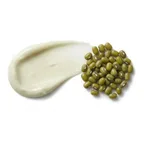 Mung Bean Extract
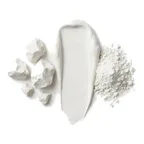 Kaolin
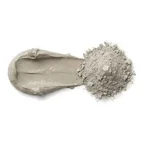 Bentonite
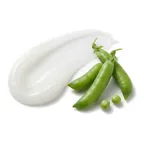 Niacinamide
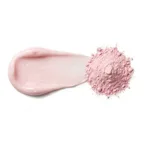 Calamine
Mung bean extract, kaolin, and bentonite clean pores and soothe the skin, so it suits most skin types. For skin that needs soothing, cleansing masks with panthenol and centella get higher fit scores. Where to buy in the Netherlands: Amazon.nl, €29.50.
Each fit is calculated for the concerns frequently associated with that skin type. For scores and recommendations based on your full skin profile, including your 12D face scan results and goals, use the Lovi app.
Updated How the Fit score works
Where it fits best and least
Best fit High
Oily Skin, Combination Skin, Sensitive Skin, Acne-Prone Skin, Oily Acne-Prone Skin
A great choice for oily skin; a few cleansing masks fit it even better.
- Offers moderate pore cleansing for your oily skin due to the presence of kaolin and bentonite clays, which absorb excess sebum and impurities, supported by allantoin and Anthemis Nobilis Oil Flower for soothing effects.
Lowest fit Low
A weak match for dry skin.
- Offers excellent pore cleansing for you due to high concentrations of kaolin and bentonite clays, which absorb excess sebum and impurities, but these ingredients can be drying for your dry skin.
Other skin types
Buy online

Prices checked 22 Nov 2026
The Lovi Fit is the same in every country; only the stores and prices differ, and the ones here are for the Netherlands.
How to apply
- Use this cleansing mask once a week to start, and increase frequency only if your skin feels fine.
- Apply the cleansing mask in your weekly routine after the cleanser and enzyme powder, but before the hydrating toner.
- Spread an even layer over your face while carefully avoiding the delicate eye area.
- Always do a patch test before your first use and avoid combining it with strong acids.
People Say
★4.7Overall rating based on 1.5k+ reviewsBased on a very large amount of data, users widely praise this mask for its unique creamy texture that cleanses pores without the cracking or tightness typical of traditional clay masks. It is frequently recommended for oily and combination skin types for its ability to gently exfoliate and reduce sebum in just three minutes, though some users with very sensitive skin find the physical granules slightly abrasive.
Highlights
Non-drying formula Mostly Mentioned
- “doesn't dry out”
- “leaves skin moist”
- “no tight feeling”
- “creamy texture”
Gentle exfoliation Often Mentioned
- “skin feels smooth”
- “softens texture”
- “gentle scrub”
- “removes dead skin”
Pore & sebum care Often Mentioned
- “cleaner pores”
- “reduces oil”
- “blackheads less visible”
- “absorbs sebum”
Cooling sensation Sometimes Noted
- “feels cooling”
- “refreshing on skin”
- “soothes heat”
- “calms redness”
Quick application Sometimes Noted
- “only takes 3 minutes”
- “quick routine”
- “fast results”
- “easy to rinse”
Limited blackhead removal Sometimes Noted
- “blackheads still there”
- “surface level only”
- “didn't clear nose”
- “temporary effect”
Polarizing scent Sometimes Noted
- “smells like beans”
- “earthy scent”
- “weird smell”
- “strong bean odor”
Physical irritation Rarely Noted
- “particles too rough”
- “scratched my skin”
- “caused redness”
- “tingling sensation”
Price vs. size Rarely Noted
- “tube is small”
- “expensive”
- “pricy for size”
- “finished too fast”
Texture issues Rarely Noted
- “hard to squeeze”
- “thick paste”
- “chunks fall off”
- “messy application”
Sources: lovi.care, oliveyoung.com, iherb.com, yesstyle.com, stylevana.com, reddit.com, and more
Questions and answers
What makes beplain Mung Bean Pore Clay Mask a great fit for oily skin?
This mask is a great fit because it uses kaolin and bentonite clays to soak up extra oil and impurities, while allantoin helps keep your skin calm and comfortable. It is very safe for oily skin and is unlikely to cause irritation.
How well does beplain Mung Bean Pore Clay Mask work for skin with dark spots?
This cleansing mask works only moderately well for skin with dark spots because its ingredients focus more on purifying pores than on brightening your skin. To better address dark spots, a product of this type needs targeted brightening ingredients and gentle exfoliants that safely fade discoloration while keeping your skin calm and smooth.
Why is beplain Mung Bean Pore Clay Mask a weak match for dry skin?
This mask is a weak match because its heavy kaolin and bentonite clays absorb oil and impurities, which can leave dry skin feeling even drier. While it has safe ingredients like glycerin, it lacks the rich hydrating and soothing components that dry skin needs to stay comfortable and smooth.
Can I use this mask with retinol, and in what order?
You can use this mask in your weekly routine on a different night from your retinol to help avoid unwanted irritation. Apply it after cleansing and before your toner and moisturizer, keeping your retinol for a separate evening.
Is this mask fragrance-free and alcohol-free?
Yes, it has no fragrance and no drying alcohol.
What makes beplain Mung Bean Pore Clay Mask a great fit for combination skin?
This mask is a great fit for your combination skin because kaolin and bentonite clays absorb extra oil and dirt to tackle shine. Mung bean extract adds a calming touch to keep your skin comfortable, and the safe formula is unlikely to cause irritation.
The Science of the Total Environment, 2022Carbohydrate Polymers, 2017
How well does beplain Mung Bean Pore Clay Mask work for mature skin?
This mask works for mature skin, though other products fit it better because it focuses on cleaning pores rather than targeting wrinkles and fine lines. A cleansing mask for this skin needs ingredients that help smooth fine lines, along with deeply hydrating and nourishing components to keep it soft and healthy.
Why is beplain Mung Bean Pore Clay Mask a weak match for dry sensitive skin?
This mask is a weak match because its kaolin and bentonite clays can easily dry out dry skin, even though they clear out impurities well. A cleansing mask for this skin type needs extra hydrating ingredients and rich softening agents to keep skin comfortable.
What makes beplain Mung Bean Pore Clay Mask a great fit for sensitive skin?
This mask is a great fit because kaolin and bentonite clays gently purify and absorb extra oil without stripping your skin. Mung bean extract, calamine, and niacinamide help calm redness and irritation while supporting your skin barrier, making it unlikely to cause discomfort.
What makes beplain Mung Bean Pore Clay Mask a great fit for acne-prone skin?
This mask is a great fit because kaolin and bentonite clays soak up extra oil and impurities while niacinamide helps calm redness. Mung bean extract adds soothing care to keep your skin comfortable and balanced. It is unlikely to cause irritation since it avoids harsh ingredients.
Journal of Cosmetic Dermatology, 2025The Science of the Total Environment, 2022
What makes beplain Mung Bean Pore Clay Mask a great fit for oily acne-prone skin?
This mask is a great fit because kaolin and bentonite clays soak up extra oil and dirt to clear pores, while soothing ingredients keep your skin calm and comfortable. It also helps draw out pore-clogging debris to improve breakouts with an excellent safety profile that is unlikely to cause irritation.
What the research says
Mung bean sprout aqueous extracts demonstrated excellent antioxidant properties with DPPH radical scavenging rates above 85% and chelation abilities approaching 80%, alongside demonstrated safety in red blood cell, CAM, and human skin patch tests.
Journal of Cosmetic Science, 2014A combination of five-colored plants (mung bean, white truffle, black truffle, chrysanthemum, and Lycium barbarum) at 0.5% concentration improved fibroblast wound healing by 59.89%, reduced cellular senescence markers by 76.32%, and increased epidermal thickness and collagen levels in an ex vivo skin model compared to a negative control.
Clinical, Cosmetic and Investigational Dermatology, 2025Phenolic extracts and compounds from mung bean hull protected HaCaT and HSF cells against H2O2-induced damage and aging, with the ethyl acetate extract, isovitexin, and vitexin providing the greatest protection by modulating oxidative stress and autophagy.
The Science of the Total Environment, 2022Vectorization of high molecular weight hyaluronic acid with clay enabled its penetration into deeper skin layers and led to a significant clinical reduction in fine lines in the crow's feet area compared to placebo after 28 days.
Skin Research and Technology, 2024Twice-weekly use of a clay mask over 4 weeks in 75 adults with oily or combination skin improved acne-related outcomes, sebum content, skin evenness, hydration, and reduced dryness and irritation.
Skin Research and Technology, 2023Clay jojoba oil facial masks reduced total skin lesions by a mean of 54% after 6 weeks in 133 participants with acne-prone, lesioned skin and mild acne compared to baseline.
Forschende Komplementarmedizin, 2012A novel water-in-oil emulsion with a lecithin-modified bentonite prevented epidermal degradation and inflammatory protein secretion induced by urban dust and cedar pollen more effectively than a conventional water-in-oil emulsion in a reconstructed human epidermis model.
International Journal of Cosmetic Science, 2020Topical clay application increased the number of collagen fibres in rat skin at 7 days compared with control skin (51.74% vs. 43.39%), but showed no further increase at 14 days.
Clinical and Experimental Dermatology, 2012Sodium activation of Algerian calcium bentonite produced a montmorillonite-rich clay with improved surface properties that significantly reduced croton oil-induced ear edema in vivo, showing efficacy comparable to the indomethacin reference.
Journal of Pharmaceutical Sciences, 2026Topical nicotinamide prevented solar-simulated UV-induced immunosuppression in healthy volunteers, and men experienced immunosuppression at solar-simulated UV doses three times lower than those required for women.
The Journal of Investigative Dermatology, 2008Topical 5% niacinamide applied twice daily for 12 weeks reduced fine lines and wrinkles, hyperpigmented spots, red blotchiness, and skin sallowness, and improved skin elasticity compared to vehicle control in 50 female white subjects with facial photoaging.
Dermatologic Surgery, 2005Topical 2% niacinamide significantly decreased sebum excretion rate in Japanese individuals and casual sebum levels in Caucasian individuals compared to placebo or baseline.
Journal of Cosmetic and Laser Therapy, 2006Topical 0.5% hyaluronic-ZnO nanogel applied twice daily reduced inflammatory-lesion counts by 58% at week four in human subjects compared to baseline without causing erythema.
Biomedicines, 2025Topical zinc oxide nanogels formulated using Dendrobium anosmum showed greater effectiveness against Gram-positive acne-causing bacteria compared to chemogenic nanoparticles.
Molecules, 2023Repeated application of zinc oxide nanoparticles to the skin of human volunteers accumulated on the surface and in skin furrows without penetrating into or causing cellular toxicity in the viable epidermis.
The Journal of Investigative Dermatology, 2019A bentonite-based facial mask with Alcea sulphurea extract combined with oral azithromycin significantly reduced total lesion count and acne severity index while enhancing patient satisfaction in patients with moderate acne compared to placebo plus azithromycin over 8 weeks.
Journal of Cosmetic Dermatology, 2025A single application of a moisturizing fluid containing hyaluronic acid 1%, glycerin 5%, and Centella asiatica stem cells extract significantly increased skin hydration by 29% and reduced transepidermal water loss at 24 hours compared to baseline and an untreated control site in twenty healthy women.
Clinical, Cosmetic and Investigational Dermatology, 2017Quaternized carboxymethyl chitosan/organic montmorillonite nanocomposite demonstrated superior moisture-adsorption and retention compared to hyaluronic acid, good UV-protection ability, negligible dermal irritation, and prominent moisture-retention efficacy on human stratum corneum when formulated into a cosmetic cream.
Carbohydrate Polymers, 2017The combination of allantoin, bisabolol, D-panthenol and dipotassium glycyrrhizinate reduces UVB-induced PGE2, inflammatory cytokines, and mitochondrial superoxide in human epidermal keratinocytes.
International Journal of Cosmetic Science, 2024A formulated polyherbal gel using Aloe barbadensis and Vigna radiata extract demonstrated antimicrobial activity against Staphylococcus aureus, Escherichia coli, and Candida albicans.
Gels, 2023Biomimetic hyaluronic acid-stabilized zinc oxide nanoparticles selectively inhibited C. acnes, outperformed erythromycin in preclinical acne models, and safely reduced acne lesions and redness in a clinical trial.
Journal of Controlled Release, 2025The ThriveCo Bumps Eraser Kit increased skin hydration by 131.75%, reduced redness by 69.30%, decreased pigmentation by 35.77%, dropped itchiness by 92.63%, improved smoothness by 55.00%, reduced roughness by 148.54%, and decreased scaliness by 87.09% without adverse effects.
Cureus, 2025Topical treatment of nicotinamide, alone or in combination with other active ingredients, reduces the progression of skin aging and hyperpigmentation in clinical trials while being well tolerated.
Antioxidants, 2021Treatment with a combination of niacinamide and hyaluronic acid improved skin aging signs and demonstrated a senomorphic effect by decreasing SASP and autocrine signaling genes in women.
Scientific Reports, 2024
Ingredients
Water, Vigna Radiata Seed Extract, Glycerin, Kaolin, Bentonite, Diglycerin, Zea Mays Starch, Propanediol, 2-Hexanediol, Glyceryl Glucoside, Betaine, Dipropylene Glycol, Phaseolus Radiatus Seed Powder, Calamine, Potassium Cetyl Phosphate, Xanthan Gum, Hydroxyacetophenone, Coconut Shell Powder, Ethylhexylglycerin, Niacinamide, Phaseolus Radiatus Seed Extract, Phaseolus Radiatus Extract, Olea Europaea Oil Fruit Olive Oil Fruit, Sodium Acrylate Sodium Acryloyldimethyl Taurate Copolymer, Chlorella Vulgaris Powder, Polyisobutene, Glucose, Triethoxycaprylylsilane, Disodium Edta, Butylene Glycol, Citric Acid, Allantoin, Sorbitan Oleate, Caprylyl Capryl Glucoside, Abies Sibirica Oil, Rosmarinus Officinalis Oil Leaf Rosemary Oil Leaf, Salvia Sclarea Oil, Phaseolus Radiatus Extract Sprout, Anthemis Nobilis Oil Flower, Hydrolyzed Extensin, Juniperus Mexicana Oil, Canadian Colloidal Clay, Manicouagan Clay, Illite, Chamomilla Recutita Oil Flower Matricaria Oil Flower, Montmorillonite, Protease
Behind these fit scores
Lovi calculates every fit score from the full ingredient list with brand-independent rules our dermatologists and cosmetic chemists build and review, and personalizes every pick with AI trained on the real results of millions of users. Lovi trains its fit score models on a proprietary dataset built from more than 10,000 expert-labeled products and more than 100,000 simulated examples, following an internally consistent methodology presented at Cosmoprof, AMWC, and Skin of Color Update.
-

Co-founder, Medical Director
Cosmetic chemist, cosmetologist, aesthetic products developer
-

Co-founder, CEO and CTO
PhD in computer science, 3x US patent holder, ex-Google, ex-Yandex
-

Dr. Sofía Perea Pérez, MD, MSc
Medical Board
Aesthetic medicine practitioner, MSc in Longevity and Anti-Aging Medicine
-

Medical Board
Specialist dermatologist, MBBS, MD, IFAAD
-

Medical Board
Cosmetic chemist, SCS, IFSCC member
-

Medical Board, Medical Advisor
Dermatology MD
-

Elina Nazarenko, MD
Medical Board
Dermatology and diagnostic consultant
-

Victoria Derkova, MS
Medical Board
Cosmetic chemist, cosmetic development technologist


How does it fit your skin?
Scan your face, then any product: Lovi shows how well it fits you and what fits even better.