Bare Republic Mineral Face Sunscreen Lotion for oily acne-prone skin

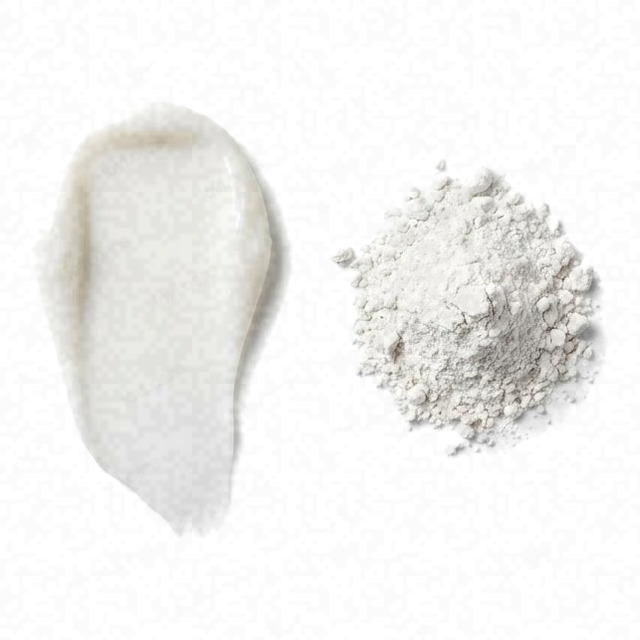 Zinc Oxide
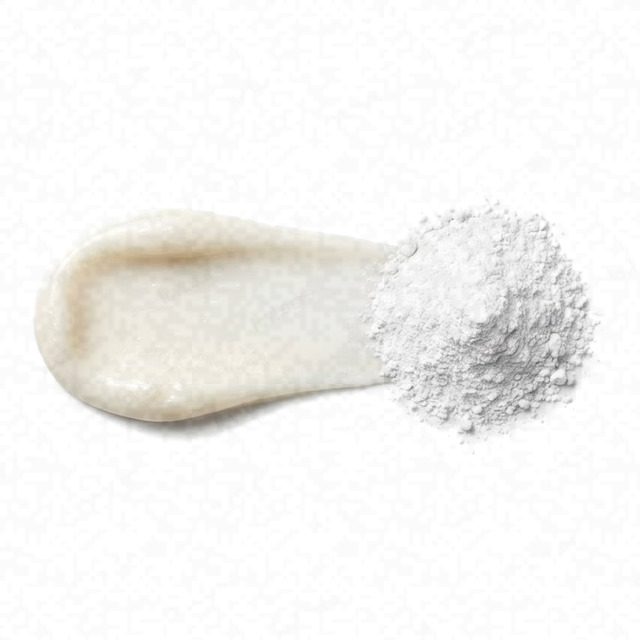 Titanium Dioxide
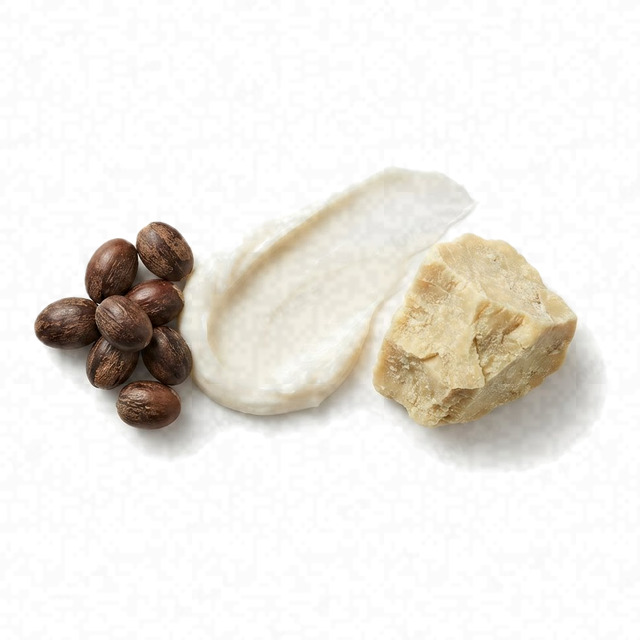 Butyrospermum Parkii Butter Shea Butter
 Aloe Barbadensis Leaf Juice
 Glycerin
Average
- HighOily Skin Fit
- AverageEffectiveness
- HighSafety
Works for oily acne-prone skin; other sunscreens fit it better.
This fit is calculated for the concerns frequently associated with oily acne-prone skin: shine, breakouts, blemishes, and enlarged pores. For scores and recommendations based on your full skin profile, including your 12D face scan results and any goals or preferences you have, please use the Lovi app.
Page built Nov 8, 2026How the Fit score works
Lovi Assistant explains
- Offers moderate sun protection for your oily skin, as titanium dioxide and zinc oxide provide effective UV defense without increasing oiliness. While glycerin offers some hydration, the formula does not directly address your primary concerns of acne, blemishes, and breakouts.
- The inclusion of shea butter and grape seed oil provides nourishment, but these ingredients are not optimized for managing excess oil or preventing blemishes.
- The product is safe for your skin, with no harsh ingredients or irritation risks identified for oily skin.
How to apply
- Use your moisturizing sunscreen every morning. Reapply throughout the day if you are outside.
- Apply this moisturizing sunscreen as the final step of your morning routine after your moisturizer.
- Gently smooth a nickel-sized amount over your face and neck, avoiding harsh rubbing to keep oily areas calm.
- Apply this moisturizing sunscreen on clean, dry skin to ensure even coverage and protection.
- Avoid getting the product into your eyes and do a patch test before your first use.
People Say
★3.9Overall rating based on 1.5k+ reviewsBased on a very large amount of data, users with oily and acne-prone skin frequently praise this sunscreen for its matte, non-greasy finish that functions well as a makeup primer. Those with dry or textured skin often report that it can cling to dry patches and may leave a white cast, particularly on darker skin tones.
Highlights
Matte, non-greasy Mostly Mentioned
- “Dries down to a powdery matte”
- “Zero grease after application”
- “Keeps my oil in check all day”
- “Feels like a velvet primer”
Lightweight feel Often Mentioned
- “Feels like nothing on my skin”
- “Super thin consistency”
- “Doesn't feel heavy or clogging”
- “Airy and whipped texture”
Leaves white cast Often Mentioned
- “Left a purple hue on my tan skin”
- “Looked like a ghost”
- “Takes forever to rub in the white layer”
- “Not inclusive for darker tones”
Gentle, non-irritating Sometimes Noted
- “No stinging around my eyes”
- “Didn't cause any breakouts”
- “Zero irritation on my reactive skin”
Reef-safe ingredients Sometimes Noted
- “Love that it's mineral-only”
- “Free of harsh chemicals”
- “Reef-friendly formula is a huge plus”
- “Clean ingredient list”
Drying and textured Sometimes Noted
- “Emphasized every dry patch”
- “Felt chalky after an hour”
- “Made my skin feel tight”
- “Settled into fine lines”
Separates easily Sometimes Noted
- “Came out like watery oil”
- “Have to shake it violently”
- “Separated in the tube”
- “Texture was curdled”
Pills under makeup Rarely Noted
- “Rolled off when I applied foundation”
- “Pilled up with my moisturizer”
- “Flaked off when touched”
Sources: lovi.care, target.com, amazon.com, ulta.com, influenster.com, reddit.com, and more
Questions and answers
How well does Bare Republic Mineral Face Sunscreen work for oily acne-prone skin?
Bare Republic Mineral Face Sunscreen Lotion works for your oily acne-prone skin by offering moderate sun protection without adding extra oil. However, it does not target breakouts or manage excess oil, and it may not deliver optimal results. Sunscreens of this type need soothing ingredients and oil-control components to properly care for acne-prone skin.
Which ingredients make this lotion a good fit for oily acne-prone skin?
Zinc oxide and titanium dioxide make this lotion a fit for your oily skin by providing sun protection without adding extra oiliness, while glycerin offers light hydration. However, because it lacks ingredients that target breakouts and manage excess oil, this type of skin needs a product with ingredients like niacinamide, centella asiatica, ceramides, and soothing plant extracts.
What does Zinc Oxide do for oily acne-prone skin?
Zinc oxide helps calm oily, acne-prone skin by reducing redness and targeting blemish-causing bacteria. It is unlikely to cause irritation and may help decrease excess oil while supporting clearer skin.
What does Titanium Dioxide do for oily acne-prone skin?
Titanium dioxide acts as a physical mineral sunscreen to shield oily, acne-prone skin from UV rays without clogging pores or triggering breakouts. It sits safely on the outer surface of the skin and is unlikely to penetrate or cause irritation.
International Journal of Cosmetic Science, 2000Skin Pharmacology and Applied Skin Physiology, 2001
Where does this lotion go in a skincare routine for oily acne-prone skin?
This lotion goes last in your morning routine, right after your moisturizer, to provide UV defense without increasing oiliness. Oily acne-prone skin typically benefits most from sunscreens that also include ingredients to help manage excess oil and prevent breakouts.
Can I use it with retinol, and in what order?
You can use this sunscreen in the morning after applying your retinol and moisturizer, or as your daytime moisturizer and sun protection step. It is unlikely to irritate your skin, though an oily acne-prone routine works best with a lightweight, oil-free formula that helps clear blemishes and control excess shine.
How often should I use this lotion?
You can use this sunscreen lotion every morning as the final step of your daytime routine to protect your skin from the sun. Oily acne-prone skin needs a lightweight sunscreen that helps control excess oil and targets blemishes.
Can it clog pores, cause breakouts or purging for oily acne-prone skin?
This sunscreen is unlikely to cause purging, but it may cause breakouts for oily acne-prone skin because it does not directly address blemishes and includes heavy oils. To better fit this skin type, a product of this type needs lightweight ingredients that help control excess oil and prevent breakouts.
Is this lotion fragrance-free and alcohol-free?
Yes, it has no fragrance and no drying alcohol.
What the research says
A single application of a moisturizing fluid containing hyaluronic acid 1%, glycerin 5%, and Centella asiatica stem cells extract significantly increased skin hydration by 29% and reduced transepidermal water loss at 24 hours compared to baseline and an untreated control site in twenty healthy women.
Clinical, Cosmetic and Investigational Dermatology, 2017A cream combining propolis, tea tree oil, and Aloe vera reduced erythema scars, acne severity index, and total lesion count better than erythromycin cream in sixty patients with mild to moderate acne vulgaris compared to placebo.
Clinical Pharmacology, 2018Biomimetic hyaluronic acid-stabilized zinc oxide nanoparticles selectively inhibited C. acnes, outperformed erythromycin in preclinical acne models, and safely reduced acne lesions and redness in a clinical trial.
Journal of Controlled Release, 2025Topical 0.5% hyaluronic-ZnO nanogel applied twice daily reduced inflammatory-lesion counts by 58% at week four in human subjects compared to baseline without causing erythema.
Biomedicines, 2025Nels cream achieved a similar reduction in inflammatory and noninflammatory lesion counts compared to 5% benzoyl peroxide in acne vulgaris patients, but caused significantly fewer side-effects such as peeling and dryness.
Clinical and Experimental Dermatology, 2000Topically applied coated and uncoated zinc oxide nanoparticles under flexing and massage are retained in the stratum corneum with no significant penetration into the viable epidermis and no cellular toxicity in human skin.
Nanomedicine, 2016Microfine titanium dioxide does not penetrate human skin when formulated in an oil-in-water emulsion with the pigment dispersed in the aqueous phase, compared to oily dispersions and liposomal encapsulation which allow deeper skin penetration.
International Journal of Cosmetic Science, 2000Replacing microsized titanium dioxide and zinc oxide with nanoparticles in sunscreens eliminates opaqueness and alters UV protection balance while inducing (photo)cyto- and genotoxicity and penetrating viable skin layers during long-term exposures.
Nanotechnology, Science and Applications, 2011Microfine zinc oxide and titanium dioxide do not penetrate the stratum corneum of porcine skin in vitro, indicating that their use in sunscreens does not pose a health risk from internal exposure.
Toxicology in Vitro, 2006A combination cream of stimu-tex AS and saccharide isomerate reduced erythema, increased skin capacitance, and reduced transepidermal water loss compared to placebo in 20 subjects after fractional CO2 laser procedure without causing serious adverse events.
Lasers in Medical Science, 2025A skin barrier restoring cream with shea butter, silkflo, and vitamin E increased type I procollagen synthesis, enhanced antioxidant enzyme activity, decreased reactive oxygen species generation, and promoted hyaluronic acid production in H2O2-stimulated human keratinocyte cells compared to untreated cells.
International Journal of Cosmetic Science, 2025Topical aloe vera gel significantly accelerated split-thickness skin graft donor-site healing compared to placebo in 12 patients, but showed no significant difference in pain relief.
Plastic and Reconstructive Surgery, 2018Topical application of Aloe vera cream reduced postoperative pain at rest and during defecation, accelerated wound healing at two weeks, and decreased analgesic requirements in patients after open hemorrhoidectomy compared to placebo.
Journal of Alternative and Complementary Medicine, 2010Formulations containing 0.10%, 0.25%, and 0.50% freeze-dried Aloe vera extract increased stratum corneum water content compared with the vehicle in 20 female subjects, while transepidermal water loss was not modified.
Skin Research and Technology, 2006The emollient V0034CR significantly reduced TEWL compared to vehicle and vehicle plus glycerol, and significantly increased corneometry scores compared to vehicle and vehicle plus petrolatum in healthy volunteers with dry skin, demonstrating combined barrier function improvement from petrolatum and hydration improvement from glycerol.
Journal of Cosmetic Dermatology, 2020Ten days of treatment with a cream containing 20% glycerin significantly increased skin hydration measured by corneometer values in 17 healthy volunteers compared to a placebo cream, but showed no influence on transepidermal water loss or skin sensitivity to an irritating surfactant.
International Journal of Cosmetic Science, 2001Niacinamide/glycerin body moisturizers provided better rapid and prolonged improvement of cosmetic xerosis through functional improvement of stratum corneum barrier function compared to no treatment and conventional moisturizers in female subjects.
Journal of Drugs in Dermatology, 2012
Why other sunscreens fit oily acne-prone skin better
Co-delivery of paeonol and madecassoside via nanoemulsions improved transdermal delivery, promoted barrier repair proteins, inhibited inflammatory cytokine secretion in cellular and 3D models, and reduced transepidermal water loss and acne in human facial skin compared to free components.
Molecules, 2023
Ingredients
Titanium Dioxide, Zinc Oxide, Aluminum Hydroxide, Butyrospermum Parkii Butter Shea Butter, Cyclopentasiloxane, Daucus Carota Sativa Seed Oil Carrot Seed Oil, Dimethicone Crosspolymer, Glycerin, Hydrogen Dimethicone, Isopropyl Myristate, Polyamide-5, Polysilicone-11, Propylene Carbonate, Rubus Idaeus Seed Oil Raspberry Seed Oil, Silica Silylate, Stearalkonium Hectorite, Vitis Vinifera Seed Oil Grape Seed Oil
Behind this fit score
Lovi calculates every fit score from the full ingredient list with brand-independent rules our dermatologists and cosmetic chemists build and review, and personalizes every pick with AI trained on the real results of millions of users. Lovi trains its fit score models on a proprietary dataset built from more than 10,000 expert-labeled products and more than 100,000 simulated examples, following an internally consistent methodology presented at Cosmoprof, AMWC, and Skin of Color Update.
-

Co-founder, Medical Director
Cosmetic chemist, cosmetologist, aesthetic products developer
-

Co-founder, CEO and CTO
PhD in computer science, 3x US patent holder, ex-Google, ex-Yandex
-

Dr. Sofía Perea Pérez, MD, MSc
Medical Board
Aesthetic medicine practitioner, MSc in Longevity and Anti-Aging Medicine
-

Medical Board
Specialist dermatologist, MBBS, MD, IFAAD
-

Medical Board
Cosmetic chemist, SCS, IFSCC member
-

Medical Board, Medical Advisor
Dermatology MD
-

Elina Nazarenko, MD
Medical Board
Dermatology and diagnostic consultant
-

Victoria Derkova, MS
Medical Board
Cosmetic chemist, cosmetic development technologist


How does it fit your skin?
Scan your face, then any product: Lovi shows how well it fits you and what fits even better.